USA States With the Best Exotic Pet Laws: Your Friendly Guide to Exotic Pet Ownership
Hey animal lovers! If you’ve ever dreamed of sharing your home with something a little more unusual than a golden retriever or a classic tabby, you’re in great company.
From sugar gliders to servals, exotic pets have a special way of capturing our curiosity (and our hearts).
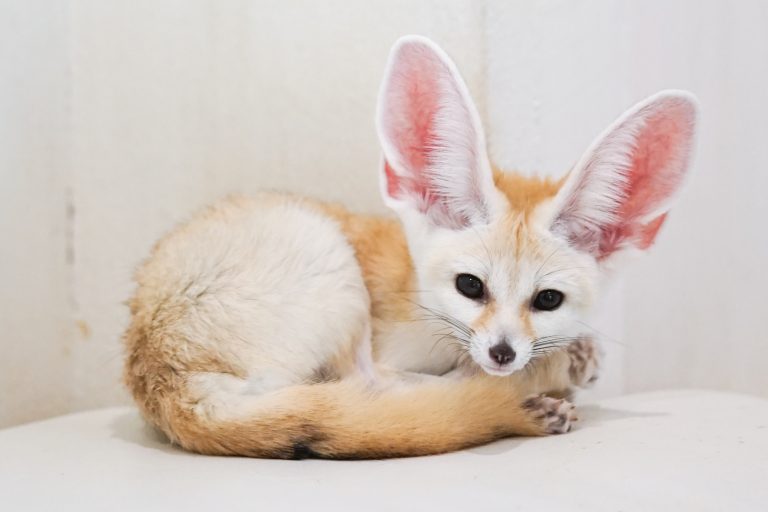
But before you fall head over heels for that energetic fennec fox or cute little skunk, it’s essential to understand how exotic pet laws work across the country.
Understanding Exotic Pet Laws: The Basics
So, what exactly qualifies as an exotic pet?
In most cases, it refers to any non-domesticated animal that isn’t considered a standard household companion. This includes reptiles like iguanas, birds such as macaws, small mammals like hedgehogs, and even larger species like primates and big cats.
Here’s the twist: the USA doesn’t operate under one universal federal law governing exotic pet ownership – aside from regulations involving endangered species (via the Endangered Species Act) and illegal wildlife trade (under the Lacey Act).
Instead, each state sets its own rules. The result? A true patchwork of regulations. What’s completely legal in one state might be restricted (or outright illegal) in another.
The Most Permissive States for Exotic Pet Ownership
Curious where your exotic animal dreams are most likely to come true? Let’s take a look at the states with the friendliest laws toward unusual pets.
👍 Nevada: The Wild West of Exotic Pets
Nevada truly lives up to its reputation – it’s one of the most permissive states in the country when it comes to exotic animal ownership. Believe it or not, residents can legally keep animals like monkeys, zebras, and even elephants without a state permit. Wild, right?
What makes Nevada stand out is its generally hands-off approach to exotic animal regulation. While a few species (like crocodilians and venomous snakes) are strictly off-limits as pets, the rules are famously relaxed, making the state a hot spot for exotic animal enthusiasts looking for more flexibility.
Just remember: local laws are often much stricter. Counties and cities usually require permits or ban specific species entirely, so always double check before making any big plans.
👍 Wisconsin: Quietly Permissive
Wisconsin might not be the first state that comes to mind, but its exotic pet laws are surprisingly relaxed.
Without statewide restrictions on many species, you could technically own animals like servals or capuchin monkeys… depending on your local laws and ordinances.
The state does require a Captive Wild Animal Farm License for some native and non-native species (like bears, cougars, and wolf dog hybrids).
The good news? Native animals like chipmunks, opossums, and squirrels can be kept without any special permits.
Wisconsin also considers certain farm animals like ostriches and emus as livestock, so no permit needed there either.
👍 Alabama: Sweet Home for Exotic Owners
Alabama is another state with relatively open exotic animal laws. While species like deer, foxes, raccoons, and skunks are off the table, pet monkeys and many other species are legal to own without a permit.
👍 North Carolina: A Patchwork of Possibilities
North Carolina is one of the only states with virtually no statewide exotic animal laws. Instead, everything depends on your county or city. This means you could have completely different rules just a few miles down the road.
This decentralized system creates plenty of opportunities but also a fair bit of confusion. If you’re considering an exotic pet here, checking your local ordinances is an absolute must.
👍 Oklahoma: Surprisingly Easygoing
Oklahoma keeps things fairly flexible. With the exception of native bears and native wild cats, most exotic animals aren’t prohibited. Some species require a Noncommercial Wildlife Breeders License, but overall the permitting process is pretty straightforward.
States With Reasonable Permit Systems
Not quite as permissive as our top contenders, but still exotic pet friendly with proper documentation:
✔️ Florida: A Permit System That Actually Works
For exotic pet enthusiasts, Florida absolutely deserves a top spot on your list. The Sunshine State uses a well defined three tier classification system (Class I, II, and III wildlife) each with its own permit requirements and detailed caging standards, creating a clear and organized path for responsible pet ownership.
- Class III wildlife includes species like kinkajous, squirrel monkeys, skunks, marmosets and tamarins, fennec foxes, and many others.
- Class II wildlife covers animals such as servals, bobcats, vervet and macaque monkeys, wolves (including high content wolfdogs), binturongs, and more.
- Class I wildlife represents the most regulated group, including big cats like cougars, as well as elephants, bears, and other large high risk species.
Florida does prohibit certain species (most famously Burmese pythons and green iguanas) after significant issues with invasive populations in the Everglades – but beyond those restrictions the state offers a relatively wide range of exotic pet possibilities for those who meet the requirements.
✔️ Indiana: Three Classes of Freedom
Indiana uses a clear, tiered permit system that’s surprisingly straightforward.
- Class III permits allow ownership of animals like bears, wild cats, crocodilians, and venomous reptiles.
- Class II permits cover species such as coyotes, foxes, and raccoons.
- Class I permits apply to lower risk species like squirrels and other animals that pose minimal danger.
The application process focuses on demonstrating your ability to safely house and care for the species you want – very achievable for committed exotic pet keepers.
✔️ Texas: County Control
In Texas, exotic animal regulations are primarily managed at the county level, and the state overall remains quite open to a wide variety of exotic species.
Permits are required for dangerous animals (like big cats, bears, and primates), and the Texas Parks & Wildlife Department oversees this state level permitting under the Dangerous Wild Animal Act, which includes requirements for registration, insurance, and specific care standards.
Counties are also empowered to set their own (often stricter) rules, ranging from detailed regulations to complete bans. Because these laws can vary so widely, it’s essential to research local laws and requirements before bringing home an exotic pet.
Thanks to its sheer size and diverse landscapes, Texas has long been a popular destination for private exotic animal owners and large facilities alike.
✔️ Delaware: Permit Friendly and Flexible
Delaware takes a unique approach: instead of banning long lists of species, the state simply requires permits for most exotic animals. A DDA permit is needed to possess, sell, or import the majority of non-native mammals and reptiles, with a few exceptions – like hamsters, sugar gliders, ferrets, and certain lizard species that don’t require permits.
The permitting process includes meeting specific enclosure and welfare standards, ensuring animals are kept safely and responsibly.
However, some species are completely off-limits. Poisonous snakes, native Delaware wildlife, and rabies vector species (such as raccoons, skunks, and foxes) cannot be sold, imported, or kept under any circumstances.
States to Avoid If You’re Serious About Exotic Pets
On the flip side, some USA states have some of the toughest exotic pet regulations in the country. If you’re dreaming of owning anything beyond common domestic species, these states are worth steering clear of.
❌ California: The Strictest State
California is famously one of the most restrictive states when it comes to exotic pet ownership. Most wildlife species are completely off-limits – including hedgehogs, ferrets, nearly all rodents except hamsters, and any non-domesticated rabbits. Even certain reptiles and bird species face tight restrictions. If it’s even slightly exotic, chances are California has banned it.
❌ Hawaii: Protecting Paradise
With its delicate island ecosystem, Hawaii enforces exceptionally strict laws to prevent invasive species from harming native wildlife. The vast majority of exotic pets are prohibited altogether, and the few that are allowed must undergo intensive quarantine procedures. For exotic animal enthusiasts, Hawaii is one of the least flexible states.
❌ Alaska: Limited Options
Alaska’s rugged environment and unique biodiversity have led to severe limits on exotic pet ownership. Most exotic species are either highly restricted or banned outright. Overall, the options here are extremely narrow for anyone hoping to own unusual animals.
Important Considerations for Exotic Pet Ownership
Before you get too excited about moving to Nevada to fulfill your serval owning dreams, let’s have a real conversation about what responsible exotic pet ownership really entails.
It’s Not Just About Legality
Being able to legally own an exotic animal doesn’t automatically mean it’s the right choice. Here are some key factors to consider:
- Veterinary Care: Depending on where you live, finding a vet who treats exotic animals can be challenging… and often costly. While rabbits and ferrets are usually manageable, exotic mammals can be far trickier to care for.
- Cost: Exotic pets aren’t cheap. Proper food, housing, enrichment, and medical care can easily run into the thousands of dollars per year. Larger animals require more space, more food, and more enrichment (which quickly adds up).
- Lifespan: Many exotic species live for decades. Are you prepared for a long term commitment that may outlast typical pets – or even family members?
- Space Requirements: Exotic animals need appropriate habitats. A pet monkey, for instance, requires far more room than a studio apartment can provide.
- Safety: Even animals raised in captivity retain wild instincts. Many species can be unpredictable, aggressive, or potentially dangerous. Proper handling and safety measures are essential.
Local Regulations Matter
Even in states with permissive laws, local counties and cities often have stricter rules.
If you live in an apartment, condominium, or HOA governed community additional rules/restrictions may apply.
Always check local ordinances before bringing home an exotic animal.
Federal Laws Still Apply
Federal regulations, including the Endangered Species Act and the Lacey Act, apply nationwide.
You cannot legally own certain species or purchase and transport endangered animals across state lines (regardless of state rules).
Responsible exotic pet ownership requires careful planning, significant commitment, and ongoing education – but for the right person, it can be an incredibly rewarding experience.
How to Navigate Exotic Pet Laws in Your State
Ready to explore exotic pet ownership? Here’s your game plan:
- Research State Laws: Start by checking your state, county, and city laws for current regulations.
- Contact Local Authorities: Call your county and city offices to confirm local laws and ordinances.
- Check Federal Lists: Verify that your desired pet isn’t on endangered species lists or federal prohibited lists.
- Find a Veterinarian First: Before getting an exotic pet, locate a qualified exotic animal veterinarian in your area.
- Assess Your Ability: Honestly evaluate whether you have the space, time, money, and expertise to properly care for your chosen exotic pet.
- Consider Liability Insurance: Many states recommend or require liability insurance for exotic pet owners.
- Plan for Emergencies: What happens if your exotic pet escapes? What if you become unable to care for it? Have a plan.
Before You Pack Your Bags: Final Thoughts
If your heart is set on exotic pets and you’re looking for the greatest legal flexibility, states like Nevada, Wisconsin, Alabama, North Carolina, and Oklahoma offer some of the most permissive environments.
For those willing to navigate permit systems, Florida, Indiana, Texas, and Delaware are solid options for responsible ownership.
But remember: the “best” state for exotic pet ownership isn’t necessarily the one with the loosest laws – it’s the place where you can provide proper care, access reliable veterinary support, and ensure the safety and wellbeing of both yourself and your animals.
Laws are constantly evolving, especially as states respond to public safety concerns and animal welfare issues. Always verify current regulations before acquiring any exotic pet, and when in doubt, consult with legal professionals who specialize in exotic animal law.
Exotic pets require knowledgeable committed owners who can meet their complex needs. If you’re prepared, do your homework, and follow the rules, owning an exotic animal can be an incredibly rewarding experience – just make sure it’s legal, safe, and responsible every step of the way.
Remember: This article provides general information only and should not be considered legal advice. Exotic pet laws change frequently. Always confirm your state laws before acquiring exotic pets.