Golden Mantella Frog Care Guide Habitat, Diet & Care Tips
They’re critically endangered, non-toxic in captivity, and absolutely stunning. Here’s everything you need to know before keeping golden mantella frogs as pets — including enclosure setup, diet, health tips, and more.
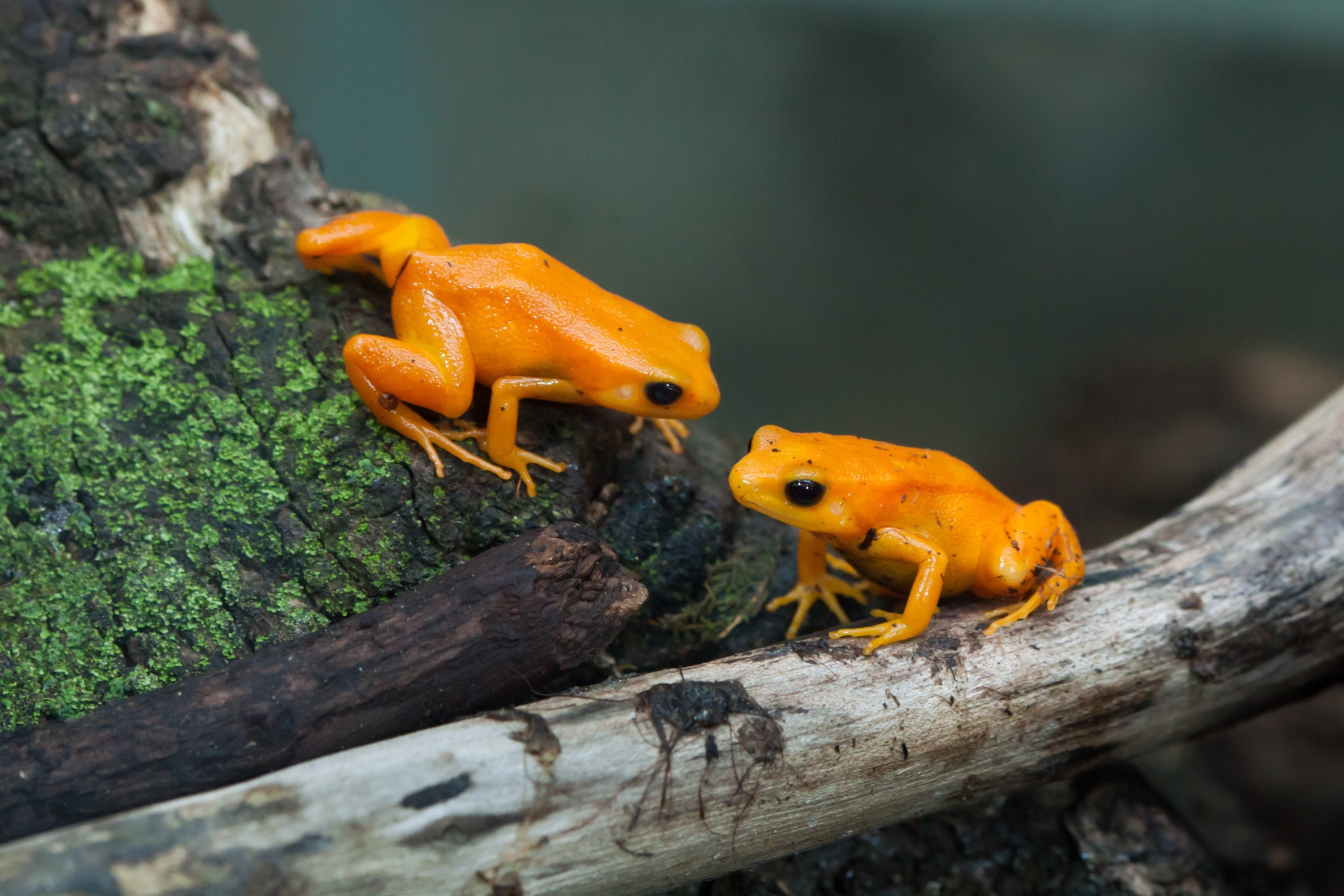
If you’ve been searching for a pet that’s equal parts eye-catching, charismatic, and unforgettable, the golden mantella (Mantella aurantiaca) deserves your attention.
These tiny amphibians come from the lush rainforests of Madagascar and are prized for their vivid color and rarity in the hobby. Think of them as the Hermès Birkin of the exotic pet world—they’re striking, uncommon, and well worth the thoughtful care they require.
Whether you’re an experienced terrarium enthusiast or a curious beginner ready to elevate your setup, this complete guide to golden mantella frog care will walk you through everything you need to help your miniature companions thrive. Let’s dive in!
What Are Golden Mantella Frogs? And Why Is Everyone Obsessed?
Golden mantella frogs are among the most striking amphibians on the planet. Their vivid golden-orange to red coloration isn’t just for show—it’s a classic example of aposematism, nature’s built-in warning system that tells predators the frog is toxic and best left alone.
In their native habitat in Madagascar, their toxicity comes from compounds accumulated through their diet of ants, flies, and other small insects.
In captivity, however, they do not consume those same prey items, so they do not develop toxins. As a result, captive bred golden mantella frogs are non-toxic and safe to handle gently and sparingly.
Quick Golden Mantella Facts at a Glance
- Size: Petite—typically 2 to 3 cm (under 1.5 inches)
- Lifespan: 8 to 12 years in captivity with excellent care
- Origin: Only found one place in the world—the Anosyen Plateau in Madagascar (a small, highly restricted range)
- Conservation Status: Critically Endangered (IUCN Red List)
- Temperament: Bold, active, and diurnal—which means they’re active during the day, so you actually get to enjoy watching them!
⚠️ Important
Because the golden mantella is critically endangered, it’s important to purchase captive bred frogs from reputable breeders. Wild caught mantella frogs frequently carry parasites, may be exposed to chytrid fungus, and require strict quarantine and veterinary treatment.
Setting Up the Perfect Golden Mantella Habitat
Think of your terrarium as your frog’s private studio apartment—it should be functional and thoughtfully designed.
For a small group of 2 to 4 golden mantellas, a 20 gallon vivarium is the bare minimum. Keep in mind that these frogs are primarily terrestrial, and spend most of their time exploring the ground rather than climbing, so you’ll want to choose enclosures that have more horizontal floor space than height.
For larger groups (golden mantellas do best in groups!), 30 gallon enclosure or larger with excellent cross ventilation works nicely.
Pro Tip
Glass terrariums with screen tops strike the ideal balance between humidity retention and airflow.
Substrate: The Foundation of a Thriving Vivarium
Your substrate should replicate the rich, moist forest floor of Madagascar.
Golden mantella frogs truly thrive in bioactive setups (which are widely regarded as the gold standard). A proper bioactive foundation typically includes:
- Drainage layer of LECA (lightweight expanded clay aggregate) or foam
- Mesh barrier separating drainage from soil
- 3 to 4 inch top layer of ABG mix (Atlanta Botanical Garden mix) or a blend of coco fiber, peat, and orchid bark
This layered system supports live plants, beneficial microbes, and cleanup crews like springtails and isopods that naturally break down waste. Once established, it becomes largely self sustaining and effortlessly elegant.
Temperature and Humidity: Perfectly Tropical (But Not Too Hot)
Golden mantella frogs prefer a cool humid environment—this surprises many keepers! Unlike many tropical frogs, they come from highland rainforests and do not tolerate excessive heat.
- Temperature: 65°F to 78°F (18°C to 25°C) is the sweet spot—temperatures above 80°F (27°C) can be lethal
- Night Drop: A slight drop of 5°F to 10°F decrease at night mimics natural conditions and is beneficial
- Humidity: Maintain 70% to 100% relative humidity
If you live somewhere warm, you may need to consider a cooling device or fan system to keep temperatures in range. This is one area where cutting corners simply isn’t worth the risk.
To maintain proper humidity, mist your frog’s enclosure twice daily (once in the morning and again in the evening) to keep moisture levels stable.
For added consistency and convenience, automatic misting systems are absolute game changers. Programming 2 to 3 misting sessions per day helps replicate the steady humidity of a lush rainforest environment while reducing the risk of fluctuations.
Lighting: Bright, but Not Blazing
Golden mantellas benefit from a 12 hour photoperiod (day/night cycle) year round. Provide your frogs with:
- A low output UVB bulb (many keepers prefer 5.0 UVB at low intensity)
- A full-spectrum LED to support plant growth
⚠️ Warning
Do not use basking or heat lamps. These frogs are adapted to cooler environments and can quickly become stressed or overheated under intense heat sources.
Plants and Decor: Functional Beauty
A well-planted tank isn’t just beautiful… it’s also essential for your frog’s enrichment!
Dense foliage reduces stress between group members, provides hiding spots and visual barriers, and helps maintain humidity.
Excellent Plant Choices Include:
- Bromeliads – especially ground-dwelling varieties like Cryptanthus
- Mosses – Java moss, sheet moss, etc.
- Peperomia species
- Small ferns and selaginella
- Pileas and mini Fittonia
Don’t forget to add some cork bark flats or rounds, leaf litter (magnolia or oak leaves work wonderfully), and smooth river stones for texture. Your golden mantellas will happily weave through these features all day, creating a dynamic and naturalistic display.
Feeding Your Golden Mantella Frogs
Golden mantellas are little insectivores with tiny mouths, which means their food must be small enough to fit comfortably in their petite mouths.
Golden Mantella
Diet & Feeding Reference
Staple Feeder Insects Include
Drosophila fruit flies — D. melanogaster for juveniles, D. hydei for adults (the backbone of a mantella diet)
Springtails (Collembola) — ideal for tiny juveniles and also help keep the terrarium clean
Small crickets — 1/8 inch or smaller for adults
Bean beetles (Callosobruchus maculatus)
Waxworms — feed sparingly; these are high in fat, so use as an occasional treat
⚠ Foods to Avoid
Insects too large to fit in the frog’s mouth (rough guide: nothing wider than the distance between their eyes)
Wild caught insects (pesticide risk)
Mealworms as a staple (too high in chitin)
Feeding Frequency
| Adults | Every day or every other day |
| Juveniles | Daily, as they are growing rapidly |
Pro Tip
Observe your frogs to ensure all individuals are eating. In a group setting, competition can sometimes mean shyer individuals get overlooked if more dominant frogs eat first.
Gut-Loading and Supplementation: The Non-Negotiable Details
- Feeder insects should always be gut-loaded for 24 to 48 hours before being offered to your frogs.
- Dust insects with calcium with D3 every feeding or every other feeding and a multivitamin (containing Vitamin A).
Health and Wellness Keeping Your Frogs Thriving
Even the most pampered golden mantella can occasionally encounter health challenges. Here are the main concerns to be aware of:
- Chytrid Fungus (Batrachochytrium dendrobatidis / Bd): This devastating amphibian disease is one of the leading causes of amphibian decline worldwide. Symptoms include lethargy, skin redness, and abnormal posture. Strict hygiene (never mixing equipment between collections, quarantining new arrivals, etc.) is your best prevention. New frogs should always be quarantined for 30 to 60 days before introduction.
- Metabolic Bone Disease (MBD): Caused by calcium/D3 deficiency. Prevented by proper supplementation and UVB lighting.
- Parasites: Internal and external parasites can occur. Annual fecal exams by an exotic vet are recommend.
- Dehydration and Overheating: Two of the most preventable issues—keep your misting schedule consistent and your temperatures cool.
Finding an Exotic Vet
Before bringing your frogs home, take the time to locate a veterinarian experienced with exotic animals or amphibians in your area. Being prepared is not just responsible—it can save you a lot of stress if a health issue arises.
Pro Tip
Check out the Association of Reptile and Amphibian Veterinarians (ARAV) directory — a trusted resource for locating experienced reptile and amphibian vets near you.
Handling and Behavior What to Expect From Your Golden Mantellas
Let’s address the elephant (or, rather, the tiny frog) in the room: golden mantellas are primarily display animals, not cuddly pets.
Their delicate skin absorbs substances directly from your hands (oils, lotions, residues, etc.), making frequent handling genuinely harmful to them.
That said, occasional, brief, gentle interactions are usually tolerated if your hands are thoroughly rinsed with dechlorinated water or if you wear powder-free gloves.
But the real magic is observing them through the glass… they’re absolutely mesmerizing!
What you’ll truly enjoy is their bold and active daytime behavior. Unlike many amphibians that hide constantly, mantella frogs dash across their enclosure, forage energetically, and male frogs will even make soft vocalizations during breeding season.
Conservation Why Keeping Golden Mantellas Responsibly Matters
The survival story of the Golden mantella is, unfortunately, a sobering one.
Their entire wild range covers a mere handful of square kilometers in Madagascar, and habitat loss from slash and burn agriculture has devastated their populations. These frogs are critically endangered, and their continued survival depends on:
- Captive breeding programs that reduce pressure on wild populations
- Habitat conservation initiatives in Madagascar
- Responsible hobbyists who source captive bred frogs and help educate others
Organizations like the Amphibian Survival Alliance, IUCN SSC Amphibian Specialist Group, and local Malagasy conservation NGOs are making a significant difference. Supporting these efforts (through donations or active involvement) is one of the most meaningful ways to help protect these tiny golden treasures.
Quick Care Summary Golden Mantella Frogs At-a-Glance
Quick Reference
Care At A Glance
| Enclosure Size | 20+ gallon for a group of 4 to 6 |
| Temperature | 65°F to 78°F (18°C to 25°C) |
| Humidity | 70% to 100% |
| Lighting | 12 hour cycle, low UVB |
| Diet | Tiny insects — fruit flies, small crickets, bean beetles |
| Feeding Frequency | Every day, or every other day as adults |
| Lifespan | 8 to 12 years in captivity |
| Handling | Minimal — primarily display animals |
| Difficulty Level | Intermediate |
Are Golden Mantella Frogs Right for You?
If you’re ready to create a lush, well-planted bioactive terrarium, choose captive bred frogs from ethical breeders, maintain stable temperature and humidity, and provide a varied diet with proper supplementation, golden mantella frogs can reward you with years of vibrant and fascinating companionship.
These frogs aren’t the easiest pets, but for dedicated keepers willing to meet their needs, they are incredibly rewarding.
There’s something truly special about watching a flash of golden color move through a misty, thriving terrarium—its like a tiny piece of the rainforest right in your own home.