The Most Dangerous Animals to Humans The Answers Will Surprise You
Think the most dangerous animals are the biggest predators? Think again. Explore the top 10 deadliest animals to humans, complete with eye-opening statistics, surprising facts, and practical safety tips.
- What Makes an Animal Dangerous to Humans?
- Mosquitoes: The World’s Deadliest Animal
- Humans: Our Own Worst Enemy
- Snakes: Silent Killers with a Dark Side
- Freshwater Snails: The Unexpected Killer
- Assassin Bugs (Kissing Bugs): Disease Carriers
- Tsetse Flies: The Sleeping Sickness Spreader
- Crocodiles: Ancient Predators
- Hippopotamuses: Deceptively Deadly
- Elephants: Gentle Giants with a Temper
- Honorable Mentions: Other Dangerous Animalso
- Why Don’t We Fear the Right Animals?
- How to Stay Safe Around Dangerous Animals
- The Bigger Picture: Conservation and Coexistence
- Final Thoughts on the Most Dangerous Animals
When people think of dangerous animals, they often imagine sharks, lions, or bears.
But the truth is, the animals that pose the greatest risk to humans might not be the ones you expect.
From tiny mosquitoes to enormous hippos, danger comes in many forms. Let’s take a closer look at which animals are most threatening to humans (and why).
What Makes an Animal Dangerous to Humans?
Before we dive into our list, it’s important to understand that “dangerous” can mean different things.
Some animals harm humans by spreading diseases, while others are dangerous because of their strength, speed, or defensive behavior.
Surprisingly, the most dangerous animals aren’t always the fiercest looking ones. In many cases, they’re the animals humans encounter the most often, making frequent contact the biggest risk factor of all.
Mosquitoes: The World’s Deadliest Animal
Believe it or not, the mosquito takes the crown as the most dangerous animal on Earth. These tiny insects are responsible for approximately 700,000 human deaths annually, primarily through disease transmission.
Why They’re Dangerous: Mosquitoes spread devastating diseases including malaria, dengue fever, Zika virus, yellow fever, and West Nile virus. Malaria alone kills over 600,000 people each year, mostly children in sub-Saharan Africa.
Where They’re Found: Worldwide, with disease carrying species particularly prevalent in tropical and subtropical regions.
Humans: Our Own Worst Enemy
It might seem odd to include ourselves on this list, but humans are responsible for more than 700,000 deaths of other humans annually through violence, war, and accidents.
Why We’re Dangerous: Human conflict, homicide, and negligence make us one of the top threats to our own species.
Snakes: Silent Killers
Venomous snakes cause between 81,000 to 138,000 deaths worldwide each year, with millions more suffering permanent disabilities from snakebites.
Why They’re Dangerous: Venom can cause rapid tissue destruction, paralysis, and death. Many victims in rural areas lack access to antivenom treatment.
Most Dangerous Species: Saw-Scaled Viper, Russell’s Viper, Indian Cobra, and Inland Taipan.
Where They’re Found: Every continent except Antarctica, with the highest fatality rates in South Asia, Southeast Asia, and sub-Saharan Africa.
Dogs: Man’s Best Friend with a Dark Side
Domestic dogs cause approximately 25,000 to 35,000 human deaths annually, primarily through rabies transmission.
Why They’re Dangerous: While most dogs are perfectly safe, rabid dogs and aggressive breeds can cause fatal injuries.
Where They’re Found: Worldwide, with the highest rabies death rates in Asia and Africa.
Freshwater Snails: The Unexpected Killer
These seemingly harmless creatures are responsible for around 200,000 deaths annually by hosting parasitic flatworms that cause schistosomiasis.
Why They’re Dangerous: The parasites they carry can damage internal organs, particularly the liver and intestines, leading to chronic illness and death.
Where They’re Found: Tropical and subtropical freshwater bodies, especially in Africa, South America, the Caribbean, and Southeast Asia.
Assassin Bugs (Kissing Bugs): Disease Carriers
These insects cause approximately 10,000 deaths per year by transmitting Chagas disease.
Why They’re Dangerous: They bite humans around the mouth while sleeping, defecating near the wound and introducing parasites that cause chronic heart and digestive system problems.
Where They’re Found: Central and South America, with some species in the southern United States.
Tsetse Flies: The Sleeping Sickness Spreader
Tsetse flies have historically caused thousands of deaths each year by spreading African sleeping sickness (trypanosomiasis). Earlier estimates suggested as many as 50,000 deaths annually. However, recent data from the World Health Organization shows a major decline due to successful control efforts, with fewer than 1,000 cases now reported each year. Despite this progress, the disease remains a health risk in parts of sub-Saharan Africa.
Why They’re Dangerous: Their bite transmits parasites that invade the central nervous system, causing confusion, sleep disturbances, and eventually death if untreated.
Where They’re Found: Sub-Saharan Africa in a region between the Sahara and Kalahari deserts.
Crocodiles: Ancient Predators
Crocodiles kill approximately 1,000 people per year, making them one of the deadliest large animals to humans.
Why They’re Dangerous: Powerful jaws, ambush hunting tactics, and territorial behavior make them formidable predators. Saltwater and Nile crocodiles are particularly aggressive.
Where They’re Found: Tropical regions of Africa, Asia, Australia, and the Americas.
Hippopotamuses: Deceptively Deadly
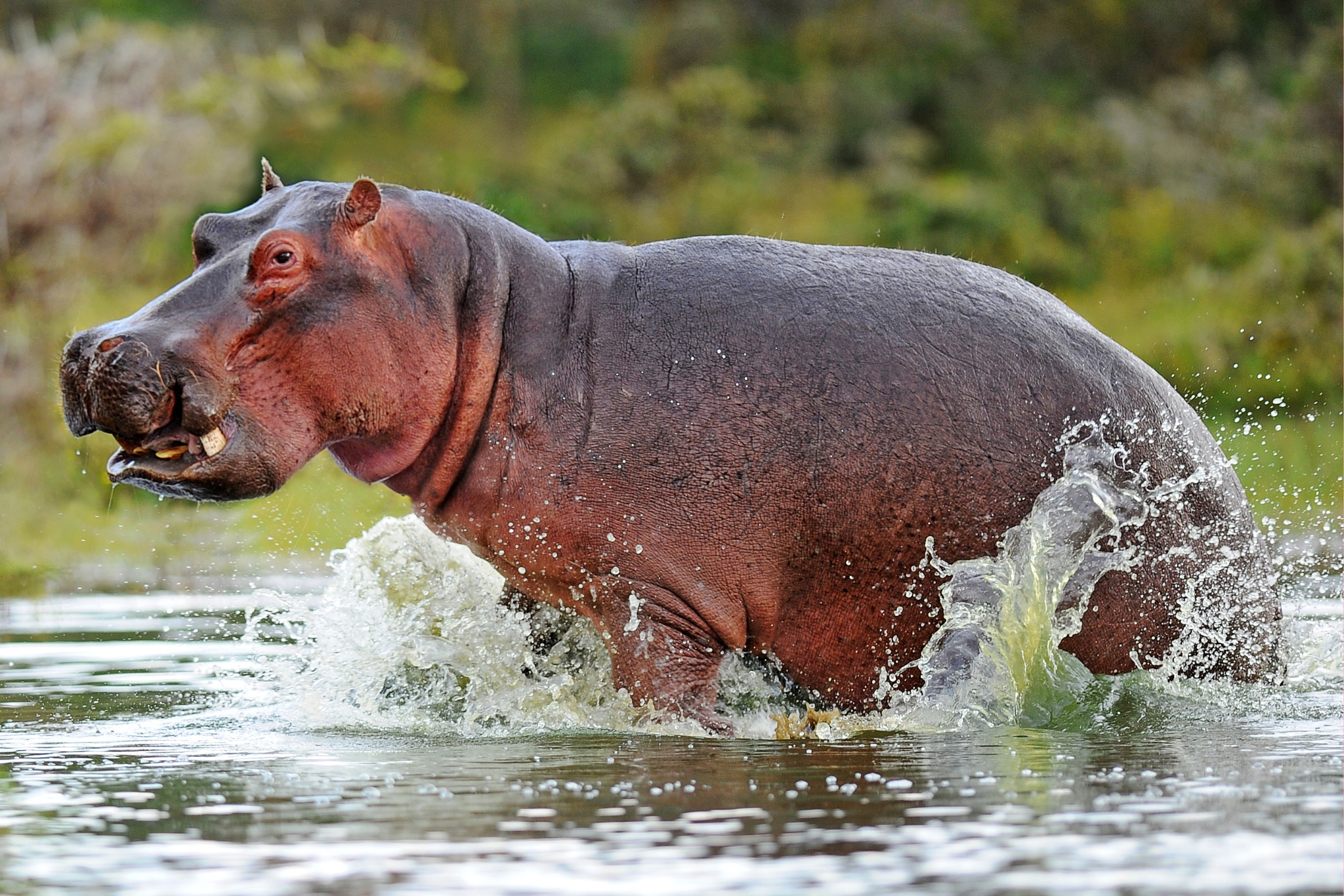
Despite their cute appearance, hippos kill 500 to 3,000 people annually, making them one of Africa’s deadliest animals.
Why They’re Dangerous: Extremely territorial and aggressive, with powerful jaws and surprising speed on land. They’re responsible for more human deaths in Africa than lions or crocodiles.
Where They’re Found: Sub-Saharan Africa, particularly near rivers and lakes.
Elephants: Gentle Giants with a Temper
Elephants cause approximately 500 human deaths per year, primarily in India and Africa.
Why They’re Dangerous: When threatened, protecting young, or in musth (heightened aggression in males), elephants can charge, trample, or gore humans with devastating force.
Where They’re Found: Sub-Saharan Africa and South and Southeast Asia.
Other Dangerous Animals
- Sharks – Despite their fearsome reputation, sharks only kill about5 to 10 people per year worldwide. You’re far more likely to die from a bee sting than a shark attack!
- Lions and Tigers – Lions and tigers collectively cause about 100 to 500 human deaths annually. Most attacks occur when animals feel threatened or are defending territory.
- Box Jellyfish – These marine creatures are among the most venomous animals on Earth, causing around 50 to 100 deaths per year in the Indo-Pacific region.
- Cape Buffalo – Often called “Black Death” in Africa, these animals are responsible for approximately200 deaths annually due to their unpredictable and aggressive nature.
Why Don’t We Fear the Right Animals?
It’s fascinating that we often fear animals like sharks and spiders, which pose minimal risk, while overlooking the true dangers like mosquitoes and freshwater snails. This disconnect happens because:
- Media Portrayal: Movies and news sensationalize rare attacks by large predators
- Visibility: We can see sharks and bears, but not microscopic parasites
- Evolutionary Psychology: We evolved to fear predators, not tiny disease carriers
- Frequency vs. Severity: Mosquito bites are common and seem harmless individually
How to Stay Safe Around Dangerous Animals
- Prevention Is Key: The best way to stay safe is avoiding dangerous encounters altogether. Research wildlife in areas you’re visiting and follow local guidelines.
- Respect Wildlife: Never approach, feed, or provoke wild animals. Maintain safe distances and observe from afar.
- Use Protection: Insect repellent, bed nets, proper clothing, and vaccines can protect against disease carrying insects.
- Stay Informed: Learn about venomous and dangerous species in your area and know what to do if bitten, stung, or encounter these animals.
Conservation and Coexistence
While this post focuses on danger to humans, it’s important to remember that humans pose a far greater threat to animal populations than they do to us.
Habitat destruction, climate change, and hunting have pushed many animal species toward extinction.
Most animal attacks on humans occur when we encroach on their territory or when animals feel threatened. As human populations expand into wildlife habitats, unfortunately conflicts naturally increase.
The solution isn’t eliminating dangerous animals but learning to coexist peacefully through education, conservation, and responsible behavior in nature.
Final Thoughts on the Most Dangerous Animals
The most dangerous animals to humans aren’t always the ones that seem scariest at first glance.
While it’s natural to fear sharks and big predators, the reality is that tiny mosquitoes and disease carrying insects pose far greater risks to human health and safety.
Understanding which animals are truly dangerous (and why) helps us take appropriate precautions, respect wildlife, and protect both ourselves and the ecosystems we share with these creatures.
Whether you’re planning an adventure abroad or simply want to be more aware of the natural world, knowing which animals demand our respect (and healthy caution) is essential.
Stay safe out there, and remember that most wildlife encounters can be positive experiences when approached with knowledge and respect!