Golden Lion Tamarins A Heartwarming Success Story
Discover golden lion tamarin facts that’ll steal your heart! Learn about their habitat, diet, conservation success & why these primates are so adorable.
- What Is a Golden Lion Tamarin?
- Golden Lion Tamarin Physical Characteristics
- Where Do Golden Lion Tamarins Live?
- Golden Lion Tamarin Diet: What’s on the Menu for These Cuties?
- Golden Lion Tamarin Social Structure and Behavior
- Golden Lion Tamarin Reproduction and Life Cycle
- Conservation Status: A True Success Story
- Why Golden Lion Tamarins Matter
- Threats Still Facing Golden Lion Tamarins
- How You Can Help Golden Lion Tamarins
- Fun Golden Lion Tamarin Facts to Share
- The Species That Shows Conservation Can Work
If you haven’t yet fallen in love with the golden lion tamarin, prepare yourself! These absolutely stunning little primates are about to steal your heart with their luxurious manes, playful personalities, and incredible comeback story.
Trust me, by the end of this article, you’ll be completely smitten with these gorgeous creatures.
What Is a Golden Lion Tamarin?
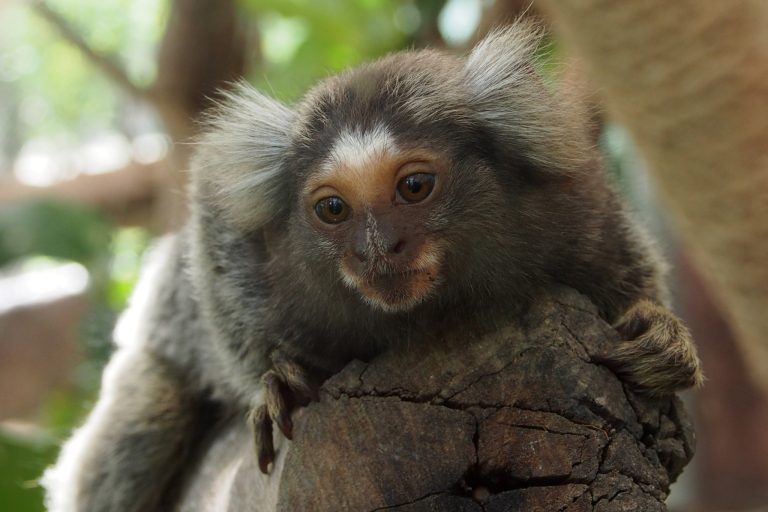
The golden lion tamarin (Leontopithecus rosalia) is a small New World monkey that’s basically the supermodel of the primate world.
With their brilliant golden orange fur that shimmers in the sunlight and a magnificent mane framing their tiny faces, these little darlings look like miniature lions lounging in the Brazilian rainforest. And honestly? They deserve all the attention they get.
Golden Lion Tamarin Physical Characteristics
Let’s talk about what makes these primates absolutely fabulous:
Size and Weight
Golden lion tamarins are petite powerhouses, weighing between 17 to 24 ounces (roughly the weight of a can of soda!) and measuring about 10 inches in body length. Their gorgeous tails add another 12 to 15 inches, helping them balance as they leap through the canopy like tiny acrobats.
That Iconic Golden Coat
Their fur is where the magic happens. That stunning golden orange color isn’t just for show – it helps them blend into the dappled sunlight of the forest canopy. The silky mane that frames their face gives them that regal lion-like appearance that inspired their name. Simply stunning!
Adorable Features
With expressive dark eyes, a flat face, and long, slender fingers with claw-like nails (perfect for gripping branches and extracting tasty treats from tree bark), these primates are perfectly designed for their arboreal lifestyle.
Where Do Golden Lion Tamarins Live?
Golden lion tamarins are endemic to Brazil’s Atlantic coastal rainforest, specifically in the state of Rio de Janeiro. Their natural habitat is the lowland tropical rainforest, where they spend most of their time high in the trees and rarely touch the ground.
These forest loving primates prefer secondary growth forests with plenty of vines and bromeliads, which provide both food and shelter.
They’re particularly fond of areas with tree holes for sleeping – think of them as nature’s penthouses!
Golden Lion Tamarin Diet What’s on the Menu for These Cuties?
Golden lion tamarins are omnivores with surprisingly refined tastes. Their meals are a balanced mix of plant and animal based foods, including:
- Fruit, which makes up a large part of their diet – especially sweet, soft, and juicy varieties.
- Insects, a favorite protein source, including spiders and beetles.
- Nectar and flowers, which add both sweetness and valuable nutrients.
- Tree sap and gum, providing an extra boost of carbohydrates.
- Occasional treats like small frogs or bird eggs when they come across them.
Golden Lion Tamarin Social Structure and Behavior
This is where golden lion tamarins really shine! These primates have absolutely fabulous family values that would make anyone swoon.
Family Life
Golden lion tamarins live in family groups of 2 to 8 individuals, typically consisting of a breeding pair and their offspring from multiple generations.
They’re monogamous (how romantic!) and both parents are incredibly devoted to raising their young.
Here’s something that will melt your heart: the fathers are extremely hands-on dads! In fact, males do most of the infant carrying, only handing babies back to mom for nursing.
The entire family pitches in to help care for the young, making child rearing a true team effort. Talk about family goals!
Communication
These chatty little primates have quite the vocabulary! Golden lion tamarins use various vocalizations to communicate, including whistles, trills, and calls that sound like birdsong.
They also communicate through scent marking and visual displays, showing off that gorgeous mane when they want to make a statement.
Daily Activities
Golden lion tamarins are diurnal, meaning they’re active during the day (just like us!).
Moving through the forest with ease, they travel on all fours, scampering along branches and making agile, impressive leaps from tree to tree.
Their mornings are usually spent foraging for food, while afternoons are dedicated to socializing, playing, and grooming one another. As evening approaches, they begin winding down and preparing to rest in their tree hollows.
Golden Lion Tamarin Reproduction and Life Cycle
The breeding habits of golden lion tamarins are fascinating! Females typically give birth to twins (but single births and triplets can occur) after a gestation period of about 130 days.
Baby tamarins are born with their eyes open and can cling to their parents from day one.
The infants develop quickly, starting to eat solid food at around three weeks old while still nursing. They’re weaned by three months and reach sexual maturity at about 18 months to two years of age.
In the wild, golden lion tamarins can live 8 to 15 years, while those in human care can reach their early twenties.
Conservation Status A True Success Story
Now for the really inspiring part! The golden lion tamarin conservation story is one of the most successful wildlife rescue efforts in history, and it’s absolutely worth celebrating.
The Crisis
By the 1960s and 1970s, golden lion tamarin populations had plummeted to critically low numbers… we’re talking fewer than 200 individuals left in the wild.
Habitat destruction from deforestation, agriculture, and urban development had decimated their Atlantic Forest home. The illegal pet trade also took a devastating toll on their populations.
The Comeback
Thanks to dedicated conservation efforts that began in the 1980s, golden lion tamarins have made an incredible recovery!
The strategies that saved them include:
- Captive breeding programs that created healthy populations in zoos worldwide
- Successful reintroduction programs that carefully returned zoo born tamarins to protected areas in Brazil
- Habitat restoration through reforestation projects that reconnected fragmented forest patches
- Community engagement that educated and involved local people in conservation efforts
Today, there are approximately 3,200 golden lion tamarins in the wild – a number that would have seemed impossible just decades ago!
While they’re still classified as Endangered by the IUCN, their population is stable and growing. This is conservation at its absolute finest!
Why Golden Lion Tamarins Matter
Beyond being absolutely adorable, golden lion tamarins play crucial roles in their ecosystem.
- As seed dispersers, they help maintain forest health by spreading seeds throughout their territory.
- They control insect populations naturally, and they serve as indicator species, meaning their health reflects the overall health of the Atlantic Forest ecosystem.
Their conservation success story also provides a blueprint for saving other endangered species. The collaborative approach involving zoos, researchers, governments, and local communities has become a model for wildlife conservation worldwide.
Threats Still Facing Golden Lion Tamarins
While we’re celebrating their recovery, golden lion tamarins still face challenges including
- Habitat fragmentation
- Climate change impacts on their forest home
- Yellow fever outbreaks that can devastate small populations
- Continued pressure from human development
The good news? Conservation organizations continue working tirelessly to address these threats through ongoing monitoring, habitat corridors, vaccination research, and sustainable development initiatives.
How You Can Help Golden Lion Tamarins
Feeling inspired to help these gorgeous primates? Here’s how you can make a difference:
- Support organizations working on golden lion tamarin conservation, such as Save the Golden Lion Tamarin (Associação Mico-Leão-Dourado)
- Choose sustainable products, especially those certified as rainforest friendly, to reduce demand for products that destroy habitat
- Visit accredited zoos that participate in golden lion tamarin conservation and breeding programs – your admission supports their work!
- Spread awareness by sharing information about golden lion tamarins and their conservation success story.
- Reduce your carbon footprint to help combat climate change, which threatens their forest habitat.
Fun Golden Lion Tamarin Facts to Share
Let’s end on a fun note with some delightful tidbits about these amazing animals:
- Their scientific name, Leontopithecus rosalia, literally means “rose colored lion monkey”
- Golden lion tamarins can leap up to 15 feet between trees – that’s like jumping across a large room!
- They spend about 40% of their day foraging for food.
- Each family group maintains a territory of about 100 acres.
- Baby tamarins start helping care for their younger siblings, learning parenting skills before having their own offspring.
The Species That Shows Conservation Can Work
If you weren’t already in love with golden lion tamarins, you absolutely are now!
These magnificent little primates with their golden manes and devoted family bonds represent the very best of what conservation can achieve. They’ve gone from the brink of extinction to becoming a symbol of hope for endangered species everywhere.
The golden lion tamarin story reminds us that when humans work together – scientists, conservationists, local communities, and animal lovers like you – we can accomplish incredible things.
These beautiful primates deserve a future as bright and golden as their stunning coats, and thanks to ongoing conservation efforts, that future is looking absolutely fabulous!