Why Every Horse Benefits from Dressage Training (No Matter the Discipline)
Think dressage is just for the show ring? Think again. ✨🐎 Discover why classical dressage training is the ultimate glow-up for horses in every discipline — from jumpers to trail partners. Learn how it builds balance, boosts strength, and supports long-term soundness and longevity.
- What Exactly Is Classical Dressage?
- The Universal Benefits: Why Every Horse Needs Dressage Training
- Discipline Specific Advantages
- Getting Started: Practical Tips
- The Environmental Impact
- The Public Health Dimension
- Legal vs. Illegal: A Blurry Line
- What Is Being Done to Stop It?
- How You Can Help
- Dressage Isn’t Just for Show
If you’re a jumper, barrel racer, trail rider, or really any type of equestrian, you’ve probably heard someone mention that dressage could help your horse.
And honestly? They’re absolutely right.
Classical dressage training isn’t just for those competing in white breeches and top hats – it’s foundational work that benefits every single horse, regardless of what discipline you ride.
Let’s chat about why incorporating classical dressage principles into your training program is one of the best decisions you can make for your horse’s physical health, mental wellbeing, and overall performance.
What Exactly Is Classical Dressage?
Before we dive in, let’s get on the same page about what classical dressage actually means.
Classical dressage is the systematic gymnastic training of horses based on biomechanics, balance, and harmony. It’s rooted in centuries old principles designed to develop a horse’s natural movement, strength, and willingness to work with their rider.
Think of it as Pilates for horses. The goal is to create a balanced, supple, and strong athlete who can carry a rider efficiently and soundly throughout their career.
The Universal Benefits Why Every Horse Needs Dressage Training
1. Improved Balance and Coordination
Dressage training teaches horses to carry themselves in better balance, which is absolutely crucial whether you’re navigating a cross country course, cutting cattle, or enjoying a leisurely trail ride.
Through exercises like circles, serpentines, and transitions, horses learn to shift their weight, engage their hindquarters, and move with greater coordination. A balanced horse is a safer horse. They’re less likely to stumble, trip, or become uncoordinated when faced with unexpected terrain or situations.
2. Enhanced Strength and Muscle Development
Classical dressage develops the right muscles in the right places. By encouraging horses to engage their core, lift through their backs, and step under with their hind legs, dressage training creates the kind of functional strength that translates beautifully to every discipline.
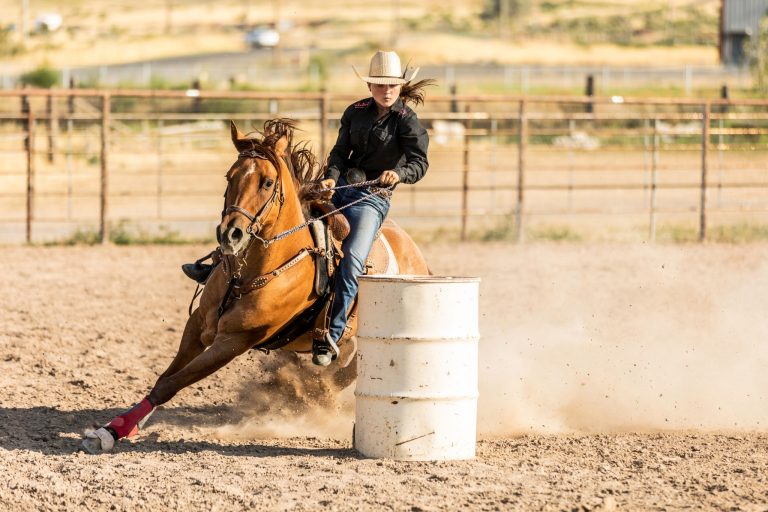
- Your barrel horse will have the power to explode around those turns.
- Your jumper will find it easier to compress and elevate over fences.
- Your trail horse will handle hills and uneven ground with confidence and ease.
3. Increased Suppleness and Flexibility
A supple horse is an athletic horse. Dressage work (particularly lateral movements like leg yields, shoulder-in, and haunches-in) increases flexibility through the horse’s entire body. This suppleness reduces the risk of injury and helps horses perform discipline specific movements more easily.
- Western pleasure riders notice smoother gaits.
- Eventers see improved adjustability on cross country.
- Reining competitors achieve more fluid spins and slides.
4. Better Straightness and Symmetry
Here’s something super important: horses, like people, are naturally crooked. They favor one side, carry more weight on certain legs, and develop asymmetries that can lead to soundness issues over time.
Classical dressage specifically addresses straightness, helping horses develop symmetrically and move evenly through both sides of their body.
This means less wear and tear on joints, tendons, and ligaments – and it helps extend your horse’s working life significantly.
5. Soundness and Longevity
Perhaps the most compelling reason to incorporate classical dressage training? It keeps horses sound longer.
By developing proper muscle support, encouraging correct movement patterns, and addressing asymmetries, dressage training protects joints and soft tissue from premature wear.
Many horses trained with classical principles continue competing or working well into their late teens and twenties. The investment in proper foundational training pays huge dividends throughout your horse’s entire career.
6. The Mental and Emotional Benefits
Classical dressage training isn’t just about physical development. The systematic patient approach also benefits horses mentally and emotionally.
Horses learn to think, process, and problem solve through progressive dressage training. They develop confidence in their bodies and trust in their riders.
The clear communication required in dressage work creates a partnership based on understanding rather than force.
This mental engagement reduces boredom, behavioral issues, and resistance. Horses actually seem to enjoy the work when it’s done correctly, approaching it with curiosity rather than anxiety.
Discipline Specific Advantages
For Jumpers and Eventers
Dressage training gives jumping horses the adjustability they need to meet fences correctly. The ability to collect, extend, and change balance quickly makes finding distances easier and helps horses rock back on their haunches for powerful takeoffs.
Plus, a horse with a strong topline and engaged hindquarters can better handle the physical demands of jumping courses.
For Western Disciplines
Whether you’re reining, cutting, or barrel racing, dressage principles improve responsiveness, collection, and the ability to shift weight quickly.
Those sliding stops, fast spins, and tight turns? They all require the same engagement, balance, and strength that dressage develops.
Many top western trainers incorporate dressage exercises into their programs for exactly this reason.
For Trail and Pleasure Riders
Even if you’re not competing, dressage training makes your horse more pleasant and safer to ride.
A horse that responds to light aids, carries themselves in balance, and moves with suppleness is simply more enjoyable for trail adventures and casual riding. They’re also less likely to become sore and tired during longer rides.
For Young and Green Horses
Starting any horse with classical dressage principles sets them up for success in whatever discipline they pursue later. It’s like teaching a child to read and write before they specialize in creative writing or journalism – dressage training is foundational skills that support everything else.
Getting Started Practical Tips
You don’t need to completely change your riding style or abandon your primary discipline to benefit from dressage training. Here’s how to incorporate these principles:
- Start with the basics. Focus on rhythm, relaxation, and connection before worrying about advanced movements. Even working on consistent gaits and smooth transitions makes a difference.
- Work with a qualified instructor. Find someone who understands classical principles and can help you apply them to your specific discipline. Even occasional lessons provide valuable guidance.
- Incorporate groundwork. Lunging with proper engagement and in-hand work develop many of the same skills as under saddle dressage.
- Be patient and consistent. Classical training is progressive and systematic. Small consistent improvements add up to significant changes over time.
- Focus on quality over quantity. 20 minutes of focused correct work is more valuable than an hour of drilling movements incorrectly.
Dressage Isn’t Just for Show
Classical dressage training isn’t about turning your barrel horse into a Grand Prix competitor or making your trail horse piaffe down the path. It’s about giving every horse the physical tools, mental framework, and balanced foundation they need to excel in whatever work they do.
Whether you’re aiming for the Olympics or just want enjoyable weekend rides, your horse deserves training that keeps them sound, balanced, and moving beautifully. Classical dressage provides exactly that – a time tested system for developing happy, healthy, and athletic horses who can perform their best in any arena.
So grab those dressage principles and give them a try. Your horse (and their future self) will absolutely thank you for it!