Can You Declaw a Pet Serval? Here’s What the Experts Say
Wondering if you can declaw a pet serval? Learn about the risks, legality, and vet approved alternatives to keep both you and your exotic cat safe and happy.
- What Is a Serval?
- Can You Legally Declaw a Serval?
- The Declawing Procedure: What It Actually Involves
- Why Most Vets and Experts Say “No Way”
- The Big Risks of Declawing Your Serval
- Better Alternatives to Declawing Your Serval
- What to Consider Before Getting a Serval
- The Bottom Line on Serval Declawing
If you’re considering a serval as a pet or already have one of these stunning African wildcats in your home, you’ve probably wondered about declawing.
It’s a totally fair question! After all, those claws can be pretty intimidating.
But before you make any decisions, let’s dive into everything you need to know about serval declawing, the alternatives, and what’s best for your exotic feline friend.
What Is a Serval?
Before we get into the nitty gritty of declawing, let’s talk about what makes servals so special.
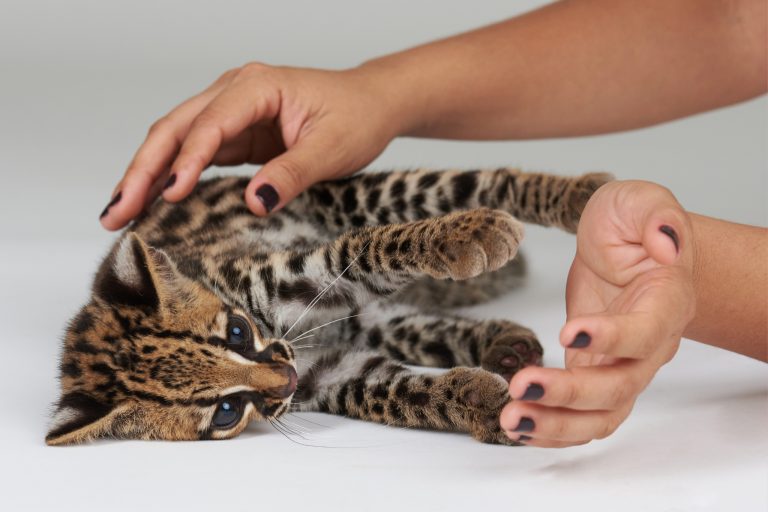
Servals are medium sized wild cats native to Africa, known for their gorgeous golden coats with black spots, enormous ears, and incredibly long legs. These athletic cats can jump up to 10 feet in the air and are seriously impressive hunters in the wild.
In recent years, servals have gained popularity as exotic pets, though they’re definitely not your average house cat. They require specialized care, lots of space, and an owner who understands their wild nature.
Can You Legally Declaw a Serval?
Here’s where things get interesting. Technically, the procedure is physically possible, but whether you can legally declaw a serval depends heavily on where you live.
Many states and countries have strict regulations about both owning servals and performing procedures like declawing on exotic animals.
In the United States, declawing regulations vary by state. Some states have banned declawing entirely (even for domestic cats) while others still allow it.
The Declawing Procedure What It Actually Involves
Let’s be real about what declawing actually means. It’s not just removing the claw itself – it’s actually an amputation of the last bone of each toe.
The medical term is “onychectomy” and it’s essentially the equivalent of cutting off your finger at the last knuckle.
For a serval, this procedure would involve:
- General anesthesia (which carries risks for any animal)
- Amputation of the third phalanx (bone) of each toe
- Significant post operative pain
- A lengthy recovery period
- Potential long term complications
Why Most Vets and Experts Say “No Way”
The exotic animal veterinary community is pretty much in agreement: declawing servals is a bad idea. Here’s why the experts aren’t fans:
1. Physical Health Concerns
Servals are wild animals whose entire body structure is designed for hunting and survival. Their claws aren’t just for show… they’re essential tools.
Removing them can lead to chronic pain, difficulty walking, and changes in their natural gait that can cause arthritis and joint problems down the road.
2. Behavioral Issues
Without their primary defense mechanism, declawed servals often become more aggressive biters.
They may also develop litter box issues since digging becomes painful, and they can experience increased anxiety and stress. Nobody wants an anxious bitey exotic cat on their hands!
3. Ethical Considerations
Many animal welfare organizations consider declawing to be inhumane, especially for wild or exotic species. The American Veterinary Medical Association (AVMA) has stated concerns about the procedure, and many countries have banned it entirely.
The Big Risks of Declawing Your Serval
Let’s get into the specifics of what could go wrong:
1. Immediate Complications
Infection, bleeding, reaction to anesthesia, and severe pain are all possibilities during and immediately after surgery.
2. Long Term Problems
Chronic pain, nerve damage, bone regrowth (yes, the claws can sometimes grow back deformed), and permanent lameness can all occur months or years after the procedure.
3. Behavioral Changes
Your serval may become more aggressive, develop depression, or self-mutilate. These are wild animals with strong instincts, and removing a major part of their natural toolkit can seriously mess with their psychological wellbeing.
Better Alternatives to Declawing Your Serval
Good news! There are way better options than declawing that keep both you and your serval happy and healthy.
1. Regular Nail Trimming
Getting your serval comfortable with nail trims from a young age is honestly your best bet. Use heavy duty clippers designed for large cats, and make it a positive experience with treats and praise. You might need two people at first, but many servals learn to tolerate it pretty well.
2. Nail Caps
Soft plastic nail caps designed for cats can be glued over your serval’s claws. They’re temporary, need to be replaced every 4 to 6 weeks, and allow your cat to keep their claws while preventing damage. Not all servals will tolerate them, but they’re worth a try!
3. Environmental Enrichment
Provide appropriate scratching surfaces like sturdy cat trees, logs, and scratching posts. Servals need to scratch (it’s natural behavior) so giving them approved outlets can save your furniture and your sanity.
4. Proper Training
Positive reinforcement training can teach your serval where scratching is acceptable. It takes patience and consistency, but it totally works!
5. Protected Living Spaces
Design your home with your serval in mind. Use durable scratch resistant materials in their main living areas, and keep valuable or delicate items in serval-free zones.
What to Consider Before Getting a Serval
Real talk: if you’re worried about claws to the point of considering declawing, a serval is not the right pet for you.
These magnificent animals are wild at heart and need owners who can fully accept and work with all of their natural behaviors (claws included).
Before bringing a serval home, consider whether you can truly provide adequate space (they need lots of room to run and explore), proper enrichment, specialized veterinary care, lots of time and patience, and have stable financial resources.
The Bottom Line on Serval Declawing
So, can you declaw a pet serval? Physically, yes.
But should you? The overwhelming consensus from exotic animal experts, veterinarians, and welfare organizations is a hard no.
The risks far outweigh any potential benefits, and there are much better alternatives available.
If you’re struggling with your serval’s claws, reach out to an exotic animal veterinarian or an animal behaviorist who specializes in wild cats. They can help you find solutions that keep everyone safe and happy without resorting to an invasive painful procedure.
Remember, when you choose to bring a wild animal into your home, you’re committing to accommodating their natural behaviors, not changing the animal to fit your lifestyle. Those gorgeous claws? They’re part of the package deal!