Pet Serval Diet The Best Foods for Your Wild Cat
Learn what to feed a pet serval for optimal health. Discover the best foods, feeding tips, and nutritional guidelines to keep your exotic wild cat thriving.
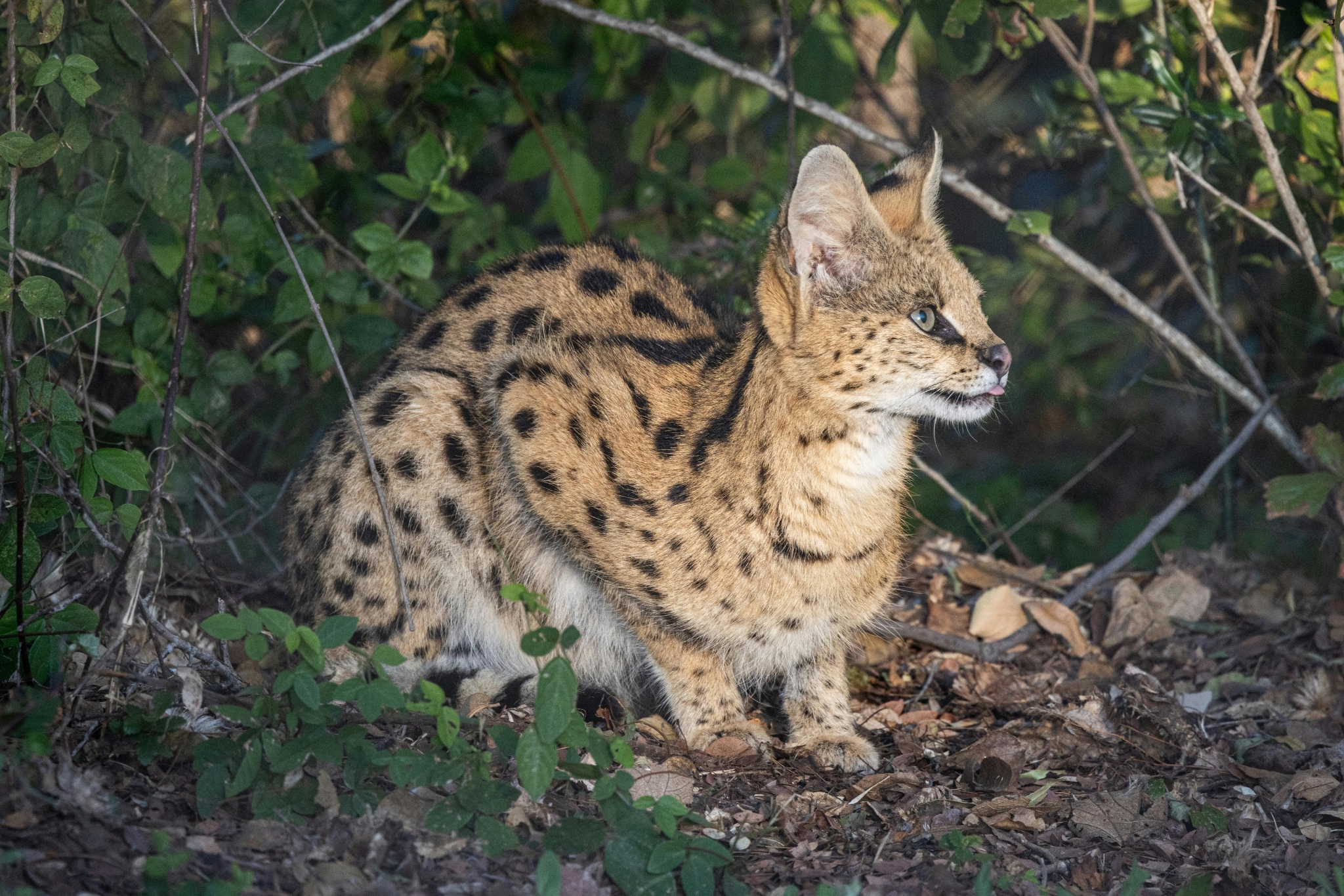
If you’ve fallen in love with the elegance of the African Serval, you’ve come to the right place and you’re not alone. These exotic felines captivate with their beauty, intelligence and wild charm. But before you bring a serval home—or if you already have one—there’s one thing you absolutely must get right: their carnivorous diet.
Servals aren’t just big house cats with long legs and a pretty coat. They are obligate carnivores with specific dietary needs rooted in their wild biology. Feeding them properly is one of the most important (and often most underestimated) aspects of responsible serval ownership.
Let’s dig into what feeding a pet serval really involves, including the good, the challenging, and the absolutely essential.
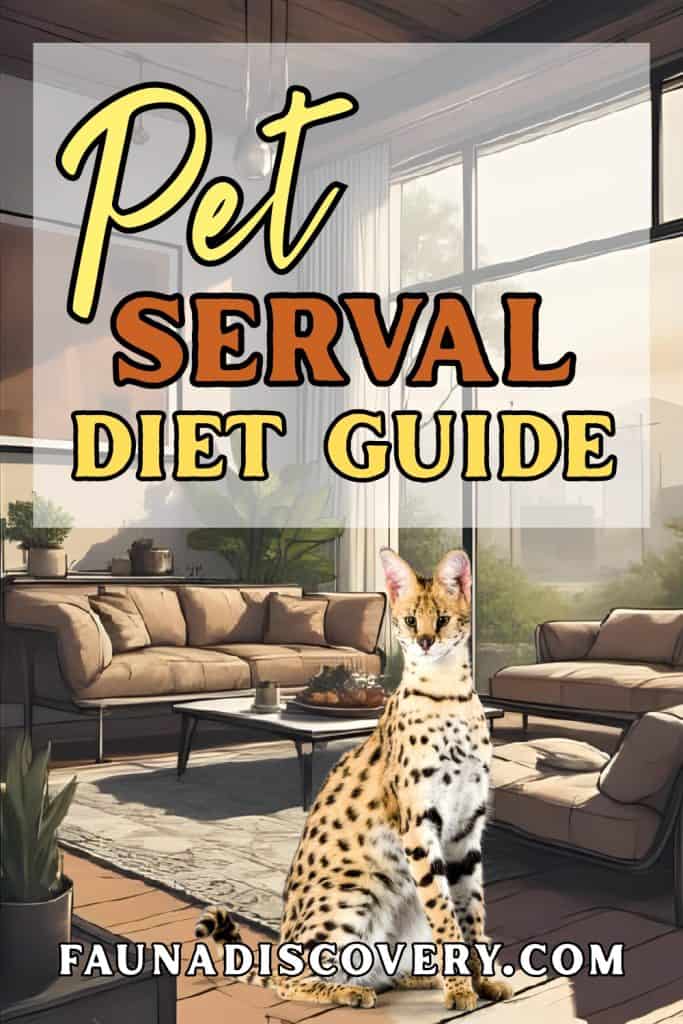
What Do Servals Eat?
In the wild servals hunt a variety of small animals such as birds, rodents, reptiles and insects. When they’ve caught their prey, they don’t let it go to waste—and they eat the entire prey, bones, fur and all is normal behavior.
Their digestive systems are built to process raw, unprocessed meat, fur and organs—not commercial kibble or cooked food.
A proper pet serval diet includes:
- Whole prey like mice, rats, chicks, quail, and rabbits
- Raw muscle meat including chicken, turkey, beef, and venison
- Raw organs such as liver, kidney, and hearts
- Bones—raw meaty bones are great for dental health and calcium
- Supplements (especially taurine and calcium)
Not all servals require additional supplements. Talk with your exotic pet’s veterinarian to find out your serval’s specific supplementation needs.
In order to stay healthy and thrive a serval’s diet must be balanced. Without careful planning servals can suffer from nutritional deficiencies that lead to serious health issues.
Simply throwing raw meat into a bowl and calling it a day isn’t enough. Do you research and talk with your vet about your serval’s diet. Your pet will thank you for it.
The Real Cost of Feeding a Serval
Let’s be honest… feeding a serval isn’t cheap, these cats eat a lot, and they need top quality meat.
On average a serval will eat 1 to 3 pounds of raw meat per day, depending on their size, age and activity level.
This can quickly add up to over a thousand dollars a month in meat costs alone.
Don’t forget that you’ll also need:
- A dedicated freezer for meat storage
- Access to reliable frozen prey suppliers
- Time each day for meal prep, thawing, portioning, and cleanup
For some owners feeding a serval feels like maintaining a miniature zoo that takes realistic planning, real world budgeting, and is a life long commitment.
Enrichment Through Feeding
One of the most rewarding parts of feeding a serval is how it ties into their natural behavior. These cats love to stalk, pounce and interact with their food, and it’s not just about eating… it’s about the hunt. You can use these natural behaviors to turn mealtime into a form of daily enrichment.
Think about it—when’s the last time a lion strolled into a restaurant and ordered a zebra burger? Exactly, never.
Predators in the wild have to work for their meals, and aservals are no different. Hunting is hardwired into their DNA and giving your serval the chance to “hunt” (even in a fenced backyard or enclosure) is one of the best things you can do for their physical and mental well-being.
Some fun “hunting” ideas for serval enrichment include;
- Hide pieces of food around their enclosure
- Use feeder puzzles (some of the ones made for dogs can work)
- Offer frozen meat blocks during warm weather
- Hide whole prey items in cardboard boxes or paper bags
- Hang food items to encourage your serval to jump or climb
Keep in mind that feeding time isn’t just about nutrition. It’s also an opportunity to keep your serval happy, active and mentally stimulated.
And don’t be afraid to get creative with enrichment! The goal of feeding enrichment is to make your serval work for their food.
Common Mistakes to Avoid
Even well meaning serval owners can unintentionally mess up feeding their exotic kitty. A healthy pet serval diet shouldn’t:
- Contain only muscle meat: This leads to nutrient deficiencies. Organs and bones are a must for servals to be healthy.
- Cooking their food: A pet serval diet shouldn’t include cooked foods or bones. Only feed raw bones: cooked bones can splinter and cause serious injury or harm your serval.
- Skipping supplements: Unless you are following a professional diet plan designed for servals, supplements are going to be necessary.
- Kibble or canned food: These simply don’t meet a serval’s dietary needs and can cause long term health issues. Please do not feed your pet serval dog food.
Is It Worth It?
No—for the average person, the cost of feeding a pet serval and the challenges of caring for one far outweigh the benefits.
However, for the right owner—someone with ample space, financial resources, and a strong commitment to meeting the serval’s complex needs—these exotic cats can thrive in captivity and become fascinating (though demanding) companions.
Feeding a serval properly may be a time consuming labor of love, but watching a serval leap skillfully after a tossed chick or stalk a frozen mouse in tall grass makes all the hard work totally worth it.
But please remember, it’s not effortless or inexpensive. Serval owners need to be prepared for the ongoing cost, time, and responsibility that comes with feeding a wild at heart companion.