Is Your Horse Happy?—10 Expert Tips to Improve
Your Horse’s Welfare and Happiness
From forage to socialization, explore 10 proven tips to improve your horse’s welfare, happiness, and long-term health. Start making a difference today.
Whether you’re new to horse ownership or have years of experience in the saddle, one principle always holds true: a horse’s well-being is the foundation of everything. True welfare goes far beyond basic care—it includes physical health, mental engagement, social interaction, and emotional stability.
In this guide, you’ll find expert-backed tips to help improve your horse’s overall quality of life, strengthen your partnership, and support a healthier, happier horse.
Why Horse Welfare and Happiness Matter
Horses are highly intelligent, sensitive creatures with intricate physical and emotional needs. Studies in equine behavior show that stress, isolation, and boredom can lead to health issues, behavioral problems, and increased risk of injury.
Focusing on your horse’s welfare isn’t just ethically sound—it directly influences their performance, lifespan, and overall quality of life.
The Five Domains of animal welfare—nutrition, environment, health, behavioral interactions, and mental state—offer a science-based framework for understanding and enhancing your horse’s wellbeing.
1. Prioritize Forage and Nutrition for Optimal Health
Nutrition is the foundation of a horse’s health and wellbeing. Horses are natural grazers, designed to eat small amounts of forage almost continuously—up to 18 hours per day.
Limiting this instinctual behavior can lead to gastric ulcers, colic, and stress-driven habits such as cribbing or weaving.
Equine Welfare Guide
Expert Tips for Optimal Equine Nutrition
#1
Provide ad libitum forage
Allow free-choice access to hay or pasture whenever possible, especially for stall-kept horses.
#2
Use slow feeders
Hay nets or slow-feeder systems mimic natural grazing patterns, extending eating time and reducing boredom.
#3
Tailor diets individually
Conduct annual forage analyses and consult a qualified equine nutritionist to match diet to your horse’s age, workload, and metabolic needs.
#4
Ensure constant hydration
Clean, fresh water should always be available — horses can drink up to 10 gallons per day, and even mild dehydration affects performance and welfare.
#5
Prioritize fiber over starch
Limit grains and starchy feeds, particularly for horses at risk of laminitis or insulin dysregulation, and focus on high-quality fiber-based diets.
Always consult a qualified equine veterinarian or nutritionist before making significant changes to your horse’s diet.
Proper nutrition supports not only physical health but also mental wellbeing, helping your horse thrive both in the pasture and under saddle.
2. Create a Living Environment That Promotes Comfort
Your horse’s surroundings play a critical role in their physical health and emotional wellbeing. A thoughtfully designed stable and pasture setup reduces stress, encourages natural behaviors, and lowers the risk of injury.
Equine Welfare Guide
Key Environmental Considerations
#1
Stall Size
Minimum 12×12 feet for average horses — but bigger is always better! Larger breeds may need 15×15 feet or more. Overcrowded stalls limit movement and can significantly increase stress, so providing ample space is key to a happy, healthy horse.
#2
Ventilation
Poor airflow is a leading contributor to respiratory issues. Ensure stables have good ventilation without exposing horses to cold drafts.
#3
Bedding
Provide deep, clean bedding (straw, shavings, or rubber mats) to encourage lying down — essential for REM sleep and overall recovery.
#4
Turnout
Daily pasture or dry lot access is one of the most impactful welfare practices. Even a few hours outside reduces anxiety, stall vices, and boredom.
#5
Shelter
Year-round access to shade, windbreaks, and protection from rain is crucial, whether horses are kept in stalls or outdoors.
A well-designed stable and pasture environment reduces stress, supports natural behaviour, and minimises the risk of injury.
A thoughtfully designed environment promotes your horse’s physical wellbeing and mental equilibrium, giving them the space and stimulation to thrive naturally. Safe footing, adequate shelter, and opportunities for natural behaviors all contribute to a happier, healthier horse.
3. Support Social Needs Horses Are Herd Animals
One of the most overlooked factors in equine wellbeing is social interaction. Horses are herd animals by nature, and long-term isolation can cause real psychological distress. Chronic loneliness has been linked to elevated cortisol levels, stereotypic behaviors (like cribbing or weaving), and even weakened immune function.
Equine Welfare Guide
Tips for Meeting Your Horse’s Social Needs
#1
Keep horses in pairs or groups
Whenever possible, social contact is essential for mental health. Horses are herd animals and experience genuine psychological distress when kept in isolation.
#2
Provide visual and tactile contact for solo horses
If solo housing is necessary, ensure your horse can still see and touch other horses through shared fence lines or stall grilles.
#3
Consider interspecies companions
Goats, donkeys, or even chickens can make meaningful companions when another horse isn’t available, helping to reduce isolation and boredom.
#4
Monitor herd dynamics carefully
Observe body language closely when introducing new horses to the group. Careful introductions help avoid conflict, injury, and lasting tension within the herd.
#5
Quality time with humans matters too
Regular, calm handling, grooming, and training sessions reinforce bonds and reduce stress — especially for horses kept alone. Your presence and consistency are a genuine source of comfort.
Chronic social isolation has been linked to increased cortisol levels, stereotypic behaviours, and reduced immune function in horses.
Meeting social needs isn’t a luxury—it’s a critical component of a horse’s emotional and physical wellbeing.
4. Exercise and Movement Match Work to the Individual Horse
Regular, well-planned exercise is essential for a horse’s physical health, mental stimulation, and emotional wellbeing. At the same time, improper or excessive training can lead to injuries, stress, and loss of trust.
Equine Welfare Guide
Expert Guidelines for Safe, Effective Exercise
#1
Tailor programs to your horse
Consider age, breed, fitness level, and past injuries — there’s no universal training plan. What works for one horse may cause harm to another.
#2
Incorporate variety
Mix trail rides, groundwork, liberty work, and arena sessions to engage different muscle groups and keep your horse mentally stimulated.
#3
Warm up and cool down properly
Protect tendons, ligaments, and cardiovascular health with structured warm-ups and cooldowns every single session — no exceptions.
#4
Monitor exertion
Use heart rate monitors or fitness trackers to objectively gauge your horse’s effort and recovery. Gut feeling alone isn’t always enough.
#5
Watch for overtraining signs
Decreased enthusiasm, behavioural changes, weight loss, or recurring minor injuries are signals your horse needs rest — not more work.
#6
Prioritize recovery
True rest days mean free movement in turnout, not confinement in a stall. Horses recover best when they can move, graze, and decompress naturally.
Always consult your veterinarian or a qualified equine physiotherapist before starting or significantly changing a training programme.
Balanced exercise supports a horse’s body and mind, helping them remain fit, happy, and resilient throughout their life.
5. Invest in Preventive Veterinary Care
When it comes to horse welfare, preventive care is far more effective—and cost-efficient—than reactive treatment. Catching issues early reduces pain, prevents chronic conditions, and helps your horse stay active and comfortable for years.
Equine Welfare Guide
Annual Preventive Care Checklist
#1
Vaccinations
Collaborate with your veterinarian to create a region-specific vaccine plan based on exposure risks.
#2
Dental care
Horses need at least yearly dental floating to prevent sharp points that cause pain, difficulty eating, and behavioral issues.
#3
Parasite control
Use regular fecal egg counts (FEC) to guide targeted deworming, avoiding blanket treatments that encourage resistance.
#4
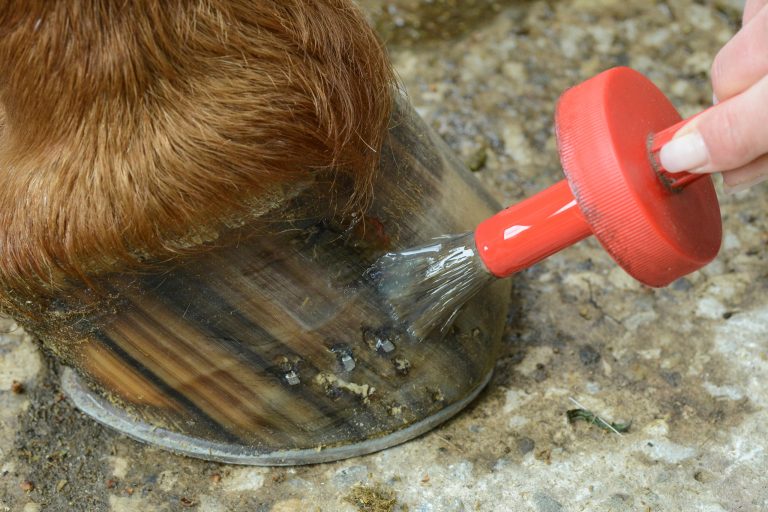
Farrier visits
Schedule hoof trimming and care every 6–8 weeks—imbalanced hooves can create systemic discomfort.
#5
Body condition scoring
Track your horse’s BCS regularly to detect unhealthy weight changes early.
#6
Chiropractic and physiotherapy
Performance horses often benefit from musculoskeletal assessments and adjustments by qualified equine bodyworkers.
A consistent, proactive healthcare routine safeguards your horse’s physical wellbeing, reduces stress, and contributes to a longer, healthier life.
6. Mental Enrichment and Stimulation
An under-stimulated horse can quickly become bored, frustrated, or develop stable vices. Horses are intelligent, curious animals that thrive when their minds are engaged as much as their bodies.
Equine Welfare Guide
Enrichment strategies for mental stimulation
#1
Exploration & Play
Provide safe toys and objects for exploration, like large balls, hanging items, or elevated salt licks.
#2
Novel Grazing
Rotate pastures or introduce new grazing areas to spark curiosity and natural foraging behaviors.
#3
Positive Training
Use positive reinforcement training (clicker training) to teach new skills and build problem-solving confidence.
#4
Liberty & Agility
Incorporate liberty work or horse agility exercises, fostering communication, trust, and cognitive engagement without overexertion.
#5
Routine Variety
Vary daily routines subtly — different hack routes, new obstacles, or novel challenges keep your horse mentally sharp while maintaining a healthy balance of consistency.
Small daily enrichments go a long way in keeping your horse happy, healthy, and engaged.
7. Learn to Read Equine Body Language and Emotional States
One of the most impactful ways to improve your horse’s welfare is to truly understand what they’re communicating. Horses rely on a highly nuanced system of body language, and many welfare issues arise when those signals are misunderstood or overlooked.
Equine Welfare Guide
Key body language signals to understand
#1
Relaxed horse
Soft eyes, low-hanging head, loose lower lip, resting a hind leg, slow blinking — all signs your horse is at ease and comfortable in their environment.
#2
Anxious or stressed horse
Watch for white around the eyes, tight facial muscles, high head carriage, rapid blinking, tail swishing unrelated to flies, or persistent pawing at the ground.
#3
Pain signals
Subtle lameness, reluctance to move forward, pinned ears during grooming or tacking up, changes in eating or drinking, dull coat, or altered facial expressions. Use the Equine Pain Scale or Horse Grimace Scale as a reference guide.
#4
Fear vs. defiance
Many “behavioral problems” are actually fear or pain responses. Before labeling a horse as disobedient, investigate whether discomfort, equipment fit, or environmental stress is the root cause.
Learning to read your horse’s body language is one of the most valuable skills you can develop as a horse owner or handler.
Working with a qualified equine behaviorist or ethologist can dramatically improve your ability to understand your horse and respond in ways that build trust and clarity.
8. Ensure Tack and Equipment Fit Correctly
Poorly fitting tack is one of the most common—and most preventable—welfare issues in the equestrian world. A saddle that pinches, a painful bit, or an ill-fitting bridle can lead to immediate discomfort, behavioral resistance, and even long-term physical damage if left unaddressed.
Equine Welfare Guide
Tack fitting best practices
#1
Saddle fitting
Have your saddle fit assessed by a qualified Society of Master Saddlers (SMS) or equivalent certified saddle fitter at least once a year — or whenever your horse gains, loses, or shifts muscle condition.
#2
Bit selection
Choose bits thoughtfully — many horses work well in milder, correctly-fitted bits. Mouth conformation varies significantly between horses, so seek guidance from a qualified bit fitter.
#3
Boots & bandages
Check boots and bandages regularly for signs of rubs, swelling, or pressure points. Remove and inspect after every use to catch issues early.
#4
Headcollars & rugs
Ensure headcollars and rugs fit properly and are checked daily to prevent rubs and injuries. Ill-fitting equipment can cause significant discomfort over time.
Well-fitted tack is fundamental to your horse’s comfort, performance, and long-term soundness.
9. Build a Trust-Based Relationship Through Consistent, Compassionate Handling
At the core of good horsemanship and equine welfare is relationship. Horses that trust their handlers tend to be calmer, more willing, and better able to cope with stress. That trust isn’t built quickly—it develops through consistent, thoughtful interactions where you read your horse’s needs and respond with empathy rather than force.
Equine Welfare Guide
Relationship-building principles
#1
Reward-based training
Use reward-based training methods alongside or instead of pressure-and-release to build positive emotional associations with handling and work.
#2
Agenda-free time
Spend time simply being with your horse — grooming, hand grazing, or sitting quietly in the stable — without an agenda. This builds relaxed familiarity.
#3
Calm, consistent energy
Be consistent in your energy and expectations. Horses are acutely sensitive to human emotion and respond best to calm, confident handling.
#4
Respect your horse’s “no”
A horse that pins ears, moves away, or shows tension during tacking up is communicating something important — investigate rather than override.
#5
Seek qualified help
When behavioral challenges arise, a certified equine behavior consultant can help identify root causes and guide compassionate, effective solutions.
A strong, trusting relationship with your horse is built through patience, consistency, and genuine curiosity about their experience.
10. Stay Educated and Adapt as Your Horse Ages
Equine care is always evolving, and the most effective horse owners stay committed to learning. Practices that were once considered standard can later be recognized as outdated—or even harmful—so keeping up with current knowledge is one of the best ways to protect your horse’s health and wellbeing.
Equine Welfare Guide
Ongoing education strategies
#1
Reputable sources
Follow reputable equine welfare organizations such as the British Horse Society (BHS), World Horse Welfare, the American Association of Equine Practitioners (AAEP), and research institutions publishing peer-reviewed equine science.
#2
Adapt as your horse ages
Senior horses have specific nutritional, dental, medical, and exercise needs that differ significantly from younger animals. Stay informed and adjust your management accordingly.
#3
Take courses
Seek out courses in equine first aid, nutrition, behavior, and training to deepen your knowledge base and give you greater confidence in day-to-day horse care.
#4
Build your network
Connect with other horse owners, trainers, and professionals to share experiences, ask questions, and stay engaged with evolving best practices in equine care.
The best horse owners never stop learning — every horse you work with has something new to teach you.
Your Horse’s Welfare Is a Daily Commitment
Improving your horse’s welfare and happiness isn’t a one time fix—it’s an ongoing commitment to observation, adaptation, and thoughtful care. The horses that truly thrive are those whose owners take the time to understand them as individuals: their quirks, preferences, sensitivities, and sources of comfort.
By applying expert-backed approaches—from better nutrition and living conditions to a deeper understanding of behavior—you’re doing more than supporting physical health. You’re building a relationship grounded in trust and mutual respect, which lies at the heart of every successful human–horse partnership.
Your horse may not speak your language, but they are communicating with you every day. The most meaningful thing you can do is learn to listen.
Have questions about your horse’s specific welfare needs? Consult with a qualified veterinarian, equine behaviorist, or certified equine nutritionist for personalized guidance.