Expert-Backed Strategies to Raise Healthy Sporthorse & Warmblood Foals
Discover proven breeder-backed tips for raising healthy, strong, and happy foals. Learn feeding, care, and management strategies to help your foal thrive from birth to yearling.
- Start Before the Foal is Born: Mare Management Matters
- The First 24 Hours: Don’t Leave Anything to Chance
- Nutrition in the First Year: Building the Sport Horse Frame
- Movement and Turnout: The Medicine You Can’t Buy in a Bag
- Developmental Orthopedic Disease: Prevention Over Treatment
- Vaccination, Deworming, and Veterinary Care: Building the Health Protocol
- Weaning: Minimize Stress & Protect Gut Health
- Handling and Early Imprinting: Training the Future Athlete’s Mind
- Monitoring Growth and Development: What to Track
- The Long Game: Thinking in Years, Not Months
Raising a Warmblood or sporthorse foal is one of the most rewarding—and sometimes challenging—journeys for breeders and owners. From the moment a foal is born, every choice you make influences the kind of athlete it will become. Whether your goal is a future Grand Prix dressage star, an elite show jumper, or a competitive eventer, the foundation you build in the first few months and years of a horse’s life is critical.
In this guide, we highlight some of the strategies and practices that equine experts and breeders consistently recommend for raising healthy, sound, and successful foals.
Start Before the Foal is Born Mare Management Matters
The health of a foal begins long before birth—it begins during gestation.
- A mare in moderate body condition (BCS 5–6) and properly nourished produces foals with stronger bones, more stable metabolisms, and better immune function than mares who are over- or underfed.
- Nutrition is especially critical in the final trimester, when the foal gains roughly 60% of its birth weight. Partnering with an equine nutritionist ensures the mare receives sufficient calcium, phosphorus, copper, zinc, and vitamin E. Deficiencies in these trace minerals during late gestation are strongly linked to developmental orthopedic disease (DOD), a leading cause of failed vet checks and early retirement in warmbloods.
- Vaccinate the mare 4 to 6 weeks before foaling. This boosts antibody levels in her colostrum, giving the newborn foal the best possible start through passive immunity.
The First 24 Hours Don’t Leave Anything to Chance
Colostrum is non-negotiable. A newborn foal must consume high-quality colostrum within 6 to 8 hours to absorb immunoglobulins (IgG) through the gut wall. After 12 to 18 hours, absorption drops dramatically. Test IgG levels at 18 to 24 hours using a stall-side snap test. Levels below 400 mg/dL indicate failure of passive transfer (FPT), which requires a plasma transfusion—this is a crucial step in a sporthorse breeding program where early illness can be costly.
Monitor the foal using the “3-1-2 rule”:
- Standing: within 3 hours of birth
- Nursing: within 1 hour of standing
- Placenta passed: within 3 hours of foaling
Any deviations should prompt an immediate call to your veterinarian.
PRO TIP: Prepare a foal kit before the breeding season:
- Vet’s emergency contact clearly posted
- Iodine or chlorhexidine for umbilical dipping (dip twice daily for 3 days—don’t spray)
- Clean towels
Nutrition in the First Year Building the Sport Horse Frame
Warmblood foals, such as Hanoverians or Dutch Warmbloods, grow at an astonishing rate—gaining 1.5–3 kg per day in the first few months. While this rapid development is a sign of strong genetics, it also creates vulnerabilities if nutrition isn’t carefully managed.
- The mare’s milk is enough for the first 2 to 3 months, provided she is in good condition. Resist the urge to supplement too early.
- Between 60 to 90 days, foals begin creep-feeding independently, and a balanced, foal-specific ration becomes appropriate.
- The biggest nutritional risk in sporthorse foal rearing is over-supplementation combined with mineral imbalance. High-starch, high-calorie diets can dramatically increase the likelihood of osteochondrosis dissecans (OCD), physitis, and angular limb deformities.
The goal is steady, controlled growth, not “maximum” growth.
Key nutritional principles for the first year:
- Calcium-to-phosphorus ratio: Keep between 1.5:1 and 2:1. Inverted ratios, common with heavy grain feeding, impair bone mineralization.
- Copper and zinc: Essential for cartilage and tendon development. Many grass-based diets are deficient; supplement strategically.
- Lysine: The first limiting amino acid in foal diets. Adequate lysine supports muscle and skeletal growth.
- Avoid overfeeding for appearance: Fat, rapidly growing foals place excess stress on developing joints—aesthetics should never compromise health.
By following these principles, breeders and owners can maximize healthy growth while minimizing long-term orthopedic risks, setting the stage for a durable, athletic sporthorse.
Movement and Turnout The Medicine You Can’t Buy in a Bag
Eite warmblood breeders across the Netherlands, Germany, and Belgium consistently point to one factor as critical for musculoskeletal soundness: lots of turnout.
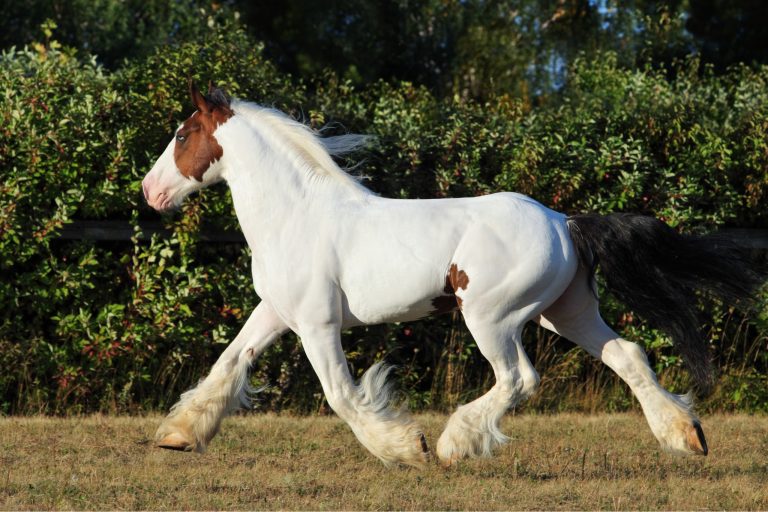
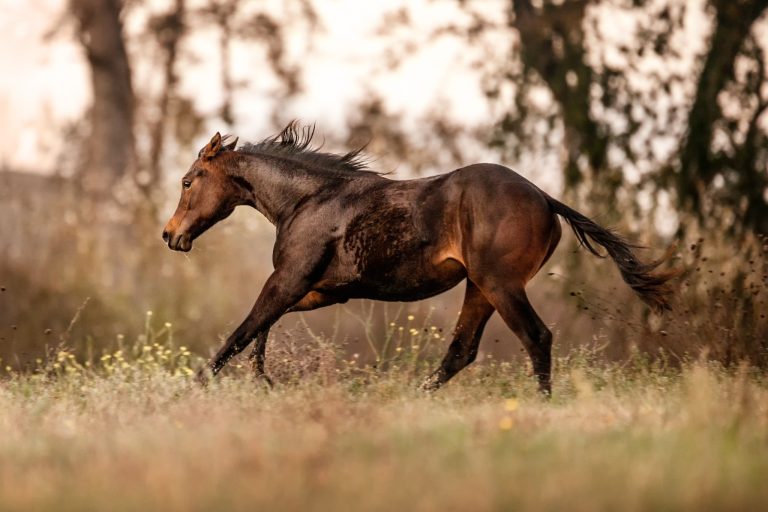
Foals raised in large, open pastures with daily free movement develop denser bones, stronger tendons, better coordination, and superior cardiovascular capacity compared to stall-reared foals.
Bone is a living tissue that adapts to mechanical load, meaning foals that move freely stimulate natural remodeling processes, creating the strong, resilient skeletal structures necessary for a future sporthorse.
Young horse turnout recommendations:
- Provide 8 to 12 hours per day of pasture access, with 24 hour turnout where climate permits.
- Ensure foals have companionship with other youngstock to foster natural herd dynamics, social skills, and psychological resilience.
- Allow rough play, running, bucking, and rolling—these are essential “training sessions” that develop agility, strength, and confidence.
Beyond physical health, social interaction during turnout improves trainability and stress tolerance as foals mature into adult sporthorses.
Free movement and play are not luxuries—they are non-negotiable elements of responsible foal management.
Developmental Orthopedic Disease Prevention Over Treatment
Developmental orthopedic disease (DOD)—which includes osteochondrosis (OCD), physitis, cervical vertebral stenotic myelopathy (CVSM), and flexural limb deformities—is one of the leading causes of failed pre-purchase exams and early veterinary interventions in warmblood foals.
Prevention is far more effective and cost-efficient than treatment. A proactive, multi-pronged approach includes:
1. Genetic Selection
Some bloodlines have a higher predisposition to OCD and other DOD conditions. Review the radiographic and performance histories of both sire and dam before breeding to reduce hereditary risk.
2. Controlled Growth Rate
Rapid growth spurts are a primary trigger for OCD lesions. Avoid sudden changes in diet, abrupt weaning stress, or transitions to rich pasture that can accelerate growth too quickly. Steady, measured growth is key to long-term musculoskeletal health.
3. Routine Radiographic Screening
Top breeding programs radiograph hocks, stifles, and fetlocks at 5–6 months of age. Early identification of OCD lesions allows for surgical or management interventions before the optimal healing window closes.
4. Early Farriery and Limb Assessment
Evaluate limb alignment from day one. Mild angular deviations often self-correct with controlled exercise and trimming. Severe deformities require prompt intervention while growth plates are still open—sometimes within weeks rather than months.
By combining genetics, nutrition, exercise, and veterinary oversight, breeders can dramatically reduce the incidence of DOD and give foals the healthiest start possible..
Vaccination, Deworming, and Veterinary Care Building Your Health Protocol
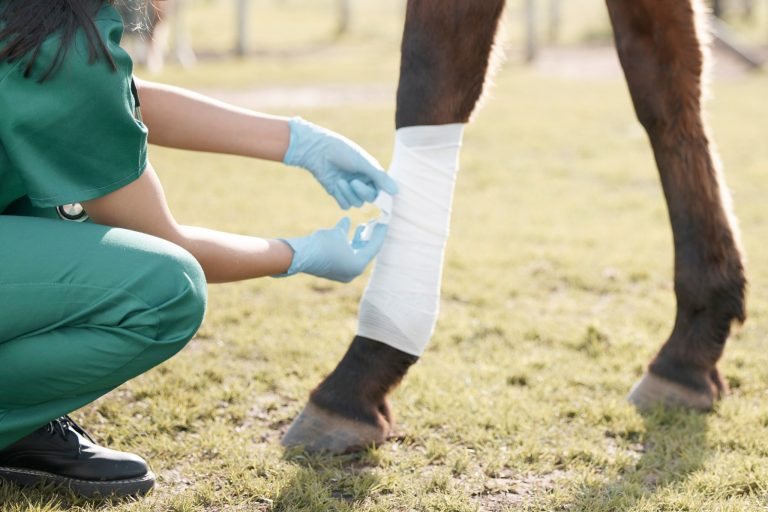
Foals deserve a comprehensive, proactive health program to maximize growth, soundness, and long-term performance. Collaborate with a veterinarian experienced in sport horse reproduction and foal care to develop a protocol tailored to your region, environment, and management system.
1. Vaccination
Foals typically begin their primary vaccination series at 4 to 6 months, timing carefully adjusted for maternal antibody interference. Core vaccines for sport horse foals include:
- Eastern and Western Equine Encephalomyelitis (EEE/WEE)
- West Nile Virus (WNV)
- Tetanus
- Rabies
Regional and risk-based vaccines such as rhinopneumonitis (EHV-1/EHV-4) and influenza are strongly recommended for foals destined for a show or competition career.
2. Parasite Management
Traditional calendar-based deworming is outdated. Conduct fecal egg counts (FECs) to enable targeted deworming, reduce resistance, and protect long-term anthelmintic efficacy. Foals are particularly susceptible to ascarid (Parascaris) infections, and many populations are now resistant to ivermectin, making fenbendazole or oxibendazole the preferred choice in young horses.
3. Dental Care
Early dental management is critical for comfort and proper growth. Schedule:
- First dental exam at weaning
- Follow-up at 12 months
Check for wolf teeth, sharp points, or retained caps, as these issues can affect feeding, behavior, and performance before formal training even begins.
A structured, preventive approach to vaccination, deworming, and dental care ensures your warmblood foal stays healthy, comfortable, and ready for the demands of elite sport.
Weaning Minimize Stress & Protect Gut Health
Weaning is one of the most physiologically and psychologically challenging milestones in a foal’s first year. If handled poorly, it can trigger a cortisol surge, suppress immunity, disrupt gut microbiota, and even contribute to gastric ulcer formation—issues that may only appear months later when the foal begins more intensive training.
Best Practices for Low-Stress Weaning:
1. Gradual Separation
Remove mares from groups one at a time rather than abruptly separating a single foal. Research shows this approach significantly reduces stress responses.
2. Group Weaning
Weaning foals in small groups with familiar companions promotes social stability and lowers behavioral distress.
3. Feed Readiness
Ensure foals are confidently consuming forage and hard feed prior to weaning.
4. Gastric Support
For high-risk foals or those showing early signs of discomfort, a short course of gastric protectants (e.g., omeprazole) can be used under veterinary guidance to reduce ulcer risk.
A thoughtful, research-backed weaning strategy not only protects physical health but also supports emotional resilience, setting the stage for a well-adjusted, trainable sporthorse.
Handling and Early Imprinting Training Your Future Athlete’s Mind
A foal’s temperament and trainability are influenced just as much by early, consistent human interaction as they are by genetics. Gentle, structured handling from day one sets the stage for a calm, cooperative sporthorse capable of performing at the highest levels.
Key Early Handling Milestones:
1. Halter Acceptance
Introduce the halter within the first week to acclimate the foal to light restraint.
2. Leading Skills
Foals should walk comfortably beside the mare by 2 to 3 weeks, learning to follow and respond to subtle cues.
3. Grooming and Examination
Encourage standing quietly for grooming, hoof picking, and veterinary checks by 2 months.
4. Trailer Familiarization
Introduce trailer loading calmly by 6 months, ensuring the foal associates transport with minimal stress.
5. Ground Manners Before Weaning
Establish basic respect and confidence before weaning to create a safe, trainable young horse.
Pro Tip: Avoid over-handling that creates pushy or disrespectful behavior. The goal is confident familiarity, not dependence—foals should trust humans while maintaining respect for personal space.
Monitoring Growth and Development What to Track
Experienced warmblood breeders treat foal growth with the same precision as performance data. Careful tracking allows early identification of developmental issues and ensures foals reach their potential safely.
Key Growth Metrics to Monitor:
1. Height at the Withers
Measure monthly during the first year to track skeletal growth and symmetry.
2. Body Weight
Use a weight tape for regular approximations, helping to prevent over or under feeding.
3. Body Condition Score (BCS)
Assess every 2 weeks to ensure foals maintain healthy musculature and fat coverage.
4. Limb Alignment Observations
Check at every farrier visit for angular deformities, uneven growth, or joint issues.
🚩 Red Flags: Abrupt growth changes, asymmetry, persistent joint heat, or reluctance to bear weight all warrant immediate veterinary evaluation.
Catching issues early is the defining factor that separates breeding operations producing sound, competitive warmbloods from those struggling with injury and attrition.
The Long Game Thinking in Years, Not Months
Foals that grow steadily, move freely, receive balanced nutrition, and are handled thoughtfully are almost always the ones standing sound and competitive in the ring at 10, 12, and even 15 years of age.
Resist the pressure to push development—whether through nutritional “hot-housing,” early forced exercise, or premature training. The most successful sport horse programs aren’t defined by how impressive their foals look at 6 months, but by how many remain sound, confident, and competing at the top levels a decade later.
Invest in your horse’s foundation. The results will speak for themselves.
For guidance specific to your breeding program, always work closely with a veterinarian experienced in sport horse reproduction and an equine nutritionist familiar with warmblood growth patterns. Regional factors — forage quality, climate, disease pressure — significantly influence best practices and no single protocol fits every operation.