Dutch Warmblood Horse Breed Guide The Horse That Dominates the Olympic Arena
Discover the Dutch Warmblood (KWPN) — a champion sport horse bred for dressage, show jumping, and eventing. Learn about its history, temperament, care, and why it dominates the equestrian world.
- What Is a Dutch Warmblood?
- A Brief History of the Dutch Warmblood
- Physical Characteristics
- Temperament and Personality
- Disciplines and Uses
- KWPN Breeding Standards and Approval Process
- Buying a Dutch Warmblood: What to Know
- Caring for a Dutch Warmblood
- Common Health Considerations
- Dutch Warmblood vs. Other Warmblood Breeds
- Is a Dutch Warmblood Right for You?
- A Breed Built for Excellence
If you’ve watched elite dressage or Olympic show jumping, chances are you’ve seen a Dutch Warmblood in action. Renowned for their athleticism and refined presence, these horses have come to define the modern sport horse—balancing power, trainability, and expressive movement with remarkable consistency.
More than simply a breed, the Dutch Warmblood represents a carefully cultivated athletic lineage. Whether you are an experienced equestrian evaluating a future competition partner or a newcomer exploring the landscape of horse breeds, this guide offers a comprehensive look at the Dutch Warmblood—from its origins in the Netherlands to the nuances of its daily care and management.
What Is a Dutch Warmblood?
The Dutch Warmblood, formally registered under the Koninklijk Warmbloed Paardenstamboek Nederland (KWPN)—or Royal Dutch Warmblood Studbook—is a sport horse developed in the Netherlands. It is not a fixed breed in the traditional sense, but a carefully managed population, selectively bred to meet exacting performance standards.
The term “warmblood” refers to a category of horse positioned between the heavy, cold-blooded draft breeds and the more reactive hot-blooded types such as Thoroughbreds and Arabians. Warmbloods are bred specifically for sport, combining athleticism with a more balanced, tractable temperament.
The KWPN studbook remains one of the most respected and influential registries in the world, and Dutch Warmbloods consistently rank among the leading performers in international dressage and show jumping.
Born to Win Gold
A Brief History of the Dutch Warmblood
The Making of a
Champion Breed
– 1940s
Origins in Dutch Agriculture
The story of the Dutch Warmblood begins in the Netherlands in the late 19th and early 20th centuries. Dutch farmers relied heavily on two regional horse types: the Groningen, a sturdy, heavy-bodied horse used for farm work, and the Gelderlander, a lighter, more elegant carriage horse known for its high-stepping action and good temperament.
As mechanized farming replaced horse-drawn agriculture after World War II, Dutch breeders faced a pivotal question: what purpose would the Dutch horse now serve? The answer was sport.
The Birth of the KWPN
In 1969, the Royal Dutch Warmblood Studbook (KWPN) was formally established, merging the Groningen and Gelderlander studbooks under a unified breeding program focused on producing world-class sport horses.
Breeders introduced strategic crosses with Thoroughbreds, Hanoverians, Holsteiners, and Trakehners to add refinement, scope, and modern sport horse qualities. The result was a horse that could compete — and win — at the highest levels of equestrian sport.
– Today
Rise to Global Dominance
By the 1980s and 1990s, Dutch Warmbloods were making their mark on the international stage. Legendary horses like Ahoy and Valegro — the latter widely considered the greatest dressage horse of all time — cemented the breed’s reputation.
Today, KWPN-registered horses appear at virtually every major international equestrian competition worldwide.
Physical Characteristics
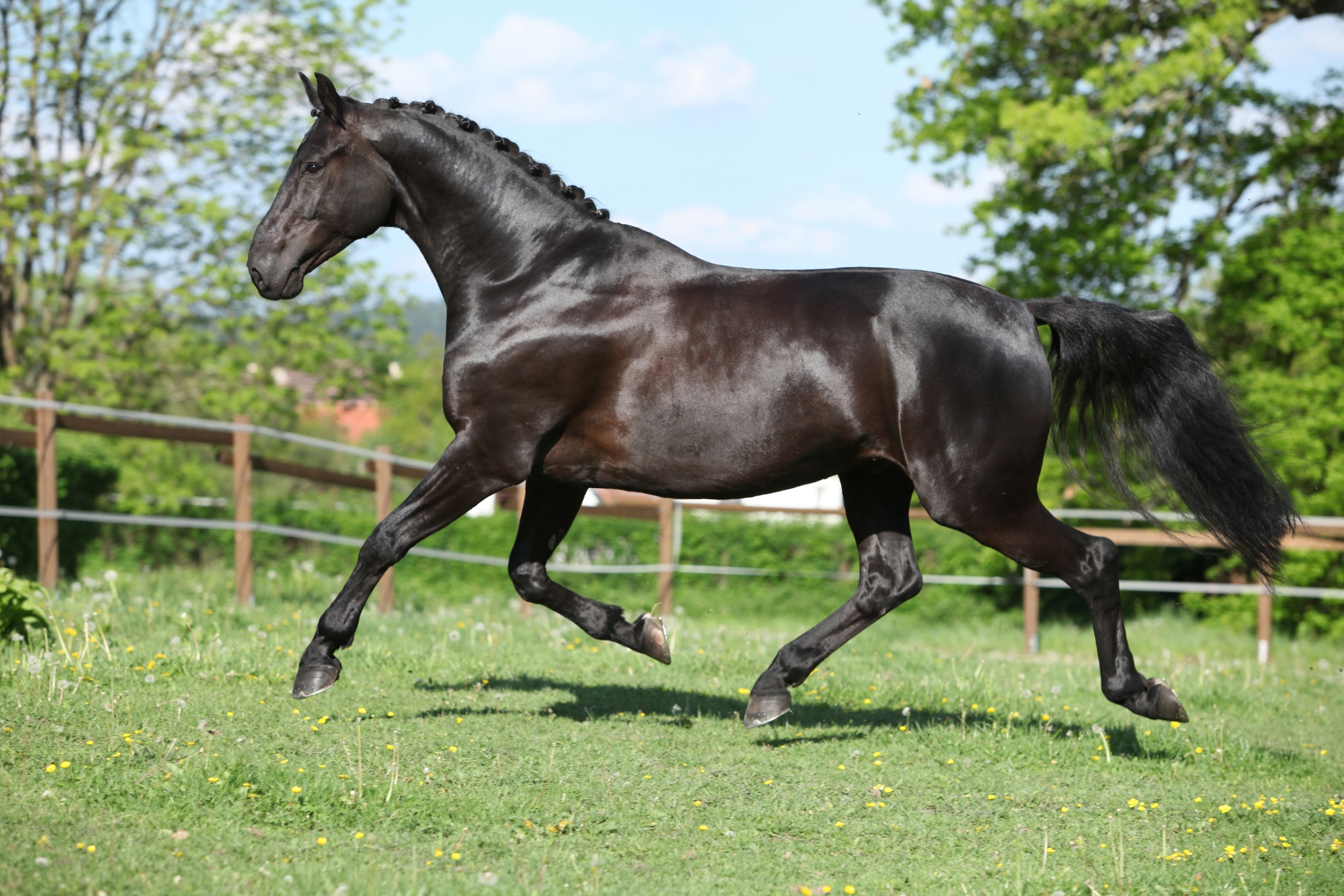
Dutch Warmbloods typically stand 16 to 17 hands (64–68 inches / 163–173 cm) tall, with some individuals reaching 17.2 hands. Their physique is distinctly athletic, striking a careful balance between power and refinement—never overly heavy, yet never lacking substance.
Key physical traits include:
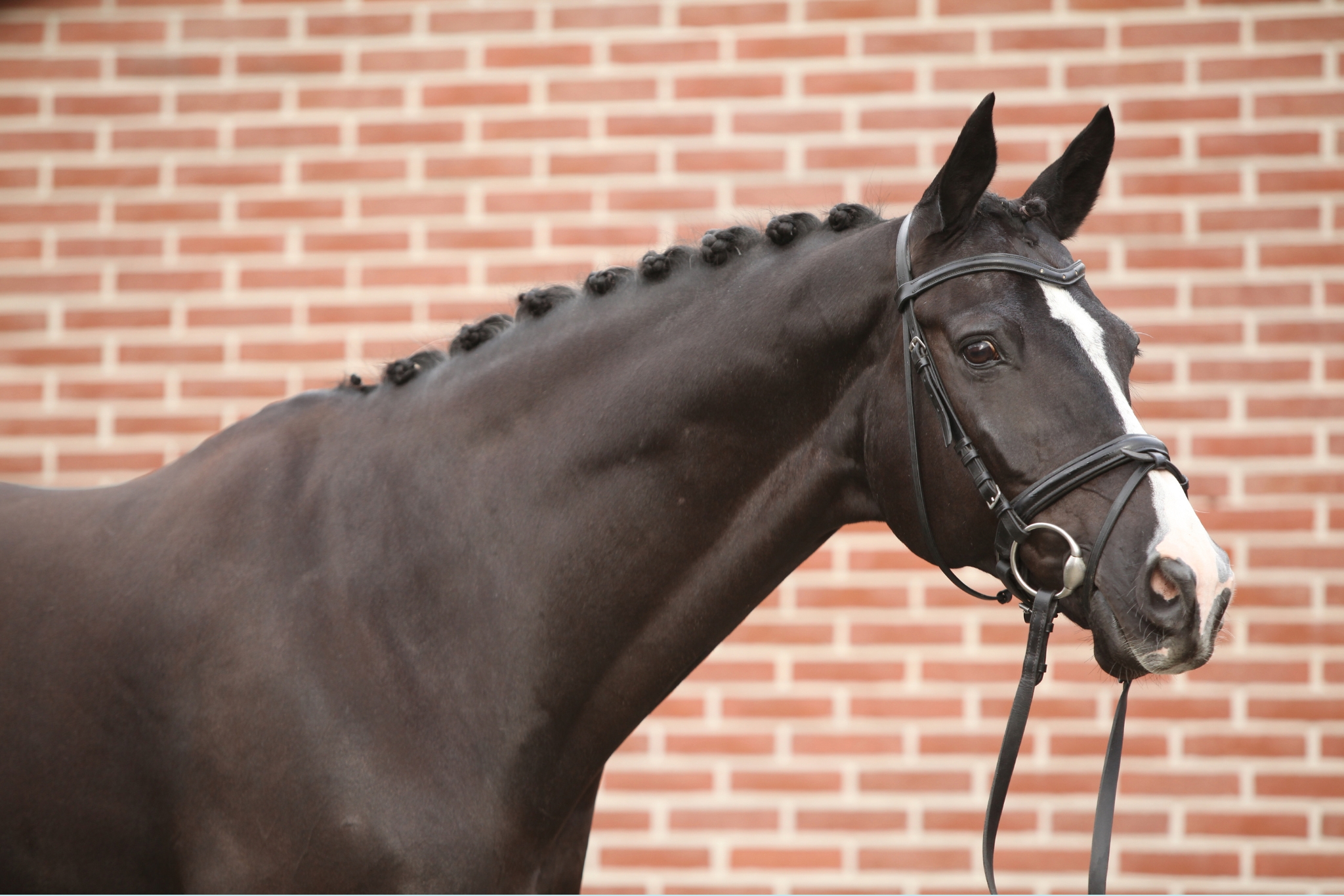
- A refined, expressive head with large, attentive eyes and well-set ears
- A well-arched, muscular neck that flows seamlessly into the shoulder
- A deep, broad chest, allowing for strong respiratory capacity
- A short, well-supported back with properly sprung ribs
- Powerful hindquarters, essential for impulsion and collection
- Strong, correctly aligned limbs with substantial bone
- Durable, well-formed hooves suited to the demands of sport
Coat Colors
Dutch Warmbloods appear in a wide range of colors, most commonly bay, chestnut, gray, black, and brown. Pinto and roan patterns do occur, though less frequently. The KWPN places no emphasis on color—selection is guided instead by performance, conformation, and overall quality.
Movement: The Defining Feature
What truly distinguishes the Dutch Warmblood is the quality of its movement. Breeding programs have prioritized the mechanics of the gaits, resulting in horses that demonstrate both elegance and functional excellence:
- A ground-covering, rhythmic walk with a clear four-beat cadence
- A powerful, elastic trot with natural suspension and expression
- A balanced, uphill canter with inherent capacity for collection
These gaits are not merely aesthetically pleasing—they are purposefully designed to meet the technical demands of high-level dressage and jumping, where efficiency, balance, and elasticity are paramount.
Temperament and Personality
One of the most defining—and often underestimated—aspects of the Dutch Warmblood is its temperament. The KWPN has long placed equal emphasis on mental suitability and physical ability, resulting in horses that are as thoughtful as they are athletic.
- Willing and trainable – They are notably willing and trainable, with a cooperative disposition and a clear inclination to work with their rider.
- Intelligent – Their intelligence allows them to learn quickly—an advantage in skilled hands, though one that benefits from consistent, considered training.
- Sensitive but not hot – They are sensitive without being volatile, responsive to subtle aids yet generally steady in their reactions.
- Brave and scopey – In jumping disciplines, they are also valued for their bravery and scope, approaching technical efforts with confidence.
This balance of qualities makes Dutch Warmbloods well suited to both serious amateurs and seasoned professionals. They are not, however, typically ideal for beginners, as their sensitivity and athleticism call for a confident, experienced rider. In the right partnership, they become exceptionally rewarding horses.
Disciplines and Uses
Dressage
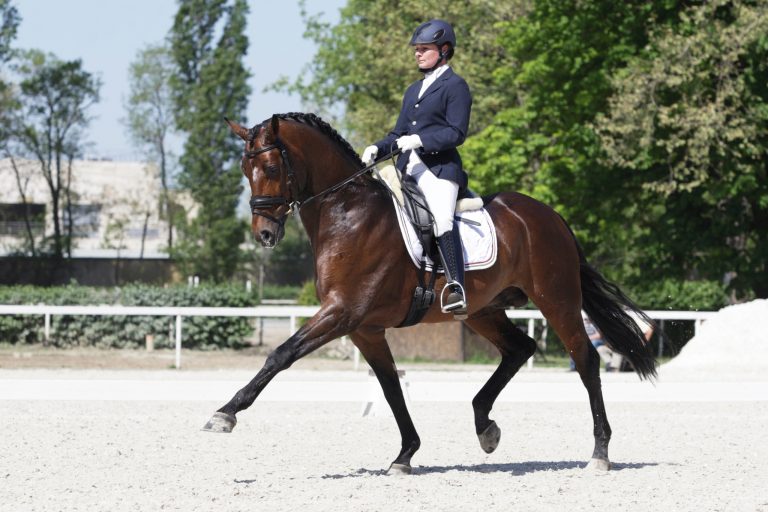
This is where Dutch Warmbloods have achieved their greatest fame. The breed’s natural collection, expressive gaits, and trainability make it ideally suited to the demands of Grand Prix dressage. One notable example, Valegro, ridden by Charlotte Dujardin, broke multiple world records and won back-to-back Olympic gold medals, making the Dutch Warmblood synonymous with dressage excellence at the highest level.
Show Jumping
The KWPN maintains a dedicated jumping bloodline within the studbook, producing horses specifically bred for power, scope, and careful technique over fences. Dutch Warmblood show jumpers compete successfully at Grands Prix and Nations Cup level around the world. Stallions like Numero Uno and Heartbreaker have been hugely influential in producing top jumping offspring.
Eventing
While less dominant in eventing than in dressage or jumping, Dutch Warmbloods are increasingly competitive in the sport, particularly at the lower and mid-levels where their athleticism and trainability shine.
Breeding
Given the KWPN’s global prestige, approved Dutch Warmblood stallions are highly sought-after for breeding programs worldwide. Their genetics have influenced nearly every major warmblood studbook on the planet.
KWPN Breeding Standards and Approval Process
The KWPN is renowned for its rigorous and transparent selection process, which is a key reason for the breed’s consistent quality. Here’s how it works:
Mare Inspections
Mares are presented at regional inspections where they are evaluated on conformation, movement, and type. Those meeting the standard receive an official KWPN brand and are eligible for registration.
Stallion Approvals
The approval process for stallions is famously demanding and occurs in stages:
1. Pre-selection – young stallions are assessed for basic quality and type
2. The KWPN Stallion Performance Test – approved candidates undergo an intensive performance evaluation covering rideability, movement, and jumping ability
3. Central Inspection – the final and most scrutinized stage, where only a small number of stallions gain full KWPN approval each year
This stringent process ensures that only horses with exceptional talent, correct conformation, and suitable temperament contribute to the gene pool.
Foal Registration
Foals born from KWPN registered parents can be registered in the studbook. They receive an assessment at foal inspections, and those meeting the standard can receive the distinctive KWPN brand on the left hindquarter.
Buying a Dutch Warmblood What to Know
Dutch Warmbloods vary enormously in price depending on age, training, bloodlines, and competition record:
- Unstarted youngsters (1 to 3 years): $5,000 to $30,000+
- Started young horses (3 to 5 years): $15,000 to $80,000+
- Competition proven horses: $50,000 to $500,000+
- Top Grand Prix horses: Can exceed $1 million
What to Look For
When evaluating a Dutch Warmblood purchase, prioritize:
- A pre-purchase veterinary examination – this is non-negotiable for any horse at this price point
- Clean X-rays, especially of hocks, stifles, and feet
- Movement evaluated both in hand and under saddle
- Temperament assessment – spend time handling the horse in the stable and on the ground
- Verified KWPN registration papers
- Competition history, if applicable
Caring for a Dutch Warmblood
These are large, athletic horses with correspondingly high nutritional needs. A well-balanced diet typically includes:
- High-quality grass hay or haylage as the dietary foundation
- Concentrated feed formulated for sport horses, adjusted to workload
- Forage-first feeding – the gut health of warmbloods is best supported by ad-lib or frequent forage access
- Electrolyte supplementation during heavy work or hot weather
- Joint and hoof supplements, especially for competition horses
Work with an equine nutritionist or your veterinarian to develop a diet tailored to your horse’s age, workload, and condition score.
Exercise and Training
Dutch Warmbloods thrive on consistent, structured work. A typical competition horse benefits from:
- 4 to 5 days of ridden work per week, varying between flatwork, schooling, hacking, and pole or jump work
- Daily turnout – this is essential for physical and mental wellbeing
- Progressive training that respects the horse’s physical development, particularly in young horses
The breed’s athleticism can be a double-edged sword—these horses need sufficient exercise to stay mentally settled, but overtraining young horses risks long-term soundness issues.
Farrier and Hoof Care
With the workload Dutch Warmbloods typically carry, regular farriery is essential. Most sport horses are shod and require trimming and shoeing every 6 to 8 weeks. Work with a farrier experienced in sport horses, particularly if your horse competes.
Veterinary and Dental Care
Routine healthcare for a Dutch Warmblood should include:
- Annual vaccinations (schedules vary by region and discipline)
- Bi-annual dental floating
- Regular deworming based on fecal egg counts
- Hock injections and other joint maintenance as required for competition horses
- Annual veterinary wellness checks
Stabling and Turnout
Dutch Warmbloods are typically stabled in loose boxes of at least 12×12 feet, though larger is more preferable for a horse of this size. Daily turnout in a safe paddock is strongly recommended—horses that stand in stalls 24 hours a day are prone to stable vices and musculoskeletal stiffness.
Common Health Considerations
Like all sport horse breeds, Dutch Warmbloods are prone to certain health issues, particularly those associated with athletic use:
- Osteochondrosis (OCD) – A developmental joint condition that can appear in young horses; genetic predisposition means it’s worth checking X-rays at purchase
- Kissing spines – Impingement of dorsal spinous processes, relatively common in sport horses and manageable with appropriate veterinary intervention
- Hock and stifle arthritis – A consequence of the high-impact work these horses perform; regular maintenance and appropriate footing help minimize risk
- Gastric ulcers – Highly prevalent in competition horses; management includes appropriate feeding schedules, reduced stress, and veterinary treatment when needed
- Laminitis – Less common than in native ponies but a risk in overweight individuals; manage with appropriate diet and monitoring
Early detection and proactive veterinary management are key to keeping a Dutch Warmblood sound and competitive for a long career.
Dutch Warmblood vs. Other Warmblood Breeds
How the KWPN
Stands Apart
| Feature | Dutch Warmblood KWPN Featured | Hanoverian Germany | Oldenburg Germany |
|---|---|---|---|
| Primary Use | Dressage & Jumping | Dressage & Jumping | All-around sport |
| Temperament | Sensitive, willing | Calm, steady | Powerful, expressive |
| Movement | Highly expressive | Ground-covering | Extravagant |
| Registry Strictness | Very High | High | High |
| Olympic Presence | Exceptionally Strong | Very Strong | Strong |
Each warmblood studbook has its own strengths and breeding philosophy. The KWPN stands out for its exceptionally rigorous selection system and its proven track record in producing Olympic-level athletes.
Is a Dutch Warmblood Right for You?
The Dutch Warmblood is an exceptional horse, but it is not the right choice for everyone. Consider a Dutch Warmblood if:
- You are an experienced rider with ambitions to compete at a mid-to-high level in dressage or jumping
- You have the budget not just to purchase but to maintain a sport horse properly (boarding, farriery, veterinary care, and training are significant ongoing costs)
- You want a horse capable of growing with you as your skills develop
- You value a horse that is both athletically talented and a genuine partner in the stable
Prospective owners should consider carefully before purchasing if they are beginner riders, lack consistent access to quality coaching, or are primarily seeking a relaxed trail companion—there are breeds better suited to those needs.
A Breed Built for Excellence
The Dutch Warmblood represents the gold standard of modern sport horse breeding. Through decades of disciplined, science-informed selection, the KWPN has produced a horse that is not only a consistent winner in the world’s most prestigious arenas but also a willing, trainable, and beautiful partner for the dedicated equestrian.
Whether you are watching Valegro’s iconic Grand Prix freestyle for the hundredth time or considering your first warmblood purchase, there is no denying that the Dutch Warmblood occupies a uniquely important place in the equestrian world—one that is unlikely to change anytime soon.