Are Cheetahs Endangered? Why the World’s Fastest Cat Is In Danger
Are cheetahs really endangered? With fewer than 7,000 remaining in the wild, the world’s fastest land animal faces an uncertain future. Discover the major threats cheetahs face — and the conservation efforts working to protect them.
- The Quick Answer: Cheetahs Are Vulnerable… and the Situation Is Serious
- Different Populations, Different Statuses
- Why Are Cheetahs in Trouble?
- The Numbers Don’t Lie
- What Makes Cheetahs So Special?
- Conservation Efforts Making a Difference
- What Can You Do to Help?
- The Bottom Line: There’s Still Hope (But We Need to Act Now)
Hello, wildlife enthusiasts! If you’ve ever marveled at the speed and elegance of cheetahs, you might be wondering about their conservation status – and what we can do to help these incredible animals survive.
About Cheetahs —
& How We Can Help
Cheetahs Are Vulnerable… and the Situation Is Serious
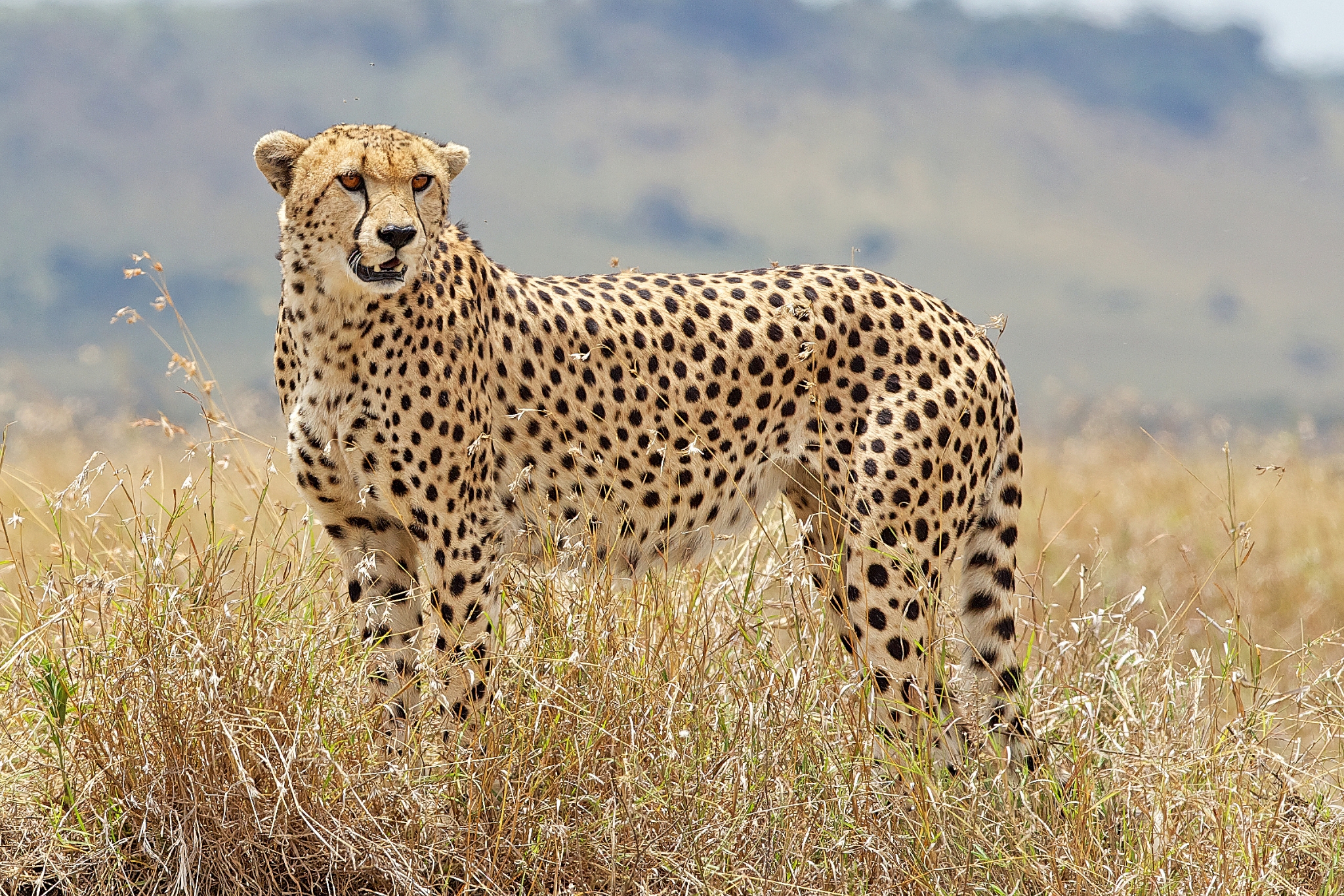
Here’s the deal: cheetahs are currently classified as Vulnerable on the IUCN Red List of Threatened Species, with fewer than 7,000 individuals remaining in the wild.
While “Vulnerable” might sound better than “Endangered,” it’s definitely not a status we should take lightly. These incredible animals are facing some pretty significant challenges, and their numbers have been declining at an alarming rate.
To put this in perspective, at the turn of the 19th century, more than 100,000 cheetahs lived across Africa, the Middle East, and Asia. Today’s population represents a decline of roughly 50% over just the past four decades. That’s a serious drop!
Different Populations, Different Statuses Africa vs. Asia
Not all cheetah populations are facing the same level of threat. The conservation status actually varies quite a bit depending on where these amazing cats live:

The majority of cheetahs live in Africa, particularly in eastern and southern regions. While southern Africa serves as the cheetah’s regional stronghold, populations in North and West Africa are considered Critically Endangered. The two main strongholds are Kenya and Tanzania in East Africa, and Namibia and Botswana in southern Africa.
African range
The Asiatic cheetah now survives only in Iran, with population estimates hovering around just 12 individuals left in the wild. This subspecies once ranged from the Arabian Peninsula all the way to India — a range that has been reduced to almost nothing within a single lifetime.
Iran only
Why Are Cheetahs in Trouble?
Several interconnected factors are pushing cheetahs toward the brink:

Due to human settlement and agricultural expansion, cheetah habitat is now just 10% of what it used to be. Cheetahs need extensive territories to thrive, and as their habitat shrinks, so do their chances of survival.
When wild prey is scarce, cheetahs may resort to preying on domestic animals, leading to retaliatory killings by farmers. Conservation must work hand-in-hand with local communities.
It’s not just about having space — cheetahs also need something to eat. Bushmeat hunting of their prey species significantly impacts cheetah populations across their range.
Demand for cheetah cubs as exotic pets — particularly in the Middle East — has created a devastating illegal trade that hits North Africa and the Horn of Africa hardest.
Cheetahs have incredibly low genetic diversity due to historical population bottlenecks — making them less adaptable to environmental changes and contributing to lower reproductive success.
Two-thirds of cheetahs live outside protected zones. Because they need room to roam, they come into closer contact with human activity — dramatically increasing their vulnerability.
The Numbers Don’t Lie The Sad Reality
Let’s talk specifics, because understanding the scale of the problem is super important:
These figures point to a species in clear decline, and many conservation experts now argue that the cheetah’s status should be elevated from Vulnerable to Endangered in response to these troubling trends.
What Makes Cheetahs So Special? Why We Love Cheetahs
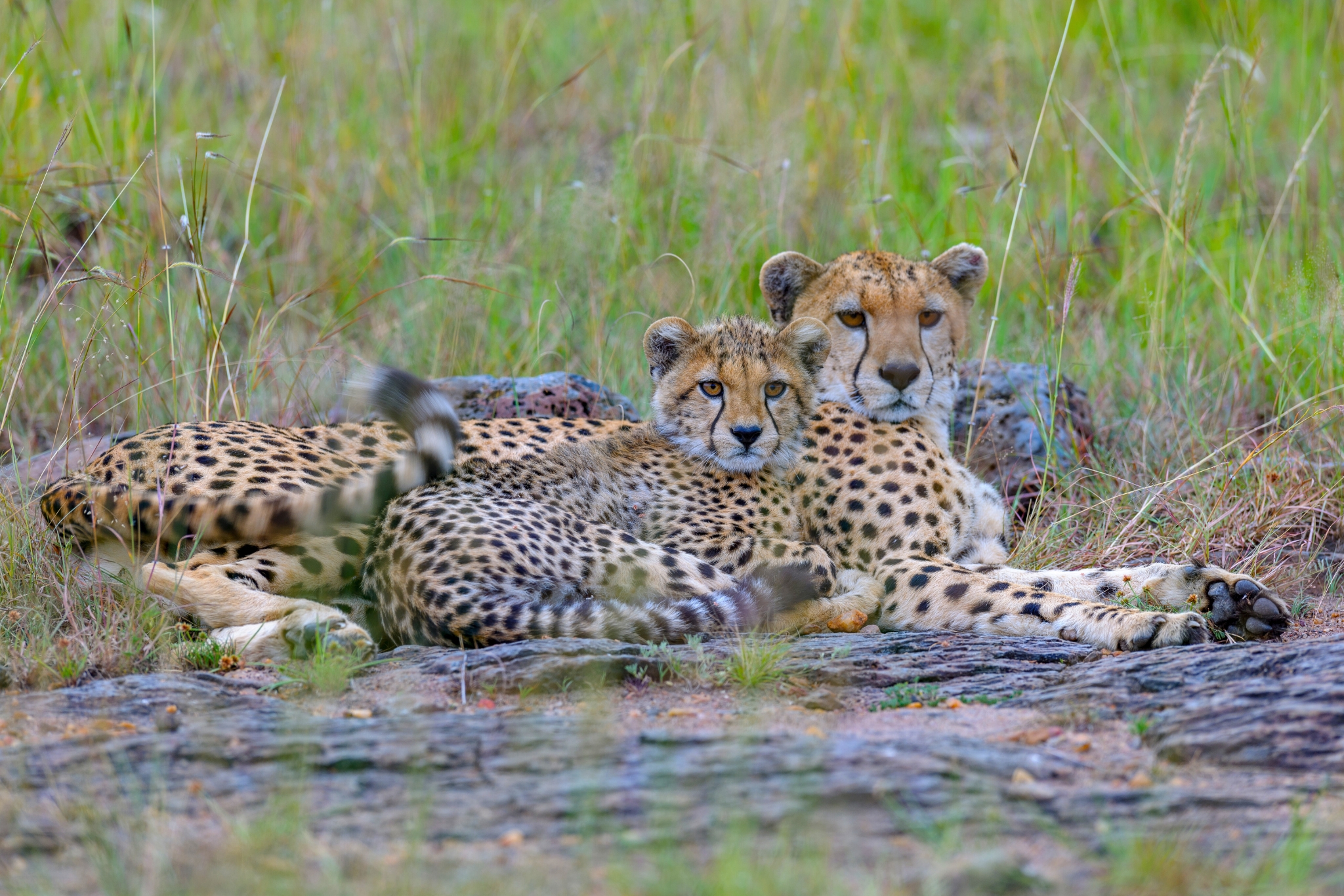
Beyond being absolutely stunning to look at, cheetahs play a crucial role in their ecosystems. As a keystone species, cheetahs help sustain productive ecosystems by regulating the food chain and maintaining healthy herbivore populations.
They’re also pretty unique among big cats – they can’t roar, but they chirp, purr, and make other adorable vocalizations!
And of course, there’s their incredible speed. Cheetahs can reach speeds of 60 to 70 miles per hour and accelerate from 0 to 60 mph in just three seconds. That’s faster than most sports cars!
Conservation Efforts Making a Difference
Despite the constant threats cheetahs face, there’s still some good news – passionate conservationists around the world are working incredibly hard to save cheetahs, and they’re making real progress!

Over 130 experts gathered in Addis Ababa, Ethiopia, producing the landmark Addis Ababa Declaration for Global Cheetah Conservation — a unified commitment to international collaboration and enhanced conservation efforts.
The Cheetah Conservation Fund trained 1,321 farmers across 39 villages in predator-friendly practices — tackling the root causes of human-wildlife conflict head-on.
780 dogs placed with farming families to protect livestock without harming cheetahs. A genuine win-win that reduces retaliatory killings across the range.
In 2024, the Cheetah Conservation Fund rewilded 10 cheetahs in Namibia — part of strategic, science-led efforts to restore populations to their natural range.
Conservation teams are processing hundreds of tons of wood chips from overgrown thornbush, actively restoring critical cheetah habitat in Namibia and beyond.
Expanding camera trap surveys, genetic research, and population monitoring across cheetah range countries — building the evidence base needed to protect these cats.
What Can You Do to Help? Get Involved
Feeling inspired to make a difference? Here are some ways you can contribute to cheetah conservation:
Groups like the Cheetah Conservation Fund and Panthera are doing remarkable work on the ground every single day. Your support — whether financial or through awareness — directly funds field conservation.
Share what you’ve learned with friends and family. Education is one of the most powerful tools in conservation — and it costs nothing.
If you visit cheetah habitats, choose eco-tourism operators that actively support conservation efforts and genuinely respect wildlife.
Never support keeping cheetahs as pets, and educate others about the devastating harm the illegal wildlife trade causes to wild populations.
Follow and share content from reputable conservation organisations. Social media reach translates directly into awareness, funding, and policy pressure.
Mark your calendar every December 4th — a global moment to learn, share, and participate in conservation events that make a real difference.
There’s Still Hope (But We Need to Act Now)
So, are cheetahs endangered? While they are currently classified as Vulnerable, the reality is that these remarkable animals face serious challenges. With populations declining and some subspecies already considered Critically Endangered, conservationists view this as a pivotal moment for the species.
Still, there is reason for hope. Researchers and conservation groups around the world are actively working on solutions – from community based conservation and habitat protection to advanced scientific research aimed at stabilizing wild populations.
The cheetah’s future will depend on sustained conservation efforts, international cooperation, and continued public support. These extraordinary spotted sprinters have roamed the planet for thousands of years, and with the right actions today, they can remain part of our world for generations to come.