50+ Incredible Wildlife Species You Can Spot in Tennessee (And Where to Find Them)
Discover Tennessee’s wildlife! From black bears and otters, to salamanders and bald eagles! Complete guide to 50+ species, best viewing locations in the Smokies & beyond, plus seasonal tips.
- Why Tennessee Is a Wildlife Hotspot
- Mammals You’ll Encounter in Tennessee
- Birds of Tennessee: A Paradise for Birdwatchers
- Reptiles and Amphibians
- Aquatic Life in Tennessee
- Top Spots for Wildlife Watching in Tennessee
- Seasonal Wildlife Watching Tips
- Wildlife Watching Ethics
- Final Thoughts on Tennessee Wildlife
Whether you’re planning a visit to Tennessee or lucky enough to call it home, wildlife enthusiasts are in for a real treat.
From the misty summits of the Great Smoky Mountains to the vast wetlands along the Mississippi River, Tennessee is a paradise for anyone who loves observing animals in their natural habitats.
Let’s explore everything you need to know about the incredible creatures that make the Volunteer State their home.
Why Tennessee Is a Wildlife Hotspot
Tennessee’s rich biodiversity comes from its unique location and diverse landscapes. The state spans three distinct geographic regions:
- Eastern Tennessee: Appalachian Mountains
- Middle Tennessee: Central Basin and Highland Rim
- Western Tennessee: Gulf Coastal Plain
This means you get everything from mountain forests to river valleys to hardwood bottoms, and each ecosystem supports its own fascinating community of animals.
Mammals You’ll Encounter in Tennessee
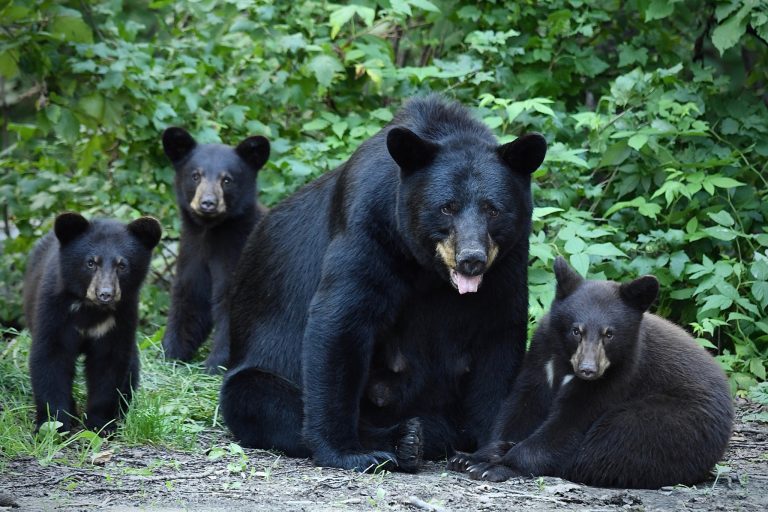
Black Bears
The Great Smoky Mountains host one of the densest black bear populations in the eastern USA. These majestic mammals are most active in spring and summer, making sightings relatively common for visitors. Adult black bears in Tennessee usually weigh between 200 to 400 pounds, with some large males exceeding that. Remember to always keep a safe distance of at least 150 feet and never feed them!
White-Tailed Deer
White-tailed deer are everywhere in Tennessee and are the state’s most common large mammal. Whether you’re driving through the countryside at dawn or hiking through state parks, these graceful animals are often spotted grazing in fields or bounding through forests. During fall, you might even catch sight of bucks sporting their impressive antlers during mating season.
Coyotes
Eastern coyotes have become increasingly common throughout Tennessee over the past few decades. These adaptable predators thrive in both rural and suburban areas. While generally shy around humans, you may hear their distinctive howls at dusk or dawn. Coyotes play a key role in controlling rodent populations.
River Otters
River otters are playful and fun to watch, especially in rivers, lakes, and streams across Tennessee. Thanks to successful reintroduction efforts in the 1990s, their numbers have rebounded. Early morning or evening is the best time to see them sliding down muddy banks or hunting for fish.
Bobcats
Bobcats are elusive forest dwellers in Tennessee. These medium sized wildcats are most active at night, but lucky hikers occasionally spot them during twilight hours. With their spotted coats and distinctive tufted ears, they’re absolutely stunning animals and striking to observe.
Armadillos
Yes, armadillos! These armor plated mammals have expanded into southern and central Tennessee. Primarily nocturnal, they root through leaf litter at night in search of insects, making them a unique and unexpected sight for wildlife watchers.
Birds of Tennessee: A Paradise for Birdwatchers
With over 400 bird species spotted throughout the year, Tennessee is a top destination for anyone who loves birding.
Wild Turkeys
Wild turkeys are found all across Tennessee! Once nearly extinct by the early 1900s, conservation efforts have brought their numbers back. In spring, males put on an impressive display of tail feathers while strutting through forests and fields.
Bald Eagles
Few sights are as majestic as a bald eagle soaring overhead. Tennessee’s bald eagle population has grown, especially around rivers and large reservoirs. Winter is prime viewing season, when migrating northern eagles join the resident population. Reelfoot Lake in northwest Tennessee is a renowned hotspot for winter eagle watching.
Great Blue Herons
These tall elegant waders are common along Tennessee’s waterways. Standing up to four feet tall, great blue herons patiently hunt fish in shallow water, making them a striking sight for nature lovers.
Ruby-Throated Hummingbirds
During spring and summer, these tiny jewels are common backyard visitors throughout Tennessee. Male ruby-throats flaunt a vivid red throat patch, and watching them hover at feeders is a simple delight.
Wood Ducks
Considered one of the most beautiful waterfowl in North America, wood ducks nest in tree cavities near water. The males have stunning multicolored plumage that looks almost too vibrant to be real.
Songbirds Galore
Tennessee’s state bird, the Northern Mockingbird, is just the beginning. Cardinals, bluebirds, warblers, thrushes, and dozens of other songbirds can be seen depending on the season. Spring migration is especially spectacular for birdwatchers seeking a variety of species.
Reptiles and Amphibians
Snakes
Tennessee is home to 35 snake species, but only four are venomous: the copperhead, cottonmouth (water moccasin), timber rattlesnake, and pygmy rattlesnake. Most snakes you’re likely to encounter are harmless, including garter snakes, rat snakes, and the striking corn snake. Beyond their beauty, these non-venomous snakes play a key role in controlling pests.
Turtles
From tiny mud turtles to impressive snapping turtles, Tennessee’s waterways and forests are home to numerous turtle species. The eastern box turtle is commonly found in woodlands, while painted turtles can often be seen basking on logs in ponds and lakes.
Salamanders
The Great Smoky Mountains are famously called the “Salamander Capital of the World,” boasting over 30 species. These fascinating amphibians thrive in cool moist mountain forests. Tennessee is also home to the hellbender, a massive aquatic salamander that can grow up to two feet long and inhabits clean fast flowing rivers.
Frogs and Toads
Spring evenings in Tennessee are alive with the calls of frogs and toads. From tiny spring peepers to large bullfrogs, the state supports a rich variety of these amphibians, making their songs a quintessential part of Tennessee’s natural soundtrack.
Aquatic Life in Tennessee
Freshwater Fish
Tennessee’s rivers and lakes are bursting with fish species, making it a paradise for anglers. The state is famous for bass fishing (both largemouth and smallmouth) as well as crappie, catfish, and trout in its mountain streams. For a closer look at the state’s aquatic diversity, the Tennessee Aquarium in Chattanooga offers an excellent showcase of local freshwater species.
Freshwater Mussels
Tennessee is a global hotspot for freshwater mussel diversity, hosting an impressive variety in its rivers. While not as flashy as fish, these filter feeders are essential for keeping waterways clean and supporting healthy aquatic ecosystems.
Top Spots for Wildlife Watching in Tennessee
🦎 Great Smoky Mountains National Park
The Smokies are Tennessee’s premier wildlife destination. Home to over 65 mammal species, 200 bird species, and an incredible variety of salamanders, visitors could spend weeks exploring and still find new wildlife around every turn.
🦅 Reelfoot Lake State Park
Formed by the 1811–1812 earthquakes, Reelfoot Lake is a birdwatcher’s dream. Winter draws impressive concentrations of bald eagles, while summer is ideal for spotting wading birds and other waterfowl.
🐻 Cherokee National Forest
This expansive forest in eastern Tennessee offers prime habitat for black bears, white-tailed deer, wild turkeys, and countless other species, making it a must visit for nature lovers.
🦉 Radnor Lake State Park
Located just minutes from downtown Nashville, Radnor Lake is an urban wildlife oasis. Visitors can observe deer, owls, herons, and seasonal waterfowl in a peaceful natural setting.
🦦 Tennessee National Wildlife Refuge
Stretching along the Tennessee River, this refuge preserves critical habitat for migratory waterfowl and resident wildlife, offering excellent opportunities for birding and nature observation.
Seasonal Wildlife Watching Tips
- Spring: Witness migrating songbirds, active amphibians, and newborn animals. Spring is prime birdwatching season!
- Summer: Ideal for spotting butterflies, dragonflies, and other insects, along with active mammals and reptiles.
- Fall: Enjoy colorful foliage as a backdrop while observing deer during mating season and catching fall bird migrations.
- Winter: Perfect for eagle watching, and with trees bare, it’s often easier to spot birds and mammals.
Wildlife Watching Ethics
It’s important to always observe wildlife responsibly:
- Maintain a safe distance from animals
- Never feed wild animals
- Stay on designated trails
- Use binoculars or zoom lenses for close-up views
- Leave no trace of your visit
- Be extra careful not to disturb nests or dens during breeding seasons
Respecting these guidelines helps protect both wildlife and their habitats while ensuring a safe and enjoyable experience.
Final Thoughts on Tennessee Wildlife
For a state its size, Tennessee boasts remarkable wildlife diversity. From majestic mammals and tiny songbirds to vibrant butterflies and intriguing reptiles, there’s something here for every nature enthusiast.
So, grab your binoculars, bring your field guides, and get ready to explore the wild side of the Volunteer State… you never know what amazing creatures you’ll encounter!
Happy wildlife watching, y’all!