Ball Python Stuck Shed How to Help Your Snake Safely Complete Its Shedding
Discover the causes of stuck shed in ball pythons, how to remove it safely at home, and expert tips to prevent dysecdysis from happening again.
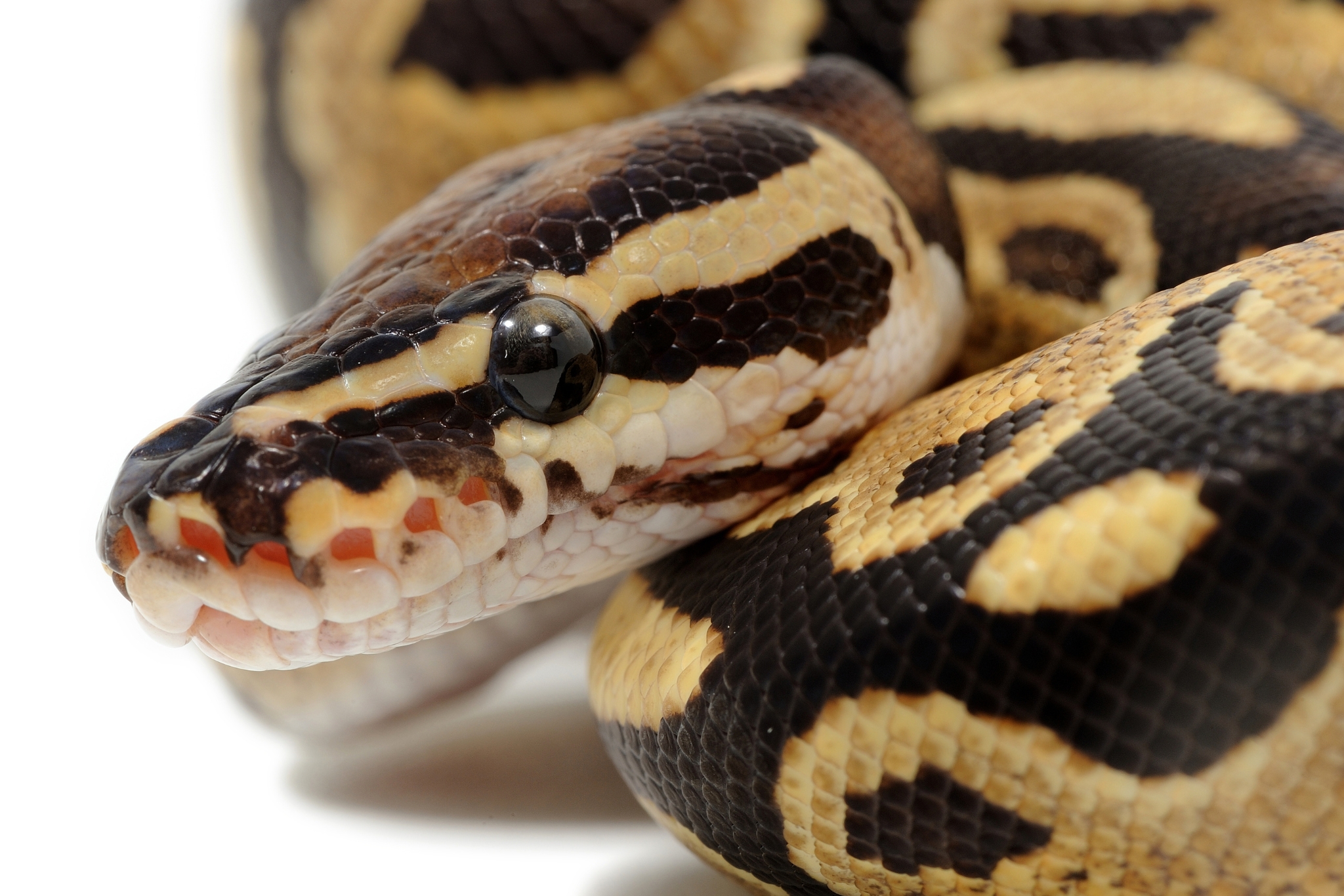
If you’ve noticed your ball python slithering around with dull, patchy sections of old skin still clinging to its body, you’re likely dealing with a stuck shed—known in veterinary terms as dysecdysis.
It’s one of the more common husbandry issues seen in ball python care, and while it can look worrying, it’s usually straightforward to correct at home with the proper approach and a bit of patience.
This guide will walk you through the essentials: what causes incomplete sheds, how to safely assist your snake in removing retained skin, and—most importantly—how to adjust your husbandry so it doesn’t become a recurring problem.
What Is a Stuck Shed?
Shedding—or ecdysis—is a normal and essential part of a ball python’s growth cycle. As the snake matures, it periodically replaces its outer layer of skin, ideally shedding it in a single, complete piece that turns inside out like a sleeve.
A stuck shed occurs when this process is incomplete and patches of old skin remain adhered to the snake’s body. These retained sections can appear anywhere—along the back and sides, on the tail tip, or over the eyes (where they are known as retained eye caps).
A stuck shed isn’t just a cosmetic issue—when it’s left unaddressed, retained skin can:
- Constrict a snake’s tail and restrict blood flow, potentially leading to tissue damage or necrosis
- Retained eye caps are equally concerning—they can trap debris, increase the risk of infection, and in severe cases contribute to long term vision impairment
If you notice a stuck shed, prompt, careful intervention is important to prevent complications and support your snake’s overall health.
Why Do Ball Pythons Get Stuck Sheds?
Figuring out what’s causing a stuck shed is really the key to fixing it—and keeping it from happening again. In most cases, it comes down to husbandry rather than anything serious, and a few small adjustments usually make a big difference.
The most common factors include:
- Low Humidity: This is the big one. Ball pythons need around 60% to 80% humidity to shed properly. If the air is too dry, the old skin dries out and clings instead of releasing cleanly.
- Dehydration: A well-hydrated snake sheds more smoothly. Always provide fresh water, and make sure the bowl is large enough for your python to soak if it chooses to.
- Injuries or Old Scars: Previous wounds or burns can create rough areas where the skin doesn’t release evenly, leading to patchy retention in those spots.
- Parasites: Mites and similar external parasites can irritate a snake’s skin and interfere with the normal shedding cycle.
- Nutritional Deficiencies: Over time, an imbalanced diet can affect skin quality, elasticity, and overall shedding performance.
- Illness or Stress: Underlying health issues—such as respiratory infections—can disrupt normal bodily processes, including shedding.
- Improper Temperature Gradients: If your snake’s enclosure isn’t offering the right warm to cool range, it can slow down or interfere with their shedding process altogether.
Signs Your Snake Has a Stuck Shed
Before your snake is done shedding, you may notice your python has been in “blue phase” (opaque, milky eyes and a dull, gray-blue skin tone) for a period where the eyes turn opaque and milky and the skin takes on a dull, bluish-gray cast. This stage typically lasts about 1 to 2 weeks and is a completely normal part of the shedding cycle.
Once the shed is finished, it’s worth doing a quick but careful check to make sure everything came off cleanly. Look for:
- Dull, wrinkled, or gray patches of retained skin along the body
- Cloudy or opaque eyes after shedding, which may indicate retained eye caps
- A tight band of old skin around the tail tip, which can become constrictive if left in place
- Increased restlessness or rubbing behavior, as the snake may be trying to remove remaining pieces itself
If you notice any of these signs, it’s a good indication that a little intervention may be needed to help your snake finish the process cleanly and comfortably.
How to Remove a Stuck Shed at Home
Step 1: The Warm Soak Method
This is the safest and most effective first step for most stuck sheds.
- Fill a container or tub with lukewarm water—around 85°F to 90°F (29°C 32°C)—Never use hot water!
- Place your ball python in the water and allow it to soak for 15 to 30 minutes. You can place a breathable lid or towel over the top to keep the snake calm and contained if needed.
- The warm water will rehydrate the snake’s retained skin and help loosen it significantly.
- After soaking, gently handle your python with a damp cloth or damp paper towels and very lightly massage the remaining skin in the direction it would naturally slide off—from head to tail.—Do not pull, tear, or force anything!
Many mild stuck sheds will resolve completely with just 1 or 2 soaks.
Step 2: The Damp Hide or Humidity Box
If soaking alone doesn’t fully clear the shed, set up a humidity box inside the snake’s enclosure:
- Take a clean plastic container with a lid and cut a hole in the side large enough for your snake to enter and exit.
- Line the bottom with damp (not soaking wet) sphagnum moss, paper towels, or a damp cloth.
- Place the box on the warm side of the enclosure. Your snake will naturally seek it out and the sustained moisture will help loosen stubborn shed patches overnight.
Step 3: Addressing Retained Eye Caps
Retained eye caps are the most delicate stuck shed issue and require extra care. Never attempt to peel or pick at the eye caps with your fingers or tweezers—you can easily damage the snake’s eye!
Try this instead:
- Soak your snake as described above.
- After the soak, gently wet a cotton ball or cotton swab and very lightly roll it across the eye in a circular motion. Often the eye cap will release on its own.
- If the eye cap doesn’t come off after 2 or 3 soaking sessions, take your snake to a reptile veterinarian. Forcing it is not worth the risk.
Step 4: Stuck Shed on the Tail Tip
The tail tip is a critical area because retained shed can form a tight constricting ring that cuts off blood flow. If you notice your python’s tail tip looks dark, discolored, or swollen, treat it urgently:
- Soak the tail in lukewarm water for 15 t0 30 minutes.
- Using a damp cloth or damp fingers, gently roll and loosen the skin. It should slide off after thorough hydration.
- If there are multiple layers of retained shed (from several consecutive sheds), do not try to remove them all at once. Repeat soaks over a day or two.
- If the tail appears dark purple, black, or necrotic, or if the skin refuses to release after multiple attempts, this is a veterinary emergency. Do not delay.
What NOT to Do When Removing a Stuck Shed
Just as important as knowing what to do is knowing what to avoid—because a few well-intentioned mistakes can make things worse.
- Don’t dry-pull the skin: Even if it looks loose, pulling stuck shed can tear healthy scales underneath and cause injury. It’s always better to soften first and let it release naturally.
- Don’t use petroleum jelly or mineral oil on eye caps: Products like Vaseline can irritate the eye area and trap debris. For retained eye caps, gentle moisture with clean water is the safer, standard approach.
- Don’t rush the process: Patience is key. Multiple short humidity or soak sessions are far safer and more effective than trying to force a quick fix.
- Don’t panic over a small remnant: A single stubborn patch is rarely an emergency. If husbandry is corrected, these small leftovers often resolve naturally during the next shed cycle.
How to Prevent Stuck Sheds in the Future
Once you’ve dealt with the immediate issue, the real focus shifts to prevention—because consistent husbandry is what keeps shedding clean and predictable over time.
Here’s how to set things up properly:
1. Maintain Proper Humidity
- A reliable digital hygrometer is essential
- Aim to keep ambient humidity between 60% to 80% in the enclosure, raising it toward the higher end during shed cycles when your snake enters the blue phase
- Substrates like coconut fiber, cypress mulch, or sphagnum moss hold moisture far more effectively than dry setups like paper towels or newspaper
2. Always Provide a Moist Hide
- Every enclosure should include at least 2 hides—1 on the warm side and 1 on the cool side.
- The warm side hide should contain lightly damp sphagnum moss, giving your python a dedicated microclimate to self-regulate moisture when it needs extra support during shedding
3. Keep Fresh Water Available at All Times
- Use a sturdy, tip-resistant bowl large enough for your snake to coil in comfortably if it chooses to soak
- Refresh the water every 2 to 3 days to maintain cleanliness and reduce bacterial buildup
4. Monitor Enclosure Temperatures
- A proper thermal gradient is key
- Aim for roughly 88°F to 92°F (31°C to 33°C) on the warm side
- And 76°F to 80°F (24°C to 27°C) on the cool side
- Stable, appropriate temperatures support healthy metabolism, digestion, and a smooth shedding cycle
5. Schedule Regular Health Checks
- Make it routine to gently handle and inspect your ball python, especially after they’re fully done shedding
- Pay attention to commonly problematic areas like the eye caps, tail tip, and any previous sites of retained skin
- Catching issues early makes correction much easier
6. Feed a Balanced Diet
- Offer appropriately sized prey on a consistent schedule
- Well-nourished snakes tend to have healthier skin, more efficient growth, and far more reliable sheds than underfed or inconsistently fed individuals
When to See a Vet
Most stuck sheds can be handled safely at home, but there are clear situations where it’s best to bring in a qualified reptile veterinarian.
You should seek professional help if you notice:
- Retained eye caps that don’t resolve after a couple of gentle soak attempts and proper humidity adjustments
- A darkened, swollen, or discolored tail tip that doesn’t improve, which can be an early warning sign of circulation issues
- Any signs of infection—including redness, swelling, discharge, or an unusual odor around retained shed areas
- Repeated shedding problems despite corrected husbandry, which may point to underlying parasites, dehydration issues, or systemic illness
- Significant changes in behavior or health, such as prolonged lethargy, extended food refusal, or any signs of respiratory distress during or after shedding
In these cases, it’s important not to wait it out—a veterinarian experienced with reptiles can properly assess the situation, identify underlying causes, and prevent what might otherwise become a more serious health issue.
Final Thoughts on Stuck Shed
Stuck shed is a very manageable husbandry issue—but only when it’s addressed early and correctly.
The core principles are straightforward: hydration is your most effective tool, proper humidity is your strongest preventative measure, and patience will always produce better results than force.
With a well-maintained enclosure, a properly set up moist hide, and consistent post-shed checks, stuck sheds should become an occasional inconvenience rather than a recurring problem.