10 Best Chicken Breeds for Cold Climates (And How to Keep Them Thriving All Winter)
Which chicken breeds actually survive freezing winters? From Chanteclers to Brahmas, here’s what makes a bird truly cold hardy, plus winter care tips to keep your flock laying.
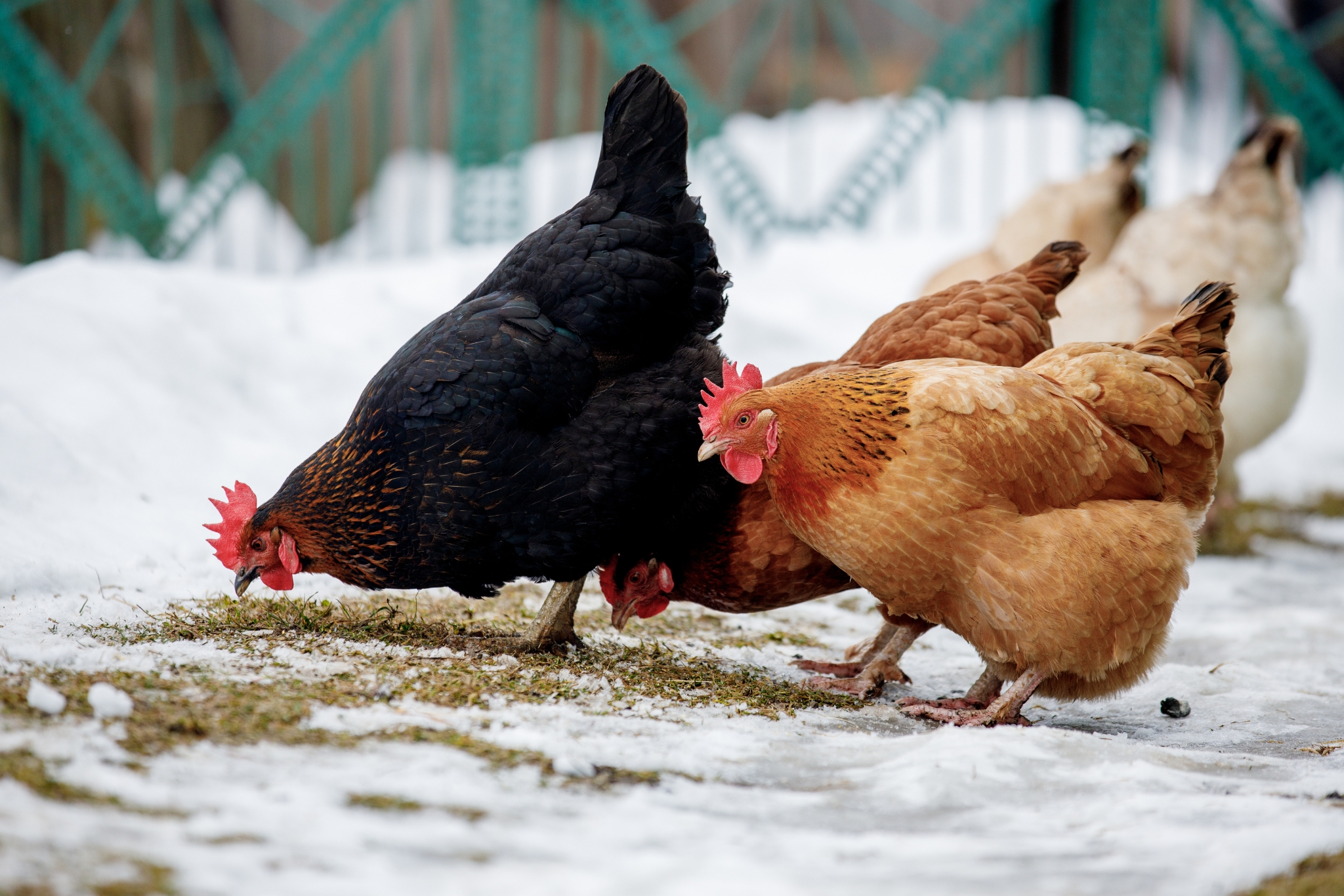
Are you planning to raise chickens somewhere with cold snowy winters? Choosing the right breed from the start can make a huge difference between a flock that handles winter with ease and one that needs a lot of extra care. Some chickens are naturally built for freezing temperatures, snow, and long winter nights, while others are much more sensitive to the cold and may be more prone to problems like frostbite.
If you live somewhere with real winters—the kind where temperatures regularly drop well below freezing—starting with a cold hardy breed can save you a lot of trouble down the road.
Let’s take a practical look at the chicken breeds that handle cold weather best, what actually makes a breed cold hardy, and what you can do to help your flock stay healthy and comfortable all winter long.
What Makes a Chicken Cold Hardy?
Before getting into specific breeds, it helps to understand what actually makes a chicken good at handling cold weather. A few physical and behavioral traits can make a big difference:
- Comb and wattle size. Smaller combs (like rose, pea, and walnut combs) are generally less prone to frostbite than large single combs. With less exposed tissue, there’s simply less surface area for the cold to affect.
- Body size and shape. Larger more compact chickens tend to hold onto body heat better than smaller leaner breeds. Think of it as having a natural winter coat built right into their body.
- Feathering. Dense full feathering helps trap warm air close to the skin, giving the bird extra insulation. Breeds with sparse or loosely structured feathers tend to lose heat more quickly.
- Temperament. This one can be easy to overlook, but calm easygoing breeds often handle winter confinement better than nervous or highly active birds. When the weather is especially nasty, your chickens may be spending more time inside the coop, so having a breed that’s comfortable with that can make things easier.
With those traits in mind, let’s take a look at the chicken breeds that tend to handle seriously cold temperatures best.
1. Plymouth Rock
Plymouth Rocks—often called “Barred Rocks” when referring to their classic black and white coloring—are a popular choice for cold climates. They’re sturdy heavy bodied birds with a moderate sized single comb and a naturally calm temperament. That combination helps them handle chilly weather well without constantly burning energy staying on the move.
They’re also dependable egg layers, even during the winter months. That’s a nice bonus compared with some other cold hardy breeds that tend to slow down when the temperatures drop.
2. Wyandotte
Wyandottes are practically made for cold weather. Their rose comb sits close to the head, which helps reduce the risk of frostbite, and their thick fluffy feathers provide plenty of natural insulation. They’re also a calm dual purpose breed that tends to keep laying well through the winter.
They’re honestly hard to beat if you want a chicken that’s both cold hardy and beautiful. These chickens look great in the flock and have the toughness to back it up.
3. Chantecler
If you’re looking for a chicken breed that was actually developed with cold weather in mind, the Chantecler is definitely worth a look. This Canadian breed was developed in the early 1900s specifically to handle the harsh winters of Quebec, and its build still reflects that history.
Chanteclers have a small cushion comb that sits close to the head and very small wattles, which helps reduce the risk of frostbite. They’re also calm, hardy birds that handle cold temperatures well, and they tend to keep laying reliably through the winter.
They’re not one of the most common breeds you’ll find, so finding a Chantecler breeder can take some searching. If you do come across one, you may have found a real gem for your cold weather flock.
4. Buff Orpington
Buff Orpingtons are often described as the golden retrievers of the chicken world. They’re friendly fluffy birds with a heavy build and thick dense feathers that help them hold onto body heat when temperatures drop.
Their gentle easygoing personalities also make them a great choice for backyard flocks, especially if you have kids. They may not be the most productive layers during the coldest part of winter, but their combination of cold hardiness and friendly temperament makes them a favorite for good reasons.
5. Australorp
Don’t let the name fool you into thinking this breed is only suited to warm climates—Australorps are surprisingly cold hardy thanks to their dense feathering and solid body mass. They’re calm, friendly, and famous for laying consistently even when the days get short and cold, which is more than can be said for a lot of breeds.
6. Rhode Island Red
Rhode Island Reds are a classic cold weather choice for a reason. They’re tough, adaptable, and can handle cold temperatures well thanks to their sturdy build and moderate sized combs. They may not be the flashiest birds in the coop, but they’re dependable layers through the winter and tend to handle changing temperatures better than many other breeds.
7. Brahma
Brahmas are the gentle giants of the chicken world, and their large size helps them handle cold weather exceptionally well. Their feathered legs and feet give them an extra layer of protection from the cold, almost like having a built-in pair of winter boots.
They also have a small pea comb, which is less vulnerable to frostbite than a large single comb. When you put it all together, and Brahmas are one of the most cold hardy chicken breeds you can raise.
8. Dominique
The Dominique doesn’t get quite as much attention as the more popular Plymouth Rock, but it’s a fantastic choice for cold climates. In fact, it’s actually considered America’s oldest chicken breed and has a long history of being valued for its hardiness and ability to handle tough weather.
Its rose comb helps reduce the risk of frostbite, while its hardy nature makes it well suited to cold winters. At the end off the day, the Dominique is a solid dependable breed that deserves more attention from backyard chicken keepers looking for a bird that can handle the cold.
9. Easter Egger
Easter Eggers aren’t technically a true breed, but they’re definitely worth considering for a cold weather flock. Many have pea combs and a mix of hardy genetics, which can make them surprisingly good at handling cold temperatures.
And if you want a little extra color in your egg basket, they’re even more fun. You can get a hardy winter tolerant chicken that also lays eggs in a range of interesting colors.
10. Silkie (With a Caveat)
Silkies are adorable, fluffy, and can look like they’d be perfectly suited for cold weather. But despite their fur-like feathers, they’re actually not as cold hardy as you might expect. Chicken keeps should know their unique feathering doesn’t repel water or hold in body heat as efficiently as the feathers of other breeds.
But that doesn’t mean you can’t keep Silkies in a cold climate. They just need a little more protection, including a dry well sheltered coop and extra care during harsh winter weather. If you chose this breed, just know they’re not the easiest “set it and forget it” option for cold climates, but with the right setup they can still do well.
Beyond Breed Choice Winter Care Tips That Actually Matter
Choosing a cold hardy breed is a great first step, but even the toughest chickens need a little help when winter temperatures really drop. A few simple things can make a big difference:
- Focus on ventilation, not sealing up every draft. It might seem like keeping the coop as closed up as possible would make it warmer, but good ventilation is important for preventing moisture buildup. Damp conditions can increase the risk of frostbite, while cold, dry air is much easier for chickens to handle.
- Try the deep litter method. Adding layers of straw or pine shavings throughout the winter can provide insulation and help create a little natural warmth as the bedding gradually breaks down.
- Protect exposed combs. For chickens with larger combs, a light coating of petroleum jelly may help protect the tissue during especially cold nights.
- Keep water available and unfrozen. Chickens still need plenty of water during winter, and dehydration can become a serious problem if their water freezes. Heated waterers can be a worthwhile investment if you regularly deal with freezing temperatures.
- Skip the heat lamps. Heat lamps are a common fire hazard in chicken coops, and most healthy cold hardy chickens don’t need supplemental heat as long as they’re properly feathered and have a dry sheltered place to get out of the wind.
Which Chicken Breed is Right for You?
If you’re building or expanding your flock in an area with harsh winters, breeds like the Chantecler, Wyandotte, Brahma, and Buff Orpington are some of the best choices you can make.
Of course, even the hardiest breed benefits from a good setup. Give your chickens a dry well ventilated coop, protection from the wind, and access to fresh unfrozen water, and your flock should be able to handle winter surprisingly well—even when the snow starts falling and temperatures really drop.