This post contains affiliate links. If you make a purchase through one of these links, we may earn a small commission at no extra cost to you.
6 Best Pet Otter Treats Worth Stocking Up On
Not all otter treats are created equal. From Icelandic cod to Alaskan salmon, here are the best treats for pet otters, plus feeding tips and FAQs.
- Why Treat Choice Matters So Much for Pet Otters
- What to Look for in a High Quality Otter Treat
- Gunni’s: Taste of Iceland Cod Baby Bites
- A Better Treat: Freeze Dried Wild Caught Salmon
- SmallBatch Pets: Freeze Dried Alaskan Pollock
- Icelandic+ Cod Skin Braids
- Icelandic+ Capelin Whole Fish & Pieces
- SmallBatch Freeze Dried Salmon Skin Chews
- How to Introduce New Treats Safely
- How Often Should You Give Treats to Your Pet Otter?
- Frequently Asked Questions
- The Bottom Line
If you share your life with a pet otter, you already know these little carnivores are anything but low maintenance. They’re incredibly smart, endlessly curious, and naturally wired to hunt, crack, and chew their way through fish, shellfish, and crustaceans.
And just because their meals come from a bowl instead of a stream doesn’t mean those instincts disappear.
That’s where the right treats can make a difference. Sure, treats are a fun way to spoil your otter (and that’s part of the appeal) but they can also add variety to their diet, provide extra protein, and give them something to chew, carry, explore, and work for. For an animal with such strong natural foraging and hunting instincts, that extra enrichment can be just as valuable as the treat itself.
In this article, we’ll look at what makes a treat appropriate for a pet otter, what ingredients to look for, and which fish and seafood options are worth considering. We’ll focus on choices with simple quality ingredients and minimal processing, while keeping your otter’s nutritional needs and natural behaviors in mind.
Why Treat Choice Matters So Much for Pet Otters
Otters are obligate carnivores, which means their bodies are built to get their nutrition from animal based foods.
In the wild, their natural diet is heavily focused on fish, mollusks, and crustaceans, so protein rich treats are a much better fit than the typical treats designed for other pets.
That makes treat selection more important than it might seem. Treats aren’t simply something extra to toss into the bowl—they can be an opportunity to add variety and provide important nutrients, while supporting the kind of diet your otter is naturally adapted to eat.
On the other hand, treats that are heavy in grains, added sugars, or unnecessary additives don’t offer much nutritional value for a carnivorous animal and may contribute to digestive issues or excess calories when fed too often.
What to Look for in a High Quality Otter Treat
Before getting into the actual treat options, it helps to know what you’re looking for in the first place. A good otter treat should be more than something tasty—it should fit naturally into their carnivorous diet and, ideally, give them an opportunity to engage in some of those instinctive chewing and foraging behaviors.
Here are a few things to look for:
- Simple ingredient lists. The fewer unnecessary ingredients, the better. Single ingredient treats are especially appealing because they’re closer to the whole food ingredients an otter would naturally encounter.
- Fish or seafood as the main ingredient. Cod, salmon, pollock, and capelin are all examples of marine proteins that can fit naturally into an otter appropriate diet.
- Minimal processing. Freeze dried or gently dehydrated treats can be convenient options because they preserve much of the food’s natural flavor, texture, and nutrients without requiring heavy processing or lots of additives.
- No unnecessary sugar, salt, or fillers. Otters don’t need treats packed with grains, starches, added sugars, or excessive sodium. When you’re looking at products, a straightforward formula is generally the better place to start.
- A texture that’s interesting to work with. Depending on the treat and your otter’s diet, whole fish, fish skins, and other appropriately sized seafood treats can provide more than just flavor. Having something to sniff, tear, chew, or manipulate can turn treat time into an opportunity for enrichment as well.
1. Gunni’s Taste of Iceland Cod Baby Bites
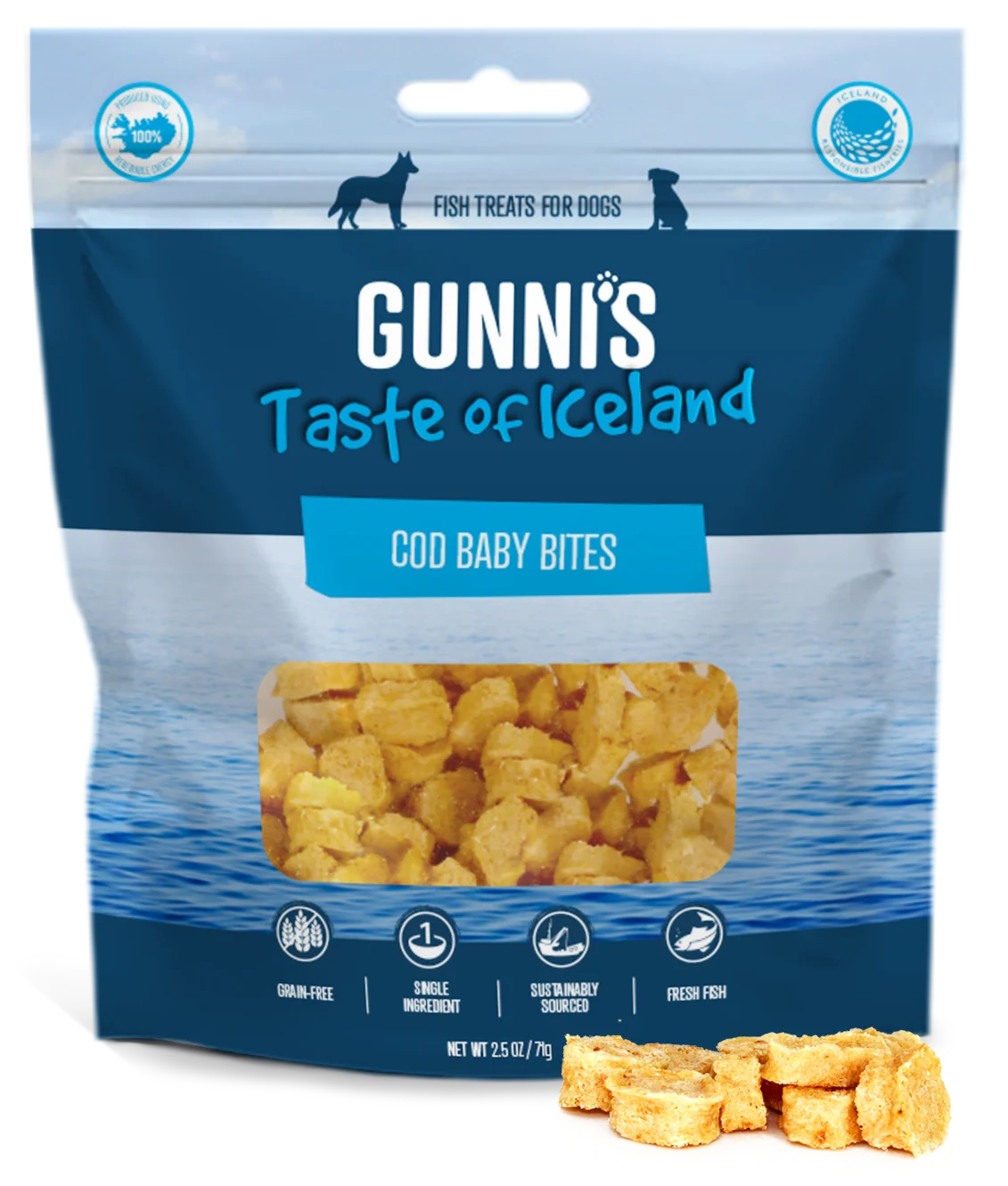
For smaller portions or training rewards, these cod treats are a great option when you want something easy to hand out without going overboard. They’re made from wild caught Icelandic cod, are bite sized, and contain just one ingredient so you can easily portion them throughout the day.
They’re especially handy for enrichment activities like snuffle mats, puzzle toys, or positive reinforcement training. And because the pieces are small, you can reward your otter frequently while still keeping an eye on their overall calorie intake.
2. A Better Treat Freeze Dried Wild Caught Salmon
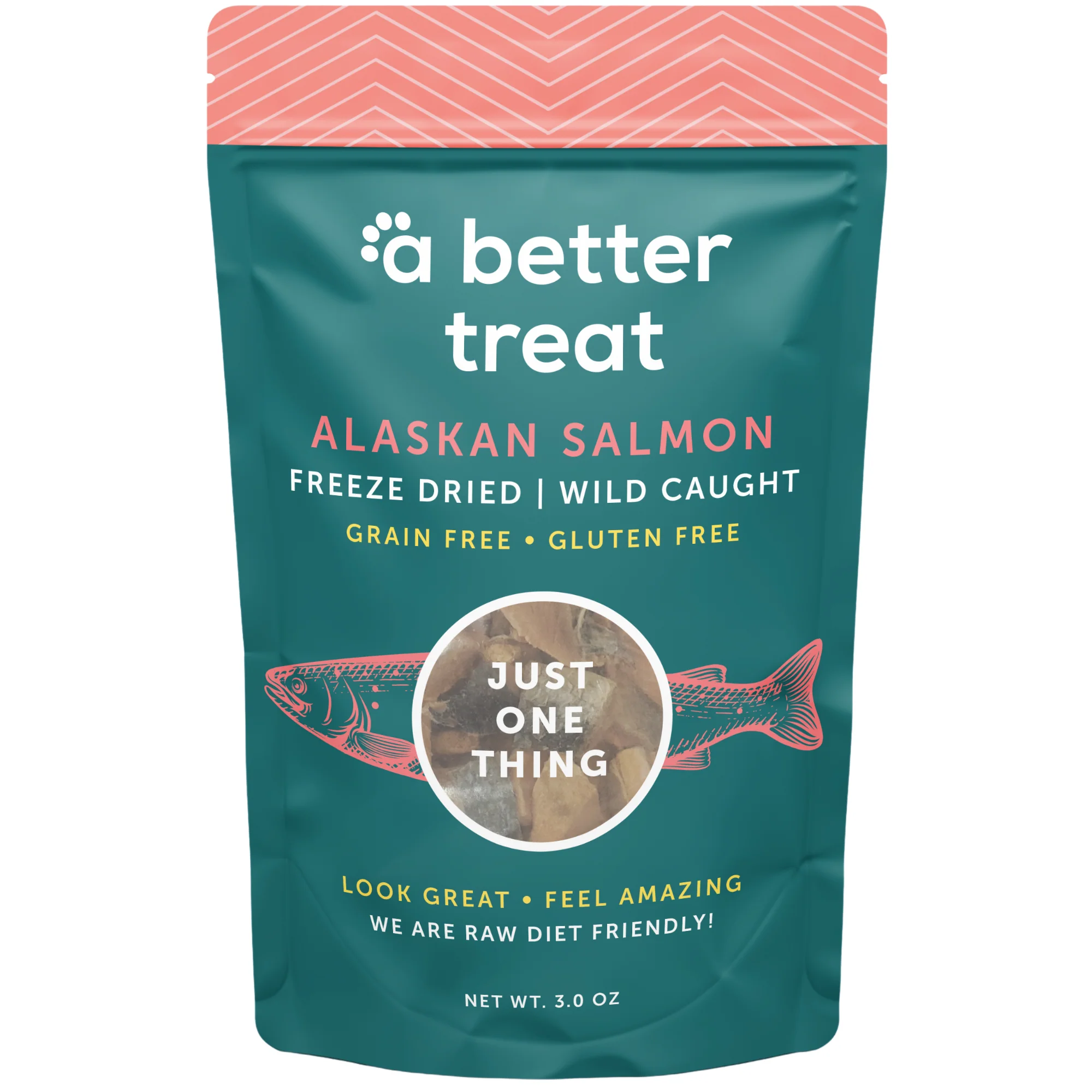
Wild caught Alaskan salmon is a nutrient dense treat that’s naturally rich in omega-3 fatty acids, making it an appealing option for otters. These healthy fats can support skin and coat health while adding some extra nutritional value to their diet.
Because the salmon is freeze dried, much of its natural flavor and nutritional value is preserved without adding a long list of unnecessary ingredients. It’s also a richer and fattier fish, so it can be especially appealing to otters that naturally prefer more flavorful oily seafood.
3. SmallBatch Pets Freeze Dried Alaskan Pollock
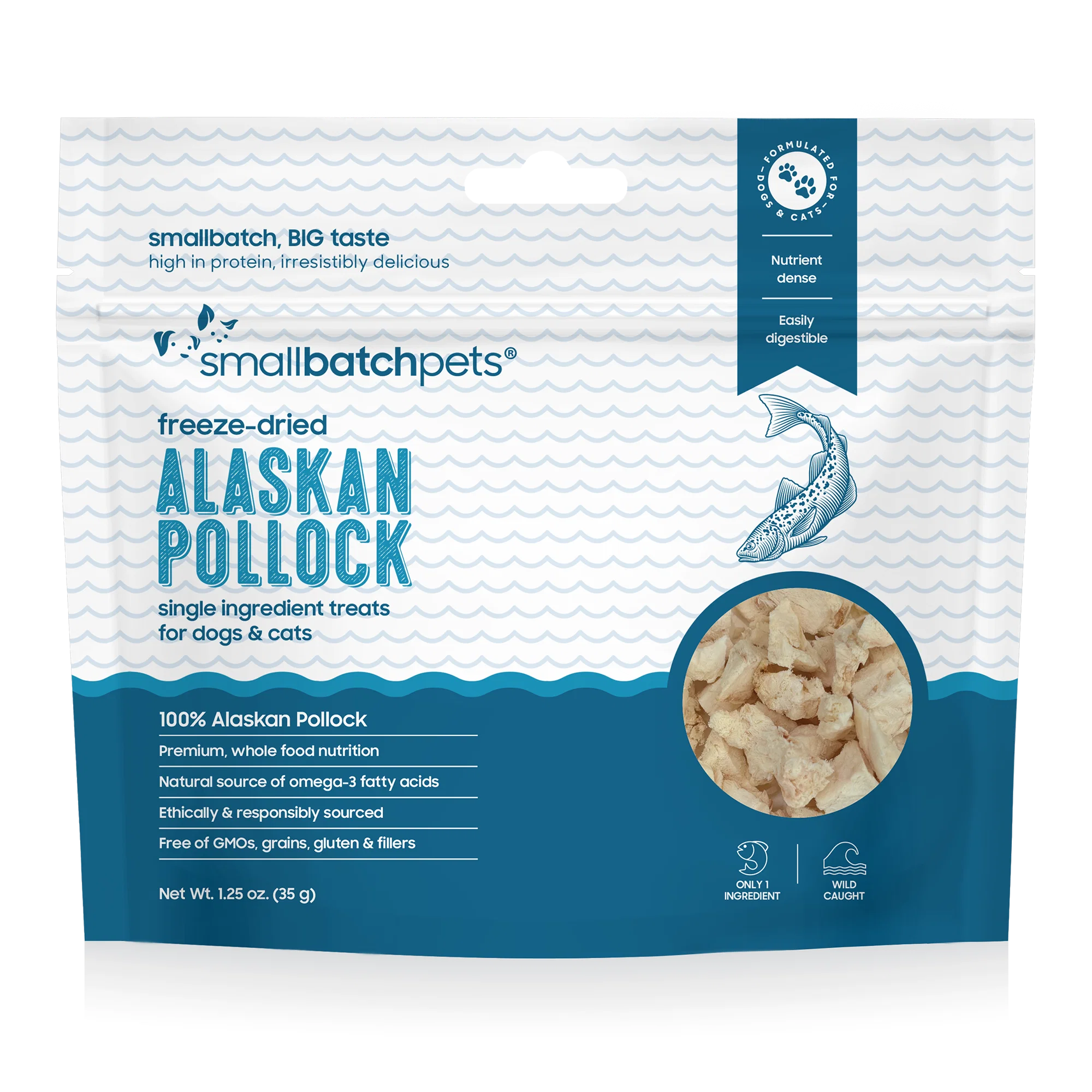
Pollock is a lean, mild white fish that can be a nice addition to an otter’s treat rotation. Its lighter flavor and texture make it a good option when you’re introducing a new treat or simply want to give your otter something different from richer fattier fish.
Freeze dried pollock also tends to have a light flaky texture, which can make it especially useful for enrichment. You can offer it on its own or incorporate it into activities that encourage your otter to sniff, search, and work for their reward.
4. Icelandic+ Cod Skin Braids
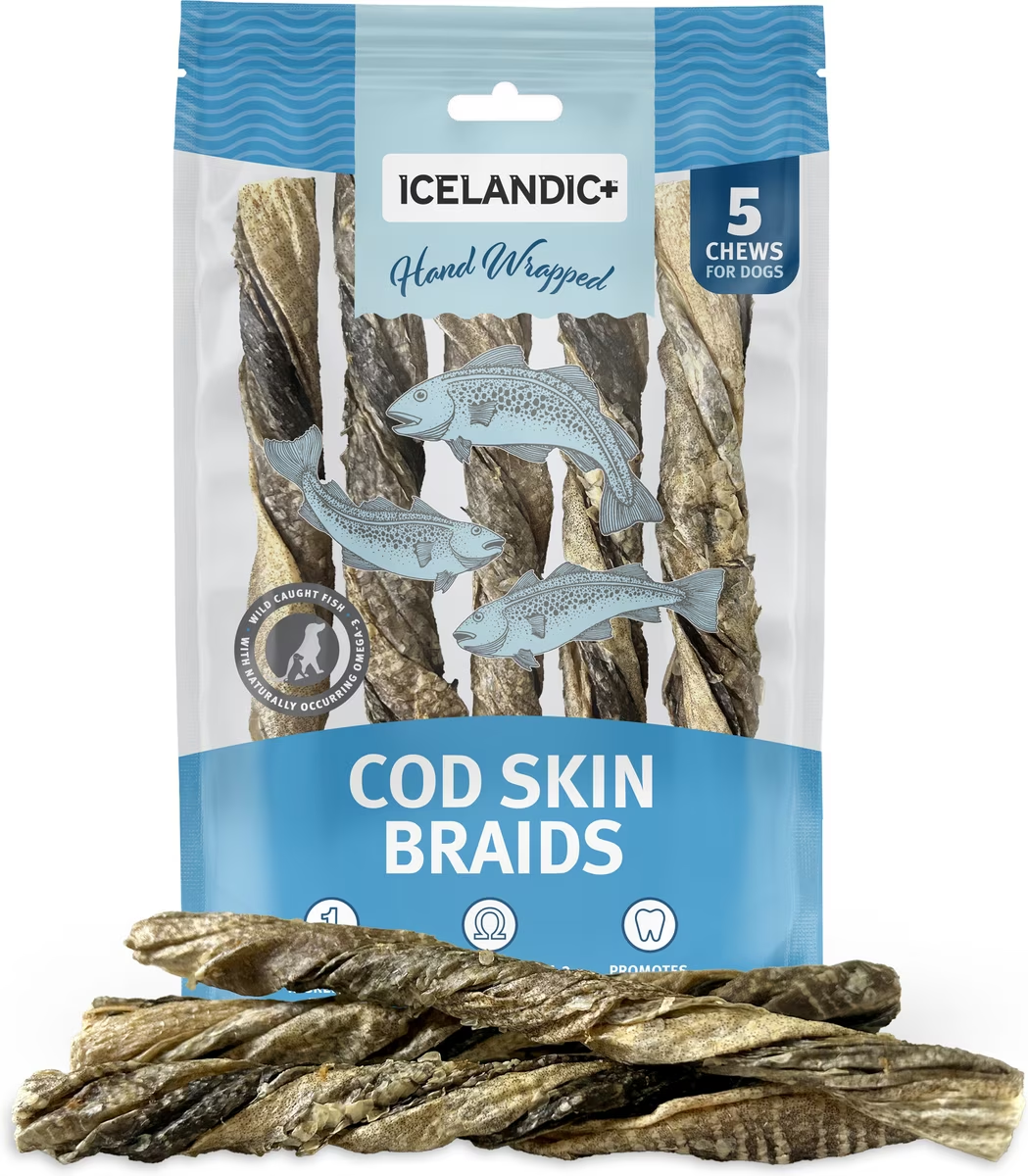
Cod skin braids are less about a quick bite and more about giving your otter something to work on. The braided shape gives them something to grab, pull, and chew, turning treat time into a hands-on enrichment activity that engages both their natural chewing instincts and their problem solving skills.
Because they’re made from fish skin, these treats can also provide collagen along with the protein you’d expect from a seafood based treat.
They can be a nice change of pace from whole fish or freeze dried fillets, especially when you’re looking to add more texture and variety to your otter’s treat rotation.
5. Icelandic+ Capelin Whole Fish & Pieces
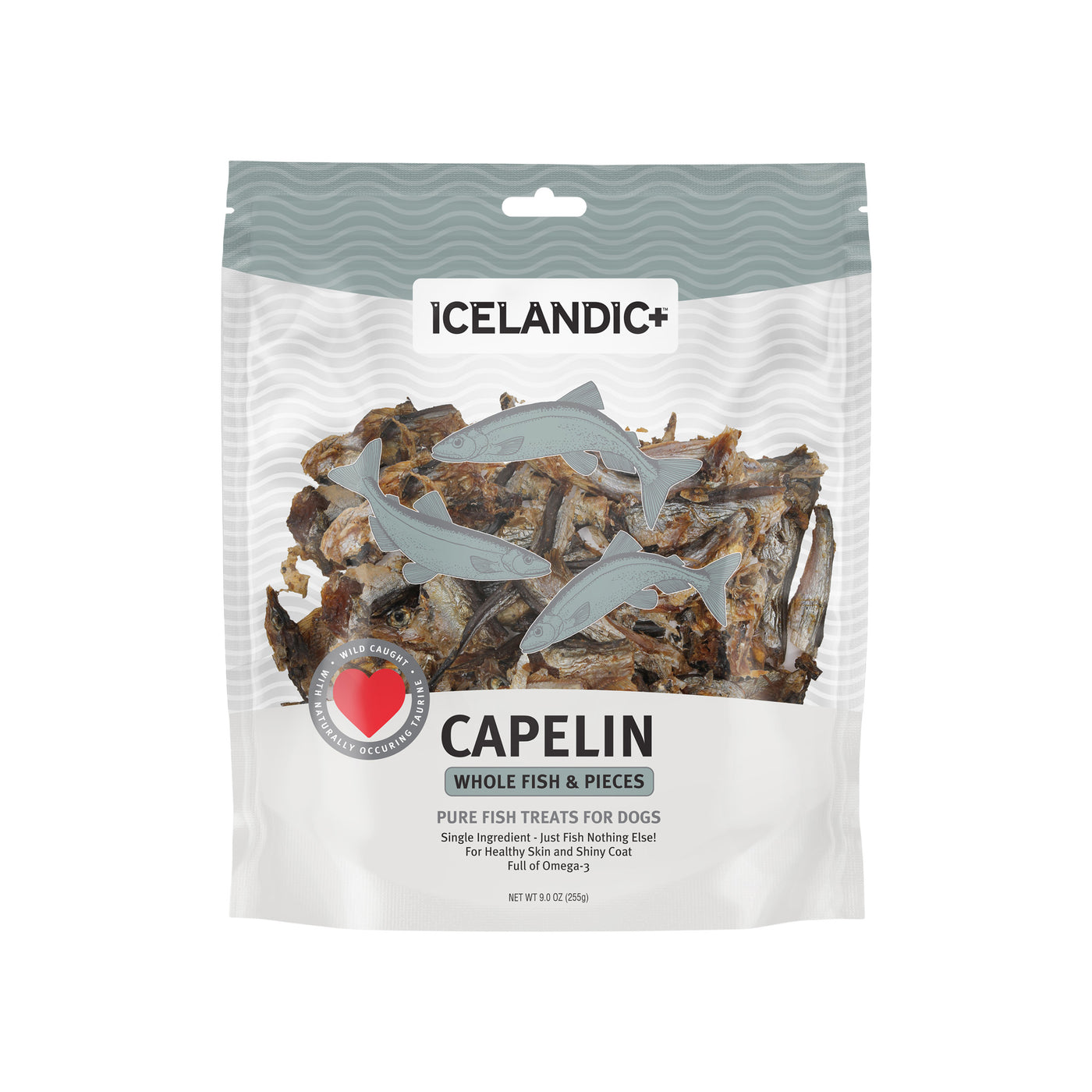
Capelin is a small oily forage fish that is good fit for an otter’s natural diet. It’s the kind of fish that many aquatic predators encounter in the wild, so it can be a great choice when you want a treat that’s relatively close to the whole prey foods otters are naturally adapted to eating.
It’s also versatile—whole capelin can provide a more engaging treat for chewing and enrichment, while smaller pieces can be broken up and used as quick rewards during training. That makes capelin an easy option to work into different parts of your otter’s routine, whether you’re offering a single treat or using food as part of an enrichment activity.
6. SmallBatch Pets Wild Caught Salmon Skin Chews
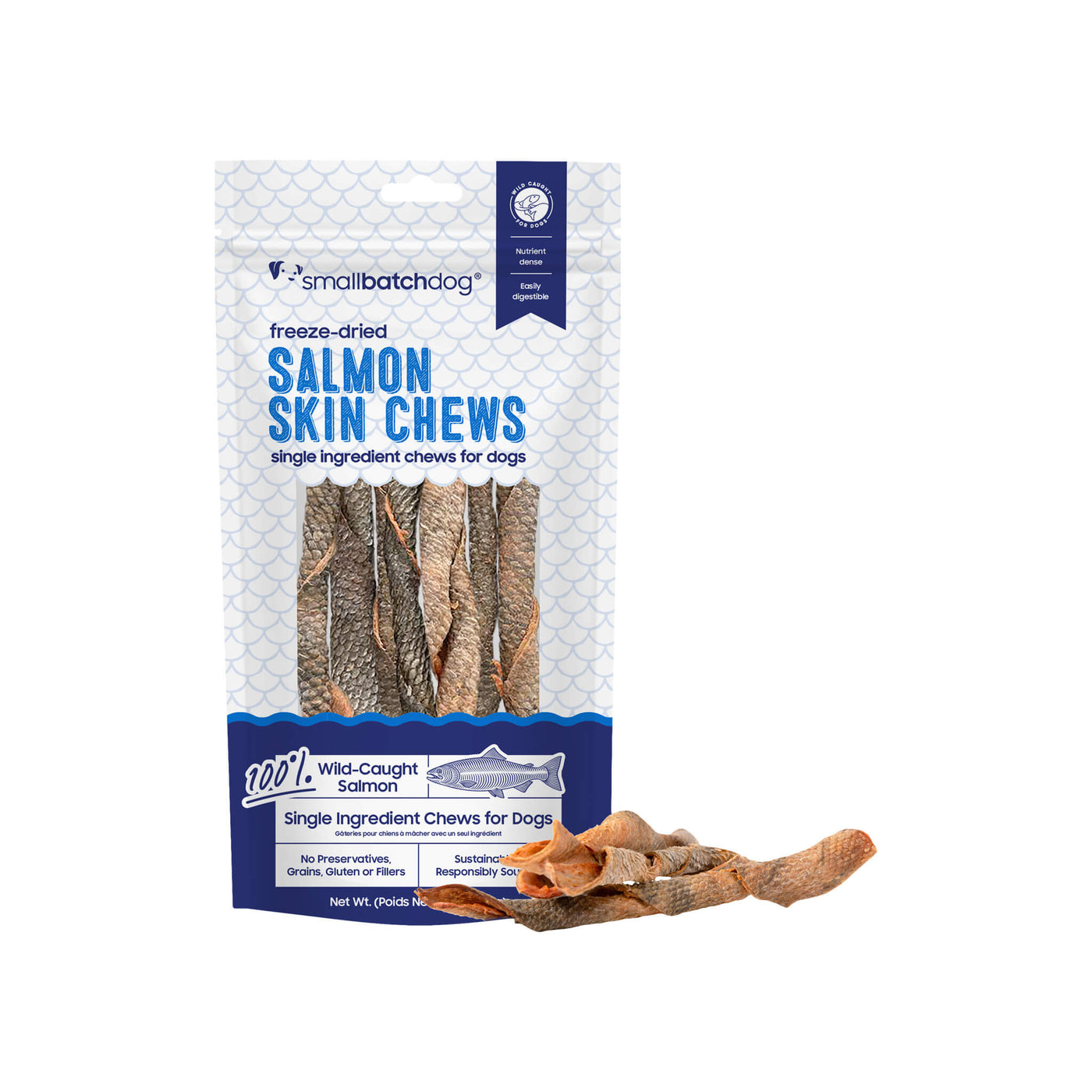
Like cod skin braids, salmon skin chews are all about combining nutrition with enrichment. The tougher texture gives your otter something to grab, pull, and work through rather than simply swallowing a quick bite. They also naturally provide collagen and healthy fats, adding some nutritional value rather than empty calories.
They’re especially useful for otters who enjoy spending time manipulating their treats. A longer lasting chew can keep them occupied for a while, giving them a chance to engage those natural chewing and foraging behaviors instead of finishing the treat in a few seconds.
How to Introduce New Treats Safely
Otters can be surprisingly particular about their food, and introducing new treats too quickly can lead to digestive upset. Even if a new treat seems like a great fit, it’s better to ease into it rather than suddenly changing what your otter is used to eating.
When adding something new to the treat rotation:
- Introduce one new treat at a time. Start with a small amount and watch for any changes in digestion or behavior over the next 24 to 48 hours.
- Keep portions small at first. New treats should make up only a small part of your otter’s overall daily intake until you know how they tolerate them.
- Favor simple “real prey” options. Single ingredient treats are more closely aligned with an otter’s natural diet and make it easy to see exactly what you’re feeding. If your otter has a reaction or digestive issue, a simple ingredient list also makes it much easier to identify the potential culprit.
How Often Should You Give Treats to Your Pet Otter?
Treats should complement your otter’s regular diet, not replace it.
The main diet should provide the complete and balanced nutrition they need, while treats are best used for variety, rewards, and enrichment.
As a general guideline, keep treats—including fish, fish skins, and chews—to around 10% or less of your otter’s daily calorie intake. It’s easy to lose track when you’re using treats throughout the day, especially during training or enrichment activities, so keep the total amount in mind when portioning them.
Whole fish treats and skin based chews also serve a purpose beyond nutrition—they give your otter something to grab, chew, carry, and work for, making them valuable enrichment tools as well as treats. Just remember to count those calories as part of the day’s overall intake.
Frequently Asked Questions
1. Can otters eat freeze dried fish every day?
Yes, they can have freeze dried fish regularly, but it should be offered in moderation.
Single ingredient freeze dried fish is a simple species appropriate treat option, but it shouldn’t replace a complete balanced daily diet. Think of it as an addition to your otter’s meals or enrichment routine rather than their primary source of nutrition.
2. Are fish skins safe for otters to eat?
Fish skin can be a useful enrichment option when it’s appropriately sourced and prepared. Treats such as cod skin braids and salmon skin chews give otters something to grip, pull, and chew, which can make treat time more engaging and provide an outlet for natural chewing behaviors.
3. What’s the difference between whole fish treats and fillets?
Whole fish generally provide more of the animal—including skin, bones, and organs—and offer a more substantial texture for chewing and manipulation. Fillets are simpler and easier to break into smaller portions, making them more convenient when you’re using treats for training or quick rewards.
4. Should I rotate between different types of fish?
Rotating appropriate fish can be a good way to add variety to an otter’s treat routine. Different fish naturally vary in their fat content, texture, and nutrient profiles, so alternating options can keep enrichment more interesting while giving your otter some variety.
The Bottom Line
The best otter treats tend to have one thing in common: they’re based on real fish and seafood with minimal processing, making them a good fit for an animal whose natural diet is centered around aquatic prey.
Building a rotation with options like capelin, Alaskan salmon, and pollock can give your otter plenty of variety. Different fish bring different textures and fat levels, while whole fish and skin based chews also add an extra layer of enrichment.
The goal isn’t to make treats the centerpiece of the diet. It’s to use them thoughtfully—as rewards, variety, and enrichment—while keeping the overall approach fish first, minimally processed, and appropriate for an otter’s natural dietary needs.