Do Hamsters Need Baths? Learn How Often, When, and How to Do It Safely
Wondering how often to bathe your hamster? Learn why water baths are risky, how sand baths work, and the safest way to keep your hamster clean.
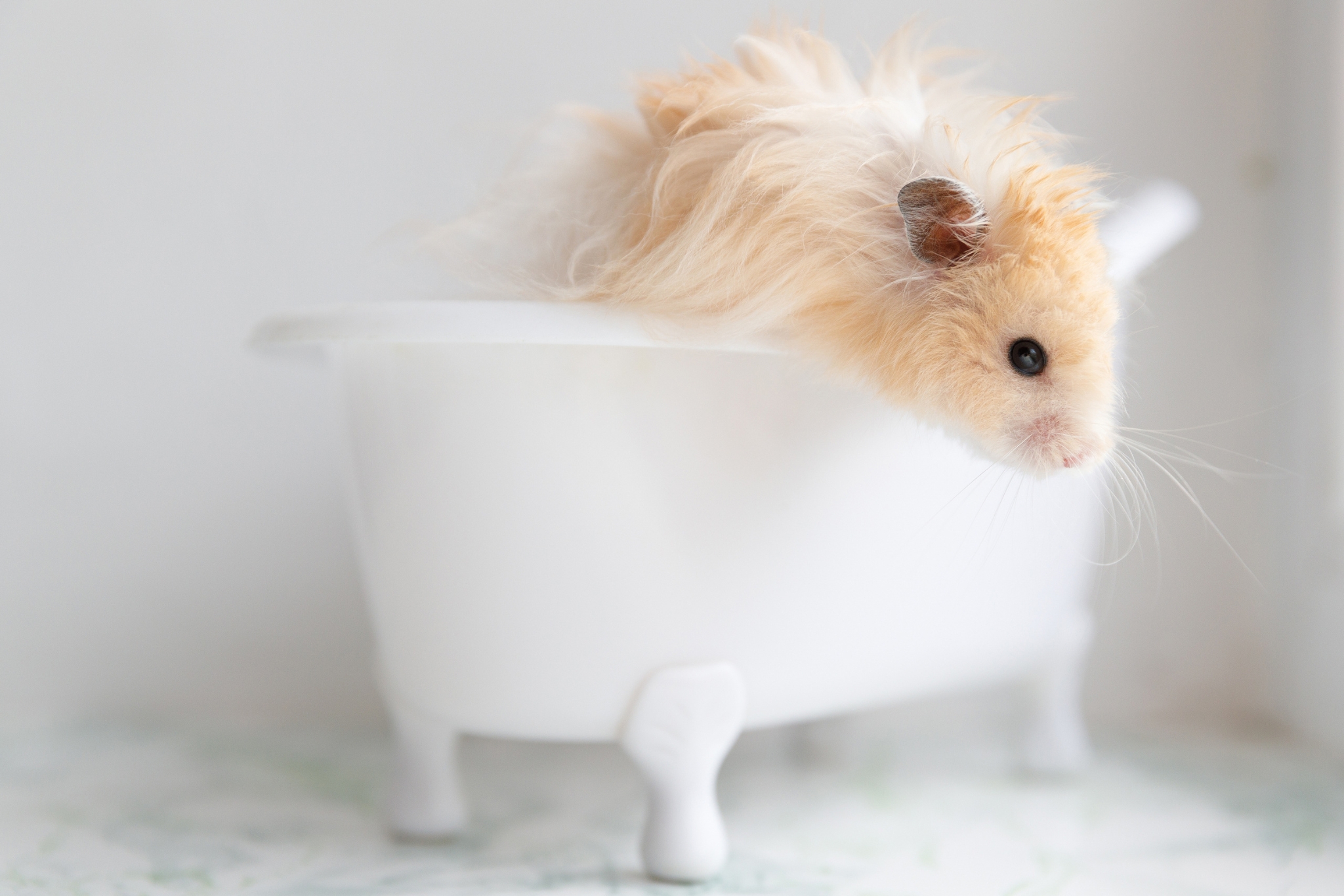
If you’re a hamster owner, it’s completely normal to wonder if your furry friend needs a bath like a dog or cat—and the answer surprises many people: hamsters should almost never be given a water bath.
Unlike many other pets, hamsters are excellent self-groomers and spend a good portion of their day keeping their fur clean.
In fact, bathing them in water can do more harm than good, causing unnecessary stress, and even putting their health at risk.
In this article, we’ll explore why water baths aren’t recommended, when a bath might actually be necessary, and the safest ways to keep your hamster clean and healthy.
Why Hamsters Don’t Need Regular Baths
Hamsters are naturally very clean animals and spend a surprising amount of time grooming themselves.
In the wild, these small rodents evolved in dry desert and grassland environments where regular bathing in water wasn’t part of their routine. Instead, they keep themselves clean by licking their paws and carefully grooming their fur (kinda in the same way cats do).
And because of the way their bodies are adapted, water baths can actually be harmful.
Here are a few reasons why they’re not recommended:
1. They Can Get Chilled Very Quickly
Hamsters are tiny, which means they lose body heat fast. A wet hamster can become dangerously cold within just a few minutes, increasing the risk of illness—especially if they’re young, elderly, or already unwell.
2. Water Removes Their Natural Oils
A hamster’s fur contains natural oils that help keep their coat healthy, regulate body temperature, and repel dirt. Bathing in water strips away these protective oils, which can lead to dry skin and an unhealthy coat.
3. Water Baths Are Very Stressful
As prey animals, hamsters are naturally cautious. Being submerged in water or sprayed with it can be extremely stressful, and repeated stress can negatively affect their overall health and immune system.
4. It Can Increase the Risk of Respiratory Problems
If water gets into a hamster’s nose or ears, or if they stay damp for too long, it can increase the risk of respiratory infections. Since respiratory illnesses are already one of the more common health concerns in pet hamsters, it’s best to avoid unnecessary water exposure whenever possible.
Hamsters are excellent self-groomers and rarely need any help staying clean. As long as they’re healthy and their enclosure is kept clean, their natural grooming routine is all they need to maintain a healthy coat.
When Does Your Hamster Actually Need a Bath?
Although routine water baths aren’t recommended, there are a few situations where your hamster may need a little extra help getting clean.
Some of these situations may include:
- Getting into something harmful, like paint, a sticky substance, or another material that can’t be safely removed without cleaning.
- Severe soiling that your hamster can’t clean on its own, such as matted fur or feces stuck around their rear end. This can also be a sign of an underlying health problem and should be checked by a veterinarian.
- Following your veterinarian’s advice if they recommend bathing or cleaning as part of treatment for a medical condition, such as a skin infection or mites.
In these situations, the goal is to safely remove the problem while causing as little stress as possible.
The Safer Alternative Sand Baths
Instead of water baths, hamsters keep their coats clean with sand baths. This is the safest and most natural way to help maintain healthy fur and should be a regular part of your hamster’s habitat.
How Sand Baths Work
- Simply place a shallow dish filled with hamster-safe or chinchilla bathing sand in your hamster’s enclosure.
- Most hamsters instinctively know what to do, happily rolling, digging, and burrowing in the sand just as they would in the wild.
- As they play, the sand helps absorb excess oils, dirt, and odors, keeping their coat clean and healthy.
Sand bath tips
- #1 Choose a dish that’s large enough for your hamster to comfortably turn around and roll in.
- #2 Use chinchilla bathing sand or hamster-safe bathing sand. Avoid play sand or dusty sand, which can irritate their eyes and respiratory system.
- #3 Offer a sand bath one to two times per week, or leave it in the enclosure if your hamster enjoys using it regularly.
- #4 Replace the sand often to keep it clean and reduce bacteria buildup.
- #5 Skip scented sands or products with added fragrances or chemicals.
Spot Cleaning For Minor Messes
If your hamster gets a little dirt, bedding, or food stuck in their fur, there’s usually no need for a full bath. Instead, you can gently spot clean the area:
- Use a soft, slightly damp cloth (just barely moist) to wipe away the mess.
- Gently pat the area dry with a soft towel right away.
- Keep your hamster warm until its fur is completely dry.
Spot cleaning is a much safer option than a full water bath and is usually all that’s needed for small messes.
If You Must Give a Water Bath (Emergency Situations Only)
In rare emergencies—such as if your hamster gets into a toxic or sticky substance—a quick water bath may be the safest option. The goal is to clean the affected area as gently and quickly as possible.
If this happens:
- Use lukewarm water—never hot or cold.
- Only wet the area that needs cleaning instead of fully submerging your hamster.
- If soap is needed, only use a hamster-safe or fragrance-free, mild shampoo—never regular human shampoo!
- Keep the bath as short as you can to minimize stress.
- Gently dry your hamster immediately with a soft towel.
- Keep them in a warm, draft free area until they’re completely dry, and watch closely for any signs of illness or unusual behavior afterward.
If you’re ever unsure or your hamster has been exposed to something potentially harmful, contact an exotic or small animal veterinarian as soon as possible.
Signs Your Hamster’s Hygiene Needs Attention
Hamsters are naturally great at keeping themselves clean, but changes in their appearance or grooming habits can sometimes signal an underlying health issue.
Keep an eye out for:
- Matted, greasy, or unkempt fur even with regular access to a sand bath
- A persistent unpleasant odor
- Wet or dirty fur around the rear end, which can be a sign of illness rather than a simple hygiene problem
- Bald spots, redness, or skin irritation
- A decrease in normal grooming, which may point to stress, pain, or illness
If you notice these changes, it’s worth looking closer at your hamster’s overall health and considering a checkup with a veterinarian.
A dirty coat isn’t always just a grooming issue—it can sometimes be a sign of an underlying health problem. In these cases, a vet visit is a better choice than a bath, since addressing the cause is more important than simply cleaning the fur.
Key Takeaways
- Hamsters are naturally clean animals and do not need regular water baths.
- Water baths can be risky, causing stress, chills, dry skin, and potential respiratory issues.
- Sand baths are the safest and most natural way to support your hamster’s grooming routine and should be offered regularly.
- Water baths should only be used in true emergencies and should always be followed by careful, thorough drying.
- Changes in your hamster’s coat or grooming habits may signal a health concern, making a vet visit a better choice than a bath.
By working with your hamster’s natural instincts and providing the right habitat setup, you can help keep your pet clean, comfortable, and healthy—without the need for traditional bath time.