Best Treats for Backyard Chickens Complete Guide for Healthy Hens
Looking to spoil your backyard chickens? Discover the best healthy treats—from protein-packed mealworms to fresh greens—plus the foods you should always avoid. Keep your flock happy, active, and thriving.
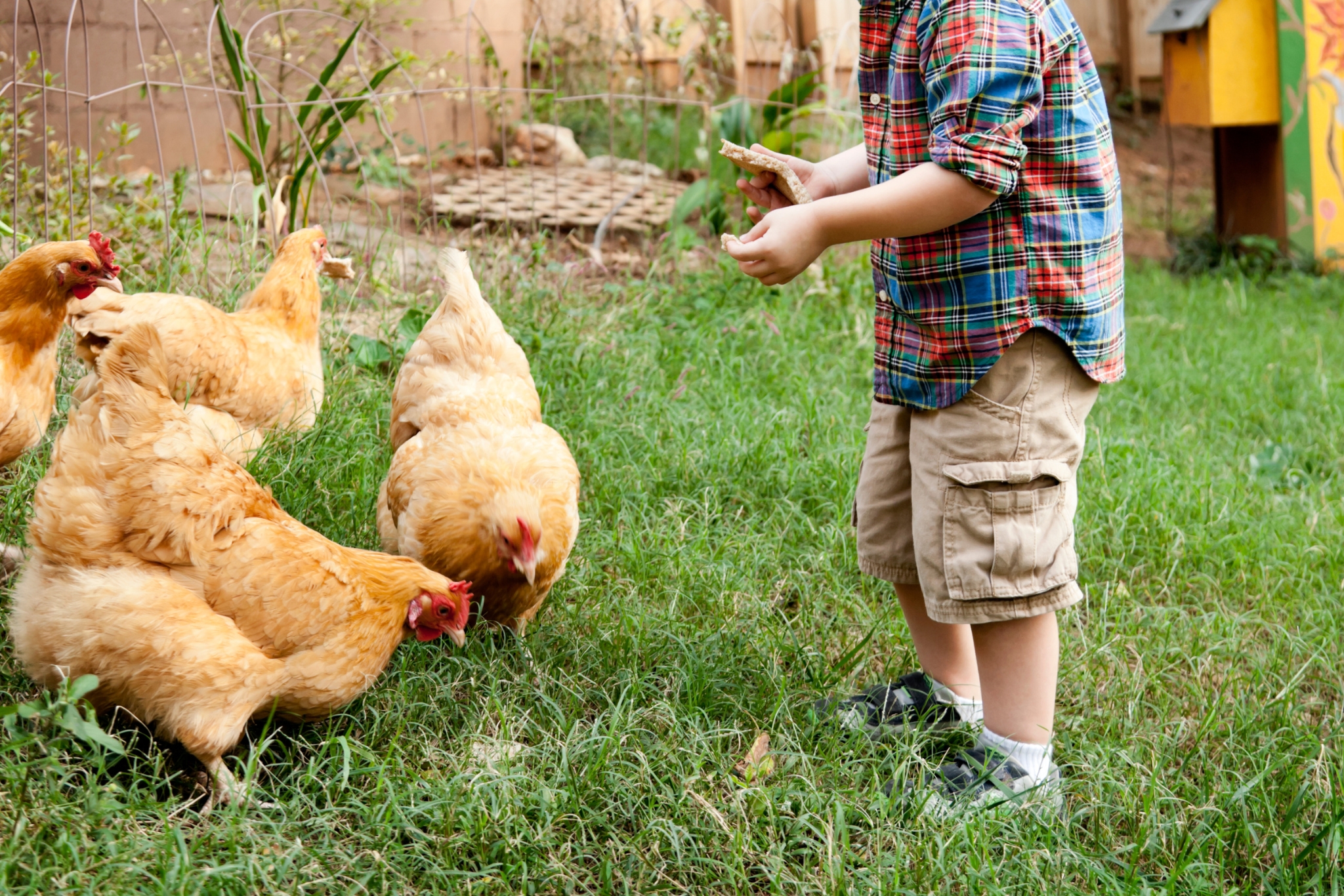
There’s nothing quite like watching your chickens sprint across the yard when they spot you carrying treats. Those simple moments of joy make backyard chicken keeping so rewarding.
But here’s the thing: your feathered friends will happily devour almost anything you toss their way, whether it’s good for them or not.
The truth is, not every treat supports your flock’s health. Some snacks can boost egg production and strengthen immunity, while others might harm your birds or reduce their laying capacity.
This guide cuts through the confusion, showing you exactly which treats will keep your chickens thriving and which foods could put them at risk.
Your Foundation for Healthy Treating The 90/10 Rule
Before you start spoiling your flock, its important for owners to know that treats should never exceed 10% of your chickens’ daily diet.
The other 90% needs to come from quality layer feed that’s formulated with all the vitamins, minerals, and nutrients chickens need to stay healthy and lay consistently.
Why does this matter? Because even healthy treats lack the complete nutrition found in layer feed. Feed your flock too many treats, and you’ll likely notice fewer eggs, weaker shells, or health problems down the road.
Just like kids who fill up on cookies won’t eat their dinner, chickens who gorge on treats often skip their nutritionally balanced feed.
7 Best Treats for Chickens
1. Mealworms and Black Soldier Fly Larvae
These protein packed insects are universally loved by chickens. Mealworms are considered the most favorite chicken treat of all, with chickens lunging for them at lightning speed. For an even better option, consider black soldier fly larvae, which contain significantly more calcium than regular mealworms (essential for strong eggshells).
Insect Benefits for Chickens
- High in Protein: Supports feather regrowth during molting
- Rich in Calcium: Promotes strong eggshells in laying hens
- Encourages Natural Behaviors: Provides enrichment and stimulates foraging instincts
- Versatile Sourcing: Can be purchased dried or raised at home
2. Dark Leafy Greens
Dark leafy greens are a nutritious treat for chickens and can help produce darker, richer egg yolks. They also provide a healthy option for chickens to forage and nibble naturally.
Best Greens for Chickens
- Kale (nutrient dense superfood)
- Swiss chard
- Turnip greens
- Lettuce (except iceberg in large quantities)
- Dandelion leaves
- Beet greens
Important Note: Avoid spinach or only feed very small amounts, as it contains oxalic acid that can interfere with calcium absorption.
3. Berries and Melons
Fruits like berries and melons are healthy and hydrating snacks for chickens. Packed with vitamins and antioxidants, they make a nutritious treat when fed in moderation.
Top Fruit Treats
- Watermelon (especially refreshing in the summer heat)
- Strawberries
- Blueberries
- Raspberries
- Cantaloupe
- Pumpkin
4. Pumpkin and Squash
Pumpkin and squash provide valuable nutritional benefits for chickens. Both the flesh and seeds are healthy, making them an excellent seasonal treat for your flock.
How to Serve
- Break open whole pumpkins in their run for entertainment
- Feed cooked or raw
- Don’t remove the seeds – they’re beneficial
- Chickens will eat everything except the tough outer skin
5. Fresh Herbs
Fresh herbs make great treats for chickens while providing a variety of health benefits.
Top Herbs and Their Benefits
- Oregano: Supports the immune system
- Basil: Promotes respiratory health
- Mint: Acts as a natural pest repellent
- Lavender: Provides calming, stress relieving effects
- Parsley: Contains xanthophyll, which helps produce vibrant orange egg yolks
- Garlic Cloves and Dandelion Leaves: Serve as natural de-wormers
Incorporating these herbs into your chickens’ diet can enhance both their health and well-being while adding variety to their meals.
6. Vegetables
Vegetables offer chickens nutritious variety and are a healthy addition to their diet.
Preparation Tips
- Hang vegetables from suet feeders for entertainment
- Grate harder vegetables for easier eating
- Feed raw for maximum nutritional value
- Create a :chicken piñata” by hanging corn or broccoli from string
7. Scrambled Eggs
It may sound surprising, but chickens love eggs! Scrambled eggs are an excellent way to provide a protein boost, especially during molting season when birds need extra nutrients to regrow feathers.
Why Scrambled Eggs Are Beneficial
- High Quality Protein: Supports overall health and growth
- Easily Digestible: Gentle on the digestive system
- Ideal for weak or recovering birds
- Promotes feather regrowth during molting
Dangerous and Toxic Treats for Chickens
Chickens are curious eaters and will try almost anything, but some foods can be harmful or even fatal.
Highly Toxic Foods
- Avocado: Contains persin, which can cause heart failure, breathing difficulties, and weakness; high doses may be fatal within 12 to 24 hours.
- Chocolate: Contains theobromine, which chickens cannot process, leading to seizures, vomiting, and death.
- Raw or Dried Beans: Uncooked beans or rice can swell in the digestive system, potentially causing life threatening blockages.
- Rhubarb Leaves: Contain oxalic acid, which can cause kidney failure and death.
- Raw Potatoes: Green or raw potatoes contain solanine, which can cause heart problems; cooked potatoes are safe.
- Onions and Garlic: Can damage red blood cells and cause anemia if fed in large amounts.
Foods to Limit
- Nightshade Plant Parts: Avoid green tomatoes, leaves, and stems from nightshade plants (tomato, potato, eggplant), though ripe tomatoes are safe.
- Salt: Excess can cause dehydration and kidney damage.
- Caffeine: Coffee grounds and caffeinated drinks can lead to heart issues and seizures.
- Citrus Fruits: High intake may reduce egg production, so offer sparingly.
- Moldy or Spoiled Food: Can cause serious illness and respiratory problems.
Best Practices for Treating Your Flock
1. Feed Treats in The Afternoon: Offer treats after chickens have eaten their complete feed to maintain balanced nutrition.
2. Keep Treats Fresh: Remove uneaten treats within a few hours to prevent spoilage and pests.
3. Introduce New Treats Gradually: Observe for any digestive upset or allergic reactions when trying new foods.
4. Provide Variety: Rotate different treats to ensure a balanced diet and prevent boredom.
5. Monitor Consumption: Treats should make up no more than 10% of the total diet.
6. Wash Produce: Thoroughly rinse fruits and vegetables or choose organic options to reduce pesticide exposure.
7. Always Provide Grit: Chickens need small stones to help grind food in their gizzards, especially when eating whole grains or kitchen scraps.
Following these practices helps keep your flock healthy, happy, and well-nourished.
Signs of Overfeeding Treats
Watch for these indicators that your chickens may be getting too many treats:
- Decreased egg production
- Weight gain or obesity
- Soft shelled or misshapen eggs
- Selective eating, ignoring their layer feed
- Diarrhea or digestive upset
- Aggressive behavior during treat time
If any of these signs appear, reduce treat portions and ensure your flock always has access to complete layer feed.
Balancing Love and Nutrition
Giving your chickens treats is one of the joys of backyard poultry keeping – their excitement and enthusiasm when you bring them is truly priceless.
By offering nutritious and safe treats while following the 90/10 rule (treats no more than 10% of their diet), you can spoil your flock while supporting their health, happiness, and egg production.
Remember: while treats provide enrichment and help strengthen your bond, their primary nutrition should come from quality layer feed. Use treats as supplements, rewards, and enrichment, not as meal replacements.
With these guidelines, you can confidently provide your backyard chickens with safe, engaging, and enjoyable treats – keeping them healthy, entertained, and eagerly awaiting your next visit to the coop.
Happy treating, and may your flock thrive!