5 Best Treats for Parakeets (and What to Skip)
From millet spray to dried mealworms, here’s exactly what to feed (and avoid) for a happy, healthy budgie.
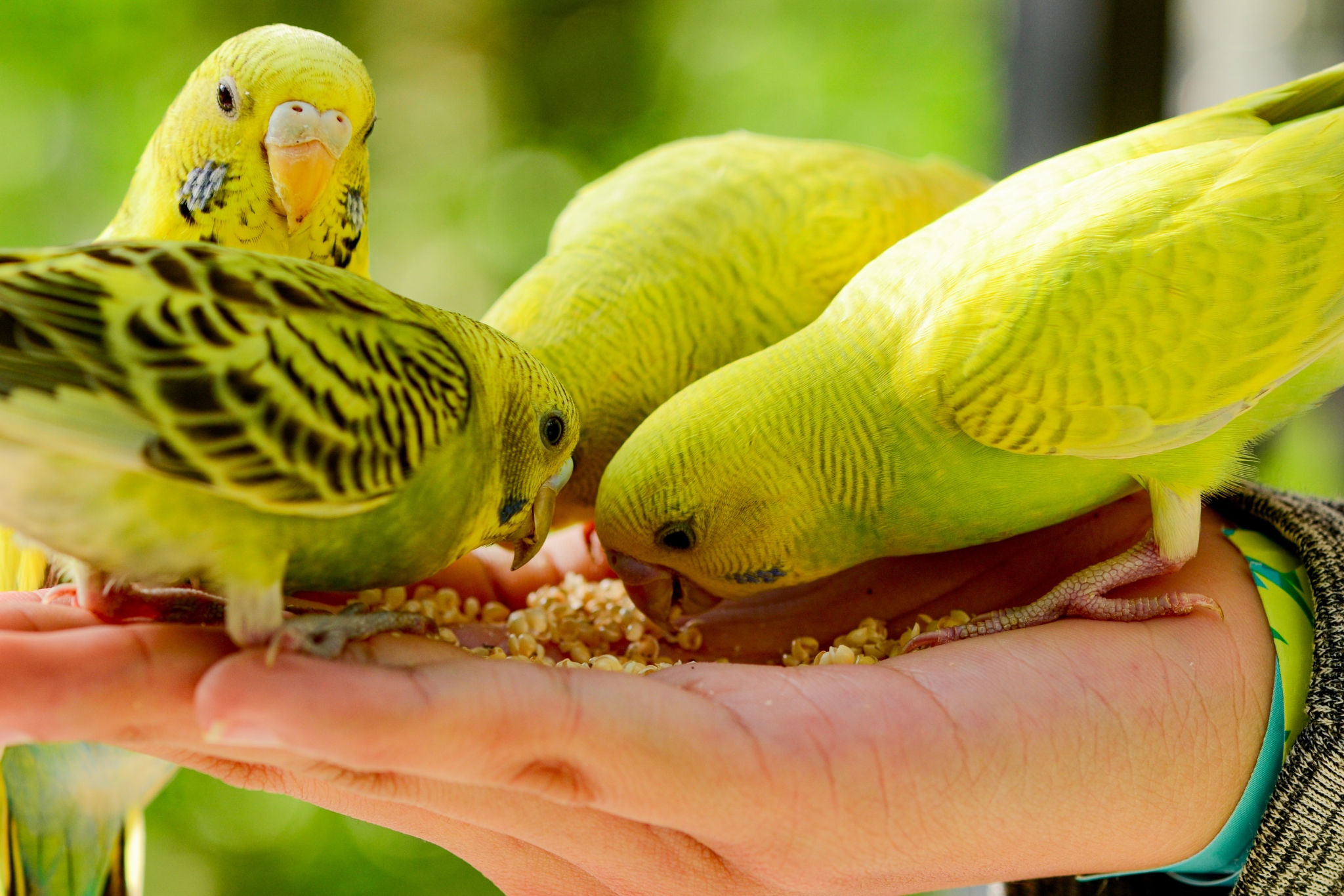
Treats are one of the easiest ways to add a little extra fun to your budgie’s day. They can be great for bonding, encouraging positive behaviors, adding enrichment, or simply giving your tiny feathered friend something special to enjoy.
The key is choosing treats that complement a healthy diet rather than compete with it. With so many options available—from millet sprays and fresh fruits to colorful commercial treat sticks—it can be hard to know what’s actually a good choice.
In this guide, we’ll cover the healthiest treats for budgies, how often to offer them, and a few simple tips for keeping treat time both fun and nutritious.
First, the Golden Rule of Parakeet Treats
Treats are meant to be exactly that—a treat. While they’re a wonderful way to reward your budgie or add a little excitement to their day, they should always be part of a balanced diet, not the main event.
Budgies are naturally prone to problems like weight gain and fatty liver disease, especially when they eat too many high fat seeds or sugary snacks.
To help keep them healthy, their daily diet should focus on high quality pellets and fresh vegetables, with treats being offered in moderation as an occasional extra rather than an everyday staple.
Keeping that balance in mind, here are some of the best healthy treats to add to your budgie’s rotation:
1. Millet Spray the Reigning Favorite
If parakeets had a love language, it would be millet. Most absolutely love it, and a natural millet spray offers more than just a tasty snack—it also encourages your bird to forage, nibble, and stay mentally engaged.
- Choose plain millet sprays without added sugars or preservatives, and offer them as an occasional treat rather than an everyday food.
- Hanging a spray in your bird’s cage once or twice a week gives your budgie a fun enrichment activity while satisfying those natural foraging instincts.
2. Fresh Fruit in Sensible Portions
Fresh fruit can be a great addition to your budgie’s treat rotation when it’s offered in moderation. Common favorites like apples, bananas, pears, and berries provide a little variety along with extra vitamins and antioxidants.
- Apples and Pears: always remove the core and seeds before serving, since the seeds contain compounds that can be harmful to birds
- Bananas: an easy option that needs very little preparation—just offer a small slice
- Berries: blueberries, strawberries, raspberries, and blackberries make colorful, nutrient rich treats that most budgies enjoy
|
3. Leafy Greens and Crunchy Vegetables
Fresh vegetables may not seem like traditional treats, but many budgies get just as excited about them as they do a spray of millet. They’re also one of the healthiest ways to add variety, enrichment, and extra nutrients to your bird’s diet.
Great choices include bell peppers, carrots, broccoli florets, kale, and dandelion greens.
Offering a colorful mix of vegetables throughout the week not only helps provide a wider range of nutrients, but it also encourages your budgie to explore different textures and flavors.
Rotating different veggies regularly can also help prevent picky eating and keeps mealtime interesting, and makes healthy foods something your budgie looks forward to.
4. Dried Mealworms The Protein Boost
This one usually surprises new budgie owners, but dried mealworms can make a great occasional treat. They’re packed with protein along with nutrients like iron and zinc, making them a high value reward that many birds really enjoy.
And since they’re dehydrated, they’re easy to store and serve—no live insects involved.
Just remember that they’re best offered in moderation. A small pinch once or twice a week is plenty as part of an otherwise balanced diet.
5. SPROUTED SEEDS
Sprouted seeds are another fantastic treat option for budgies. The sprouting process increases the availability of certain nutrients while reducing some of the fat content found in dry seeds, making them a healthier alternative to traditional seed mixes.
Many budgies also enjoy the fresh texture, and offering sprouted seeds adds a little variety to mealtime while encouraging their natural curiosity and foraging instincts.
They do take a bit more preparation, but for many bird owners, the extra effort is well worth it.
A Few Treats to Skip Entirely
While there are plenty of fun and healthy options to offer your budgie, there are also a few foods that should always stay off the menu:
|
When in doubt, stick with bird-safe fruits, vegetables, and appropriately chosen treats that support their overall diet.
The Takeaway
A happy, healthy budgie isn’t created by offering endless treats—it comes down to choosing the right ones with a little thought behind them.
Treat time should add enrichment, variety, and enjoyment while still supporting your bird’s overall nutrition.
Use favorites like millet spray and sprouted seeds for fun foraging opportunities, offer fresh fruits and vegetables for variety, and save options like mealworms for an occasional protein rich surprise.
The goal isn’t more treats—it’s better treats.
Your budgie may not know the difference between a nutritious choice and a convenient one, but their energy, feathers, and long term health certainly will.
|