11+ Best Guinea Pig Vegetables (and How Often to Feed Them)
Guinea pigs can’t make their own vitamin C — so the right vegetables matter. Here’s what to feed daily, weekly, and only as an occasional treat.
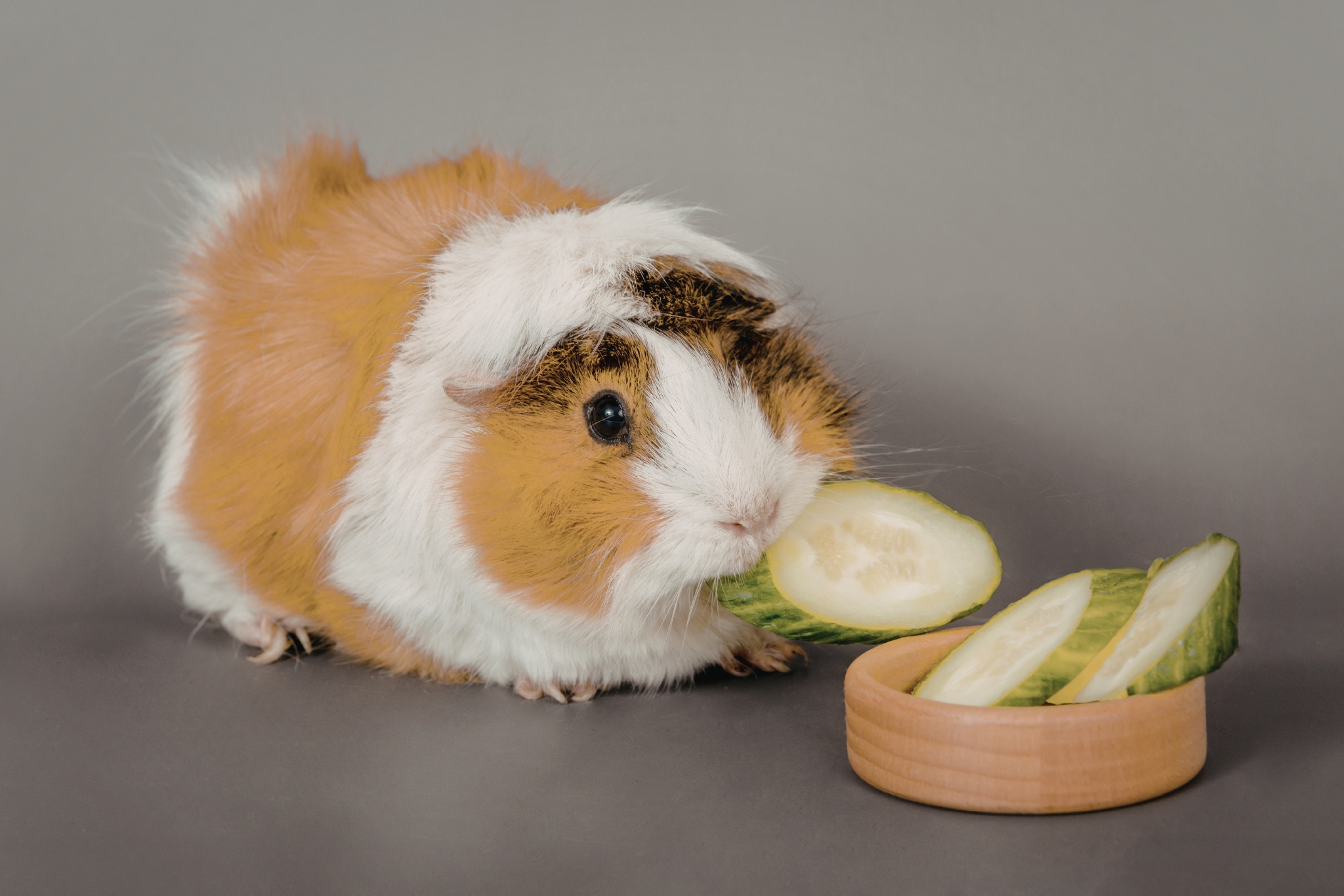
There’s something incredibly satisfying about watching a guinea pig discover a fresh serving of vegetables—the happy little popcorns, the excited squeaks, and the serious focus they give a favorite piece of bell pepper like it’s the best snack they’ve ever received. If you’ve lived with a guinea pig, you know exactly the kind of moment.
But behind those adorable reactions is an important question: are the vegetables you’re offering actually supporting their health?
Not every piece of produce is created equal, and the right rotation can make a huge difference.
Guinea pigs are unique little herbivores with one important dietary need: they can’t produce their own vitamin C. That means they depend on their daily diet to provide this essential nutrient.
That’s where the right foods come in. A thoughtful rotation of fresh vegetables helps provide the vitamin C they need while also supporting healthy digestion, a strong immune system, and overall well-being.
So let’s get into the best vegetables to add to their menu.
Why Vegetables Matter So Much for Guinea Pigs
Hay is the true foundation of a healthy guinea pig’s diet—fresh, unlimited, and available all day long to support healthy digestion and keep their constantly growing teeth properly worn down. Pellets also have their place, but vegetables are where much of the nutritional variety comes in, especially when it comes to meeting their vitamin C needs.
Most adult guinea pigs need roughly 10 to 30 mg of vitamin C each day, with pregnant, nursing, or unwell piggies often requiring more. Since vitamin C is fragile and breaks down over time with exposure to things like light, water, and aging food, fresh vegetables are one of the most reliable ways to provide a daily boost.
Of course, not every vegetable plays the same role in your guinea pig’s diet. Some are vitamin C superstars and make excellent regular additions to their veggie rotation, while others are naturally higher in calcium and are better offered in moderation to help support urinary health. And then there are the extra special options—the veggies that are perfectly fine as an occasional treat but are better saved for variety rather than becoming an everyday staple.
The trick is learning which veggies belong in your guinea pig’s regular rotation—and which ones are better saved for special snack time.
The Daily All-Stars
These 6 vegetables deserve a regular spot in your guinea pig’s bowl—fresh, varied, and rotated throughout the week to keep things nutritious and interesting:
Bell Peppers
If guinea pig veggies had a superstar, bell peppers would be a top contender. Red and yellow peppers are especially packed with vitamin C while staying relatively low in calcium, making them one of the easiest ways to help meet your piggie’s daily needs. They’re also a huge favorite with many guinea pigs, which makes healthy eating a little easier.
Romaine and Leaf Lettuce
Iceberg lettuce is best skipped—it’s mostly water and doesn’t offer much nutritional value. Romaine, green leaf, and red leaf lettuce are much better options, providing more nutrients and a good balance for regular feeding.
Cilantro and Other Herbs
Herbs are more than just a sprinkle of flavor in the guinea pig world. Cilantro and parsley can both add variety and valuable nutrients to your cavy’s menu.
Keep in mind that parsley is higher in calcium, so it’s better as a rotation item rather than an everyday staple, especially for guinea pigs prone to urinary concerns.
Cucumbers
Fresh, hydrating, and easy to enjoy, cucumber is a simple addition that many guinea pigs happily munch on. It’s low in calories and makes a nice everyday veggie option, though it should be paired with more vitamin C rich foods since it isn’t a major source on its own.
Carrots and Carrot Tops
Carrots are a classic guinea pig favorite for a reason. The leafy carrot tops are also a great option and shouldn’t be overlooked.
Since carrots are naturally higher in sugar, they’re best offered as a tasty accent rather than the main vegetable on the menu.
The Rotate-In Favorites
These vegetables are still great options, but they come with a little extra consideration. Because they’re higher in calcium or have a stronger nutritional profile, they’re best enjoyed as part of a rotation rather than appearing in the bowl every single day.
Spinach and Beet Greens
Both are packed with nutrients and many guinea pigs absolutely love them. The catch is that they’re higher in calcium and oxalates, so they’re better offered a few times a week instead of daily. This is especially important for guinea pigs that are prone to urinary issues.
Tomatoes
A juicy little favorite that can add variety and vitamin C to your piggie’s menu, tomatoes are best served ripe and prepared properly. Think of tomato as a fun addition to the rotation rather than an everyday vegetable. Don’t forget to remove the stem and leaves completely, since those parts of the plant aren’t safe for guinea pigs.
Kale
Kale is a nutrient powerhouse and can be a great part of a balanced veggie lineup. Since it’s another calcium rich green, it’s best saved for a few times a week rather than becoming the daily go-to.
The Special Occasion Crowd
These vegetables aren’t off the menu—they just need a little more moderation. A small amount can be perfectly fine, but they’re better as occasional additions rather than everyday staples.
Broccoli, Cauliflower, and Brussels Sprouts
Cruciferous vegetables can provide valuable nutrients and vitamin C, but they also have a reputation for causing extra gas in some guinea pigs.
Since digestive discomfort is never fun for a little cavy, introduce these slowly and watch for any signs of bloating or changes in behavior.
Cabbage
Cabbage falls into the same family, so it comes with the same reminder: moderation is key. Small, occasional portions are the best approach to let your guinea pig enjoy the variety without upsetting their tummy.
A Few Ground Rules Worth Following
A few simple habits can make introducing vegetables easier and help keep your guinea pig’s tummy happy:
1. Introduce new foods slowly.
Guinea pigs have sensitive digestive systems, and sudden changes can lead to stomach upset. Add new vegetables one at a time so you can see how your piggie responds.
2. Wash everything well.
Fresh produce should always be rinsed thoroughly, and anything wilted, spoiled, or past its expiration date should be skipped.
3. Keep the menu varied.
The goal is variety, not feeding the same vegetable every day. Rotating different options helps naturally balance nutrients like calcium, oxalates, and sugar.
4. Be mindful with calcium rich greens.
If your guinea pig has a history of bladder sludge or stones, higher calcium vegetables are something to discuss with your exotics vet.
5. Don’t rely on vegetables alone for vitamin C.
Fresh produce is an important part of meeting their needs, but some guinea pigs are picky or don’t eat enough consistently. A plain vitamin C supplement can provide extra peace of mind and help protect against deficiencies.
The Bottom Line
Feeding your guinea pig a healthy diet doesn’t have to be complicated—it just takes a little consistency and thoughtfulness.
Build their everyday veggie rotation around favorites like bell peppers, leafy greens, and fresh herbs. Keep calcium rich vegetables as occasional additions, offer cruciferous veggies in smaller amounts, and always make sure unlimited fresh hay remains the foundation of their diet.