
Caiman Lizard Diet 101 The Expert Feeding Guide Every Owner Needs
Take the guesswork out of your lizard’s diet. This complete diet guide covers everything from snail feeding schedules to calcium dusting, so your Dracaena guianensis thrives.
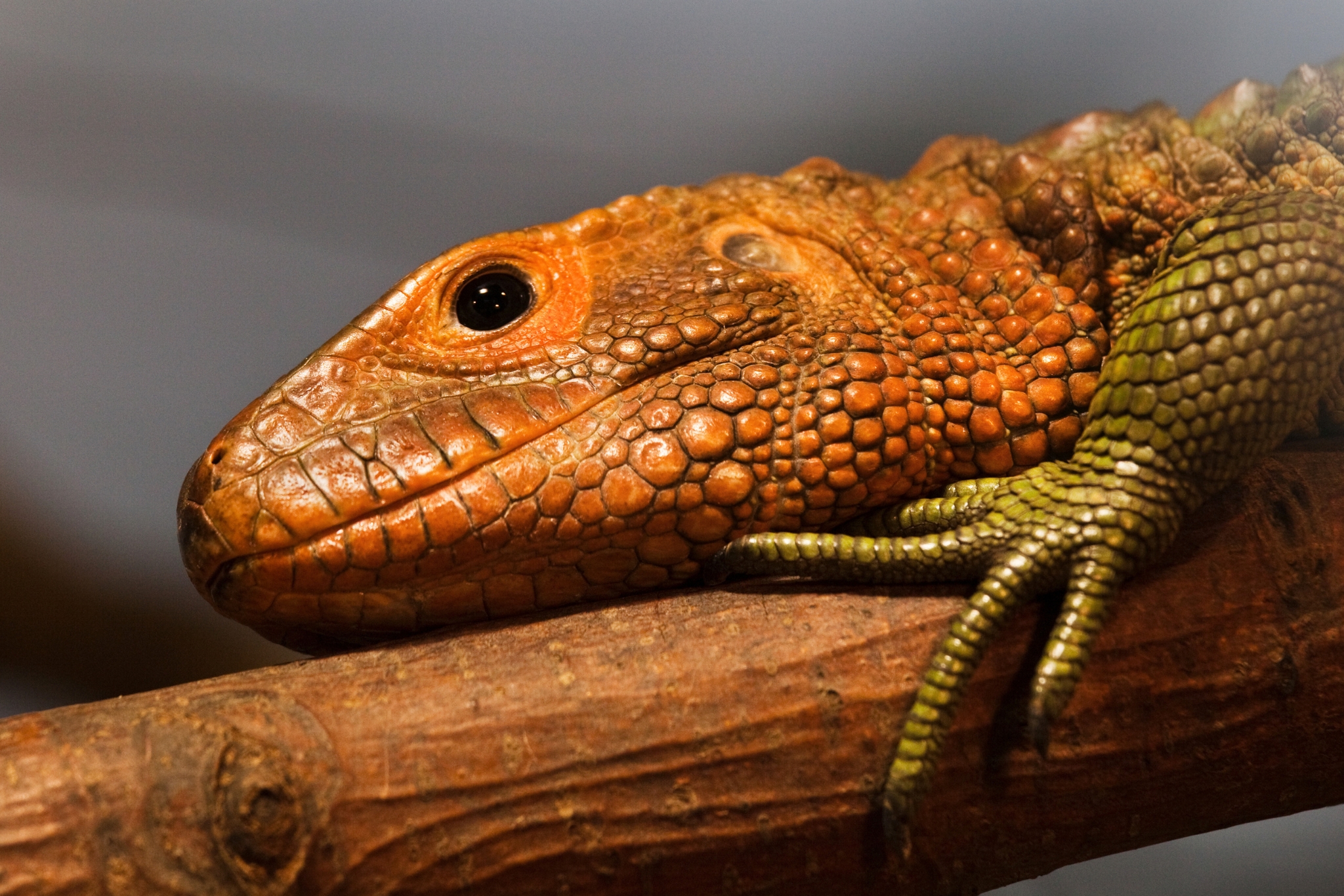
If you’ve ever watched a caiman lizard casually crush a snail shell like it’s a tiny snack, you already know these reptiles are in a category of their own.
With their rugged, armored scales, powerful jaws, and prehistoric good looks, Caiman lizard look like they stepped straight out of the Jurassic era and into the modern world.
But behind that incredible appearance is a very specific set of care needs… especially when it comes to nutrition.
Caiman lizards aren’t your average reptile, and feeding them correctly plays a huge role in keeping them healthy, active, and thriving. The wrong balance can quickly lead to health issues, while the right approach supports a strong and vibrant animal for years to come.
Think of this as your ultimate feeding guide for keeping your caiman lizard happy, healthy, and perfectly fueled—shell crushing instincts included.
Meet the Caiman Lizard A Quick Refresher
Before we talk about what goes in the food bowl, let’s start with a little background.
Despite their name, caiman lizards aren’t related to true caimans—they simply earned the nickname because of their impressive prehistoric armored appearance.
Native to the flooded forests, wetlands, and slow moving waterways of the Amazon Basin, these semi-aquatic lizards are perfectly adapted to life around water. In the wild, they spend much of their time swimming, climbing, and searching along muddy riverbanks in search of food.
That natural history is the key to understanding their nutritional needs in captivity. Caiman lizards are specialized molluscivores, meaning their powerful jaws, crushing teeth, and digestive system are all designed around eating hard shelled prey.
And when you’re caring for a pet caiman lizard, the goal is to recreate that natural feeding strategy as closely as possible.
Because understanding what makes these lizards unique is the first step toward keeping them healthy, active, and thriving for years to come.
What Do Caiman Lizards Eat in the Wild?
Think of a caiman lizard’s jaws as nature’s own set of nutcrackers—perfectly designed for crushing through apple snails, freshwater mussels, and other shelled invertebrates with ease.
And their incredible bite strength isn’t just for show—it’s a reflection of millions of years of adaptation to a very specific diet.
While snails are the true centerpiece of their menu, caiman lizards are also opportunistic hunters and will take advantage of a variety of foods in the wild, including:
- crustaceans like crayfish and freshwater crabs
- insects and insect larvae
- small fish
- Worms
- the occasional bit of fruit
That said, shelled prey is the foundation of what they naturally seek out.
In captivity, a successful feeding plan should reflect that same balance—keeping shell-on foods as the star of the menu while adding variety to create a nutritious, species appropriate diet.
The Core of a Captive Caiman Lizard Diet
When it comes to feeding a caiman lizard, variety really does matter—but the foundation should always reflect what these reptiles are naturally built to eat.
Their bodies were designed for a shell cracking lifestyle, so the best captive diets start with the foods that let them use those powerful jaws the way nature intended.
1. Snails Are the Main Event
Snails should make up the foundation of your caiman lizard’s diet. Experienced keepers often prioritize shelled prey at the majority of feedings because it provides both nutrition and important natural enrichment.
Great options include:
- Apple snails (Pomacea species) — a popular staple that is often readily available and comes in a variety of appropriate sizes
- Garden snails (Helix species) — a useful rotating option, as long as they are safely sourced and free of pesticides
- Ramshorn snails — a great choice for smaller or younger caiman lizards
- Mystery snails — another commonly available aquatic option
Watching a caiman lizard crush a shell is impressive, but it serves a real purpose. That natural feeding behavior provides mental stimulation while helping support the jaw strength and dental wear patterns their bodies evolved for.
Always purchase feeder snails from a trusted supplier or maintain your own breeding colony. Snails that are collected from the wild can carry parasites, pesticides, or environmental contaminants, making them a risky choice for your pet.
2. Crustaceans Add Natural Variety
Crustaceans are another excellent addition to a caiman lizard’s menu and closely resemble prey they would encounter in the wild. Crayfish are a favorite option, and freshwater shrimp can also be a great choice.
As with all feeder animals, remember to source your lizard’s food items responsibly. Avoid collecting prey from unknown ponds, streams, or waterways where pollutants, parasites, or chemical exposure could be a concern.
3. Insects and Feeder Bugs
While insects shouldn’t replace shelled prey as the foundation of the diet, they make an excellent rotating option and add variety to your pet’s diet.
Good choices include:
- Dubia roaches
- Superworms
- Earthworms and nightcrawlers (these are usually a favorite!)
- Silkworms
4. Occasional Protein Extras
Some additional protein sources can be offered from time to time, but they should be considered occasional treats rather than everyday staples.
Options may include:
- Plain cooked white fish
- Boiled egg
- Lean, unseasoned cooked meats
5. Fruit (A Rare Treat)
Some caiman lizards may show interest in soft fruits like mango, banana, or berries. While it can be fun to offer variety, fruit should remain a very small part of their overall diet and never replace the shelled prey their bodies are designed to digest.
The goal is simple: create a feeding plan that honors your caiman lizard’s natural instincts.
Focus on species appropriate foods, offer thoughtful variety, and provide a menu that supports the way these incredible reptiles are designed to eat. When their diet reflects their wild behavior, you’re giving your caiman lizard the best foundation for a healthy, active, and thriving life.
Sample Feeding Schedule
Here’s a general feeding framework that many experienced keepers use as a starting point.
Keep in mind that every caiman lizard is an individual, so adjustments should always be made based on factors like age, size, activity level, and overall body condition.
Feeding Schedule by Life Stage
A quick reference guide for keeping your caiman lizard’s diet on track, from hungry juvenile to settled adult.
| Life Stage | Feeding Frequency | Focus |
|---|---|---|
| Juveniles | Daily | Smaller snails, worms, appropriately sized insects |
| Sub-adults | Every 1–2 days | Growing snail portions, crayfish rotation |
| Adults | 2–3x per week | Larger snails, crayfish, occasional protein treats |
Always adjust portions based on your individual lizard’s age, size, and body condition.
Discovery
Calcium, Vitamins, and Supplementation
Even with a diet centered around shell-on prey, thoughtful supplementation can still play an important role in a caiman lizard’s overall care routine. The goal is to support a balanced nutritional profile while allowing their natural feeding behaviors to do much of the work.
As always, supplements should be viewed as a supporting tool—not a replacement for a thoughtfully designed diet built around appropriate whole prey.
At the end of the day, the best nutrition plan combines species appropriate foods, proper variety, and careful attention to your individual caiman lizard’s needs. When in doubt, work with an experienced reptile veterinarian to develop a feeding plan that fits your lizard’s age, health, and lifestyle.
Hydration Matters More Than You’d Think
As semi-aquatic reptiles, caiman lizards rely heavily on their environment to support their hydration needs.
A spacious and clean water area isn’t just an attractive addition to their enclosure—it plays an important role in their overall health, helping support digestion, hydration, and healthy shedding.
A proper water feature also allows your caiman lizard to engage in natural behaviors like swimming, soaking, and exploring. However, because these lizards often eat, swim, and yes—use the same water as their bathroom—the water quality needs careful attention.
If you want to be successful, regular cleaning and reliable filtration are absolutely essential.
Fresh, clean water helps create an environment where your caiman lizard can thrive and encourages the natural behaviors that make these incredible reptiles so unique.
Common Feeding Mistakes to Avoid
Even with the best intentions, a few common feeding mistakes can create problems over time. Understanding what your caiman lizard needs—and what to avoid—goes a long way toward keeping them healthy and thriving.
1. Skipping the shell crushing experience
Feeding only soft bodied foods, such as worms or pre-shelled snail meat, removes an important part of your caiman lizard’s natural feeding behavior.
Shell cracking provides enrichment, encourages natural jaw use, and helps support the physical adaptations these reptiles are known for.
2. Overdoing rich treats
Cooked meats and fruit can be offered occasionally, but they should never become the main course. Too many high fat or nutrient imbalanced treats can contribute to weight gain and long term health concerns.
3. Using wild caught feeders
It may seem convenient to collect prey from the outdoors, but wild feeders can carry parasites, pesticides, or other contaminants.
A trusted feeder source is a much safer choice for your reptile’s health.
4. Being inconsistent with supplementation
A balanced diet is the foundation, but supplementation still matters—especially for growing juveniles.
Consistent calcium support and proper nutrition help support healthy development and reduce the risk of nutritional deficiencies.
5. Underestimating portion control
Caiman lizards are enthusiastic eaters, and their appetite can make it tempting to offer more.
While a hungry lizard may always seem ready for another meal, consistent overfeeding—especially with protein heavy extras—can lead to unnecessary weight gain and health issues.
The key is balance: provide the foods that support their natural biology, offer variety thoughtfully, and build a routine that keeps your caiman lizard healthy for the long term.
|
Foods
Support natural biology
|
Variety
Offered thoughtfully
|
Routine
Built for the long term
|
The Bottom Line on Feeding Your Dinosaur
Caiman lizards are truly one of a kind reptiles to keep—they’re part prehistoric powerhouse, part curious aquatic companion, and surprisingly charming once they settle into their environment.
Their unique appearance and specialized diet make them a rewarding (and sometimes challenging) species for keepers who are ready to meet their needs.
Get the nutrition right—with a snail dominant diet, appropriate supplementation, and thoughtful variety from options like crustaceans and insects—and you’ll be giving your lizard the foundation they need for a long, healthy, and naturally enriching life.