How to Bond With Your New Horse Expert Tips for Building a Lifelong Partnership
Build a deep, trust based bond with your new horse using these 10 expert tips — from day one groundwork to grooming secrets that speak your horse’s language.
- Why Bonding With a New Horse Takes Time (and That’s Okay)
- Give Your Horse Time to Settle Before You Push Anything
- Spend More Time at the Barn Than You Think You Need To
- Make Grooming Your Secret Weapon
- Learn to Read Your Horse’s Body Language
- Be the Calm, Consistent Leader Your Horse Is Looking For
- Do Groundwork Before You Get in the Saddle
- Use Positive Reinforcement — Including Treats (Yes, Really)
- Reward Good Work by Ending Early
- Make Sure Your Horse Is Happy in Their Whole Life
- Don’t Rush to Ride — Earn the Right to the Saddle
- A Few Things to Avoid When Bonding With a New Horse
- How Long Does It Actually Take to Bond With a New Horse?
- Final Thoughts on Bonding With Your Horse
So… you brought home a new horse—cue the happy dance! ✨
Whether this is your very first horse or you’re adding another partner to the barn, those first few weeks together are some of the most exciting (and yes, sometimes a little humbling) moments of horse ownership.
It’s completely normal to have big dreams, a few butterflies, and about a hundred plans for all the adventures ahead. Meanwhile, your new horse is just trying to figure out who this new human is and what life looks like now.
Here’s a barn secret nobody talks about: your horse doesn’t have to fall in love with you on day one—the real magic happens as trust grows, one ride and one quiet moment at a time.
Think of it like becoming best friends. The strongest partnerships are built through consistency, patience, and simply showing up, day after day.
Before long, those quiet grooming sessions, hand walks, and little wins will turn into the kind of connection every horse owner hopes for—a partnership built on trust, confidence, and plenty of unforgettable moments.
Let’s dive in!
Why Bonding With a New Horse Takes Time (and That’s Okay)
Before diving in, it’s worth setting one expectation: meaningful partnerships aren’t built overnight.
Movies and television often make it seem as though horses instantly adore their new owners, forming an effortless and unbreakable connection from day one.
In reality, anyone who has spent time around horses knows that trust is something that has to be earned. Some horses are naturally curious and quick to connect, while others need time to feel safe enough to let their guard down.
As exciting as it is to bring home a new horse, remember that your enthusiasm may not be immediately shared. While you’ve likely been counting down the days to meet them, your horse is adjusting to a new environment, a new routine, and a new person.
And like any lasting relationship, the best partnerships develop through patience, consistency, and positive experiences—not instant chemistry.
Keep in mind that every horse’s timeline is different. A horse with a history of kind, thoughtful handling may settle into a new partnership quickly, while one that has experienced inconsistency or poor treatment may need more time to build confidence.
Neither is a reflection of you—it’s simply part of each horse’s unique story.
The key is to let the relationship unfold naturally. Celebrate the small wins, stay consistent, and enjoy the process of getting to know one another.
Now, let’s look at the simple ways you can start building that connection from day one:
1. Give Your Horse Time to Settle Before You Push Anything
When you first bring your new horse home, it can be tempting to jump right into riding, training, or testing out all the plans you’ve been imagining.
But one of the best things you can do—for both of you—is to slow down.
Like, way down.
Your horse has just experienced a major life change. They’ve left behind the herd, routine, and surroundings they’ve known, and they’re taking in an entirely new environment. Before asking anything of them, give them the opportunity to settle in, decompress, and simply feel safe.
Those first interactions really do matter. Rather than immediately filling every moment with expectations, focus on creating calm, positive experiences.
Let your horse come to you, respect their personal space, and use a quiet voice and gentle touch to help them relax. A few peaceful moments spent together can do far more for your partnership than an ambitious first ride.
Whenever possible, give your horse at least a week—and ideally two—to adjust before introducing more structured training.
Instead, spend time simply being together. Hand graze around the property, enjoy an unhurried grooming session, or pull up a chair outside their stall while they eat their hay. These quiet moments allow your horse to learn that your presence brings comfort… not just pressure.
Not every visit to the barn needs to involve a saddle. Some of the strongest bonds are built during the quiet, ordinary moments — watching your horse graze, lingering after chores, or simply sharing the same space. When your horse learns that your presence doesn’t always come with expectations, trust has the opportunity to grow naturally.
2. Spend More Time at the Barn Than You Think You Need To
If there’s one takeaway to remember, it’s this: consistency is everything.
Building a genuine partnership with your horse isn’t measured by the number of rides you log—it’s measured by the quality and consistency of the time you spend together.
And every interaction matters. Feeding, grooming, hand grazing, or simply standing quietly together all contribute to the relationship you’re building. In fact, some of the most meaningful moments happen when your horse learns that your presence isn’t always tied to work.
Make time to visit the barn, even on days you aren’t planning to ride. Stop by for a few extra scratches and a favorite treat, enjoy a leisurely hand graze after your ride, or spend a few minutes brushing them before heading home.
These small, everyday rituals may seem ordinary, but they help your horse associate you with comfort, security, and positive experiences.
3. Make Grooming Your Secret Weapon
Never underestimate the power of a good grooming session. While it’s often treated as a quick pre-ride task, grooming is actually one of the easiest—and most effective—ways to strengthen your relationship with your horse.
Think of grooming as more than a way to remove dust and mud. It’s an opportunity to slow down, communicate, and learn more about your horse’s individual preferences.
Pay attention to which brushes you horse seems to enjoy, where they lean into your touch, and the spots that earn you a blissful lowered head or a sleepy, half closed eye. Those little details tell you a lot about what makes your horse feel comfortable and relaxed.
And there’s a legitimate scientific reason this works so well. In the wild, horses engage in mutual grooming as a way to reinforce social bonds within the herd. By grooming your horse with patience and intention, you’re participating in a behavior that’s naturally familiar to them—and one that helps build trust over time.
Rather than rushing through your grooming routine, treat it as quality time together. Experiment with different brush textures, linger over your horse’s favorite scratching spots, and use the opportunity to check for any cuts, swelling, or areas of sensitivity.
The more attentive you are, the more your horse learns to associate your presence with comfort and care.
4. Learn to Read Your Horse’s Body Language
A strong partnership begins with understanding how your horse communicates. The better you can read their body language, the easier it becomes to earn their trust and respond in ways that make them feel safe and understood.
Horses are constantly communicating, even when they aren’t making a sound. Their ears, eyes, facial expressions, posture, and overall energy provide valuable clues about how they’re feeling.
Learning to recognize those subtle signals allows you to adjust your approach and build a relationship based on mutual understanding rather than guesswork.
As your horsemanship grows, you’ll begin to notice even more nuanced forms of communication. Ear position, the tension around the muzzle, the way your horse shifts their weight, or even the rhythm of their breathing can all offer insight into what they’re experiencing in the moment.
And the more observant you become, the more confidently you’ll be able to respond to your horse with patience and empathy.
5. Be the Calm, Consistent Leader Your Horse Is Looking For
Horses are naturally social animals, and in a herd they look to one another for guidance and security.
As you build your partnership, your goal isn’t to dominate your horse—it’s to become the calm, dependable presence they can trust when faced with something new, scary, or uncertain.
And your energy matters more than you may realize. Horses are incredibly perceptive and often mirror the emotions of the people around them.
If you approach your horse feeling rushed, frustrated, or anxious, they’re likely to become more alert themselves. But when you show up with a quiet, confident demeanor, you create an environment where your horse can relax and focus.
Before you step into the barn, take a moment to leave the stress of the day behind. Slow your pace, breathe deeply, and be intentional with your movements. That sense of calm doesn’t just benefit you—it helps your horse feel way more secure too.
Equally important is consistency. Horses thrive on clear communication and predictable routines. Use the same cues, reinforce the same expectations, and follow through in a fair, consistent way each time you work together.
When your horse knows what to expect from you, they’ll become more confident in their responses and more trusting of your leadership.
Over time, your horse will begin to see you as a steady and reliable partner—someone who offers guidance rather than uncertainty. And that’s where real confidence, trust, and a lasting partnership can begin.
6. Do Groundwork Before You Get in the Saddle
If you’re looking to strengthen your connection with your horse, don’t overlook the value of groundwork.
Some of the most meaningful trust building happens before you ever put a foot in the stirrup. Working together from the ground creates a foundation of communication, confidence, and mutual respect that carries into every ride.
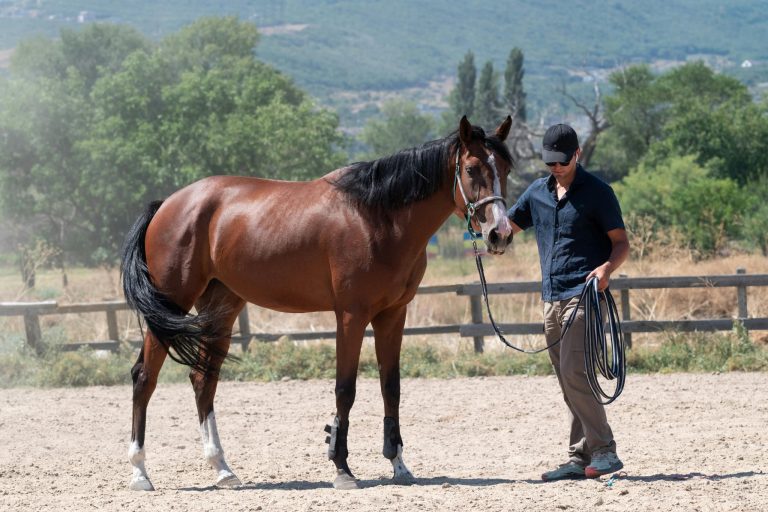
Groundwork doesn’t have to be complicated to be effective—leading politely, halting on cue, backing softly, yielding the shoulders and hindquarters, or practicing simple turns all encourage your horse to pay attention and respond thoughtfully. These exercises help establish clear communication while teaching your horse that you’re a consistent, fair partner they can rely on.
Beyond improving responsiveness, groundwork gives you the opportunity to learn how your horse thinks and reacts without the added variables of riding.
It also encourages patience, builds confidence, and creates countless opportunities to reward your horse for making good choices—strengthening your partnership one interaction at a time.
Perhaps most importantly, remember that training doesn’t begin when you pick up a lead rope or end when you put it away. Every interaction with your horse is part of your relationship. From morning feeding and turnout to grooming, stall cleaning, and bringing them in from the pasture, you’re constantly teaching your horse what to expect from you.
Approach those everyday moments with the same consistency and intention you bring to formal training sessions. Over time, it’s those small, thoughtful interactions—not just the hours spent in the arena—that create a horse who trusts you, understands you, and genuinely enjoys being your partner.
7. Use Positive Reinforcement Including Treats (Yes, Really)
Positive reinforcement can be a wonderful way to strengthen your relationship with your horse.
When they’re used thoughtfully, treats help reinforce good behavior and create positive associations with your time together. The key is to reward intentionally, rather than offering treats so frequently that your horse begins to expect them or develops pushy manners.
Simple favorites like carrot pieces, apple slices, or commercially made horse treats can all make excellent rewards. Reserve them for moments when your horse responds calmly, stands politely, or offers the behavior you’re asking for (this helps your horse connect the reward with making a good choice).
Treats are even more effective when they are paired with other forms of positive reinforcement. A kind word, a scratch on a favorite itchy spot, or a moment to simply relax together all help reinforce the experience.
Of course, treats are only one piece of the puzzle. While they can encourage learning and help create positive associations, they aren’t a substitute for patience, consistency, and quality time together.
8. Reward Good Work by Ending Early
One of the best horsemanship lessons you’ll ever learn is knowing when to call it a day.
It can be tempting to squeeze in one more exercise or ask for one more perfect effort, but some of the strongest partnerships are built by ending on a positive note.
When your horse offers a great response, consider making that your finish line. If they master a new exercise, navigate a spooky obstacle with confidence, or simply have an especially relaxed, willing ride, reward that effort.
Hop off a few minutes early, take them for a leisurely hand graze, or enjoy a quiet walk back to the barn together. Those moments reinforce that trying their best leads to a positive experience.
Ending a session on a successful note does more than preserve a good mood—it builds your horse’s confidence and enthusiasm for the next ride.
Of course, not every ride will be perfect, and that’s okay. The goal isn’t perfection—it’s recognizing progress and celebrating it.
By rewarding effort, staying fair in your expectations, and resisting the urge to keep asking for “just one more,” you’ll create a horse that approaches each session with confidence, willingness, and trust.
9. Make Sure Your Horse Is Happy in Their Whole Life
A strong bond with your horse doesn’t exist separately from their overall well-being.
A horse who is uncomfortable, stressed, underfed, in pain, or lacking proper social interaction usually has a harder time relaxing enough to form a connection.
Sometimes what looks like resistance or distance isn’t a lack of trust—it may be your horse communicating that something needs attention.
Building a partnership means looking at the whole picture. Consider your horse’s daily life beyond your time together: their routine, environment, nutrition, health, and social needs.
Ask yourself: does my horse feel safe and comfortable in their world, and what can I do to improve it?
Horses are naturally social animals, and their surroundings play an important role in their emotional well-being. Thoughtful turnout, compatible herd mates, and a consistent routine can all help your horse feel more secure and settled.
Regular care is another essential part of building trust. Routine dental care, veterinary checkups, appropriate nutrition, quality forage, and proper management aren’t just about keeping your horse healthy—they directly impact their comfort and ability to engage with you.
If you’re welcoming a new horse into your life, scheduling a wellness exam within the first few weeks is a valuable first step. Establishing a baseline for their health helps identify any concerns early and gives you the best foundation for a happy, healthy partnership.
After all, trust starts with meeting your horse’s needs. When a horse feels cared for in every aspect of their life, they’re far more able to relax, feel secure, and build a meaningful connection with you.
10. Don’t Rush to Ride Earn the Right to the Saddle
In a world where we are used to instant results, it can be tempting to fast forward to the part where you are in the saddle, exploring trails and making memories with your new horse.
But one of the most valuable things you can give your partnership in the beginning is time.
Resist the urge to rush.
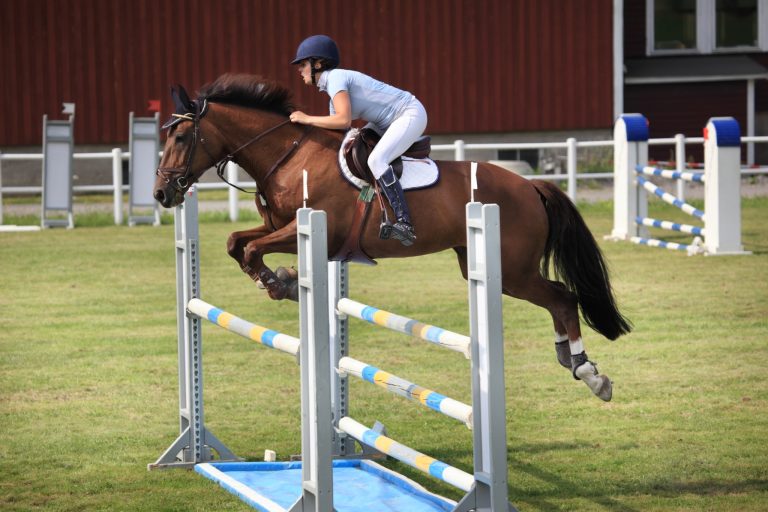
One of the most common mistakes new horse owners make is focusing on riding before they’ve taken the time to truly understand their horse. Those first weeks are an opportunity to build the foundation: spend time on the ground, groom without a schedule, learn their personality, and create a relationship built on trust.
The rides will come—and they will be far more rewarding because of the time you invested beforehand. Horses are incredibly social animals, and the more consistently you show up in a calm, positive way, the more comfortable and connected they become with you.
Even a few intentional hours each week spent simply being together can make a meaningful difference. Over time, your horse will begin to recognize you as a familiar, trusted presence rather than just the person who arrives with a saddle.
When you do begin riding, keep those first sessions relaxed and enjoyable. Focus on simple successes, explore at a comfortable pace, offer plenty of encouragement, and finish while things are still going well.
The goal isn’t to accomplish everything at once—it’s to continue building a partnership. The saddle is simply the next step in a relationship that started on the ground.
A Few Things to Avoid When Bonding With a New Horse
Knowing how to build a strong connection with your horse is important—but understanding what can unintentionally get in the way is just as valuable. Even with the best intentions, some common mistakes can slow the bonding process.
| #1 |
Trying to Force the Relationship
Trust can’t be rushed—and every horse has their own personality, history, and timeline for feeling comfortable. Pushing for connection before your horse is ready can create tension rather than trust. Give your horse the space to get to know you and allow the relationship to develop naturally. |
| #2 |
Bringing Your Bad Day to the Barn
Horses are incredibly sensitive to energy and emotion—and they often notice our mood before we’ve even haltered them. If you’re feeling stressed, frustrated, or distracted, take a moment to reset before stepping into your horse’s space. Remember: a calm and present handler helps create a calm and confident horse. |
| #3 |
Being Inconsistent
Clear communication builds confidence. If the same request looks different every time, your horse may struggle to understand what you’re asking. Establish consistent cues, fair expectations, and predictable responses so your horse knows they can rely on you. |
| #4 |
Only Showing Up When There’s Work to Do
Your horse should learn that your presence isn’t always about training, exercise, or having a job to complete. Some of the most meaningful connection happens during the quiet moments—grooming, hand grazing, or simply spending time together with no agenda. |
| #5 |
Expecting the Bond to Happen Overnight
Some horses settle in quickly, while others need weeks or even months to fully open up (both experiences are completely normal). Don’t forget that every horse brings their own history and personality to the relationship, and the strongest partnerships are built through patience, consistency, and trust over time. The goal isn’t to create a bond as quickly as possible—it’s to create one that lasts. |
How Long Does It Actually Take to Bond With a New Horse?
The honest answer is that it depends—and that’s part of what makes every horse and human partnership so special.
Building a true connection takes time, patience, and plenty of shared experiences. You and your horse need opportunities to learn each other’s communication styles, preferences, and personalities.
What works beautifully with one horse may not resonate with another, because every horse brings their own history, temperament, and way of connecting.
For most horse owners who consistently show up and invest in the relationship, you’ll begin to notice meaningful changes within the first 1 to 3 months. Your may notice your horse becoming more relaxed around you, more responsive to your cues, and more eager to interact.
A deep, truly trusting partnership—the kind where your horse recognizes your footsteps, nickers when they see you, or comes to greet you at the gate—often takes 6 months, a year, or even longer. And that’s not something to rush, because it’s a reflection of the trust you’ve built together.
Final Thoughts on Bonding With Your Horse
Building a bond with a new horse is one of the most rewarding parts of the equestrian journey. It asks you to slow down, stay present, and approach the relationship with patience, consistency, and an open mind.
In return, you gain something truly special: the trust of a 1,200 pound partner who chooses to connect with you, listen to you, and share the journey alongside you.
Like any meaningful relationship, a strong horse and human partnership is built through time and shared experiences.
It grows through the quiet moments—the grooming sessions, the walks around the property, the rides that go well, and even the challenges you work through together. Every interaction is an opportunity to learn more about each other and strengthen the foundation of trust and respect.
The things that build a lasting bond often seem simple: showing up, offering patience, paying attention, and creating positive experiences.
But those small moments add up. And over time, they shape a horse who feels confident in your presence and a partnership that can grow in any direction you dream of taking it.
Be patient. Be consistent. Be present.
Your horse is paying attention to every interaction, every gesture, and every moment you share. And little by little, they just might be deciding that you’re their favorite person too.