Can You Have a Pet Binturong? The Truth About Bearcat Ownership
Everything you need to know about the popcorn-scented creature captivating the exotic animal world — and why the answer is almost certainly no.
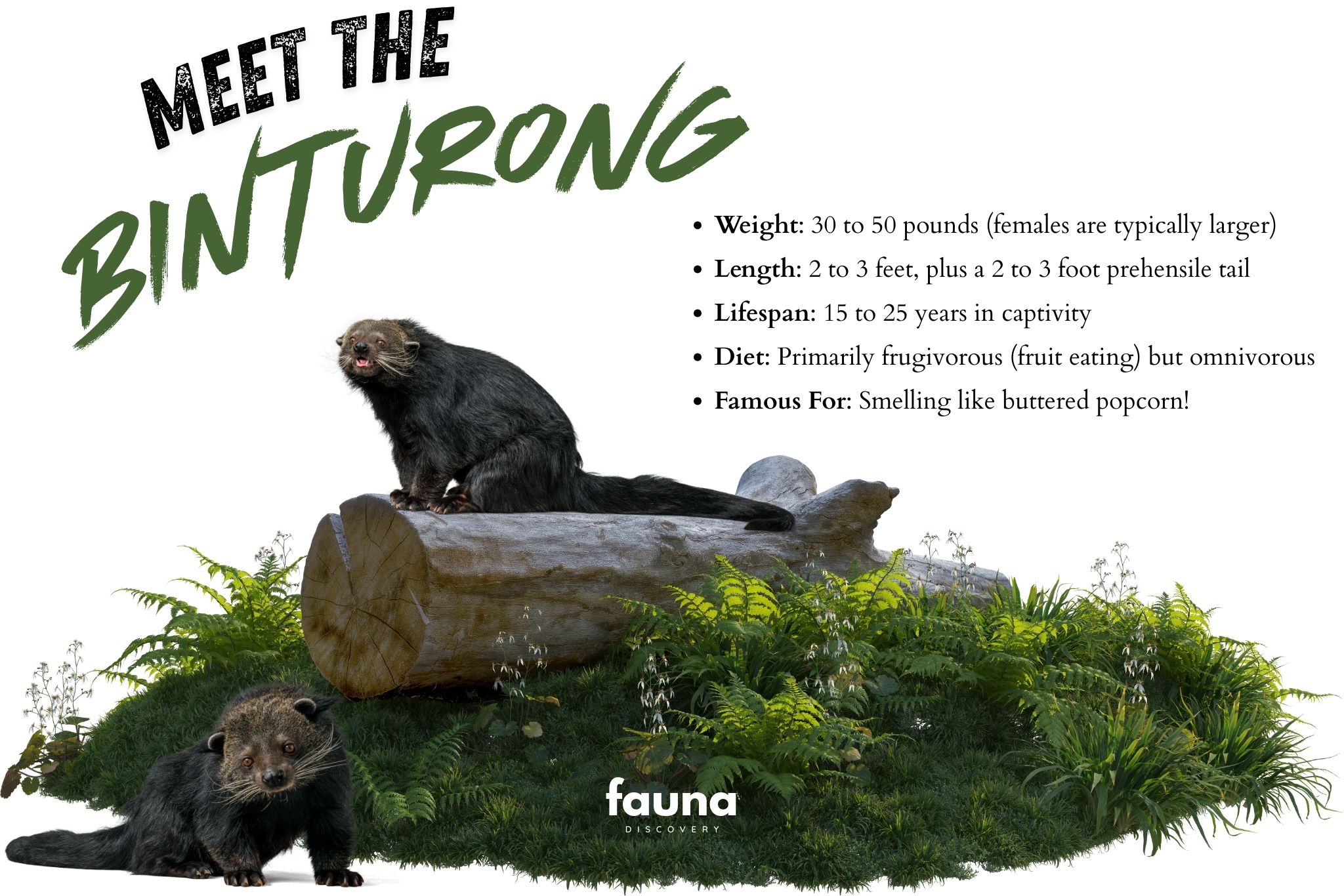
If you’ve ever caught a whiff of buttered popcorn at the zoo and wondered where it was coming from, you might have been standing near a binturong. These fascinating creatures, also known as bearcats, are captivating animals that have caught the attention of the exotic animal community — but there’s far more to them than their curious scent.
The binturong (Arctictis binturong) is a medium-sized mammal native to the rainforests of Southeast Asia. Despite their “bearcat” nickname, they’re neither bears nor cats — they’re actually members of the Viverridae family and are related to civets and genets. A truly one-of-a-kind creature in the animal kingdom.
Is It Legal to Own a Binturong?
The legality of owning a pet binturong varies widely depending on where you live. In the United States, laws differ significantly from state to state. Some states prohibit binturong ownership entirely, while others allow it only with specific permits or licenses.
Can Binturongs Make Good Pets?
Here’s the honest answer: binturongs are high-maintenance animals that don’t make good pets for pretty much everyone. Understanding exactly why requires a closer look at their physical, dietary, behavioral, and medical needs.
Physical Requirements
As arboreal animals, binturongs need large, tall enclosures with ample climbing structures. We’re talking custom-built habitats costing thousands of dollars. They’re surprisingly strong with sharp claws — a simple cage is never sufficient.
Dietary Needs
Their wild diet is largely fruit-based (especially figs) but also includes leaves, insects, eggs, and small animals. Recreating this balance in captivity demands careful planning — and food costs often run $400–$600+ per month.
Behavioral Challenges
Even hand-raised binturongs remain wild animals with strong natural instincts. They are typically shy and can become highly defensive — growling, hissing, spraying, biting, and using sharp claws when threatened.
Territorial behavior and aggression intensify during breeding season. Females are often dominant, while males may display heightened agitation. These responses are entirely natural and cannot be trained away.
Binturongs are most active at dawn, dusk, and throughout the night. Forcing a shift to daytime routines can lead to chronic stress and abnormal behaviors. Their calls range from hisses and growls to high-pitched screams — often unexpectedly loud and startling, complicating domestic environments.
Veterinary Care
Accessing veterinary care for binturongs can be both challenging and costly. Veterinarians with experience treating this species are rare, and emergency care can quickly run into the thousands of dollars. Even routine checkups may require traveling long distances to see specialized professionals.
The Ethical Case Against Pet Binturongs
Even if binturongs are legal in your area, there are compelling ethical reasons why they shouldn’t be kept as pets. This is where the conversation gets truly important.
Vulnerable Conservation Status
Binturongs are currently classified as Vulnerable on the IUCN Red List, with populations declining across their native range due to habitat loss, targeting for traditional medicine, and the exotic pet trade. Every purchased binturong contributes to this demand.
The Illegal Wildlife Trade Problem
There are essentially no well-established binturong breeders in the United States. Most binturongs for sale are either wild-caught imports or overseas “farmed” animals — both pathways feed one of the largest criminal enterprises in the world.
What About Sanctuaries & Zoos?
For those who love binturongs, supporting or working with legitimate sanctuaries and zoos is a far more ethical alternative to private ownership. Legitimate facilities participate in conservation and education programs, provide professional veterinary care, offer appropriate socialization and enrichment, follow strict ethical guidelines, and contribute to research that benefits animals.
If you’re passionate about binturongs, consider volunteering at or donating to reputable facilities. This way, you can engage with these incredible animals while directly supporting their welfare and conservation.
Better Alternatives to Pet Binturongs
| Alternative Pet | Care Level | Notes |
|---|---|---|
| Sugar Gliders | Intermediate | Requires thorough research & long-term commitment |
| Bearded Dragons | Beginner | Popular, well-understood exotic reptile |
| Ball Pythons | Beginner | Docile and manageable for experienced owners |
| Skunks | Intermediate | Requires some animal care experience |
If you’re fascinated by exotic animals, there are more manageable and ethical options that still provide a unique pet experience. Each requires extensive research, proper permits where applicable, and a serious long-term commitment.
“Binturongs are vulnerable wild animals facing serious conservation threats. Keeping them as pets fuels illegal wildlife trade and exploitation — a cycle we can all help break.”
So… Should You Get a Pet Binturong?
In nearly all cases, the answer is no. Binturongs are vulnerable wild animals facing serious conservation threats, and keeping them as pets fuels illegal wildlife trade and exploitation.
The best way to appreciate them is by supporting conservation efforts, visiting accredited zoos, and educating others about protecting their wild habitats.
These incredible popcorn-scented creatures deserve to thrive in the forests of Southeast Asia — not struggle in someone’s backyard. Let’s keep binturongs wild.