Can Capuchin Monkeys Eat Chocolate? What You Must Know
Can capuchin monkeys eat chocolate? No! Learn why chocolate is toxic to capuchin monkeys, signs of poisoning to watch for, and safe treat alternatives instead.
If you share your life with a capuchin monkey, you’ve probably wondered about their dietary do’s and don’ts. And if you’re anything like us, you’ve likely caught yourself mid–snack thinking, “Can my capuchin have just a tiny taste?”
The short answer? Absolutely not.
Stick with us, though – we’re about to break down exactly why chocolate is dangerous for capuchin monkeys, what makes it so toxic, and which treats you can safely share with your primate companion.
- Why Chocolate Is Toxic to Capuchin Monkeys
- Understanding Capuchin Monkey Digestion
- How Much Chocolate Is Dangerous?
- Signs Your Capuchin May Have Eaten Chocolate
- Safe Treat Alternatives for Your Capuchin
- Creating a Chocolate-Free Safe Zone
- The Bigger Picture: Proper Capuchin Nutrition
- When in Doubt, Ask Your Vet
- The Final Word on Capuchins and Chocolate
Why Chocolate Is Toxic to Capuchin Monkeys
Here’s the thing about chocolate that makes it so problematic for our capuchin friends: it contains theobromine and caffeine, two compounds that are part of a chemical family called methylxanthines.
While humans can metabolize these substances fairly easily, capuchin monkeys (like most animals) cannot.
When a capuchin eats chocolate, theobromine builds up in their system, leading to potentially severe health problems, including:
- Elevated heart rate and irregular heartbeat
- Restlessness and hyperactivity
- Vomiting and diarrhea
- Muscle tremors and seizures
- In severe cases, heart failure or death
Understanding Capuchin Monkey Digestion
Capuchin monkeys have evolved to thrive on a diet that’s very different from ours. In the wild, these intelligent little guys feast on fruits, nuts, seeds, insects, and occasionally small animals.
Their digestive systems are designed for whole natural foods… not processed treats, refined sugars, and chemical compounds like those found in chocolate.
Think of it this way: just because something is safe (and delicious!) for humans doesn’t mean it’s safe for primates.
How Much Chocolate Is Dangerous?
Here’s the scary part: It doesn’t take much.
Capuchins typically weigh between 3 and 9 pounds, which means even a very small amount of chocolate can be dangerous. In some cases, a single chocolate chip could cause symptoms, depending on the type of chocolate and the monkey’s size.
There is no safe amount of chocolate for capuchin monkeys. The safest approach is to always keep all chocolate completely out of their reach.
Signs Your Capuchin May Have Eaten Chocolate
If you suspect your pet capuchin has gotten into chocolate, watch closely for symptoms such as:
- Restlessness or unusual hyperactivity
- Vomiting or diarrhea
- Rapid breathing or panting
- Elevated heart rate
- Muscle twitching or tremors
- Weakness or lethargy
- Seizures
If you notice any of these signs, contact an exotic animal veterinarian immediately.
Safe Treat Alternatives for Your Capuchin
Okay, so chocolate is totally off the table, but that doesn’t mean your capuchin can’t enjoy other special treats! Here are some capuchin approved options:
- Fruits: Bananas, apples (no seeds!), grapes, berries, melons, and mangoes are all fantastic choices. Just remember to keep portions appropriate for their size.
- Vegetables: Many capuchins love carrots, sweet potatoes, bell peppers, and leafy greens.
- Nuts and Seeds: Almonds, walnuts, and sunflower seeds make excellent occasional treats (in moderation, since they’re high in fat).
- Insects: Mealworms and crickets are excellent treats since they’re closer to what capuchins would naturally enjoy in the wild.
- Primate Specific Treats: Many companies make specially formulated monkey biscuits and treats that are nutritionally balanced for primates.
Creating a Chocolate-Free Safe Zone
Prevention is always better than treatment! Here are some tips to help keep your capuchin safe:
- Store all chocolate in secure monkey-proof containers
- Educate family members and visitors about the dangers of improper foods
- Always keep desserts and snacks out of reach
- Be extra cautious and mindful during holidays when chocolate is everywhere
- Read ingredient labels – some unexpected foods may contain hidden chocolate or other dangerous ingredients
The Bigger Picture: Proper Capuchin Nutrition
While we’re on the topic of what capuchins can and can’t eat, it’s worth mentioning that proper capuchin nutrition goes way beyond just avoiding chocolate. These intelligent primates need a varied and balanced diet that mimics what they’d eat in their natural habitat.
A healthy capuchin diet should include a high quality commercial primate food as a base, along with fresh fruits, vegetables, proteins, and occasional treats.
Remember to always consult with an exotic animal veterinarian or primate nutrition specialist to ensure you’re meeting your pet capuchin’s specific dietary needs.
When in Doubt, Ask Your Vet
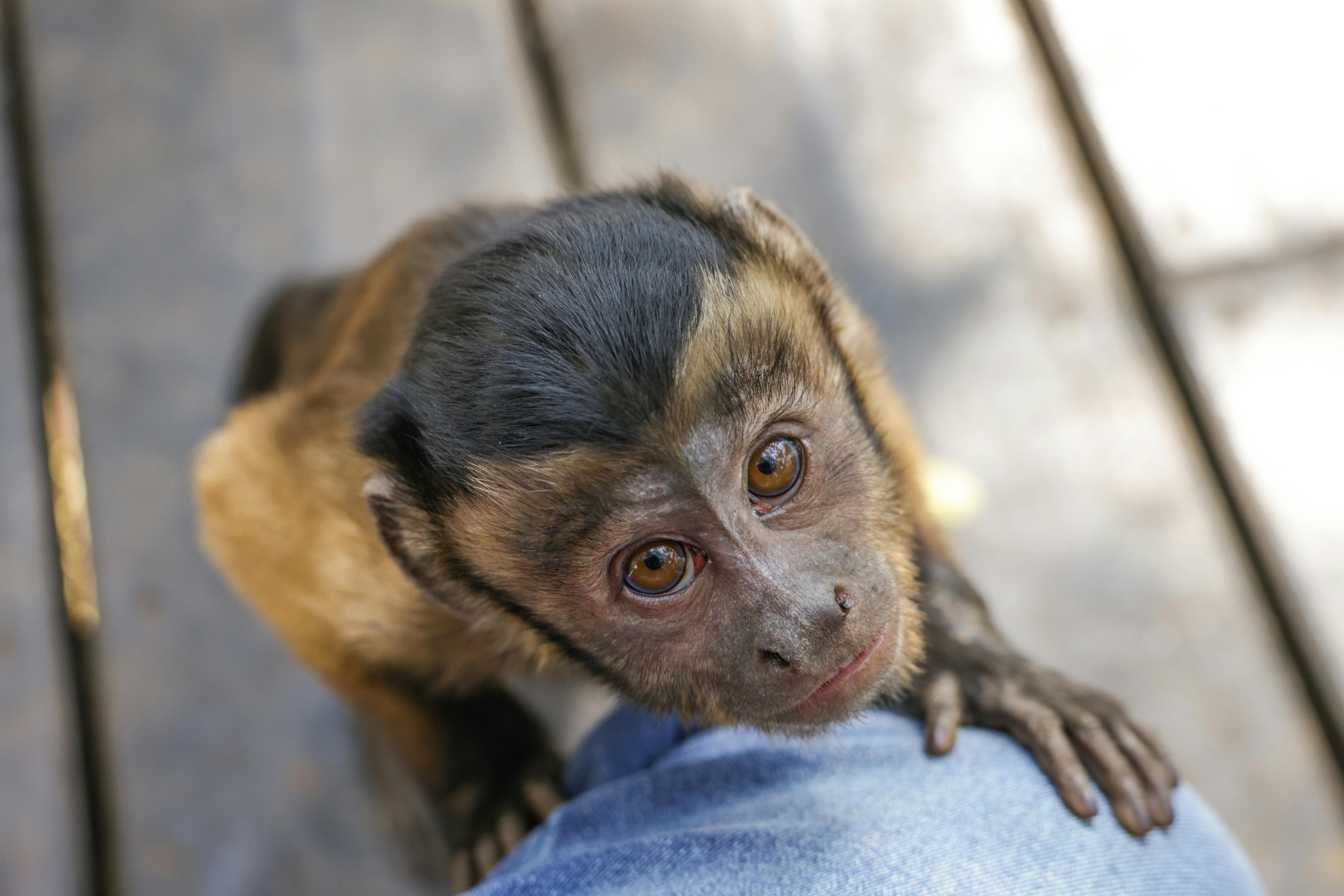
Look, we totally get it – those big pleading capuchin eyes can make it incredibly tempting to share human food… but when it comes to chocolate and other unsafe treats, the risk simply isn’t worth it.
If you ever have questions about what’s safe for your capuchin to eat, your exotic animal veterinarian is your best resource. They can provide personalized guidance based on your specific monkey’s age, health status, and dietary requirements.
The Final Word on Capuchins and Chocolate
So, can capuchins eat chocolate? The answer is a resounding no.
Chocolate contains toxic compounds that capuchin monkeys cannot safely metabolize, and even tiny amounts can lead to serious health complications or death.
Thankfully, there are plenty of safe and healthy alternatives your capuchin will love. Stick to appropriate fruits, vegetables, nuts, and primate specific treats, and you’ll be doing right by your monkey.
Remember, being a responsible pet monkey owner means making informed decisions about their diet… even when those adorable little faces are begging for a taste.
Stay informed, stay cautious, and keep chocolate off the menu. 🐵🌿

Safe & Toxic Plants for Pet Monkeys
What to Grow and What to Avoid
Not all plants are safe around primates. Discover which plants you can safely include in your monkey’s enclosure for enrichment, which ones to use with caution, and which are dangerously toxic.