Does Your Clownfish Need an Anemone? Complete Guide for Aquarium Owners
Do pet clownfish need anemones? Discover whether clownfish require anemones in aquariums, along with care tips and alternatives for a thriving tank.
Clownfish are one of the most popular saltwater aquarium fish, beloved for their vibrant colors, playful personalities, and fascinating symbiotic relationships in the wild. One question that often comes up for hobbyists is: “Do pet clownfish really need anemones?”
In this guide, we’ll dive into the natural behaviors of clownfish, examine their fascinating bond with anemones, and share how to create a vibrant, enriching aquarium environment where your clownfish can thrive—even without a live anemone.
Understanding Clownfish and Anemones
In the wild, clownfish live among sea anemones, clownfish form a mutualistic relationship with sea anemones. The anemone’s stinging tentacles offer protection from predators, while the clownfish contributes by providing food scraps and helping keep the anemone clean. This iconic partnership is what earned clownfish the nickname “anemonefish.”
That said, it’s important to remember that this behavior is specific to the wild. In a well-maintained home aquarium, clownfish can live perfectly healthy, thriving lives without a live anemone, as long as their environment is safe, enriched, and properly cared for.
Do Clownfish Really Need Anemones in a Home Aquarium?
The short answer is no—while clownfish may naturally host anemones in the wild, anemones are not required for their survival in captivity. Here’s why:
- Tank security: In a home aquarium, clownfish do not face natural predators, so they do not need anemones for protection.
- Stress-free environment: Modern aquariums with proper hiding spots, decorations, and live rock can replicate the safety that anemones provide in the wild.
- Diet and health: Clownfish in captivity thrive on a high-quality diet of pellets, flakes, and frozen foods without needing anemone interaction.
Benefits of Having an Anemone
While not required, some hobbyists choose to keep anemones for a more naturalistic setup. Potential benefits include:
- Aesthetic appeal: Anemones add vibrant color and motion to your aquarium.
- Behavioral enrichment: Clownfish may display natural host behaviors, “nuzzling” or seeking shelter within the anemone.
- Educational value: Observing the clownfish-anemone interaction can be fascinating and educational for aquarists.
Challenges of Keeping Anemones
Anemones are typically not beginner-friendly. They require precise water conditions, including stable temperature, high-quality lighting, and pristine water chemistry. Common challenges include:
- High-maintenance care: Anemones are sensitive to changes in water quality and can quickly die if conditions fluctuate.
- Space requirements: Anemones can move around the tank and may sting corals or other fish.
- Cost: Many anemone species are expensive and delicate.
Because of these factors, many aquarists keep clownfish without anemones and still have a thriving, beautiful tank.
Alternatives to Live Anemones
If you want the “look” or enrichment without the high maintenance, consider these alternatives:
- Artificial anemones: Made from silicone or other safe materials, they allow clownfish to display natural host behaviors without the care challenges.
- Live rock and coral caves: Provide hiding spaces and vertical structures where clownfish can explore and feel secure.
- Decorative plastic or resin anemones: Offer visual appeal and enrichment with zero water chemistry concerns.
Tips for Keeping Clownfish Healthy Without An Anemone
Even without an anemone, your clownfish can thrive if you provide:
- Adequate hiding spots: Use live rock, coral caves, or artificial structures.
- Stable water parameters: Maintain proper temperature (75°F to 82°F / 24°C to 28°C), salinity (1.020 to 1.026), and pH (8.1 to 8.4).
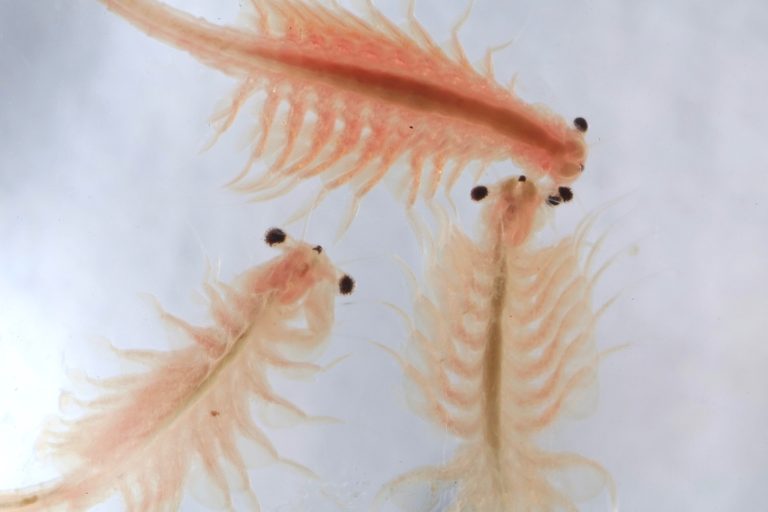
- Balanced diet: Feed high-quality marine pellets, flakes, and occasional frozen foods like brine shrimp or mysis shrimp.
- Tank mates: Keep compatible species to reduce stress and maintain social enrichment.
- Regular maintenance: Monitor ammonia, nitrite, and nitrate levels, and perform consistent water changes.
Key Takeaways for Clownfish Care Without Anemones
Pet clownfish can thrive in home aquariums without a live anemone.
While anemones may add visual flair and encourage natural behaviors, they are high-maintenance and not suitable for every tank or aquarist.
By providing secure hiding spots, a balanced diet, and consistently stable water conditions, you can enjoy healthy, vibrant clownfish without the added complexities of maintaining an anemone.
Whether you opt to include a live anemone for naturalistic behavior or prefer a simplified, low-maintenance setup, the most important factor is creating a safe, stimulating, and stress-free environment where your clownfish can flourish.