Beyond Bloodworms 7 Treats Worth Feeding Axolotls
Discover the best axolotl treats, how often to feed them, and what to avoid — plus vet-backed tips for a healthy, thriving pet.
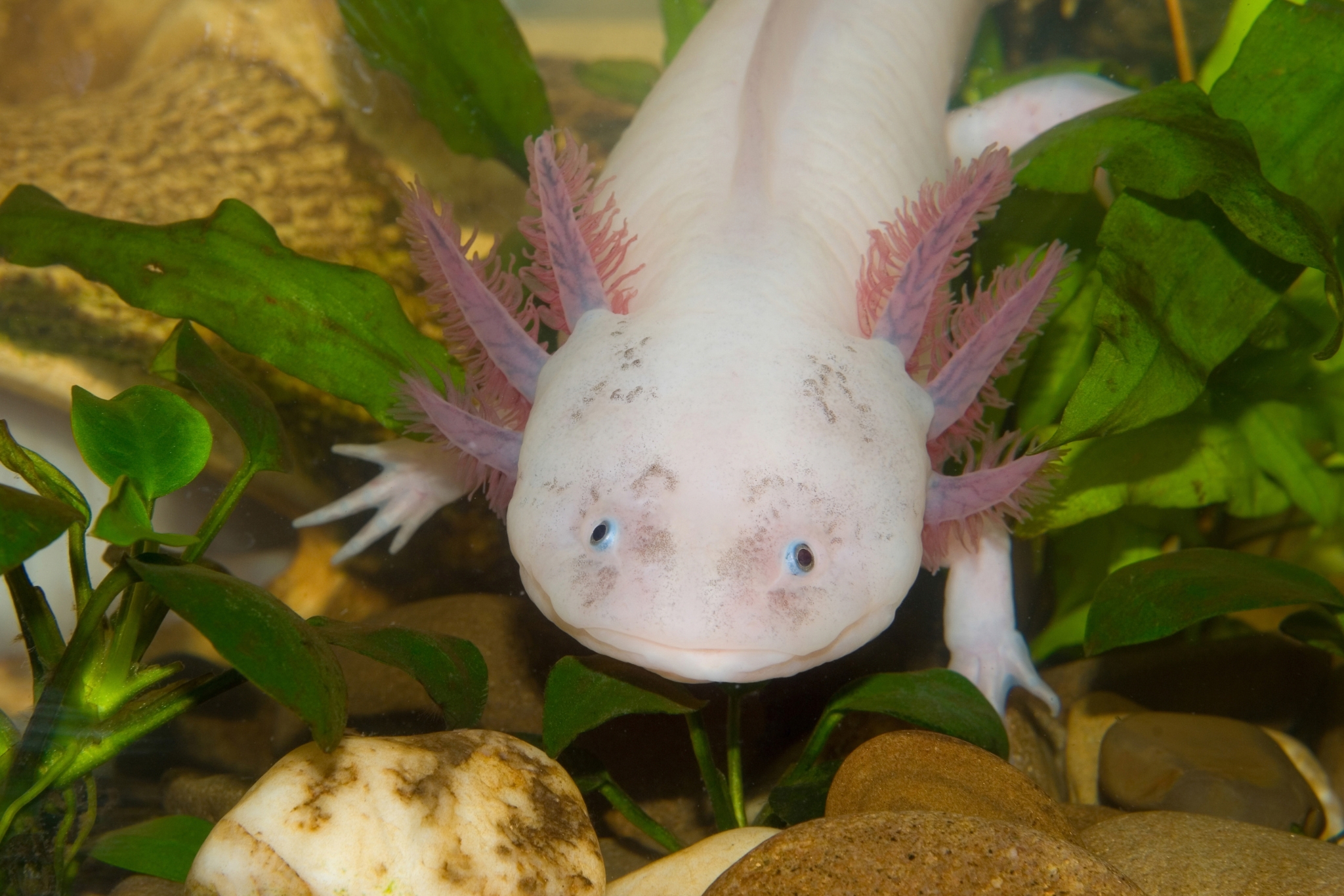
Axolotls may look like they have tiny smiles, but these unique amphibians are enthusiastic predators with surprisingly big appetites.
Since they eat by suctioning in their food rather than chewing, choosing the right treats is an important part of keeping them healthy.
Not every food that seems like a fun snack is actually safe or beneficial for an axolotl. In this article, we’ll cover the best axolotl treats, how often to offer them, and which foods to avoid so your axolotl can stay healthy, active, and thriving.
What Counts as a “Treat” vs. a Staple Food
Before adding treats to your axolotl’s menu, it’s important to understand the difference between everyday foods and occasional snacks.
Staple foods should make up the majority of your axolotl’s diet. These are the foods that provide the balanced nutrition they need to grow, stay active, and maintain good health.
Common staples include earthworms (such as nightcrawlers or European nightcrawlers) and high quality sinking pellets made specifically for axolotls or carnivorous aquatic animals.
Treats are meant to add variety and enrichment, but they shouldn’t replace a complete diet. Some treats are less nutritionally balanced, more expensive to offer regularly, or simply better suited as an occasional reward.
For example, bloodworms are a favorite among many axolotls and can be a fun snack, but they don’t provide the same complete nutrition as staple foods like earthworms, and they’re best offered as an occasional treat rather than a daily meal.
The Best Axolotl Treats
Once your axolotl has a solid staple diet, treats can be a fun way to add variety, enrichment, and extra excitement to feeding time.
The best treats are still protein rich and easy for your axolotl to digest, while offering something different from their usual meals.
Remember, treats should complement a balanced diet—not replace their regular staple foods. Here are some of the best options to offer occasionally:
1. Bloodworms (Frozen or Freeze Dried)
- Bloodworms are one of the most popular axolotl treats.
- Most axolotls find them irresistible and will often happily eat them even when they turn down other foods.
- Offer them once or twice a week rather than daily, since they don’t provide complete nutrition on their own.
2. Blackworms
- Blackworms are a nutrient packed treat that can be especially helpful for younger axolotls.
- Many keepers use them as a transition food between baby brine shrimp and larger foods like earthworms.
- Because they are aquatic, blackworms tend to hold up well in water without quickly creating as much mess as some other foods.
- The main drawbacks are that they can be harder to find consistently and may be more expensive than other options.
3. Ghost Shrimp
- Live ghost shrimp can provide both a tasty snack and a fun enrichment opportunity.
- Their movement encourages natural hunting behaviors, giving your axolotl mental stimulation while they eat.
- Always purchase ghost shrimp from a reputable source
- Consider observing or quarantining them first, since live feeder animals can sometimes introduce parasites or illness.
4. Daphnia (Water Fleas)
- Daphnia are tiny, protein rich crustaceans that are especially useful for baby and juvenile axolotls.
- Their small size makes them easier for younger axolotls to eat.
- Adult axolotls may not show as much interest because daphnia are so small, but they can still be a fun addition for smaller animals.
5. Brine Shrimp
- Brine shrimp are another excellent option for baby axolotls, especially larvae that are too small to eat larger foods.
- They’re sometimes sold as “Sea Monkeys” and provide an appropriately sized source of nutrition for growing axolotls.
- For adults, brine shrimp are better viewed as an occasional treat rather than a major food source since they provide less nutrition per bite compared with larger protein sources.
6. Small Feeder Fish
- Occasional small fish, such as guppies or minnows, can encourage natural hunting behaviors and provide enrichment.
- Keep in mind, this fish treats should be offered carefully and sparingly.
- Feeder fish can carry parasites or disease, and some fish may pose risks if they are too large or have sharp parts that could cause injury.
- If you choose to offer fish, only use a trusted healthy source and keep it as an occasional snack.
7. Cooked Fish Pieces
- Small pieces of plain cooked fish can occasionally be offered as a novelty treat.
- The fish should be unseasoned, boneless, and cut into small pieces—ideally smaller than the space between your axolotl’s eyes to reduce the risk of choking.
- While not a common choice, it can be a safe occasional addition when prepared properly.
How Often Should You Give Axolotls Treats?
The right treat schedule depends on your axolotl’s age and stage of development. Younger axolotls need more frequent feedings as they grow, while adults benefit from a more balanced routine that keeps treats as an occasional addition.
Babies (Larvae)
- Baby axolotls are typically fed daily and often rely on smaller foods like baby brine shrimp and daphnia.
- At this stage, much of their diet is based around appropriately sized foods until they’re large enough to transition to options like earthworms.
Juveniles
- Juvenile axolotls are usually fed daily or every other day.
- Treats like bloodworms or blackworms can be offered a few times per week alongside staple foods such as earthworms to support healthy growth.
Adults
- Adult axolotls generally eat every 2 to 3 days.
- Treats like bloodworms or ghost shrimp can be offered occasionally—usually once or twice a week at most—as a supplement to a staple diet built around earthworms and quality pellets.
Avoid Overdoing Treats
One of the most common mistakes new axolotl owners make is relying too heavily on treats (especially bloodworms). Since axolotls often go crazy for them, it can be tempting to offer them frequently, but treats alone don’t provide a complete diet and can contribute to nutritional gaps or weight gain.
A good rule of thumb is that treats should add variety and enrichment, while staple foods should do the heavy lifting when it comes to nutrition.
Feeding Tips for Treats
A few simple feeding habits can make a big difference in your axolotl’s health, water quality, and overall enjoyment at mealtime:
1. Feed During Low Light
Axolotls are naturally more active in the evening and nighttime hours, so feeding after dark or in dim lighting can encourage more natural hunting behavior and make them more likely to eat.
2. Remove Uneaten Food Quickly
Take out any leftover food after about 10 to 15 minutes. Soft treats like bloodworms can break down quickly in the tank and contribute to poor water quality and rising ammonia levels.
3. Choose the Right Food Size
Food should be an appropriate size for your axolotl. As a general rule, avoid offering anything wider than the space between your axolotl’s eyes to help reduce the risk of choking or digestive issues.
4. Use Feeding Tools
Avoid handling feeder foods with your bare hands. Oils, lotions, and bacteria from your skin can transfer to the food and potentially affect your axolotl. Feeding tongs or tweezers are the safer choice.
5. Offer Variety
Variety is a great way to support your axolotl’s physical health and natural behaviors. A balanced rotation of staple foods like earthworms and pellets, along with occasional treats, helps provide better nutrition and keeps feeding time interesting.
Treats and Foods to Avoid
While axolotls are enthusiastic eaters, not every food is safe for them. Some options can cause digestive problems, introduce harmful substances, or simply don’t provide the right nutrition for their needs.
Avoid offering:
- Fatty, seasoned, or processed meats — foods like beef, chicken, deli meats, or anything prepared with oils, salt, or spices are not appropriate for axolotls
- Wild caught insects or worms — these may have been exposed to pesticides, chemicals, or other contaminants
- Feeder fish with higher risks — species like feeder goldfish can carry parasites and contain thiaminase, an enzyme that can contribute to vitamin deficiencies when fed regularly
- Crickets and mealworms — some keepers use them occasionally, but their tougher exoskeletons can increase the risk of digestive issues and they are not a natural food source for axolotls
- Any food that is too large — avoid anything wider than your axolotl’s head to reduce the risk of choking or impaction.
When it comes to axolotl treats, safe, appropriately sized, and species appropriate options are always the best choice.
Do Axolotls Need Vitamin or Calcium Supplements?
Unlike many reptiles, axolotls typically don’t need their food dusted with calcium or vitamin D3 supplements—they actually get all of the nutrients they need through proper water conditions, mineral absorption, and a well-balanced diet.
The best way to support your axolotl’s health is by offering a varied rotation of quality staple foods—like earthworms and high quality pellets—along with occasional treats for enrichment.
When it comes to axolotl health, a balanced diet is far more beneficial than relying on supplements.
When to Consult a Vet
Many diet related problems in axolotls can be addressed early, but some symptoms are a sign that it’s time to seek professional advice. If you notice any of the following, it’s best to contact an exotic or aquatic veterinarian with amphibian experience:
Warning Signs
When to Consult
a Vet
Refusing food for more than a week, especially after water temperature and quality issues have been ruled out.
Bloating, floating, or difficulty staying submerged after eating, which may indicate digestive issues or impaction from food that is too large.
Frequent regurgitation, rather than an occasional spit-out.
Sudden lethargy combined with a loss of appetite, which can point to illness instead of normal feeding changes.
Visible parasites, unusual discharge, or skin changes, especially after introducing live foods like feeder shrimp or fish.
Rapid weight loss or a sunken appearance around the head and gills.
Not every exotic veterinarian treats amphibians, so it’s a good idea to call ahead and confirm they have experience with axolotls specifically.
Keeping a simple record of your axolotl’s eating habits, weight changes, and any unusual symptoms can also make it easier to spot problems early and provide useful information during a vet visit.
Frequently Asked Questions
1. Can axolotls eat bloodworms every day?
No—Bloodworms are best offered as an occasional treat, usually once or twice a week. While axolotls love them, they aren’t nutritionally complete enough to be the main part of a daily diet and if they’re fed too often, it can lead to nutritional gaps over time.
2. What is the best staple food for axolotls?
Earthworms—especially nightcrawlers or European nightcrawlers—are one of the best staple foods for axolotls. High quality sinking pellets made for axolotls or carnivorous aquatic animals can also be part of a balanced diet. Treats like bloodworms and ghost shrimp should add variety, not replace these nutritional basics.
3. How often should adult axolotls be fed?
Adult axolotls typically only need meals every 2 to 3 days. Overfeeding is a common mistake and can contribute to weight gain and other health issues.
4. Can axolotls eat crickets or mealworms?
It’s not generally recommended. Their tougher exoskeletons can be difficult to digest and may increase the risk of choking or impaction. They also aren’t a natural food choice for axolotls.
5. Do axolotls need calcium or vitamin supplements?
Usually, no. Axolotls get the nutrients they need through proper water conditions, mineral absorption, and a varied diet. A rotation of quality staple foods and occasional treats is typically a better approach than relying on supplements.
6. Can I feed my axolotl feeder fish?
Occasionally, but with caution. Feeder fish can introduce parasites or disease, and some species—such as goldfish—contain thiaminase, which can contribute to nutrient deficiencies if fed regularly. If you offer feeder fish, choose a trusted, healthy source and treat them as a rare enrichment food rather than a staple.
7. How do I know if I’m feeding my axolotl the right amount?
A healthy axolotl should have a gently rounded body, but it shouldn’t appear swollen or overly bulky. Good signs include normal activity levels, a consistent appetite, and regular eating habits. If your axolotl frequently leaves food behind or looks bloated after meals, it may be time to adjust feeding amounts.
Final Thoughts
The healthiest axolotl diets start with earthworms and high quality pellets as everyday staples, with treats like bloodworms, blackworms, ghost shrimp, and daphnia added for variety and enrichment.
Treats are a fun way to encourage natural hunting behaviors, but they should always support—not replace—a complete, balanced diet.
A good feeding routine comes down to the right balance of nutrition, variety, and portion control.
With the proper diet, your axolotl can grow strong, stay active, and thrive for years to come.