Do Wolves Hibernate? The Surprising Truth About Wolf Winter Survival
Do wolves hibernate like bears? Discover the truth about wolf winter behavior, their incredible cold weather adaptations, and why they thrive in harsh temperatures as low as -40°F.

- The Short Answer: Wolves Do Not Hibernate
- Why Don’t Wolves Hibernate?
- Remarkable Winter Adaptations of Wolves
- Winter Is Wolf Time: Why Cold Months Are Their Prime Season
- Do Wolves Migrate Instead of Hibernating?
- How Different Wolf Species Handle Winter
- The Perks of Staying Active in Winter
- Challenges Wolves Face in Winter
- Conservation Implications
- The Ultimate Masters of Winter Survival
When winter arrives with its freezing temperatures and deep snowfall, many animals retreat for months of hibernation.
But what about wolves? Do these iconic predators follow the same survival strategy, or do they face winter’s challenges head-on?
The Short Answer Wolves Do Not Hibernate
Unlike bears, which enter deep hibernation to conserve energy, wolves stay active throughout the winter months.
Even as prey becomes harder to find and temperatures plunge far below freezing, wolves continue to roam, hunt, and defend their territories. Thanks to a range of impressive adaptations, they don’t just endure winter – they often thrive in it.
Why Don’t Wolves Hibernate?
To understand why wolves don’t hibernate, it helps to first consider what hibernation is and why some animals need it.
Hibernation is a state in which animals drastically lower their metabolism, body temperature, and energy use to survive periods when food is scarce. Typically, animals that hibernate either cannot withstand extreme cold or rely on diets that disappear in winter.
Wolves, however, are very different. Here’s why they stay active year round:
– They’re Built for Cold Weather
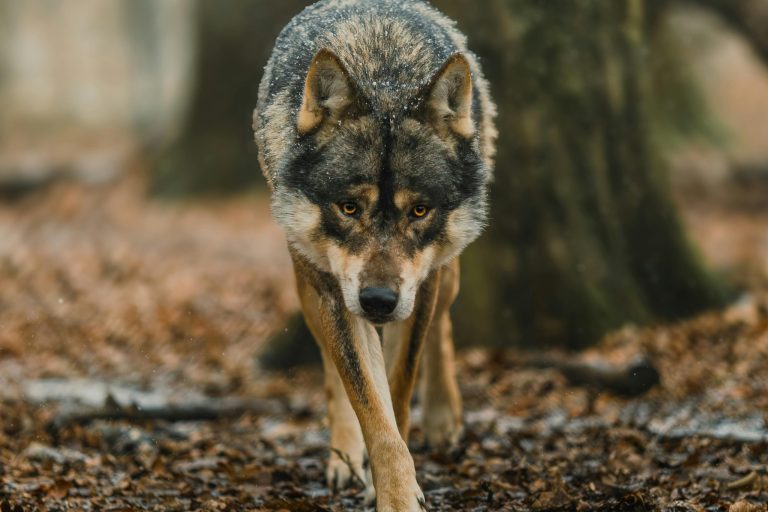
Wolves are perfectly adapted to extreme temperatures, enduring as low as −40°F thanks to their thick double coat. Their dense undercoat traps warm air, while the longer outer guard hairs repel moisture.
Their insulation is so effective that snow can rest on their fur without melting, demonstrating their impressive minimal heat loss.
– Their Prey Remains Available
Unlike hibernating animals, wolves are carnivorous predators that need to hunt regularly to sustain themselves.
Thankfully, their prey remains active throughout winter. Large ungulates like elk, deer, moose, and caribou don’t hibernate, which means wolves have hunting opportunities year round.
In fact, winter can give wolves a slight advantage since grazing opportunities for ungulates are limited, making prey animals weaker.
– Pack Structure Supports Winter Survival
Wolves rely on a strong social structure. Packs share responsibilities for hunting, defending territory, and caring for pups. This teamwork ensures that individuals can remain active and safe, removing any need to hibernate.
Simply put, wolves are winter warriors – they’re made to thrive in the cold, not snooze through it!
Remarkable Winter Adaptations of Wolves
Wolves are true winter champions, equipped with a host of amazing physical and behavioral adaptations that help them thrive in the coldest months.
Physical Adaptations
Double Layered Fur
- Wolves sport a cozy double coat – an insulating, fluffy under layer that traps warm air and a coarse outer layer that keeps snow and moisture out.
- Northern wolves grow thicker, longer fur than their southern cousins, and in winter, they even grow extra fur between their paw pads for added insulation.
Paws Built for Snow
Did you know wolf paws are like built-in snowshoes?
- Special blood vessels keep the footpads just above freezing to prevent ice buildup, while their large size helps wolves glide over deep snow – giving them a serious edge when hunting prey whose hooves sink in.
Efficient Heat Conservation
- Wolves have a clever countercurrent system in their blood vessels that warms blood returning from their paws to the heart. This helps them hold onto body heat even in frigid temperatures.
Behavioral Adaptations
Smart Travel Patterns
Wolves truly are energy efficient travelers.
- Wolf packs stick to paths of least resistance – like old game trails, frozen lakes, and ridge lines – with the alpha leading the way.
- While they can cover up to 50 miles in a day, 15 to 25 miles is more typical during the winter months.
Social Warmth
- Cold nights? No problem! Wolves curl up in tight balls with their pack members, sharing body heat and staying cozy together.
Flexible Hunting Strategies
- When prey is scarce, wolves can mix it up. They might hunt small mammals like rabbits or rodents solo, but for big game like elk or moose, the pack comes together, combining teamwork with strategy.
Wolves truly are winter pros, perfectly designed to handle the chill while keeping their bellies full and their packs strong.
Winter Is Wolf Time Why Cold Months Are Their Prime Season
Think winter slows wolves down? Think again. These top predators actually turn up the activity when the snow flies.
January through March marks wolf breeding season, so packs are not just hunting – they’re romancing, patrolling, and defending their turf. Talk about multitasking!
Deep snow might trip up some animals, but not wolves. Their paws are huge (about the size of an elk’s) but they weigh only a fraction of that, letting them glide across powdery landscapes while their prey sinks.
Do Wolves Migrate Instead of Hibernating?
Wolves don’t pack up and migrate like birds. Instead, they stick to their territories, only venturing out if prey leads the way.
When food is scarce, they can trek up to 25 miles a day (or even hundreds of miles over time) to track down their next meal. Once they find a hotspot? They hunker down and work it until the pack is well-fed.
In short, winter isn’t a challenge for wolves – it’s prime time. Cold, snow, and scarcity only sharpen their skills and show off their super adapted winter survival game.
How Different Wolf Species Handle Winter
Gray Wolves
Gray wolves are the globe trotters of the wolf world, thriving in climates from Arctic tundra to temperate forests. They show the full suite of winter adaptations – thick double coats, strategic hunting, and social teamwork – with northern populations sporting even fluffier fur to tackle the coldest temperatures.
Arctic Wolves
Arctic wolves take winter survival to the extreme. Living where temperatures can plummet to −30°C and sunlight disappears for months, these white wolves don’t hibernate and can even go weeks without food. They’re built for some of the harshest conditions on Earth, perfectly adapted to endure and hunt through the frozen Arctic landscape.
Red Wolves
Red wolves, found in warmer areas like North Carolina, face milder winters but still stay busy. They hunt, defend territory, and adjust their strategies to local conditions, showing that even in less extreme climates, winter doesn’t slow them down.
Mexican Wolves
Mexican wolves inhabit the mountainous regions of the southwestern United States and northern Mexico, where winters are cooler but not as harsh as the Arctic. They maintain their winter activity, hunting deer and other prey, and rely on their pack structure and thick fur to stay warm. These wolves are smaller than gray wolves but equally resourceful when navigating snowy landscapes and conserving energy during lean periods.
The Perks of Staying Active in Winter
Winter activity isn’t just about survival – it also comes with major advantages:
- Consistent Food Access: Hunting year round means wolves don’t have to pack on massive fat reserves like hibernating animals.
- Territory Maintenance: Staying on the move helps them defend territories and uphold pack hierarchies.
- Breeding Opportunities: Winter is prime time for mating, so active wolves can ensure the alpha pair reproduces successfully.
- Ecosystem Role: Wolves play a crucial role in the winter ecosystem. A single elk kill attracts ravens, magpies, coyotes, and even eagles, while the leftovers feed countless other creatures, from scavengers to tiny invertebrates.
Challenges Wolves Face in Winter
Even with their incredible adaptations, winter isn’t without its hurdles for wolves:
- Deep Snow: Traveling and hunting in thick snow takes extra energy.
- Scarce Prey: With food harder to find, wolves often travel longer distances to hunt.
- Extreme Cold: Staying warm means they need a constant supply of calories.
- Territorial Conflicts: Searching for food can bring packs into clashes with neighbors.
Conservation Implications
Knowing that wolves don’t hibernate is key for conservation efforts.
Lone wolves face tougher odds in winter – they often struggle to take down large prey without the help of a pack. This underscores the importance of protecting wolf populations and preserving their pack structures.
Climate change is also reshaping winter life for wolves. Reduced snowfall, warmer temperatures, and shifts in prey availability forces these skilled hunters to adjust their strategies.
Protecting their habitats and understanding these changes is essential for keeping wolves thriving in a rapidly changing world.
The Ultimate Masters of Winter Survival
Wolves are living proof of nature’s genius when it comes to winter survival. Rather than hunkering down in hibernation, these incredible predators embrace the cold with thick insulating fur, specialized physical adaptations, strategic hunting techniques, and tight-knit social bonds.
Their ability to stay active and hunt successfully during the harshest months showcases evolution at its finest.
Next time you wonder how wolves make it through winter, remember: they don’t just survive – they thrive! From temperatures plunging to −40°F to deep snowdrifts and scarce prey, wolves are true champions of the frozen wilderness.