25 Fun & Fascinating Facts About Bumble Bees (Nature’s Fuzziest Pollinators)
Fuzzy, feisty, and garden famous. 🐝✨ Discover 25 amazing bumble bee facts — from why they’re so adorably fluffy to how they fly in chilly weather and why these powerhouse pollinators are absolute VIPs in our gardens.
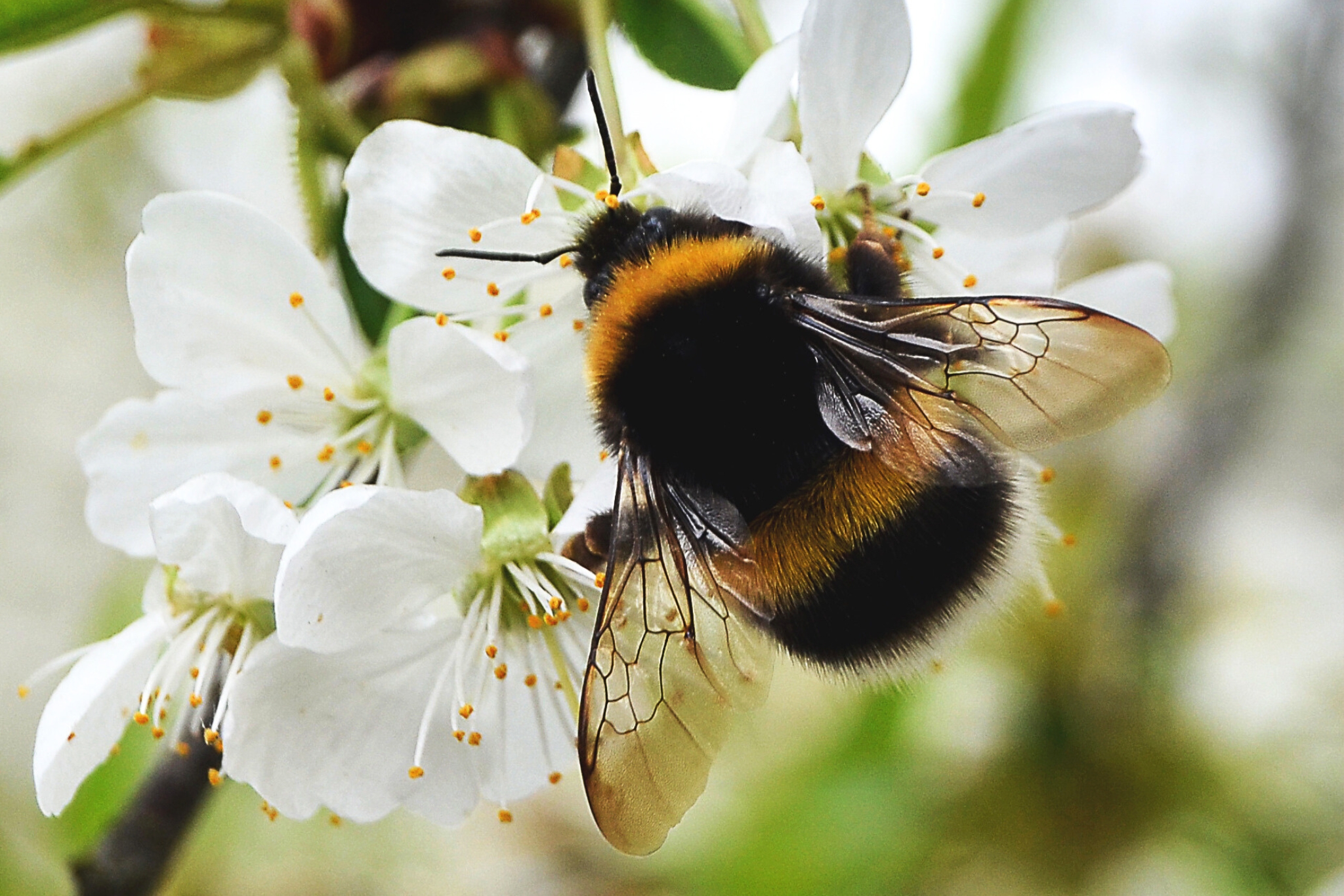
If you’ve ever spotted a plump fuzzy bumble bee buzzing through your garden, you’ve witnessed one of nature’s most charming creatures in action.
These adorable pollinators are so much more than just cute garden visitors – they’re absolutely fascinating insects with incredible abilities and quirky behaviors.
Let’s dive into the wonderful world of bumble bees and discover what makes them so special!
What Makes Bumble Bees Special?
Bumble bees (genus Bombus) are those delightfully chubby, fuzzy bees you see hovering around flowers from spring through fall.
Unlike their honeybee cousins, bumble bees are native to North America and play a crucial role in pollinating wildflowers, garden plants, and agricultural crops.
With around 250 species worldwide and about 50 species in North America alone, these gentle giants are essential members of our ecosystem.
Amazing Bumble Bee Facts You Need to Know
1. They’re Flying Teddy Bears
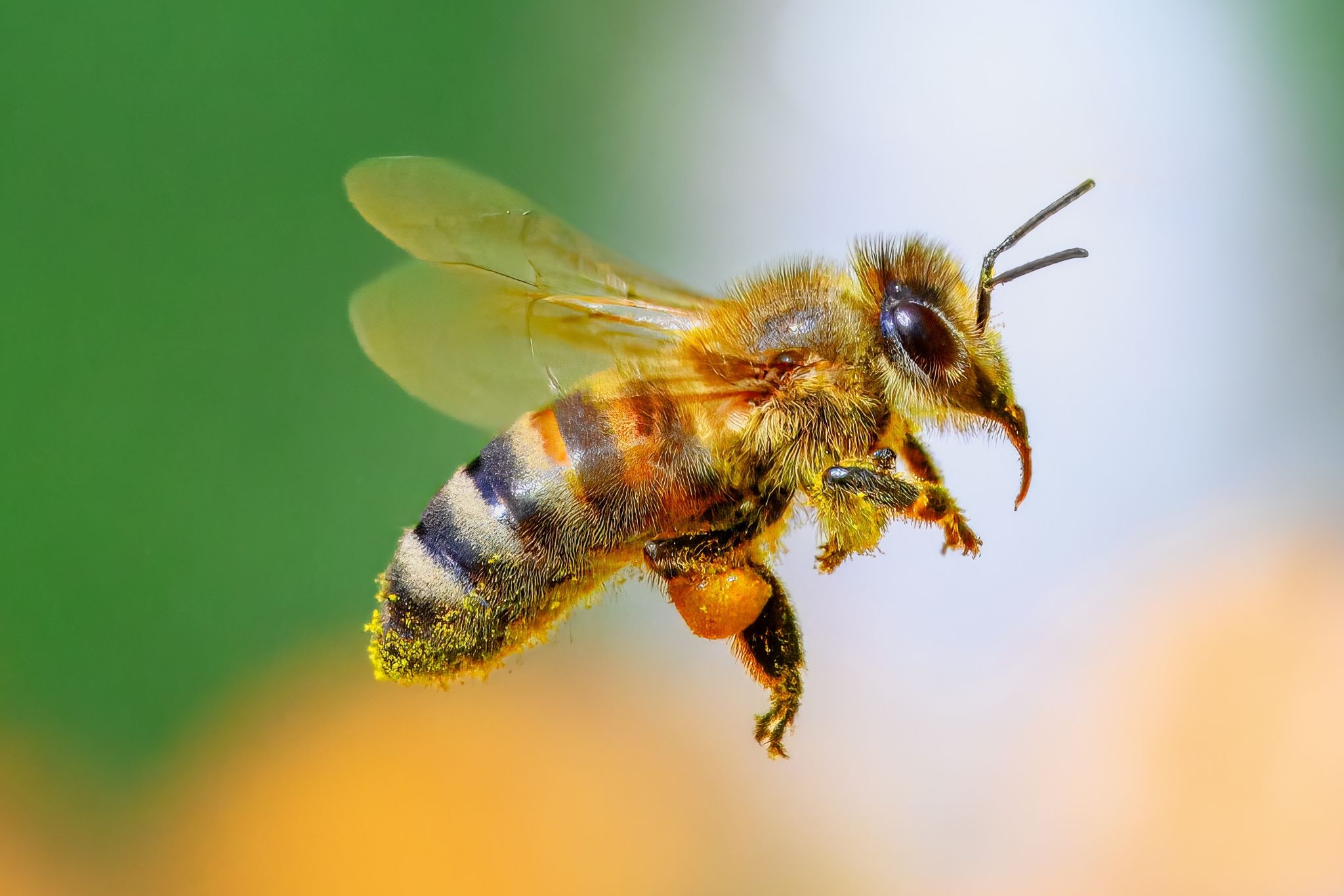
Bumble bees are covered in soft dense hair called pile, which makes them look absolutely adorable. But this fuzz isn’t just for show – it helps them collect pollen and keeps them warm in cooler temperatures. Each hair acts like a tiny pollen magnet, making them incredibly efficient pollinators.
2. Bumble Bees Can Fly in Cold Weather
Here’s something that sets bumble bees apart: they can generate heat by shivering their flight muscles! This remarkable ability allows them to fly in temperatures as low as 50°F, when most other bees would still be tucked away in their hives. That’s why you’ll often spot bumble bees out and about on chilly spring mornings when other pollinators are nowhere to be seen.
3. They’re Buzz Pollination Experts
Bumble bees have mastered a special technique called buzz pollination or sonication. They grab onto a flower and vibrate their flight muscles rapidly, creating a buzzing sound that shakes pollen loose from plants like tomatoes, blueberries, and cranberries. Without bumble bees, we’d have a much harder time growing these delicious crops!
4. Only Queen Bumble Bees Survive Winter
Unlike honey bee colonies that survive winter together, bumble bee colonies are annual. In fall, the entire colony dies except for newly mated queens, who hibernate underground or in leaf litter. Come spring, these queens emerge, find a suitable nesting site, and start brand new colonies all by themselves. Talk about girl power!
5. Bumble Bee Colonies Are Surprisingly Small
While a honey bee hive can contain 50,000 bees or more, a bumble bee colony is positively cozy by comparison. Most bumble bee nests contain only 50 to 400 individuals. The queen establishes the nest, lays eggs, and raises the first batch of workers entirely on her own before the colony grows.
6. They Remember Flower Locations and Quality
Bumble bees have excellent memories and can remember which flowers they’ve visited, where the best flowers are located, and even what time of day certain flowers produce the most nectar. They’re constantly optimizing their foraging routes to be as efficient as possible – basically, they’re the productivity gurus of the insect world!
7. Male Bumble Bees Don’t Have Stingers
Here’s a fun fact that might ease your worries: male bumble bees (called drones) cannot sting because they don’t have stingers. Only female bumble bees (queens and workers) have stingers, and they’re generally quite docile. They’ll only sting if they feel directly threatened or if their nest is disturbed.
8. Bumble Bees Can Sting Multiple Times
Unlike honey bees, which die after stinging once, bumble bees can sting multiple times without injury to themselves. Their stingers are smooth rather than barbed, so they can pull them out easily. But honestly, bumble bees are so chill that stinging incidents are pretty rare.
9. They Have Five Eyes
Bumble bees actually have five eyes total – two large compound eyes on the sides of their heads and three smaller simple eyes (called ocelli) on top. The compound eyes help them see colors and patterns, while the simple eyes detect light levels and help with navigation. Pretty neat visual setup!
10. Bumble Bees Can See UV Light
These fuzzy pollinators can see ultraviolet light (while humans cannot). Many flowers have UV patterns that act like landing strips, guiding bees to the nectar and pollen. What looks like a plain yellow flower to us might look like a neon sign to a bumble bee!
11. They’re Speed Demons
Despite their chunky appearance, bumble bees can fly up to 15 miles per hour. They beat their wings an impressive 200 times per second, creating that characteristic buzzing sound we all know and love.
12. Bumble Bees Can Bite Through Leaves
When pollen is scarce, bumble bees have been observed biting small holes in plant leaves, which somehow tricks the plants into flowering earlier than usual. Scientists discovered this clever behavior only recently and are still studying how it works!
13. They’re Actually Pretty Chill
Despite having the ability to sting, bumble bees are known for their gentle temperament. They’re far less aggressive than wasps or even honeybees. You can often watch them work on flowers from just inches away, and they’ll completely ignore you unless you try to grab them.
14. Queen Bumble Bees Are Royalty in Size
Queen bumble bees can be nearly twice the size of worker bumble bees. When you spot an absolutely massive fuzzy bee in early spring, you’re probably looking at a queen who just emerged from hibernation and is searching for a good nesting site.
15. They’re Messy Housekeepers
Unlike the ultra organized honeybees with their perfect hexagonal wax combs, bumble bees are kind of messy. They store pollen and nectar in little wax pots scattered throughout their nest, and the whole setup looks pretty chaotic compared to a honeybee hive.
16. Bumble Bees Love Tubular Flowers
With their long tongues (called proboscis), bumble bees are perfectly designed to reach nectar in tubular flowers like foxgloves, salvias, and honeysuckle. Some bumble bee species have tongues that can extend to nearly the length of their entire body!
17. They’re Early Birds (Er, Early Bees)
Bumble bees are often the first pollinators up and working in the morning. Because they can regulate their body temperature so well, they start foraging earlier in the day than most other pollinators, giving plants an early pollination service.
18. Bumble Bee Populations Are in Trouble
Unfortunately, several bumble bee species are experiencing significant population declines due to habitat loss, pesticide use, disease, and climate change. Some species, like the rusty patched bumble bee, are now listed as endangered. Creating pollinator friendly gardens can help support these important insects.
19. They Communicate Through Dance and Pheromones
Bumble bees use a combination of pheromones (chemical signals) and gentle bumping movements to communicate within the nest. While they don’t perform the elaborate waggle dance that honeybees do, they still have sophisticated ways of sharing information with nestmates.
20. Baby Bumble Bees Are Adorable
Bumble bee larvae look like tiny chubby grubs. They’re fed pollen and nectar by worker bees until they’re ready to pupate and transform into adult bees. The whole process from egg to adult takes about three to four weeks.
21. They’re Worth Billions to Agriculture
Bumble bees provide pollination services worth billions of dollars annually to agriculture. They’re particularly important for greenhouse tomato production, where they’re commercially rented out to farmers. Their buzz pollination technique is irreplaceable for many crops.
22. Bumble Bees Can Learn From Each Other
Recent research has shown that bumble bees can learn new behaviors by watching other bees. In one study, bees learned how to pull strings to access food by observing trained bees. This demonstrates impressive cognitive abilities and social learning!
23. They Sleep in Flowers
Sometimes bumble bees spend the night sleeping inside flowers! Male bees especially are known for this adorable behavior. They’ll tuck themselves into a cozy bloom for the night, holding on with their mandibles. It’s perhaps the cutest thing you’ll ever see in nature.
24. Bumble Bees Have Different Personalities
Scientific studies have revealed that individual bumble bees have distinct personalities. Some are bolder and more adventurous foragers, while others are more cautious. Some learn tasks quickly, while others take their time. Each bee is truly unique!
25. They’re Named for Their Bumbling Flight
The name “bumble bee” comes from the old English word “bumblen,” which means to which means to buzz or hum. Their somewhat clumsy looking flight pattern, combined with their loud buzzing, made “bumble bee” the perfect name for these endearing insects.
How to Help Bumble Bees Thrive
Want to make a difference for these incredible pollinators? Here are some simple, effective ways to help:
Plant Native, Bee-Friendly Flowers
Choose blooms like lavender, sunflowers, coneflowers, bee balm, and wild geraniums. Aim for a variety of plants that flower from early spring through late fall so bumble bees have a steady food source.
Avoid Pesticides
Many chemical pesticides can seriously harm or kill bumble bees. Whenever possible, use organic or bee-safe pest control methods instead.
Leave Some Wild Spaces
Resist the urge to over-manicure your yard. Leaf litter, dead wood, and unmowed grass provide important nesting and hibernation sites for bumble bee queens.
Provide a Safe Water Source
Set out a shallow dish filled with pebbles or marbles so bees can drink safely without the risk of drowning.
Support Conservation Efforts
Consider donating to or volunteering with organizations dedicated to protecting pollinator habitats and researching bumble bee populations.
Small changes can make a big impact – your yard or garden can become a vital refuge for bumble bees. 🐝🌼
Why Bumble Bees Matter
Bumble bees are keystone species in many ecosystems, meaning their presence supports countless other plants and animals.
- They pollinate wildflowers that provide food and habitat for other wildlife.
- They’re essential for growing the fruits and vegetables we eat.
- And let’s be honest – they bring joy to anyone who stops to watch them contentedly bumbling from flower to flower on a sunny afternoon.
These fuzzy little aviators have been perfecting their craft for millions of years, and they’ve become masters of their trade. From their ability to fly in cold weather to their remarkable memory and learning abilities, bumble bees prove that big things truly do come in small (and incredibly fuzzy) packages.
Next time you see a bumble bee in your garden, take a moment to appreciate all the amazing things this tiny creature can do. Better yet, plant some bee-friendly flowers and give these hardworking pollinators the support they deserve.
Our gardens, our food supply, and our planet need bumble bees – and once you learn about them, you’ll need them too!
FAQ About Bumble Bees
1. Are bumble bees endangered?
Some bumble bee species are endangered or threatened, including the rusty patched bumble bee and the American bumble bee. However, not all species are at risk.
2. What’s the difference between bumble bees and honey bees?
Bumble bees are larger, fuzzier, and live in smaller annual colonies. Honey bees are smaller, less fuzzy, produce large quantities of honey, and maintain perennial colonies.
3. Do bumble bees make honey?
Bumble bees do make small amounts of honey, but only enough to feed their colony for a few days. Unlike honey bees, they don’t create large surplus stores.
4. Where do bumble bees nest?
Bumble bees typically nest in abandoned rodent burrows, under thick grass, in compost piles, or in other protected ground cavities. Some species nest in trees or birdhouses.
5. How long do bumble bees live?
Worker bumble bees live for several weeks during the summer, while queens can live for up to a year. Male drones live only long enough to mate, typically a few weeks.
Now that you know these fantastic facts about bumble bees, you’ll never look at these fuzzy friends the same way again! Share this knowledge with friends, create a bee friendly garden, and help these incredible pollinators thrive for generations to come.