Free Flight Parrot Training Expert Tips That Could Save Your Parrot’s Life
Want to free fly your parrot? These expert tips cover training, safety, weather, fitness, and everything in between.
- What Is Free Flying, and Is It Right for Your Parrot?
- Build an Unshakeable Indoor Recall Before Going Outside
- Harness Train as a Bridge Skill
- Choose the Right Environment for Your First Outdoor Sessions
- The First Free Flight: Managing the Controlled Release
- Weather Awareness Is Non-Negotiable
- Microchipping and Leg Bands: Your Safety Net
- Fitness Training: Your Parrot Must Be an Athlete
- Ongoing Training: Free Flying Is Never “Done”
- Community and Mentorship: Learn From Those Who Have Done It
- Final Thoughts on Free Flying Your Parrot
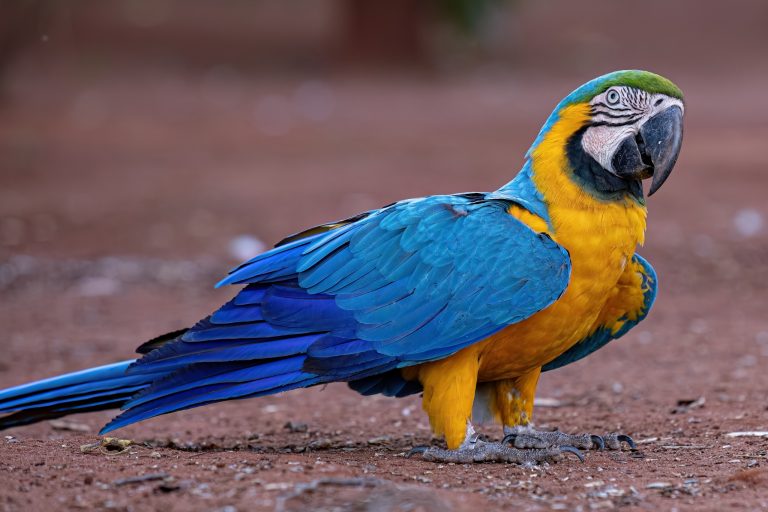
Free flying—the practice of allowing your parrot to fly outdoors without a harness or restraints—is one of the most exhilarating experiences for any bird owner. Watching an African Grey, macaw, or cockatoo glide against the open sky is a powerful demonstration of trust and connection.
But free flight comes with serious responsibility. When it’s done correctly, it enriches your bird’s life and strengthens your bond—but done carelessly, it can be deadly.
This guide provides expert advice on free flying safely and responsibly, from mastering recall training to assessing environmental risks. Whether you’re an experienced parrot owner or an intermediate trainer ready to take the next step, this resource equips you to make outdoor flight safe, rewarding, and unforgettable.
What Is Free Flying and Is It Right for Your Parrot?
Free flying means giving your parrot the freedom to soar and fly outdoors without any physical tether—no harness, no leash, just trust, training, and skill. Unlike harness flight, which offers a safety net, free flying depends entirely on your bird’s recall training and the strength of your bond.
Not every parrot is suited for free flight. Ideal candidates share these traits:
- Reliable recall: Your bird consistently returns to you indoors after months or years of training
- High motivation: Food or treats can be used effectively as rewards
- Calm temperament: The bird remains composed around new sights, sounds, and distractions
- Physical fitness: Strong flight muscles, usually developed through extensive indoor flight practice
Species most often free flown include macaws, African Greys, cockatoos, conures, and certain Amazons. Smaller birds like budgerigars or cockatiels can fly outdoors, but their size and speed can make recall more challenging.
If your parrot has clipped wings, a history of flying into walls, or extreme fear responses to strangers and sudden sounds, free flying is not yet appropriate. Safety and foundation come first—flight freedom comes later.
Build an Unshakeable Indoor Recall Before Going Outside
A rock solid recall—where your parrot flys to you on command every single time, no matter the distraction—is the cornerstone of safe free flight.
Here’s a basic outline on how to build your parrot’s recall safely and effectively:
1. Start Small – Place your parrot on a perch just a couple of feet away. Use a clear, consistent cue word like “come” or the bird’s name. Reward immediately with a high-value treat. Repeat multiple times per session.
2. Increase Distance Gradually – Extend the flight distance across the room, then into adjacent rooms, and eventually across your entire home. Your bird should fly willingly and enthusiastically, not reluctantly.
3. Add Distractions – Practice recall with the TV on, with guests around, or with other birds present. The goal is a recall that works even when competing stimuli are present.
4. Never Punish Returns – Always reward your parrot for coming back, even if it takes time. Punishing a slow recall can permanently damage trust and willingness to return.
5. Train in Multiple Locations – Avoid location dependent recall. Practice in every room of your home so your bird generalizes the behavior and responds reliably anywhere.
Strong, consistent recall is non-negotiable—it’s what makes free flight safe, enjoyable, and life-enriching for both you and your parrot.
Harness Train as a Bridge Skill
Before letting your parrot soar untethered outdoors, many expert trainers recommend intermediate harness training. A flight harness allows your bird to experience the outdoors safely while remaining physically secure.
This step serves two critical purposes:
- Desensitization to Outdoor Stimuli – Parrots encounter wind, traffic noise, strangers, animals, and other unpredictable elements during harnessed outings. Experiencing these safely helps reduce fear and prevents panic when they eventually fly free.
- Behavioral Assessment – Harness training gives you insight into your parrot’s temperament in real-world conditions. A bird that panics or tries to flee at sudden noises, like a car backfiring, is not yet ready for unrestrained flight.
Spend weeks or even months on these harnessed outings, gradually increasing exposure and confidence. The calmer and more controlled your bird becomes on a harness, the stronger the foundation for safe, stress-free free flight.
Choose the Right Environment for Your First Outdoor Sessions
Location selection is one of the most important safety factors in free-flight training. Experienced trainers emphasize selecting an environment that minimizes risk while allowing your parrot to practice confidently. Ideal first flight locations share these traits:
- Large, open clearings without overhead power lines – Power lines are a leading cause of injury and death in free-flighted parrots. Always scan the entire area carefully before flying.
- Low wind conditions – Wind can disorient birds and push them off course. Calm mornings are best. Avoid winds above 10 mph until your parrot is highly experienced.
- Far from roads and traffic – A startled parrot can cover surprising distances quickly. Keep sessions away from highways and busy streets.
- Minimal raptor activity – Hawks, falcons, and other birds of prey are natural predators. Observe the area at different times of day and avoid flying during raptor migration seasons.
- No other free-roaming animals – Crow flocks, dogs, or other birds can trigger a prey response, causing your parrot to climb rapidly or flee. Start in locations where you can control all distractions.
Many experienced free flyers use private rural land, closed sports fields early in the morning, or large off-hours parks for initial free-flight sessions. The calmer and more controlled the environment, the safer and more successful the first flights will be.
The First Free Flight Managing the Controlled Release
Your first outdoor free flight should be treated as a structured, carefully managed session, not a casual outing. Here’s how to set it up for success:
- Fly on a low-hunger day – Your parrot should be slightly motivated by food, not starving or completely full. Many trainers recommend flying 20 to 30 minutes before the bird’s usual mealtime.
- Start with short-hop flights – Begin by letting your bird fly to a nearby branch or perch and immediately recall it to you. Keep distances short to build confidence and reinforce success.
- Stay calm and deliberate – Parrots are highly sensitive to human emotions. Your nervous energy can make them anxious. Speak in a relaxed tone, breathe slowly, and move deliberately.
- Have a spotter – A second set of eyes is invaluable, especially if the bird gains altitude or drifts behind obstacles like trees.
- Bring high-value treats – Outdoors, distractions compete with you. Use your bird’s favorite treat—almonds, fruit chunks, or sunflower seeds—to reinforce recall.
- Never chase a bird that flies off – Running toward a bird triggers its flight instinct and pushes it farther away. Instead, sit calmly and use recall cues or place a familiar perch or cage nearby to encourage the bird to return.
By keeping the session calm, controlled, and rewarding, your parrot’s first free flight becomes a safe, positive, and confidence-building experience.
Weather Awareness Is Non-Negotiable
Weather conditions can change rapidly, and parrots have limited ability to protect themselves in adverse environments. Always consider the following before taking your bird outdoors:
- Avoid flying before storms – Birds can sense barometric pressure drops and may become unsettled or unpredictable in the hours leading up to a storm. Always check reliable weather apps before a session.
- Watch temperature extremes – Most parrots are tropical species. Prolonged exposure to temperatures below 50°F can be dangerous, especially if the bird is wet. Conversely, hot, humid conditions can cause rapid fatigue during flight.
- Rain grounds flights – Wet feathers reduce lift and make flying difficult or unsafe. Never attempt free flight in rain, immediately after heavy dew, or when the ground is saturated.
Microchipping and Leg Bands Your Safety Net
Even the most reliable free-flighted parrot can become lost. Sudden noises, raptors, or gusts of wind can disorient even a well-trained bird. Preparing for emergencies isn’t pessimism—it’s responsible ownership.
- Microchip your parrot – Avian microchipping, performed by an avian veterinarian, provides a permanent ID that can’t be lost like a band. Don’t forget to register the chip with a national pet recovery database.
- Keep current photos – Take clear photos showing your parrot’s face, plumage, and any distinctive markings. These are invaluable if your bird goes missing.
- Know your local lost-bird networks – Join Facebook groups, Nextdoor communities, and contact local exotic bird rescues ahead of time. Having these resources ready before your first outdoor flight is crucial.
Fitness Training Your Parrot Must Be an Athlete
A sedentary parrot is not ready for outdoor free flight. Indoor flight training is essential—it develops the strength, endurance, and control your bird needs to navigate open-air conditions safely.
- Encourage long indoor flights – Your parrot should fly the full length of your home multiple times per session. Aim for 10 to 15 solid flight bouts per session over weeks and months. This builds wing strength, stamina, and cardiovascular fitness.
- Train “come from height” recall – Outdoors, birds instinctively climb when startled. Practice recalls from progressively higher indoor perches so your parrot learns to descend safely on command.
- Condition gradually – Just as a human athlete trains for endurance events, your parrot needs months of progressive indoor flight to safely handle 20 to 30 minute outdoor sessions. Rushing the process increases the risk of accidents.
Ongoing Training Free Flying Is Never “Done”
Even the most well-trained free-flighted parrot requires ongoing reinforcement. A recall that worked flawlessly last month can weaken without consistent practice, and complacency can be dangerous in outdoor flight.
- Daily recall practice – Incorporate at least 10 minutes of indoor recall training every day. Consistency keeps the behavior sharp and reinforces your bond with your parrot.
- Monitor body weight – Many experienced free-flyers weigh their birds before each flight. Weight is a key indicator of food motivation; parrots flying significantly above their ideal healthy weight may be less treat-driven and less responsive.
- Watch for behavior changes – Reluctance to return, unusual fearfulness, or sudden weight gain can signal that your bird isn’t ready for flight that day. Learn to read your parrot’s cues and adjust training accordingly.
Community and Mentorship Learn From Those Who Have Done It
Free flying is a complex skill best developed with guidance, not in isolation. The free-flying parrot community is active, knowledgeable, and often generous with advice.
- Connect with experienced flyers – Join organizations, online forums, and Facebook groups dedicated to free flight. These communities provide practical tips, troubleshooting advice, and safety insights that can accelerate your learning.
- Attend meetups or observe sessions – Watching experienced birds and trainers in action can teach nuances that reading alone cannot. Even a single afternoon of observation can reveal valuable techniques for recall, handling, and environmental management.
- Find a local mentor – If possible, work with a nearby experienced free-flyer who can evaluate your bird’s recall and readiness in person. An expert eye often spots training gaps or behavioral issues that may not be obvious from your perspective.
By leveraging community knowledge and mentorship, you can dramatically improve safety, success, and confidence in outdoor free flight.
Final Thoughts on Free Flying Your Parrot
Free flying a parrot is one of the most challenging and deeply rewarding experiences in avian companionship. It is not a hobby for the impatient—it requires years of consistent training, patience, and careful preparation.
It also demands humility. No matter how well-trained your bird is, outdoor flight carries inherent risks. Success depends on accepting that you can never eliminate every hazard—you can only mitigate them.
Above all, it requires a commitment to your bird’s welfare. Safety and wellbeing must always come before the thrill of flight. Done correctly, free flying becomes a profound gift—a rare and unparalleled form of communication and trust. Watching your parrot return to you from an open sky is a bond no other interaction can replicate.
Take your time. Build the foundation. Trust the process, and the rewards will be extraordinary.