The Best Plants for Bioactive Crested Gecko Enclosures
Ready to transform your crestie’s enclosure from a basic terrarium into a thriving little rainforest? Creating a bioactive setup is one of the best things you can do for your crested gecko — and the right plant selection is everything.
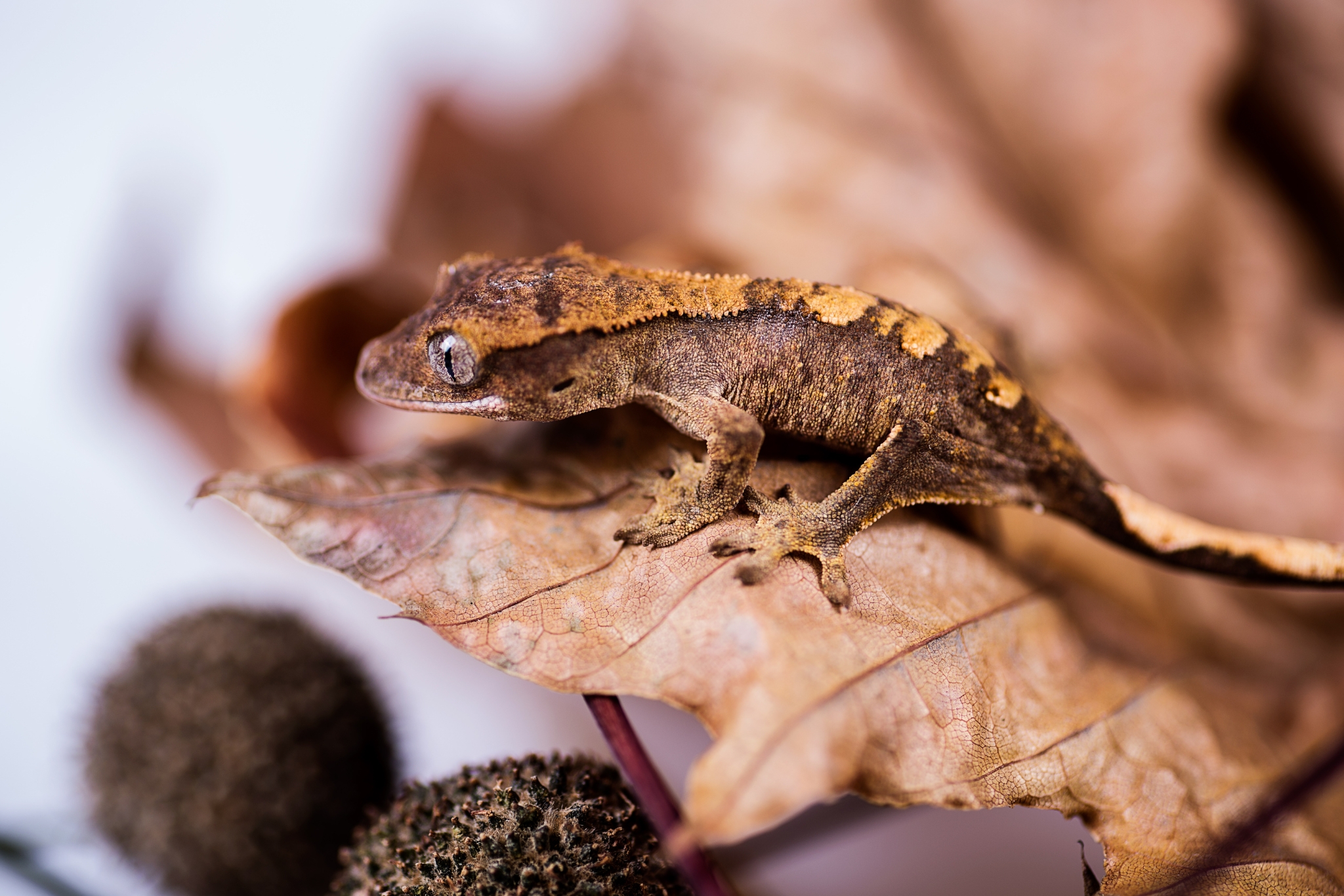
Crested geckos (Correlophus ciliatus) hail from the humid, lush forests of New Caledonia, which means they’re basically hard-wired to love a verdant, layered environment full of climbing opportunities and leafy hideaways.
A well-planted bioactive enclosure doesn’t just look stunning—it actually supports your gecko’s physical and mental wellbeing, regulates humidity naturally, and creates a self sustaining ecosystem (with the help of a cleanup crew).
The trick, of course, is choosing the right plants. Not every tropical beauty is gecko-safe, and not every safe plant can hack the warm, humid conditions inside a bioactive setup.
We’ve done the homework so you don’t have to. Here are the absolute best plants for a crested gecko bioactive enclosure.
Why Go Bioactive?
Learn the Benefits
A bioactive enclosure mimics your gecko’s natural habitat, using live plants, natural substrate, and a cleanup crew of microfauna (springtails and isopods) to break down waste. The result is lower maintenance over time, better humidity regulation, richer sensory enrichment for your gecko, and an enclosure that genuinely looks like a piece of living art.
For crested geckos specifically, the ideal conditions are 72–80°F, 60–80% humidity, and plenty of vertical climbing space — which plants help provide beautifully.
Top Plants for Bioactive Crested Gecko Enclosures
If bioactive vivariums had a mascot, it would absolutely be pothos. This legendary vining plant is practically indestructible, grows at an almost enthusiastic rate, tolerates low to moderate light, and handles the humidity inside a crested gecko enclosure like a total champ. Its broad, waxy leaves give your gecko ample coverage and climbing surfaces, and it’s completely non-toxic to reptiles.
Train it up cork bark, let it trail across the substrate, or prop it up on a branch — pothos will do whatever you ask of it and ask for very little in return. Golden pothos is the most popular variety, but Marble Queen and Neon pothos are equally suitable and add lovely visual variety to your setup.
For that true New Caledonian rainforest energy, you simply cannot skip bromeliads. These striking, rosette-shaped plants are native to tropical and subtropical regions and thrive in the warm, humid conditions of a bioactive setup. Many bromeliad varieties form natural “cups” in their central rosettes that hold water — giving your gecko a built-in drinking spot and a favorite perching destination.
Neoregelia and Guzmania are particularly popular choices for crested gecko enclosures. They’re epiphytic, meaning they can be mounted on cork bark or driftwood without any soil at all, which makes them incredibly versatile for building vertical structure. Plus, they come in an array of bold colors — reds, purples, deep greens — that make your vivarium look like an absolute work of art.
Pro Tip
Always rinse new plants thoroughly before adding them to your enclosure to remove any pesticide residues. Opt for plants from reptile-specific vendors when possible, or let plants sit outside the enclosure for a few weeks before introduction.
Wandering Dude — formerly known as Wandering Jew — is one of the most beloved ground cover plants in the bioactive vivarium community, and for genuinely good reason. It spreads quickly along the substrate, providing excellent ground coverage that helps retain moisture and gives your cleanup crew a cozy place to thrive beneath the surface. Its trailing, purple-tinted leaves are absolutely gorgeous against the natural earth tones of your substrate.
It tolerates humidity and warmth with ease, grows fast enough to recover from any gecko-induced nibbling or trampling, and adds a lovely textural contrast to larger-leafed plants like pothos. A true understory superstar.
Philodendrons are basically the sophisticated older sibling to pothos — equally hardy, equally humidity-loving, but with a broader range of dramatic leaf shapes and sizes that add serious visual interest to your vivarium. Heartleaf philodendron (P. hederaceum) is the go-to choice for bioactive setups, offering glossy, heart-shaped leaves on trailing vines that your gecko will love to navigate through.
Velvet-leaf philodendron (P. micans) is another gorgeous option with an almost iridescent shimmer to its leaves. Most common philodendron varieties handle the warm, humid terrarium environment beautifully and grow at a satisfying pace without becoming overwhelming. One thing to note: philodendrons contain calcium oxalate crystals, which can cause mild irritation if ingested in large quantities — but as reptiles don’t typically eat their enclosure plants, this is rarely a concern in practice.
More Excellent Plant Picks
Ficus pumila
Creeping Fig
This delicate, small-leafed vining plant is an absolute dream for bioactive setups. It clings naturally to cork bark backgrounds and wooden décor, creating a beautiful mossy-green wall effect. It thrives in high humidity and indirect light, and its fine texture contrasts beautifully with broader-leafed plants. It grows enthusiastically in the right conditions, so a little trimming now and then keeps it looking pristine.
Ferns
Boston · Maidenhair · Button
Ferns are quintessential rainforest plants, and they look absolutely lush in a crested gecko vivarium. Boston ferns (Nephrolepis exaltata) are the most forgiving, tolerating the warmth of a crested gecko setup better than more delicate varieties like maidenhair. Their feathery fronds add gorgeous texture to the mid and lower layers of your enclosure. Button ferns (Pellaea rotundifolia) are a more compact option for smaller setups.
Peperomia
Peperomia spp. — 1,000+ species
Peperomias are compact, varied, and genuinely charming little plants that earn their spot in bioactive enclosures by being exceptionally easy to care for and tolerant of imperfect conditions. With over 1,000 species in the genus, you have a fantastic range of leaf textures, colors, and growth habits to choose from. Watermelon, ripple, and trailing varieties all work beautifully — just avoid overwatering, as they can be slightly susceptible to rot.
Moss Varieties
Java · Sheet · Cushion
Technically not a flowering plant, but moss absolutely deserves a spot on this list — it is completely transformative in a bioactive vivarium. Sheet and cushion moss create a stunning, verdant carpet effect across the substrate while maintaining moisture at the soil surface. Java moss can be incorporated into water features or layered against the back wall for depth. Live moss thrives best where consistent moisture and indirect light are reliably met.
Toxic Plants
Not every gorgeous tropical plant is safe for your gecko’s home. Always double-check before adding anything new to your bioactive setup — when it comes to your crestie’s health, it’s always worth the extra research.
Scindapsus Pothos
Often mislabeled — always double-check your IDs!
Pesticide-Treated Plants
Any plant with systemic pesticide exposure
English Ivy
Hedera helix — toxic to reptiles
Dieffenbachia
Dumb Cane — highly irritating sap
Caladium
Beautiful but toxic — keep it out entirely
Any Plant with Known Reptile Toxicity
When in doubt, leave it out
How to Layer Your Bioactive Planting
The secret to a truly stunning—and truly functional—bioactive crested gecko enclosure is layered planting that mimics the natural forest structure your gecko evolved in.
Think of it in three tiers: the substrate layer, the mid-layer, and the upper/canopy layer.
At the substrate level, ground covers like Wandering Dude, creeping fig, and mosses create a lush, living carpet that retains moisture and shelters your microfauna cleanup crew.
In the mid-layer, compact plants like peperomia, smaller ferns, and low bromeliads provide visual interest and gecko hiding spots.
In the upper layer, vining plants like pothos and philodendron can be trained up cork bark tubes, branches, or a planted background to give your gecko ample climbing territory and that gorgeous, overgrown tropical aesthetic.
Varying leaf sizes, colors, and textures across these layers is what takes a vivarium from “pretty nice” to absolutely jaw dropping. Don’t be afraid to mix and layer—that’s exactly what a real forest does.
Vivarium Care
Lighting Note
Most bioactive plant selections for crested gecko enclosures do well under a quality full-spectrum LED vivarium light on a 12-hour cycle. This provides sufficient photosynthetic light for plant growth without creating excess heat.
5,000–6,500K
Color temperature range
12-Hour
Daily light cycle
Low Heat
Full-spectrum LED output
Plant Light Tolerance
Bromeliads & Pothos — handle lower light conditions with ease
Low Light OKFerns & Mosses — appreciate moderate, consistent indirect light
Moderate LightSetting Up Your Bioactive Substrate
The foundation of a thriving bioactive enclosure is the substrate—and it needs to support both your plants and your cleanup crew.
The most widely recommended mix for crested gecko bioactive setups is ABG (Atlanta Botanical Garden) mix or a close approximation: a blend of orchid bark, coconut fiber (coco coir), cypress mulch, washed play sand, and horticultural charcoal.
This nutrient rich, well-draining yet moisture retaining blend gives plant roots the aeration and organic matter they need to establish and thrive.
A false bottom drainage layer beneath the substrate (using hydroballs or a drainage mesh) prevents waterlogging, which is the number one killer of bioactive setups.
Once your plants are established and your cleanup crew is active, this substrate essentially becomes a living, self maintaining ecosystem.
Your Crestie’s Dream Home Awaits
Building a bioactive enclosure for your crested gecko is one of the most rewarding projects in the reptile hobby — and it starts with choosing the right plants. From the practically indestructible pothos to the showstopping bromeliad, the species on this list give you everything you need to create a lush, layered, living vivarium that keeps your gecko happy, healthy, and endlessly stimulated.
With the right foundation, your crestie’s enclosure will only get more gorgeous with time as the plants grow in and the ecosystem establishes itself.
Happy planting! Don’t forget your cleanup crew — springtails and isopods are the unsung heroes of every bioactive setup.