Stolen from the Wild The Illegal Exotic Pet Trade Explained (& How You Can Stop It)
The illegal exotic pet trade generates $23B annually and pushes species to extinction. Learn how it works and what you can do to stop it.
- What Is the Illegal Exotic Pet Trade?
- How Big Is the Problem? Key Statistics
- How Does the Illegal Exotic Pet Trade Work?
- Which Animals Are Most at Risk?
- The Environmental Impact
- The Public Health Dimension
- Legal vs. Illegal: A Blurry Line
- What Is Being Done to Stop It?
- How You Can Help
- A Crisis We Created… And Can Fix
Every year, millions of wild animals are ripped from their natural habitats, crammed into crates, and smuggled across international borders… all to end up in someone’s living room.
The illegal exotic pet trade is one of the world’s most lucrative criminal enterprises, generating an estimated $23 billion annually. It funds the same criminal networks that traffic drugs and weapons, pushes endangered species closer to extinction, and creates conditions ripe for the next global pandemic.
And much of it is hiding in plain sight, on social media feeds and online marketplaces, just a few clicks away.
What Is the Illegal Exotic Pet Trade?
The illegal exotic pet trade is the unauthorized capture, trafficking, and sale of wild animals as pets. From rare parrots and tortoises to primates and big cats, millions of wild animals are stolen from their natural habitats every year to satisfy global demand for exotic companions.
This black market is not a niche problem. It is one of the most profitable criminal enterprises on the planet, estimated to generate $23 billion annually – trailing only drug trafficking, arms smuggling, and human trafficking in global criminal revenue.
How Big Is the Problem? Key Statistics
Understanding the scale of the illegal exotic pet trade requires looking at the numbers…
The illegal wildlife trade is one of the world’s most profitable criminal industries.
38,000+
Species under CITES trade restrictions
Millions
Animals trafficked across borders annually
#4
Largest illegal trade in the world
Millions of animals are trafficked annually across international borders — making the illegal wildlife trade one of the most lucrative criminal industries on the planet.
The CITES Convention on International Trade in Endangered Species lists over 38,000 species with trade restrictions — yet enforcement remains critically inconsistent across borders.
For every animal that arrives at its destination alive, many others die in transit due to inhumane conditions — suffocation, dehydration, and stress-induced organ failure are common.
The trade directly threatens the survival of entire species. Among those most at risk:
The primary source regions for trafficked animals include some of the world’s most biodiverse ecosystems:
How Does the Illegal Exotic Pet Trade Work?
From forest to living room — understanding how this criminal network functions.
Wild animals are captured — often violently — from forests, savannas, and oceans. Poachers use traps, nets, and sometimes poison to collect animals in bulk, knowing that a large percentage will die before reaching the buyer.
Bulk capture is deliberate — high mortality rates are factored into the profit model. The animals that survive are the product.
Traffickers use forged permits, false declarations, and corrupt officials to disguise illegally sourced animals as captive-bred specimens. This makes it extraordinarily difficult for customs officials to identify illegal shipments.
This laundering step is why “legal” documentation alone is not proof of ethical sourcing — paper trails can be fabricated at every stage of the supply chain.
The internet has dramatically accelerated the exotic pet trade. Social media platforms, encrypted messaging apps, and dark web markets are now primary sales channels — allowing buyers and sellers to connect across continents with minimal oversight.
An Instagram post, a WhatsApp message, a private forum — that’s all it takes. The barrier to entry for buyers has never been lower.
Demand is driven by status, novelty, and in some cases a genuine but misguided love of animals. The largest consumer markets for exotic pets are concentrated in wealthy nations.
Every purchase of a wild-caught exotic animal funds this pipeline from end to end — including the poaching at stage one.
Which Animals Are Most at Risk?
These are the animals paying the highest price for the exotic pet trade.
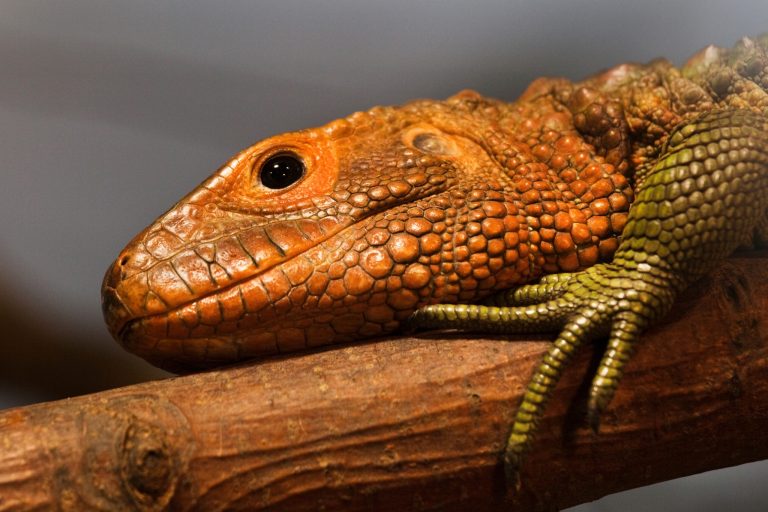
Among the most seized animals globally, with the trade particularly concentrated in Europe and the United States. Demand spans the full spectrum — from common pet species to rare, critically endangered animals.
Prized for their beauty and intelligence, wild-caught birds are among the most brutally affected. The death toll vastly outnumbers the animals that ever reach a buyer — most die in transit from stress, suffocation, and dehydration.
For every bird that survives transit, many more did not. The ones you see for sale represent a fraction of the animals taken from the wild.
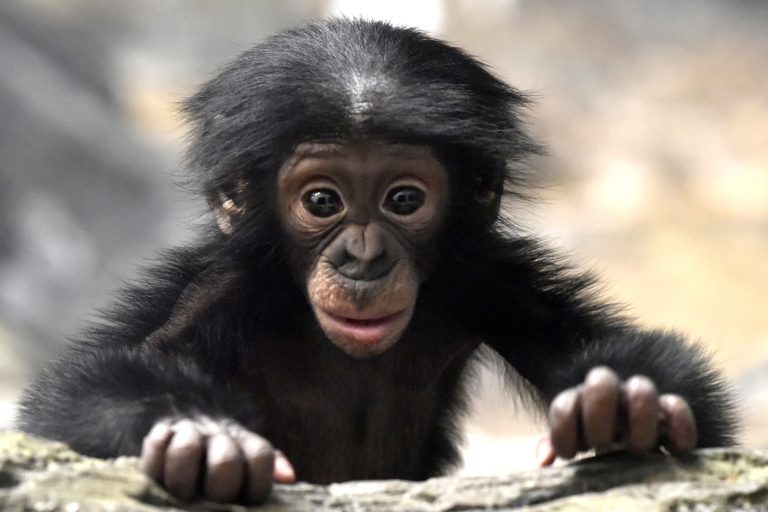
Baby primates are captured after poachers kill their mothers — meaning the trade destroys entire family units. These animals rarely thrive in captivity and are frequently abandoned once owners realize the profound difficulty of keeping them.
To obtain one baby primate, poachers typically kill the entire family group. The “cute baby” in a viral video represents multiple deaths.
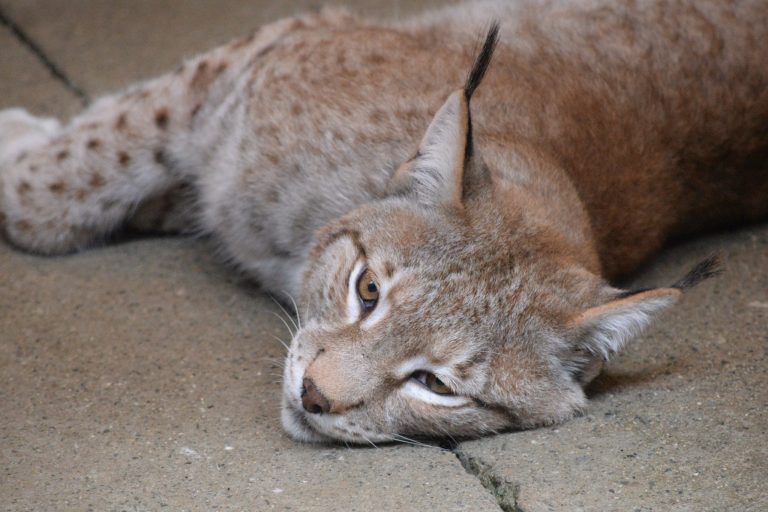
Tiger and lion cubs are trafficked as novelty status pets across the Middle East, Latin America, and the United States. Most end up neglected, euthanized, or surrendered to sanctuaries as they grow too large and dangerous to manage.
Now considered the most trafficked mammal on Earth, targeted both for the exotic pet trade and for use in traditional medicine. Demand has pushed all eight species to the brink of extinction.
All eight pangolin species are threatened with extinction. Their scales are worth more than their weight in gold on the black market.
The Environmental Impact
When species are taken from the wild, the damage reaches far beyond the animals themselves.
The illegal exotic pet trade doesn’t just harm individual animals — it destabilizes entire ecosystems. When key species are removed in large numbers, the consequences cascade through the natural world in ways that are difficult, and sometimes impossible, to reverse.
Remove a key species and the entire feeding structure above and below it can unravel.
Without native pollinators, plant reproduction fails — affecting all species that depend on those plants.
Disrupted predator-prey dynamics trigger population explosions and crashes across species.
Repeated poaching pressure on already-vulnerable populations drives local extinction across one of Earth’s most biodiverse regions.
Among the most heavily targeted ecosystems — high-value species are extracted faster than populations can recover.
Species that take years to reach reproductive maturity are especially vulnerable — losing even a small percentage of a population each year to poaching can push a species toward irreversible decline. Once a population drops below a critical threshold, recovery becomes mathematically impossible.
The Public Health Dimension
The COVID-19 pandemic forced a global reckoning with the dangers of wildlife trafficking. Scientists broadly agree that zoonotic diseases (illnesses that jump from animals to humans) are more likely to emerge when wild animals are captured, transported in crowded and stressful conditions, and brought into close contact with humans.
Monkeypox, SARS, Ebola, and other diseases have all been linked to the wildlife trade.
Every illegal exotic animal that passes through unregulated channels is a potential vector for a novel pathogen – a fact that makes combating this trade a matter of public health, not just animal conservation.
Legal vs. Illegal: A Blurry Line
Not all exotic pet ownership is illegal. Many countries permit the private ownership of certain animal species when they are captive-bred and properly documented. Unfortunately, the line between legal and illegal is frequently exploited.
Weak enforcement, corruption, and inconsistent documentation standards allow illegally captured animals to enter the legal market. Consumers often cannot tell the difference (and many don’t ask).
If you’re considering an exotic pet, the most important questions to ask are:
- Is this species legal to own in my country and state?
- Can the seller provide verifiable documentation of captive breeding?
- Has this animal been health-screened by a licensed veterinarian?
- What are this animal’s welfare needs, and can I realistically meet them for its entire life?
What Is Being Done to Stop It?
Treaties, enforcement, technology, and conservation — four pillars working to dismantle the trade.
CITES is the primary international framework regulating wildlife trade. Member nations are obligated to enforce trade restrictions on listed species — covering over 38,000 plants and animals worldwide.
CITES relies on national governments to act — and enforcement varies enormously across member countries. The framework is only as strong as the political will behind it.
Agencies including Interpol, the US Fish & Wildlife Service, and national wildlife crime units regularly conduct coordinated operations to disrupt trafficking networks — resulting in thousands of arrests and the seizure of millions of animals.
NGOs and governments have pressured social media companies to act. Facebook, Instagram, and Google have adopted wildlife trafficking policies — though enforcement remains inconsistent and traffickers adapt quickly to evade detection.
Platforms have made commitments — but enforcement is reactive. Traffickers are consistently faster to adapt than platforms are to respond.
Specialist organisations work across the full chain — from investigating trafficking networks and supporting local rangers to lobbying for stronger national and international legislation.
Progress is real — but the trade remains deeply lucrative and globally distributed. Sustained pressure across all four pillars simultaneously is the only approach with a realistic chance of meaningful disruption.
How You Can Help
Individual action matters in this fight. Here are concrete steps you can take:
Five concrete actions — from consumer choices to civic advocacy.
Research thoroughly before considering any exotic pet. If you cannot verify its legal origins with confidence, don’t buy it. Demand is the engine that drives every stage of the trafficking pipeline — from the forest to the living room.
Ask for documented proof of captive breeding — legitimate breeders welcome this question. Reluctance to provide documentation is a red flag.
If you see something, say something. Enforcement agencies rely on public tips to identify trafficking networks — your report could trigger an investigation that disrupts an entire supply chain.
Donations to specialist organisations fund on-the-ground investigations, ranger training, and policy advocacy — work that simply cannot happen without financial support from the public.
Sharing well-sourced information about the exotic pet trade helps shift cultural norms — particularly critical in markets where demand is actively growing. Every conversation changes the context around a future purchase decision.
Avoid sharing viral videos of exotic pets in domestic settings without commentary — even well-intentioned content can inadvertently increase demand for trafficked animals.
Contact your elected representatives and support legislation that toughens penalties for wildlife trafficking and improves funding for enforcement agencies. Laws only change when constituents make it a priority.
A short, specific email to your representative costs nothing and takes five minutes. Elected officials track constituent contact on specific issues. It matters more than most people realise.
A Crisis We Created… And Can Fix
The illegal exotic pet trade isn’t niche… it’s a full-blown global crisis that intersects conservation, public health, organized crime, and animal welfare all at once.
It is fueled by demand… and demand can be changed.
Every time someone buys an illegally sourced exotic animal, they bankroll a criminal network, remove a wild animal from its natural ecosystem, and put human health at risk.
Awareness is the first step. Action is the next one.