How are Hedgehogs As Pets?
What are hedgehogs like as pets? Discover the pros, cons, care requirements, and potential challenges of hedgehog ownership in this helpful guide for exotic pet lovers.
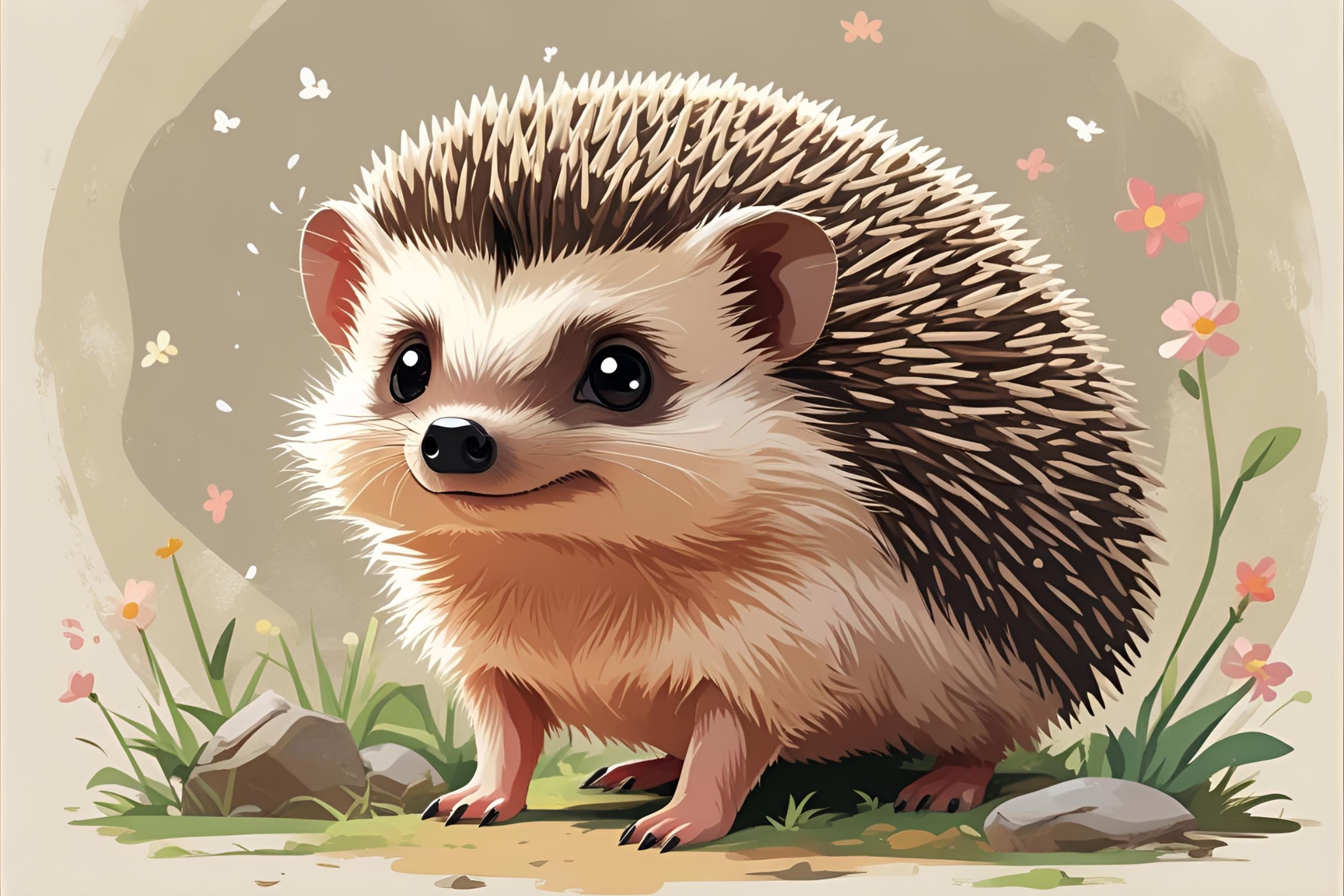
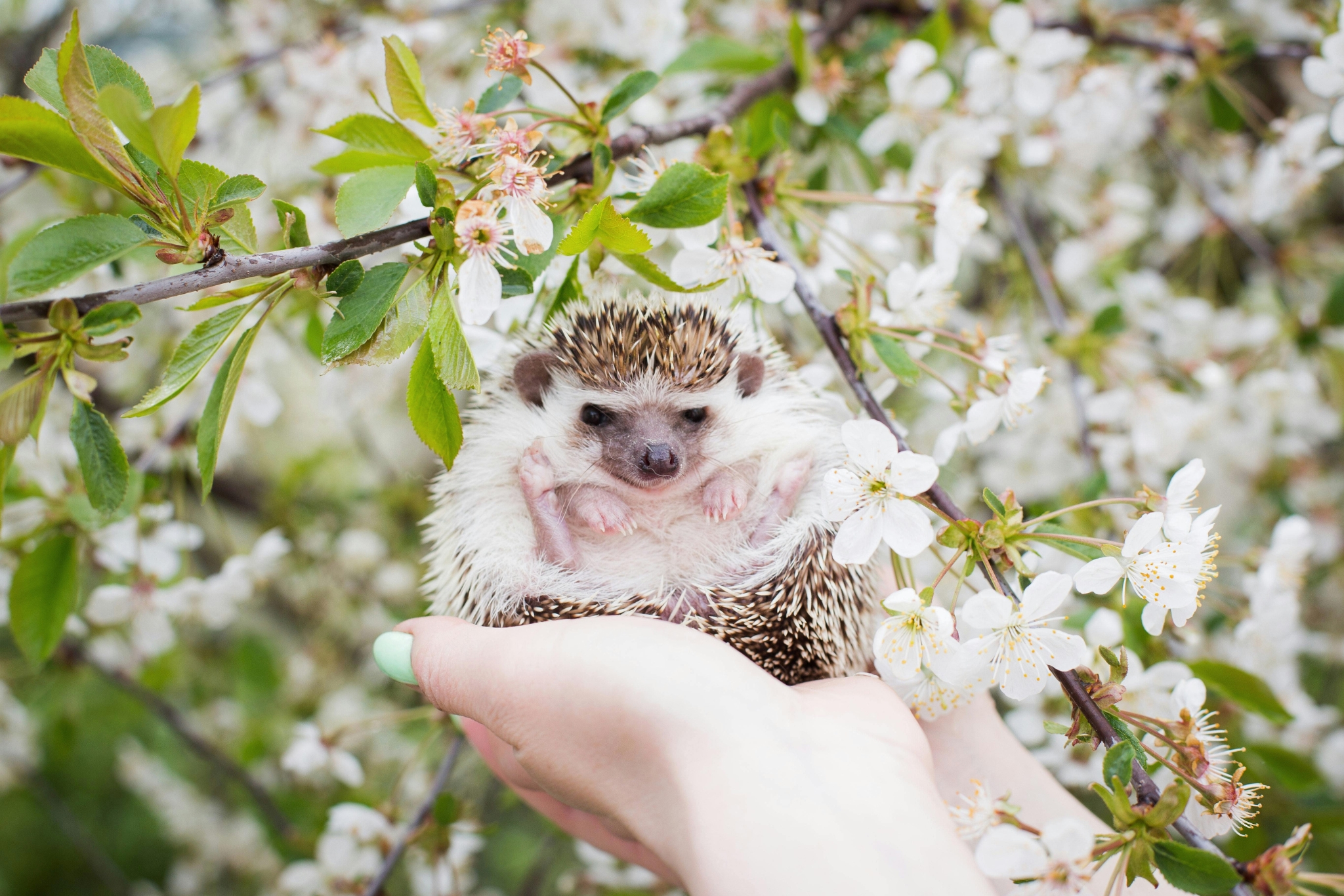
Hedgehogs are undeniably adorable with their tiny snouts, button eyes, and spiky coats. Over the last decade they’ve become increasingly popular as exotic pets…but are hedgehogs good pets?
Before falling for their spiky little charm, it’s important to understand what hedgehog ownership involves.
Let’s explore the pros and cons of hedgehog ownership, their daily care needs, and what you should know before bringing one of these cuties home.
What Kind of Animal Is a Hedgehog?
The most common hedgehog species kept as pets is the African pygmy hedgehog.
Most people are surprised to find that hedgehogs are not rodents and they aren’t closely related to porcupines. Hedgehogs are actually their own unique group of mammals in the subfamily Erinaceinae (within the family Erinaceidaeand).
This quiet and solitary insectivore is relatively small (typically 5 to 8 inches long) and can live 4 to 6 years in captivity with proper care.
The Positives of Having a Hedgehog as a Pet
✔️Quiet and Low Odor
Hedgehogs are mostly silent and don’t have a strong natural odor if their enclosure is kept clean.
✔️ Hypoallergenic Option
Since they don’t have fur like cats or dogs, hedgehogs are often a better option for people with mild pet allergies.
✔️ Minimal Shedding and No Fleas
Unlike traditional pets, hedgehogs don’t shed fur or attract fleas.
✔️ Fascinating to Watch
Their curious personalities and exploratory nature (especially during the evening) is super cute and enjoyable to observe. Many hedgehogs also engage in a quirky behavior called self-anointing which fascinates many owners.
✔️ Bonding Potential
With patience and gentle handling many hedgehogs become comfortable with their caregivers. Some hedgehogs will even curl up on your lap or explore a safe space you’ve set up for them.
Challenges of Hedgehog Ownership
While hedgehogs have their perks, they also come with several unique challenges potential owners should be aware of:
❗ Nocturnal Nature
Hedgehogs are nocturnal – so you’ll want to interact and feed these little cuties in the evening when they’re awake. This can be inconvenient for people who expect a daytime companion or need absolute silence to get a good nights rest. Keep in mind that loud nighttime activity on exercise wheels is common with this species.
❗ Can Be Shy or Defensive
Hedgehogs are not naturally cuddly animals. They may hiss, puff, or ball up when scared or stressed. Socialization takes time and patience.
❗ Temperature-Sensitive
They must be kept at a consistent 72 to 80°F (22 to 27°C). Too cold or too hot can lead to health issues or attempts to hibernate (which can be fatal in captivity).
❗ Specialized Veterinary Care
Not all veterinarians are experienced with hedgehogs. Exotic pet vets can be harder to find and more expensive than regular vets.
❗ Unique Diet Requirements
Feeding hedgehogs isn’t overly complicated, but it does require an understanding of their nutritional needs since an improper diet can lead to health issues like obesity or malnutrition.
Hedgehogs thrive on a high protein low fat diet that includes:
- High-quality hedgehog food
- Insects like mealworms or crickets
- Occasional fruits and veggies
- Safe protein sources like cooked lean meats and boiled and scrambled eggs
❗ Solitary and Not Recommended for Children
Hedgehogs are solitary animals and generally don’t enjoy living with others. They can also be fragile little critters and make a poor match for homes with small children.
Housing and Enrichment
Enclosure
A hedgehog’s cage should be:
- At least 2 to 3 square feet of floor space
- Well ventilated, secure, and escape proof
- Equipped with solid flooring (wire floors can injure their feet)
Enrichment
Hedgehogs are active little animals that love to explore, forage, and play. Boredom can lead to stress so its important to provide a variety of things to keep them entertained.
You should provide your hedgehog with:
- A silent exercise wheel (solid surface only)
- Hiding spots or tunnels
- Foraging toys and puzzle feeders
- Time outside of their cage to explore safely
Cleanliness
A hedgehog’s cage needs to be spot-cleaned daily and deep-cleaned weekly. Hedgehogs also tend to poop while running on their wheels, so those will need regular cleaning as well.
Common Health Issues
- Obesity – from poor diet or lack of exercise
- Wobbly Hedgehog Syndrome (WHS) – a neurological disorder with no cure
- Mites – can cause intense itching and quill loss
- Dental Disease – unfortunately this is especially common in older hedgehogs
- Respiratory Infections – often due to lack of ventilation and poor enclosure conditions
PRO TIP: Even if your hedgehog appears healthy, regular vet checkups are still important. Exotic pets like hedgehogs tend to hide signs of illness, often until the condition has become serious. Early detection through routine vet care can help make a big difference.
Bonding With a Hedgehog
Hedgehogs can naturally be shy and bonding with them takes time – but with consistent gentle handling they typically begin to warm up and may grow to enjoy spending time with their humans.
Hedgehog Bonding Tips:
- Handle them daily – even if it’s just for a few minutes
- Be gentle and patient – never force interaction
- Use soft blankets and bonding pouches
- Let them explore with you while they’re awake in the evening
What You’ll Need to Get Started
- Proper cage and heat source
- High quality food
- Bedding – fleece liners or paper bedding
- Hides, toys, and tunnels
- Water bottle or shallow dish
- Exotic pet veterinarian contact
Before You Adopt
- Research hedgehog care thoroughly
- Locate an exotic animal vet
- Make sure you’re legally allowed to own one in your area
- Prepare a proper enclosure and get everything you need for their diet
- Be ready for long-term responsibility
Is a Hedgehog the Right Pet for You?
Hedgehogs are fascinating, low-maintenance, low odor pets with big personalities. Their nocturnal habits, dietary needs, and temperature sensitivity make them better suited for adults or older teens who are willing to research and invest time into their care.
If you’re looking for a pet to cuddle during the day, a hedgehog might not be the best fit. But if you’re a patient and observant animal lover who values quiet companionship and doesn’t mind some quirks, a hedgehog can be a delightfully unique exotic pet.