How Long Do Crested Geckos Live as Pets? (and Tips to Help Them Live Longer)
Your crested gecko could live 20+ years. Here’s what affects their lifespan and exactly how to give them the best chance at a long, healthy life.
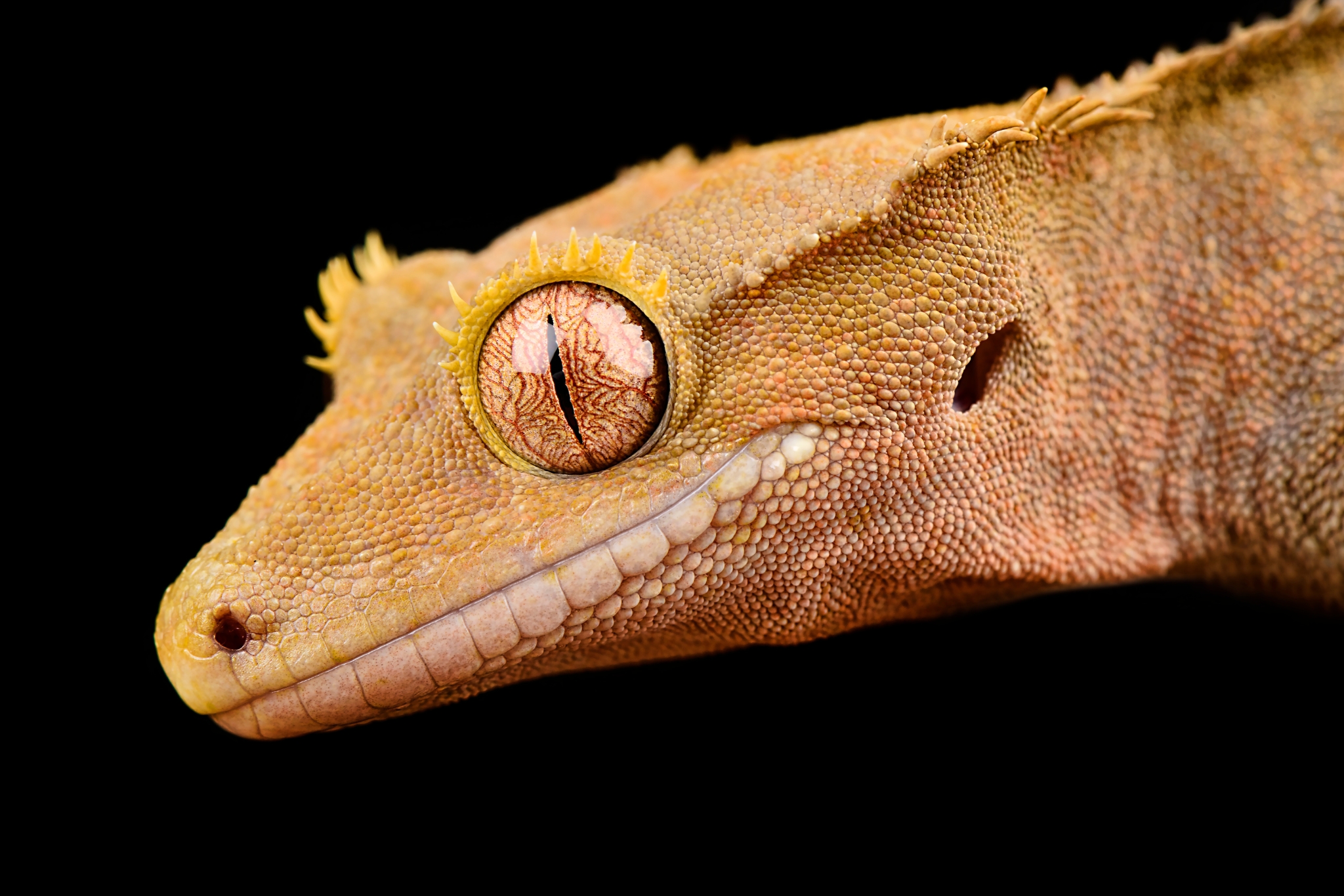
Crested geckos have quickly earned their place as one of the most popular pet reptiles, known for their expressive faces, ease of care, and fascinating behavior. But beyond their charm, one question matters more than most: how long do they actually live, and what determines whether they reach their full lifespan?
Understanding the factors that influence their longevity—from diet and habitat to overall care—can make a significant difference in how well your crested gecko thrives over the years.
How Long Do Crested Geckos Live?
A healthy crested gecko (Correlophus ciliatus) kept in captivity typically lives 15 to 20 years, with well-cared-for individuals occasionally reaching their mid-20s. This makes them a true long term commitment—closer to caring for a dog than a short lived pet.
In the wild, crested geckos native to New Caledonia tend to have shorter lifespans due to predation, environmental stress, and disease. In captivity, where those pressures are removed, they have a much better chance of living longer—provided they receive proper care.
Average Crested Gecko Lifespan
- Wild crested geckos: 5 to 10 years
- Captive crested geckos (average care): 10 to 15 years
- Captive crested geckos (excellent care): 15 to 20+ years
Factors That Affect Crested Gecko Lifespan
Not all crested geckos have the same lifespan—care plays a major role. Several key factors will determine how long your pet gecko lives and how well it thrives:
1. Diet and Nutrition
Nutrition is one of the most important factors in a crested gecko’s lifespan. The introduction of commercial meal replacement powders (MRPs), such as those from reputable reptile nutrition brands, has significantly improved longevity in captivity.
A balanced adult gecko diet should include:
- A high-quality crested gecko MRP as the staple (offered every 2 to 3 days)
- Live gut-loaded insects (such as crickets, dubia roaches, or black soldier fly larvae) a few times per week for enrichment and added protein
- Calcium and vitamin D3 supplementation to prevent metabolic bone disease
Avoid citrus fruits and foods high in oxalates, as they can interfere with calcium absorption.
2. Temperature and Humidity
Crested geckos are a cool tolerant species and do best in moderate temperatures.
Ideal daytime temperature: 72°F to 78°F (22°C to 26°C)
Avoid temperatures above 85°F (29°C), which can cause dangerous heat stress.
Humidity should be maintained between 60% to 80%, usually through daily misting.
Low humidity can lead to dehydration and shedding issues, while long-term imbalance can affect overall health.
3. Enclosure Size and Setup
A properly sized and enriched enclosure is essential for your gecko’s long term health.
For one adult gecko, aim for at least a 24″ x 24″ x 48″ vertical enclosure. Crested geckos are arboreal, so height is more important than floor space. Include:
- Climbing branches, cork bark, and plants
- Multiple hiding spots at different levels
- A secure enclosure to prevent escapes
- Easy-to-maintain substrate (bioactive or simple options like paper towel)
A cramped or bare enclosure can lead to chronic stress over time.
4. Stress Levels
Chronic stress can quietly shorten a crested gecko’s lifespan. These reptiles are solitary and generally prefer minimal handling.
Common stressors include:
- Over-handling
- Housing multiple males together
- Loud or high-traffic environments
Signs of stress may include:
- Refusing food
- Staying low instead of climbing
- Constant hiding
- Dropped tail (which does not grow back)
Reducing stress helps support immune function and overall longevity.
5. Veterinary Care
Having access to an experienced reptile veterinarian is important. Routine checkups can catch issues early before they become serious.
Common health issues that impact lifespan include:
- Metabolic Bone Disease (from calcium or D3 deficiency)
- Cryptosporidiosis (a serious gut parasite)
- Respiratory infections (often linked to poor humidity or temperature)
- Egg binding (in females)
Early detection and proper care can make a significant difference in your gecko’s long term health.
Male vs. Female Crested Gecko Lifespan
In general, male crested geckos tend to live slightly longer than females when they’re both are kept under ideal conditions. This is largely because females use a significant amount of energy producing eggs—often laying clutches of 2 eggs every 4 to 6 weeks during the breeding season.
If a female is bred too frequently without proper rest and strong nutritional support, it can take a toll on her body and shorten her lifespan.
If you have a female and don’t plan to breed her, it’s best to keep her separate from males. This helps reduce unnecessary egg production and supports better long term health and longevity.
Crested Gecko Care Tips by Age Group
Understanding what to expect at each stage of your crested gecko’s life makes it much easier to provide the right care as they grow.
Hatchling (0 to 3 months)
This is the most delicate stage. Hatchlings are tiny, easily dehydrated, and sensitive to environmental changes.
- Use a smaller enclosure so food and water are easy to locate
- Mist regularly to maintain proper humidity
- Offer fresh food frequently and monitor eating closely
- Minimize handling to reduce stress
Juvenile (3 to 12 months)
This is a period of rapid growth and development. Proper nutrition is especially important.
- Offer food more frequently to support growth
- Include occasional live insects for added protein
- Begin gentle handling, keeping sessions short (about 5 to 10 minutes)
- Monitor shedding and growth consistency
Sub-Adult (12 to 18 months)
Growth begins to slow, and sexual maturity develops.
- Transition to a more regular adult feeding schedule
- Continue to ensure proper calcium and vitamin supplementation
- Begin identifying sex if you haven’t already done so
- Avoid cohabitation, especially between males
Adult (18 months+)
At this stage, your gecko is fully mature and should be stable with proper care.
- Maintain a consistent feeding and misting routine
- Keep the enclosure well-enriched and clean
- Monitor weight and body condition
- Schedule periodic health checks with a reptile vet
Senior (10+ years)
As crested geckos age, their metabolism and activity levels may slow.
- Expect reduced appetite and activity
- Monitor for signs of aging, such as stiffness or weight loss
- Keep temperatures stable and avoid stress
- Pay close attention to any unusual lumps or health changes
Adjusting care as your gecko moves through each life stage helps support long term health and can significantly improve both their lifespan and quality of life.
How to Maximize Your Crested Gecko’s Lifespan
Here’s a quick summary of the practices that consistently lead to the longest lived, healthiest crested geckos:
- Feed a high-quality meal replacement powder (MRP) as the staple diet, with occasional gut-loaded insects for added nutrition and enrichment
- Keep temperatures below 80°F at all times—and use a reliable thermometer to monitor conditions
- Mist the enclosure daily and track humidity with a hygrometer
- Provide a spacious, well-enriched vertical enclosure with plenty of climbing opportunities
- Limit handling to short, calm sessions, and respect when your gecko wants to retreat
- House geckos individually unless breeding under controlled, experienced conditions
- Schedule annual checkups with a veterinarian experienced with reptiles
- Source your gecko from reputable breeders, since captive bred animals tend to live longer than wild caught individuals
Are Crested Geckos a Long Term Commitment?
Absolutely—a crested gecko you bring home today could still be with you in two decades. That’s not something to shy away from—it’s part of what makes them such a rewarding pet.
For families, crested geckos can grow alongside children and often outlive smaller pets like hamsters or guinea pigs. For individual reptile keepers, they offer years—and hopefully decades—of quiet, fascinating companionship.
The key is going in informed. With the right setup, proper nutrition, and consistent veterinary care, your crested gecko has every opportunity to live a full, healthy life of 15 years or more.
Final Thoughts on Crested Gecko Lifespan
Crested geckos are hardy, adaptable, and incredibly rewarding pets when their needs are properly met. Their typical lifespan of 15 to 20 years in captivity is among the longest for commonly kept pet lizards, highlighting both their resilience and the impact of good care.
Whether you’re a first time reptile owner doing your research or an experienced keeper refining your setup, the core principles remain the same: maintain proper temperatures, provide balanced nutrition, minimize stress, and stay consistent with health monitoring.
Get those fundamentals right, and your crested gecko has every chance of being a long term, thriving companion.