How to Bond With Your Guinea Pig
How long does it take to bond with a guinea pig? Get a week by week timeline plus practical tips to help you build trust faster.
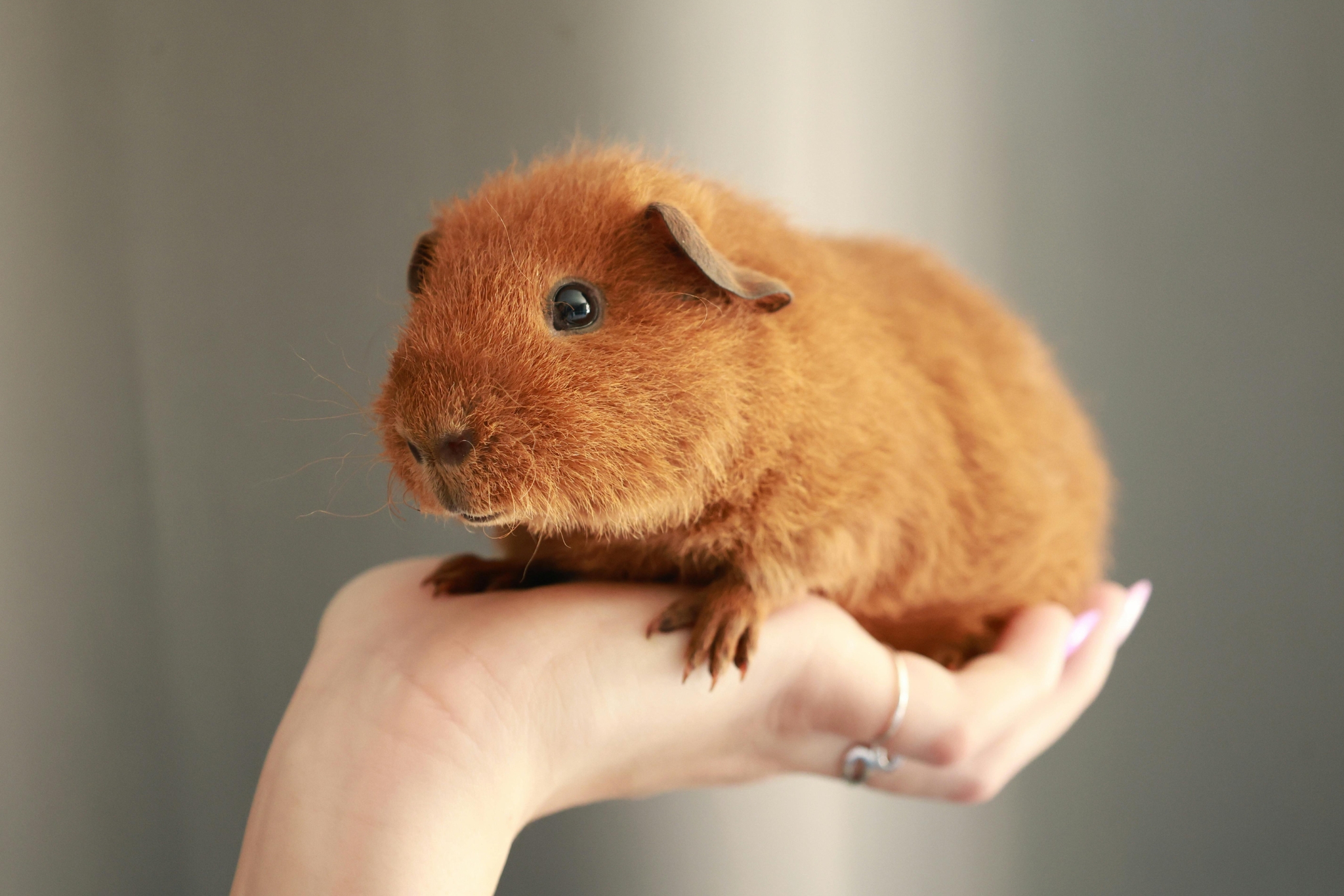
- Why Guinea Pigs Are Nervous by Nature
- How Long Does It Take to Bond With a Guinea Pig?
- Step 1: Set Up a Space Where Your Guinea Pig Feels Safe
- Step 2: Consider a Companion (Yes, Really)
- Step 3: Start by Simply Being Present
- Step 4: Use Food to Build Trust
- Step 5: Learn to Pick Up and Hold Your Guinea Pig Properly
- Step 6: Get Floor Time and Playtime Involved
- How to Read Guinea Pig Body Language and Sounds
- Common Bonding Mistakes to Avoid
- Bonding With Guinea Pigs and Kids
- Bonding With a Shy or Rescue Guinea Pig
- Daily Habits That Strengthen Your Bond
- Frequently Asked Questions
- The Bottom Line
If you’ve ever lived with a guinea pig, you’ve probably noticed they can be a little dramatic. One minute, your furry roommate is happily munching on hay, and the next they’re diving into their hidey house because you sneezed.
Guinea pigs can be incredibly rewarding little companions, especially as they grow more comfortable around you. They’re social, curious, surprisingly vocal, and pretty good at figuring out who their people are. Whether you’ve had your guinea pig for a few days or several months, there’s always room to build a stronger bond. With patience and the right approach, that nervous little statue can become a squeaky popcorning buddy who comes running to the cage door when they see you.
Why Guinea Pigs Are Nervous by Nature
If you really want to bond with your guinea pig, it helps to see the world from their perspective. Guinea pigs are prey animals, which means they’re naturally wired to be cautious. In the wild, they’re surrounded by larger animals that could see them as a meal, so their first instinct when something big approaches is often to freeze, run, or hide.
And to a guinea pig, you’re pretty big! Especially when your hands come reaching down from above, you can look like a giant unfamiliar creature coming straight toward them.
Once you understand that, their behavior starts to make a lot more sense. Bonding isn’t about “taming” your guinea pig. It’s about showing them (little by little) that you’re safe, predictable, and someone they can trust—and that good things (like fresh veggies) happen when you’re around.
How Long Does It Take to Bond With a Guinea Pig?
Every guinea pig is different, so there isn’t an exact timeline for building trust. Some of them warm up quickly, while others need a bit more time. As a general guide, you might notice something like this:
- Days 1 to 3: Your guinea pig is getting used to their surroundings. Hiding, freezing, and being extra cautious are completely normal.
- Weeks 1 to 2: They may start recognizing your voice, your smell, and familiar household sounds—like the fridge opening or the unmistakable crinkle of a treat bag.
- Weeks 2 to 4: Many guinea pigs begin approaching you on their own, taking treats from your hand, and becoming more comfortable with gentle petting.
- 1 to 3 months: As trust grows, you may see more relaxed body language, longer lap time, and plenty of excited squeaks when they hear you coming.
Keep in mind that younger guinea pigs usually warm up more quickly, while rescued guinea pigs or those who have had unpleasant experiences with people may need extra time.
And remember, bonding rarely happens in a perfectly straight line.
A loud noise, trip to the vet, or even a cage cleaning can make your guinea pig feel a little more nervous for a while. That doesn’t mean you’ve lost your progress, it’s just part of getting to know each other.
Step 1 Set Up a Space Where Your Guinea Pig Feels Safe
Bonding starts with the cage… not with your hands.
When your guinea pig feels safe and comfortable in their space, they’re much more likely to relax and interact with you.
- Give them plenty of space. Guinea pigs need more room than many standard pet store cages provide. As a general guideline, aim for at least 7.5 square feet for 1 or 2 guinea pigs, with more space always being a bonus. Having room to run, explore, and move around helps them feel less confined.
- Add lots of hiding spots. Hiding isn’t a sign that your guinea pig is unhappy or antisocial. It’s something they naturally need to feel secure. Try to provide at least 1 hideout per guinea pig, along with a few extras just in case. When they know they have somewhere safe to retreat to, they’re usually more comfortable venturing back out on their own.
- Choose a social but peaceful spot. A living room or family room can work well because your guinea pig gets to see and hear you throughout the day and gradually becomes familiar with normal household sounds. Just keep the cage away from drafts, direct sunlight, and loud TVs or speakers.
- Keep things clean and predictable. Regular spot cleaning and a consistent feeding routine can help your guinea pig feel settled. For a prey animal, knowing what to expect can go a long way toward building trust.
Step 2 Consider a Companion (Yes, Really)
Guinea pigs are social animals, and they do best when they have another guinea pig around. A lone guinea pig without a companion can become bored, withdrawn, or stressed (even if you spend plenty of time with them).
And having a cagemate doesn’t mean they’ll be less attached to you either. In fact, guinea pigs who feel secure with another buddy typically become more confident around people too.
When they have a buddy to explore with, it can make them feel safer and more willing to come out of their shell. Many owners find that bonded pairs can actually be easier to interact with because the guinea pigs give each other confidence.
If you’re thinking about adding a second guinea pig, remember to take introductions slowly. Start them out on neutral ground and keep a close eye on their behavior, especially for signs of serious aggression. Same sex pairs are generally the simplest arrangement, and a rescue or shelter may be able to help you find a companion with a compatible personality.
Step 3 Start by Simply Being Present
During the first week or so, your main goal is simply to be a calm, quiet, non-threatening presence. It might not feel like you’re doing much, but this is where the foundation of your bond starts.
- Spend time near the cage. Read, scroll through your phone, or get some work done nearby. You don’t need to interact with your guinea pig constantly. Just being around helps them get used to your presence.
- Talk to them softly. Guinea pigs can learn to recognize familiar voices, so a gentle consistent tone can help them associate your voice with something safe and familiar.
- Move slowly. Try to avoid sudden movements, loud noises, or reaching quickly toward them. The calmer you are, the easier it is for your guinea pig to relax.
- Approach from the side or front. Whenever possible, avoid reaching straight down from above. To a guinea pig, a large shape suddenly appearing overhead can feel a lot like a predator approaching.
- Most importantly, let your guinea pig set the pace. They may spend plenty of time hiding at first, and that’s okay. You’re still building trust every time you’re nearby and nothing scary happens. Eventually, your presence becomes just another normal part of their day.
Step 4 Use Food to Build Trust
If there’s one thing that can make bonding with a guinea pig easier, it’s food. Guinea pigs tend to be very food motivated, so using tasty healthy treats can be a great way to help them associate you with something positive.
Good bonding treats include:
- Bell pepper: a great source of vitamin C, which guinea pigs need to get from their diet
- Cilantro, parsley, and romaine lettuce: good veggie options that many guinea pigs enjoy
- Cucumber: small slices make an easy, refreshing treat
- Carrot: fine in small amounts, but keep it limited because it’s relatively high in sugar
- Apple or berries: save these for occasional treats rather than everyday snacks
Don’t forget to introduce new foods gradually, and remember that treats are just part of the picture.
The foundation of your guinea pig’s diet should be unlimited grass hay (such as Timothy hay) along with an appropriate amount of quality guinea pig pellets and daily fresh vegetables.
How to use treats for bonding
- Start simple: Place a treat in their bowl while they can see you.
- Once they’re comfortable with that: Hold a treat near the cage opening and let them decide whether to come closer.
- As they become more confident: Offer the treat from your open palm.
- Eventually: You can let them eat from your hand while keeping your other hand nearby.
- When they’re comfortable with that: Try a gentle stroke.
The key is to take it one step at a time. You want your guinea pig to learn that your hands bring good things—not that hands automatically mean being grabbed or handled.
PRO TIP
Most guinea pigs quickly figure out that the sound of a crinkly treat bag or the opening of the fridge means food is coming. Before long, you may hear them start “wheeking” the second they hear it. That’s a pretty good sign that they’ve connected you with something they really like.
Step 5 Learn to Pick Up and Hold Your Guinea Pig Properly
Handling can make a huge difference in your relationship with your guinea pig.
They generally don’t enjoy being chased, grabbed, or picked up without proper support, and a stressful experience can make them more hesitant the next time you reach for them.
- Don’t chase them around the cage. Instead, give them a chance to move toward you. You can encourage them into a tunnel or hideout, or use a small treat to gently lure them closer.
- Use both hands. When you’re ready to pick up your guinea pig, gently scoop one hand under their chest while using your other hand to support their hindquarters. Keep their whole body supported, and never let their back end dangle!
- Keep them close to you. Holding your guinea pig against your chest or letting them settle on a towel in your lap can help them feel more secure. A fleece blanket or towel is also a good idea for protecting your clothes. Guinea pigs can have little accidents when they’re nervous (and sometimes when they’re perfectly relaxed too).
- Keep early handling sessions short. Start with just a few minutes and gradually increase the time as your guinea pig becomes more comfortable. Try to finish while things are still going well, ideally with a favorite treat, rather than waiting until they’re stressed.
- Stay close to the floor. Guinea pigs can seriously hurt themselves if they jump or fall from a height. Sitting on the floor while handling them is one of the safest options, especially when children are involved.
The goal isn’t to make your guinea pig love being picked up right away. It’s to make handling feel calm, predictable, and safe. As they become more comfortable with you, you’ll usually see less squirming and more relaxed behavior during your time together.
Step 6 Get Floor Time and Playtime Involved
Bonding isn’t just about holding your guinea pig. In fact, many guinea pigs feel more confident when they can explore at their own pace while you’re nearby.
Try creating a safe guinea pig-proofed play area with:
- Tunnels and cardboard boxes: cut a few doorways into the boxes and let your guinea pig explore, hide, and pop back out
- Fleece blankets: give them a soft spot to relax and stretch out
- Scattered veggies: turn snack time into a little foraging game by hiding small pieces around the play area
- A hidey house: make sure there’s always somewhere they can retreat if they feel nervous
After you’ve set up their little spot, sit down in the play area with them and let them decide when they’re ready to investigate. They may start by keeping their distance, then gradually get curious about your hands, your clothes, or even your lap. When your guinea pig voluntarily climbs onto you or comes over to sniff you, that’s a pretty big trust milestone.
Always remember to supervise playtime and check the area for anything they could chew or get stuck in, including electrical cords, small gaps, and potentially toxic houseplants.
How to Read Guinea Pig Body Language and Sounds
Guinea pigs talk constantly, and learning their language is one of the most powerful bonding tools you have.
Happy and comfortable signs:
- Wheeking: A loud excited squeal, often when they hear you, the fridge, or a treat bag. This is the classic “feed me!” greeting.
- Popcorning: Small energetic leaps into the air. It’s a burst of pure joy, especially common in young guinea pigs.
- Purring (a low rumble): Can mean contentment, especially during petting. But a rumble paired with strutting can also be a courtship or dominance behavior.
- Relaxed stretching or lying flat: A sign they feel safe enough to let their guard down.
Stressed or unhappy signs:
- Freezing: Standing perfectly still is a fear response. Give them space and time.
- Teeth chattering: A warning that they’re annoyed or feeling threatened. Back off.
- Chutting or a high sharp squeak: Can signal alarm or pain.
- Hiding constantly or refusing food: A sign of stress or potentially illness.
If your guinea pig suddenly stops eating, seems lethargic, or shows other changes in behavior, contact an experienced exotics veterinarian promptly. Guinea pigs hide illness well, and problems can escalate quickly.
Common Bonding Mistakes to Avoid
Even when you have the best intentions, a few common habits can accidentally make bonding take longer.
Here are some things to watch out for:
- Rushing handling: Trying to pick up or pet your guinea pig before they’re ready can make them more nervous. Let trust build gradually instead of forcing interaction.
- Reaching down from above: A hand coming straight down can trigger their natural fear of predators. Whenever possible approach from the side or front.
- Keeping them in a loud environment: Constant noise, sudden sounds, or lots of activity can keep your guinea pig feeling on edge. A calm predictable environment makes it easier for them to relax.
- Changing routines constantly: Guinea pigs tend to feel more secure when they know what to expect. Try to keep feeding, cleaning, and interaction around roughly the same times each day.
- Giving too many sugary treats: Fruits and carrots can be tasty rewards, but they’re higher in sugar and should be offered in small amounts. Keep treats balanced and let hay and appropriate vegetables make up the bulk of their diet.
- Ignoring signs that they’ve had enough: If your guinea pig freezes, chatters their teeth, struggles to get away, or otherwise seems stressed, it’s time to take a break. Ending the interaction before they become overwhelmed helps them learn that you’ll listen when they’re uncomfortable.
Bonding With Guinea Pigs and Kids
Guinea pigs can make wonderful pets for children, but a little guidance from adults goes a long way.
Kids should always be supervised during handling and taught to be gentle and respectful of their guinea pig’s boundaries. Have children sit on the floor when holding a guinea pig, use both hands to support their body, and keep handling sessions short.
It’s also important to teach them to pay attention to body language and recognize when their guinea pig is feeling nervous or wants to be put down.
When kids learn to understand those little signals, they’re not just learning how to handle a pet—they’re also learning how to build trust and respect with an animal, and that can turn into a really special relationship over time.
Bonding With a Shy or Rescue Guinea Pig
Some guinea pigs (especially rescues or those who haven’t had much positive handling) simply need more time to feel comfortable. If that sounds like your guinea pig, slow things down and let them set the pace.
- Take each step more slowly: Don’t worry about sticking to a schedule. Give your guinea pig as much time as they need to become comfortable with each stage.
- Let them come to you: Instead of reaching toward them, give them opportunities to approach you on their own. It may take longer, but those voluntary interactions can build a lot of trust.
- Spend extra time nearby: Sit quietly next to the cage while you read, work, or relax. Even when your guinea pig doesn’t interact with you, they’re learning that your presence is safe.
- Celebrate the little victories: Eating a treat while you’re nearby, coming out of a hidey, sniffing your hand, or allowing a brief touch are all signs of progress.
It can take time to earn the trust of a shy guinea pig, but those small moments can make the process incredibly rewarding. When a cautious guinea pig finally starts choosing to come over and interact with you, you’ll know that trust was earned on their terms.
Daily Habits That Strengthen Your Bond
Consistency matters way more than any one big gesture. It’s the small things you do every day that help your guinea pig learn that you’re a familiar and safe part of their world.
- Greet them by name: Say their name in a soft friendly voice whenever you approach their cage. Over time they will start to recognize it.
- Offer fresh veggies around the same time each day: A predictable routine helps your guinea pig know what to expect.
- Spend time nearby: Sit next to the cage for a few minutes, even if you’re not handling them. Your presence alone can help build familiarity.
- Give them daily floor or lap time: As your guinea pig becomes more comfortable, regular time outside the cage can give you more opportunities to interact and bond.
- Give them a gentle health check: During handling, keep an eye out for things like changes in body condition, overgrown nails, or unusual skin changes. Regular handling also makes it easier to notice when something seems different.
None of these things has to take a lot of time—what matters is doing them consistently. Little by little, your guinea pig learns that you’re predictable, familiar, and part of the safe routine they can count on.
Frequently Asked Questions
1. How do I know my guinea pig trusts me?
Look for signs that your guinea pig is choosing to interact with you. They might approach you on their own, take food from your hand, wheek when you walk into the room, relax on your lap, or popcorn around you. These little behaviors can all be signs that they feel comfortable in your presence.
2. Do guinea pigs like to be held?
It really depends on the guinea pig. Some enjoy lap time, some are happy to tolerate being held for a little while, and others would much rather hang out with you on the floor. Every guinea pig has their own personality and comfort level, so pay attention to what yours seems to prefer.
3. Why does my guinea pig run away from me?
Usually it’s just instinct. Guinea pigs are prey animals, so even one that completely trusts you may run away when they’re startled or feel like they’re being cornered. Try moving slowly, approaching from the side, and using treats to encourage them to come closer.
4. Can I bond with more than one guinea pig?
Absolutely! You can build a relationship with each guinea pig in a pair, and having a companion can help them feel more secure. You may even find that each one develops a different personality and a slightly different relationship with you.
5. How often should I handle my guinea pig?
Once your guinea pig is comfortable with handling, short positive sessions each day can be a great way to maintain your bond. There’s no need to force a long session. Let your guinea pig’s behavior guide you, and gradually increase the time as they become more relaxed.
The Bottom Line
Bonding with your pet guinea pig isn’t about rushing things or expecting affection on your schedule. It’s about building trust one small moment at a time—through patience, gentle handling, tasty treats, and paying attention to what your guinea pig is trying to tell you.
Give them a safe comfortable home, keep their routine consistent, and fill their days with calm positive experiences. Over time, those little moments start to add up. Your guinea pig may begin coming over when you approach, taking treats from your hand, relaxing around you, or greeting you with that unmistakable wheek the moment you walk into the room.
That’s when you know the bond is really starting to click and you’re not just the person who brings the food anymore. You’ve become someone your guinea pig recognizes, trusts, and looks forward to seeing.