How Many Hours of Turnout Does a Horse Need? What the Science Says
Riding isn’t turnout. Discover how much free movement, forage, and social time horses really need based on peer reviewed research.
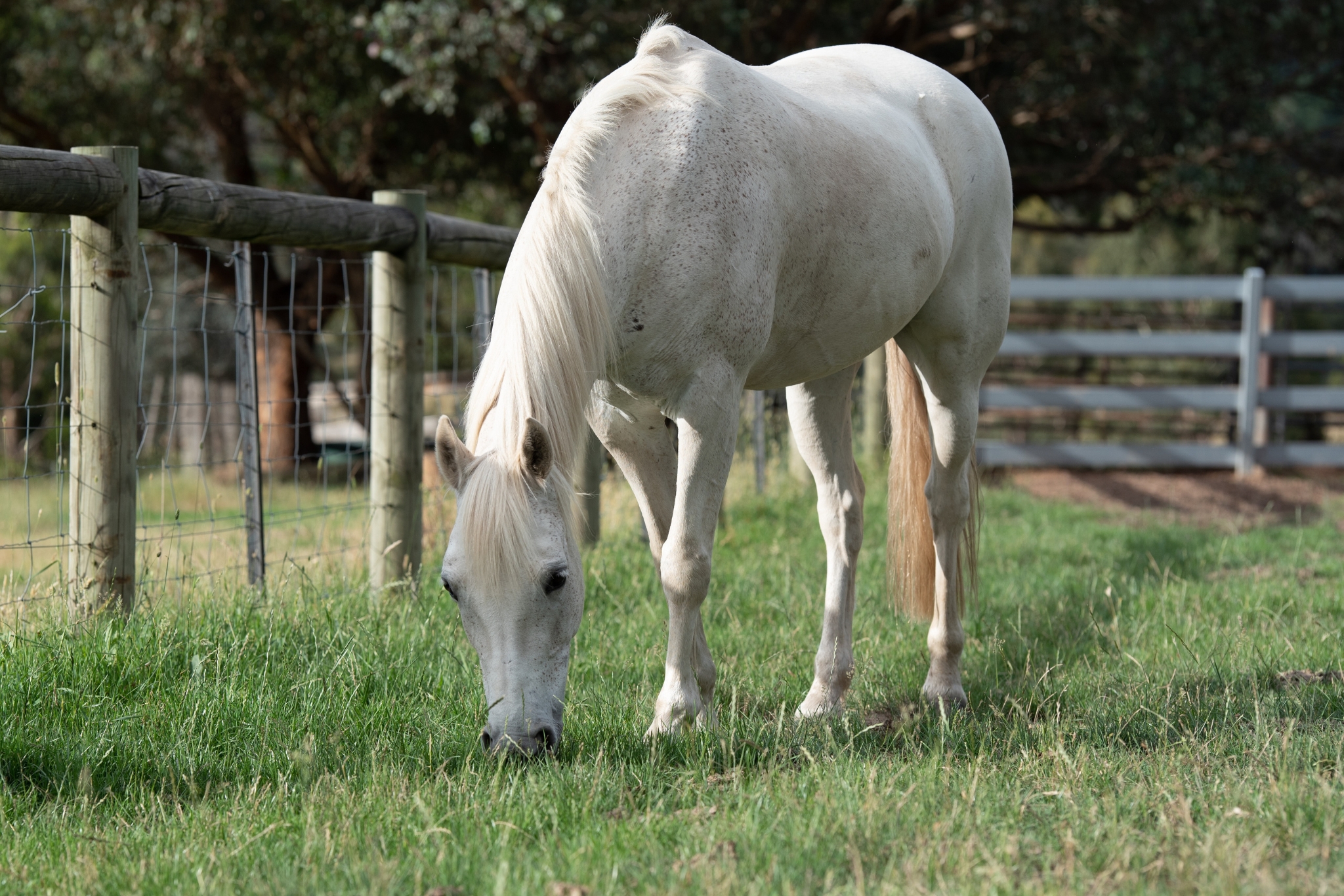
If you’ve ever turned your horse out after spending a few days in the barn, you’ve probably seen the whole show—bucking, galloping, snorting, and generally letting loose. It’s easy to laugh and think “Yep, that’s just a horse being a horse.”
But researchers see something more meaningful in those bursts of energy, and they can actually give us some insight into what horses need for their bodies, brains, and daily routines.
The Short Answer
There isn’t a peer reviewed “minimum effective dose” of turnout that applies to every horse. What the research does support is more of a hierarchy:
- Best supported by the science: 24 hour access to pasture or a large paddock, ideally with compatible herd mates, continuous access to forage, and shelter.
- A strong compromise: As many hours of daily turnout as you can reasonably manage, with stall time limited to when it’s actually needed—with forage available whenever the horse is stalled.
- Least supported: Short periods of daily turnout (an hour or two) or turnout only on weekends. While it’s certainly better than no turnout at all, but research on behavior and physical health suggests it still leaves some of the horse’s needs unmet.
What Horses Evolved to Do
Horses evolved to be grazing, social, wide ranging animals—and modern horses are still very much built for that same lifestyle.
50% to 70%
Studies on free ranging horses have found that they spend roughly 50% to 70% of their day grazing.
17 km
GPS tracking of feral horses in Australia also found that they traveled about 17 km (roughly 10 miles) per day on average.
And most of that movement isn’t running—it’s slow steady walking as they forage.
Now compare that with a horse who spends most of the day in a stall. Even if they’re ridden every single day, they’re still moving only a tiny fraction of the distance they would naturally.
And that matters because the horse’s digestive system, musculoskeletal system, and nervous system are all built around the same basic pattern: lots of low level movement, frequent small meals, and regular social contact.
Health Benefits of Turnout
Most equestrians agree that turnout is good, but what does all of that movement actually mean for your horse’s health?
1. Bone and Joint Development
Some of the strongest evidence for the physical benefits of turnout comes from young horses.
- Weanlings that are given daily access to pasture turnout maintained bone mineral content in the cannon bone, while weanlings kept confined showed mineral loss (Bell et al., 2001).
- Foals that had regular exercise early in life also developed more resilient joint cartilage than foals kept confined. Early movement appears to help protect against developmental orthopedic problems (Barneveld & van Weeren, 1999).
That’s one of the reasons why large paddock turnout is so common in professional breeding programs around the world.
Bone and cartilage develop in response to the loads placed on them during growth—and once that developmental window has passed, you can’t completely make up for missed loading later in life.
2. Joints, Tendons, and Older Horses
For adult and senior horses, the research is more limited, but the clinical reasoning is pretty straightforward: regular gentle movement helps keep joints moving and circulation going.
That’s why many horses with arthritis seem noticeably stiffer after spending long periods in a stall. Veterinary recommendations for horses with osteoarthritis often include as much turnout and gentle movement as the horse can safely tolerate.
3. Digestive Health
Horses are designed to be trickle feeders. Their stomachs produce acid continuously, which means their digestive systems are designed to eating small amounts of forage throughout the day rather than going long periods without food.
Colic research points in a similar direction. Large epidemiological studies have linked abrupt changes in management (including changes in exercise and turnout routines) with increased colic risk. Some studies have also found an association between regular pasture access and a lower colic risk (Cohen et al., 1999; Hudson et al., 2001).
Realistically, not every equestrian has access to large turnouts, but the takeaway isn’t that every horse needs unlimited pasture or that turnout automatically prevents colic.
It’s that consistency matters, and sudden changes in feeding, exercise, or turnout can be hard on the digestive system.
4. Respiratory Health
A stalled horse can spend hours breathing dust, mold spores, and ammonia, especially when their hay or bedding is dusty.
For horses struggling with equine asthma, environmental management is the cornerstone of successful treatment, and for many horses, pasture turnout can substantially reduce exposure to the airborne irritants found in stalls.
Turnout isn’t just about giving a horse more freedom.
It also helps recreate several of the conditions their bodies evolved around: movement, forage, fresh air, and time spent with other horses.
Mental and Behavioral Health Benefits
The way a horse is housed can have a bigger impact on their behavior and overall well-being than we sometimes realize. It’s not just about what they eat or how much exercise they get—movement, forage, social contact, their environment, and even having a comfortable place to rest all matter. When those needs aren’t being met, horses can show us in a variety of ways, and some of the clearest signs show up in their behavior.
1. Stereotypic Behaviors
Cribbing, weaving, stall walking, and repetitive head movements are examples of stereotypic behaviors—repetitive behaviors that don’t seem to have an obvious purpose and are generally associated with compromised welfare. Surveys have found widely varying rates of these behaviors in stabled horses, but a substantial minority of stabled performance horses show at least one.
- Research on the risk factors is fairly consistent. In Thoroughbreds, McGreevy et al. (1995) found that less forage, less turnout, and less social contact were associated with more stereotypic and redirected behaviors.
- Cooper et al. (2000) also found that simply giving stalled horses a wider view of their surroundings reduced weaving.
That’s why it’s important for equestrians to remember that a horse’s environment can contribute to frustration and stress. Once a stereotypic behavior becomes established, it can continue even after the horse’s living conditions improve, which is why creating an environment that supports their physical and behavioral needs from the start is so important.
2. Calmer and More Trainable
Turnout and a more natural lifestyle can also affect how your horse responds to training and handling.
- Rivera et al. (2002) compared pastured and stalled horses during initial training and found differences in their behavioral and physiological responses.
- Chaya et al. (2006) found that horses with less daily turnout showed more energetic and higher intensity behavior when they were finally turned out. That kind of “rebound” behavior can be a measurable sign that the horse has been missing opportunities for movement—not simply that they’re having a great time running around.
- A UK survey of leisure horse owners also found that less turnout was associated with more owner-reported stable-related and handling problems (Hockenhull & Creighton, 2015).
3. Social Contact and Stress
Horses are social animals, so having opportunities for appropriate contact with other horses really matters.
- Yarnell et al. (2015) found differences in behavioral and physiological stress responses between horses housed in isolation and those housed in groups.
- Søndergaard & Ladewig (2004) also found that young horses kept in groups showed better behavior during training.
- There are concerns beyond obvious signs of stress too—Fureix et al. (2012) documented a withdrawn, unresponsive posture in some horses that was associated with restricted housing conditions. While it’s important not to directly equate this with human depression, it does suggest that some horses may become less responsive when their environment is highly restrictive.
- A comprehensive review by Ruet et al. (2019) similarly concluded that individual box housing can present significant welfare challenges, particularly when horses have limited opportunities for social contact.
4. Sleep
Sleep is another piece of the puzzle that’s easy to overlook.
Horses only sleep for a few hours each day and can sleep standing up, but they need to lie down to get REM sleep… and horses are more likely to lie down when they feel safe and when they have comfortable footing.
Chronic lack of REM sleep is a recognized welfare concern. So providing a secure and comfortable place to rest (along with an environment where the horse feels safe) matters just as much as providing food and exercise.
Ultimately, these studies don’t mean that every horse needs the exact same management setup—but they do show that movement, forage, social contact, environmental variety, and comfortable rest are all important pieces of a horse’s overall well-being.
Turnout Does Not Equal Exercise
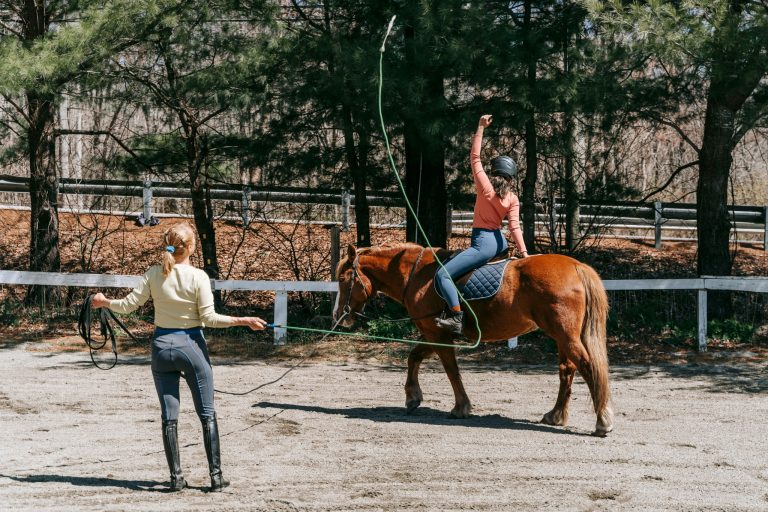
It’s easy to think that a daily ride takes care of a horse’s need for movement, but it really doesn’t.
A typical training session might last 30 to 60 minutes, while horses naturally spend most of their day moving around. GPS tracking studies have shown that free ranging and pastured horses travel considerably more throughout the day than stalled and ridden horses (Hampson et al., 2010).
There’s also a big difference between riding and the kind of movement horses naturally choose for themselves. Riding is structured around specific gaits and exercises, while everyday movement gives horses the freedom to wander, graze, socialize, and move at their own pace.
So instead of thinking of riding as a substitute for turnout, it’s more helpful to see it as one part of a horse’s overall activity. Turnout provides the opportunity for the ongoing self directed movement that a 30 to 60 minute ride simply can’t replace.
When Turnout Needs Special Management
The research strongly supports turnout as an important part of horse management, but that doesn’t mean every horse needs the same amount or type of turnout. Some horses have health, weather, or safety considerations that mean their turnout needs to be adjusted rather than eliminated.
1. Metabolic Horses and Laminitis Risk
Horses with equine metabolic syndrome, insulin dysregulation, PPID (Cushing’s), or a history of laminitis may need limited access to lush pasture… but restricted pasture doesn’t automatically mean keeping them confined to a stall.
There are several ways to provide movement while limiting access to rich grass:
- Grazing muzzles can substantially reduce forage intake, although how well they work varies between horses and muzzle designs.
- Dry lots or track systems are increasingly popular and can provide room to move without access to lush grass.
- Timing turnout can help reduce exposure to periods when grass is higher in sugar, such as sunny days following cold nights or during periods of rapid grass growth.
Because these horses can have very different needs, it’s important to work with your veterinarian to develop an individual management plan.
2. Transitioning to Pasture
Moving a horse from a stall straight onto lush spring grass can be a shock to their digestive system and may increase the risk of digestive upset and laminitis. That’s why it’s better to give their system time to adjust.
A gradual transition over one to two weeks is commonly recommended. Start with short grazing periods and slowly increase the amount of time they spend on pasture. It also helps to make sure the horse has eaten some hay before heading out, so they’re not going straight onto fresh grass hungry and ready to overindulge.
3. Weather Extremes
Horses generally handle cold weather really well, especially when they have plenty of forage and some protection from the wind and rain.
Studies of horses living outdoors through harsh winters have found that they can cope well when they have access to shelter from the elements. A horse with a full winter coat can also tolerate temperatures well below freezing, as long as their other needs are being met.
Heat, on the other hand, can be a bigger concern, especially in many parts of the USA. During hot weather, horses should always have access to plenty of fresh water and a shady place where they can get out of the sun.
During periods of extreme heat, it may make sense to shift turnout to the cooler parts of the day, such as early morning or overnight. And don’t forget about humidity—it can make it much harder for horses to cool themselves effectively through sweating.
4. Herd Dynamics and Injury
Group turnout does come with some risk of injury (usually from kicks or bites) but thoughtful management can go a long way toward keeping those risks low.
Introducing horses gradually, providing plenty of space, and avoiding crowded feeding areas can all help. More space also gives horses the opportunity to move away from each other when they need to, which can reduce tension and aggressive encounters.
And if a horse truly can’t be safely turned out with another horse, that doesn’t mean they need to be completely isolated. Adjoining paddocks can still give horses the chance to see, smell, and interact with each other over the fence. It’s not the same as being turned out together, but it can provide valuable social contact and is a better option than complete isolation.
5. Injured or Rehabbing Horses
Sometimes stall rest really is necessary, and when your veterinarian prescribes it, that recommendation should be followed. But it’s still worth asking whether there is a safe way to provide some controlled movement, such as turnout in a small pen.
For horses that must remain confined, things like hand grazing, hay nets, and having a compatible horse in an adjacent stall can provide additional movement, enrichment, and social contact while they recover.
Practical Guidelines for Horse Owners
So what does all of this look like in everyday horse care? The goal isn’t to create a perfect setup that every horse owner has to follow. It’s about finding ways to meet a horse’s basic needs as consistently as possible.
- Aim for as much turnout as you can safely provide. If 24/7 turnout is a safe and practical option, it can be a great way to meet your horse’s natural need for movement. If that isn’t possible, try to provide longer stretches of turnout rather than several short periods. When stalling is necessary, keep it to the times when it’s needed for safety, weather, health, or other management needs.
- Make it social. Compatible companions are ideal, but if group turnout isn’t safe or practical, even over the fence contact can give horses important opportunities to see, smell, and interact with other horses.
- Keep forage available. When horses have to spend time in a stall, slow-feed hay nets or more frequent feedings can help prevent long periods without forage.
- Provide shelter, shade, and water. Horses need somewhere comfortable to escape extreme weather and always need access to fresh water.
- Keep things consistent. Sudden changes to turnout, feeding, exercise, or routine can be stressful and may also increase the risk of digestive problems and colic.
- Pay attention to behavior. Explosive behavior when turned out, stall vices, a withdrawn posture, or new handling problems are all worth paying attention to. They don’t automatically mean something is wrong, but they can be useful clues that a horse’s needs may not be fully met and are worth discussing with your veterinarian.
- Individualize the plan. There isn’t one management setup that works for every single horse. Age, health, body condition, temperament, workload, and local climate all need to be considered when deciding what works best.
Frequently Asked Questions
1. How many hours a day should a horse be turned out?
There isn’t one universal number of hours that works for every horse. What the research does consistently support is more opportunity for movement, ideally with free choice access to turnout, forage, and compatible horses when it’s safe and practical.
2. Is 2 hours of turnout enough for a horse?
Two hours is certainly better than none, but it’s still a relatively short window for a horse that spends the rest of the day confined. Research on turnout and behavior suggests that horses with limited turnout may show more intense or “rebound” behavior when they finally get out, which can be a sign that they’ve been missing opportunities for movement. When possible, longer periods of turnout are preferable.
3. Can a horse be happy in a stall?
Some horses can adapt to stall living, especially when they still have plenty of turnout, forage, and social contact. However, prolonged confinement has been associated with stereotypic behaviors as well as digestive, respiratory, and stress related concerns. For most horses, a stall is better viewed as a management tool rather than their primary living environment.
4. Does riding count as turnout?
Not really. Riding is valuable exercise, but it’s structured and typically lasts for a relatively short period of time. Turnout gives horses the opportunity to move around freely, graze, socialize, and choose how and when they move.
5. How much pasture does a horse need?
There isn’t one acreage number that works everywhere. It depends heavily on rainfall, soil, forage quality, and how well the pasture is managed. Extension recommendations often use roughly 1.5 to 2 acres of good quality pasture per horse as a starting point in temperate regions, while horses in arid areas may require considerably more land. Local extension services are a great resource for figuring out what’s realistic for your area.
6. What if my horse has laminitis or insulin resistance?
The goal is usually to restrict access to rich grass without unnecessarily restricting movement. Depending on the horse, options may include a grazing muzzle, dry lot, or a track system. Because metabolic horses can have very different needs, it’s best to work with your veterinarian to create a management plan that balances pasture access, forage, and exercise.
7. Should horses be turned out in winter?
Yes! Healthy horses generally tolerate cold weather quite well when they have adequate forage and protection from wind, rain, and other harsh conditions. Horses with a full winter coat are particularly well equipped for cold weather, but individual needs vary. Clipped, thin, very young, elderly, or otherwise vulnerable horses may need additional protection.
Key Takeaways
- Horses are built to move and graze throughout the day. Free ranging horses spend a large part of their day grazing and walking, often covering several miles as they move between food, water, and social groups.
- More turnout means more opportunities to meet those natural needs. There isn’t a magic number of hours that works for every horse, but the research consistently points toward more time outside, especially when horses have access to forage, movement, and other horses.
- Riding doesn’t replace turnout. An hour under saddle provides valuable exercise, but it can’t offer the same benefits as hours of self directed movement, grazing, foraging, and social interaction throughout the day.
- Stall confinement can come with trade-offs. Longer periods of confinement are associated with stereotypic behaviors, digestive and respiratory problems, and stress. These are risk factors, not guarantees, and thoughtful management can help reduce those risks.
- Turnout still needs to be safe and individualized. A horse’s health, metabolic needs, the weather, pasture conditions, and herd dynamics all play a role in deciding what type and amount of turnout is appropriate.
The Bottom Line
Horses are naturally meant to spend most of their day moving, grazing, and interacting with other horses.
And when stall time is long or turnout is very limited, they have fewer opportunities to meet those basic needs. Research consistently links more turnout with benefits for musculoskeletal, digestive, and respiratory health, as well as calmer more settled behavior.
There’s no magic number of turnout hours that works for every horse, but the overall message from the research is pretty consistent: give your horse as much safe, social, forage rich turnout as you can.