Leopard Gecko Calcium Guide Dusting Schedule, D3, and More
Confused about leopard gecko calcium and D3? Get a simple dusting schedule, supplement tips, and learn about everything your gecko needs to thrive.
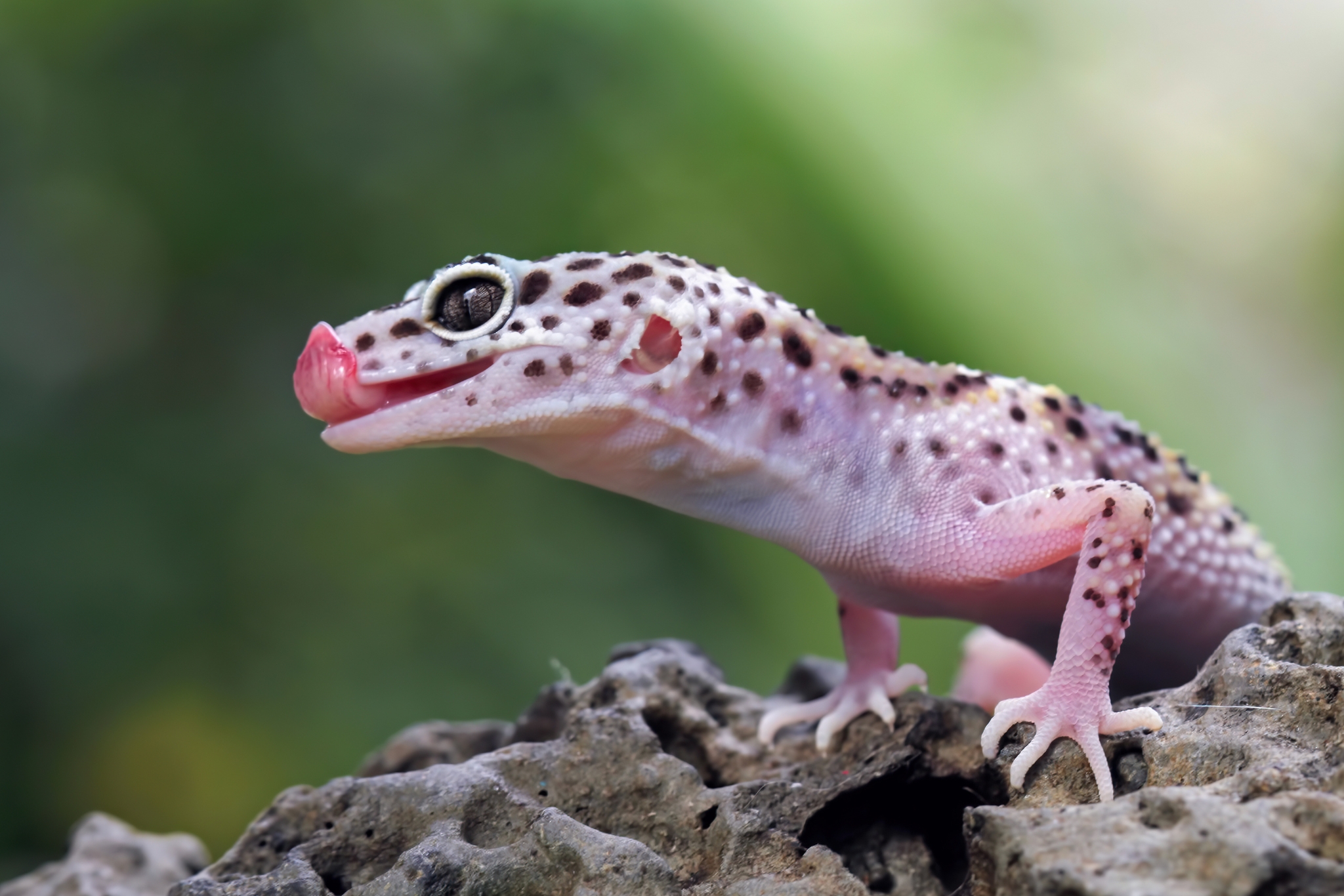
If you’re a leopard gecko parent, you already know these little reptiles are basically the golden retrievers of the gecko world—they’re sweet, full of personality, and always ready to investigate when snack time rolls around.
But keeping your tiny dinosaur happy and thriving takes more than just a bowl of crickets and a cozy hide. That’s where calcium comes in—and it plays a huge role in your leopard gecko’s overall health, supporting strong bones, proper growth, and long term wellness.
Getting your gecko’s calcium routine right can make all the difference between a lizard that’s thriving and one that’s struggling.
Let’s break down everything you need to know about leopard geckos and calcium, from why it matters to how to build a simple routine that keeps your gecko healthy and thriving.
Why Calcium Is Such a Big Deal
Leopard geckos don’t produce their own calcium, which means they completely rely on their diet and supplements to get what they need.
Without enough calcium, they can develop Metabolic Bone Disease (MBD)—a serious condition that can lead to soft or weakened bones, tremors, and skeletal problems. The bright side is that with the right calcium routine and proper care, MBD is largely preventable.
A few simple habits can go a long way in supporting your leopard gecko’s health, strength, and overall wellbeing.
Calcium With D3 vs. Without D3 What’s the Difference?
This is the part that can feel a little confusing for new leopard gecko owners, but the basics are actually pretty simple:
No UVB lighting
You’ll typically want a calcium supplement with D3 for dusting.
Your gecko needs vitamin D3 to properly absorb calcium, and without UVB exposure, they aren’t able to produce enough of it on their own.
Using UVB lighting (with a proper 5.0 UVB bulb)
Your gecko can create their own D3 from the UVB exposure, so calcium without D3 is usually the better choice for dusting.
Many keepers also provide a small dish of plain calcium carbonate in the enclosure so their gecko can take in extra calcium when needed.
A lot of experienced breeders like this simple setup because it gives their geckos the opportunity to self-regulate while still keeping a consistent supplement routine. It’s an easy addition that supports healthy bones without overcomplicating your care routine.
How Often Should You Dust?
Here are simple age based recommendations to help keep your leopard gecko’s calcium routine on track:
🦎 Babies and Juveniles
Growing geckos need more consistent calcium support, so calcium dusting is typically recommended with every feeding.
🌿 Adults (12+ months)
For most healthy adult leopard geckos, dusting around 2 to 3 times per week is a good general routine.
💛 Sick or Recovering Geckos
Calcium needs can vary depending on the situation. If your gecko is recovering from illness, injury, or nutritional issues, it’s best to work with an exotics veterinarian to create the right plan.
Remember the goal is balance—you want enough calcium to support a healthy gecko without overdoing supplements.
A Quick Note on Quality
Not all calcium powders are made the same. Look for a high quality, ultra fine powder that coats feeder insects easily and is simple for your gecko to consume.
You’ll also want to stick with reptile specific supplements whenever possible. Human calcium products are made with different needs in mind and may contain added ingredients that aren’t appropriate for geckos.
The Bottom Line
Calcium might not be the most exciting part of leopard gecko care, but it’s one of the most important pieces of the puzzle.
A consistent routine with the right supplement, a proper schedule, and regular observation can go a long way in supporting strong bones, healthy growth, and your gecko’s overall wellbeing.
Every leopard gecko setup is a little different, so factors like age, UVB lighting, diet, and health history can all affect calcium needs.
For specific concerns or changes to your routine, an exotic animal veterinarian with reptile experience can help create recommendations that fit your gecko best.