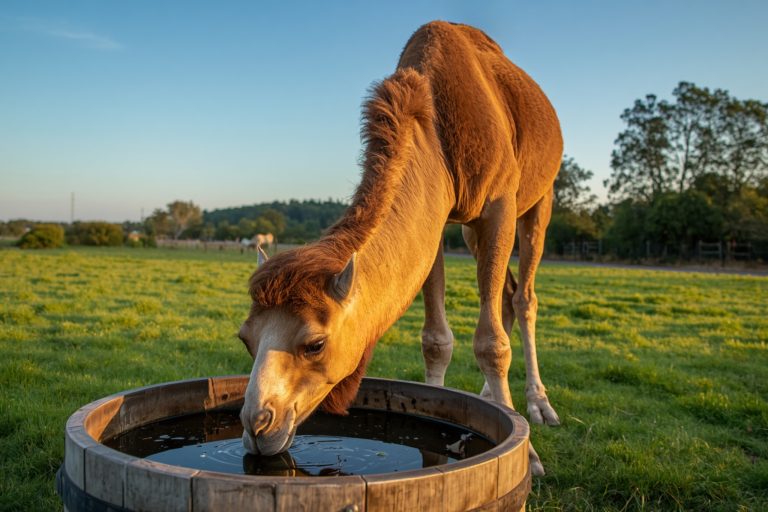
What Vegetables Are Safe for Horses to Eat? Safe & Healthy Treat Options
From carrots to pumpkin, here are 8 vet approved veggies your horse will love — plus safe portion sizes and toxic veggies to skip.
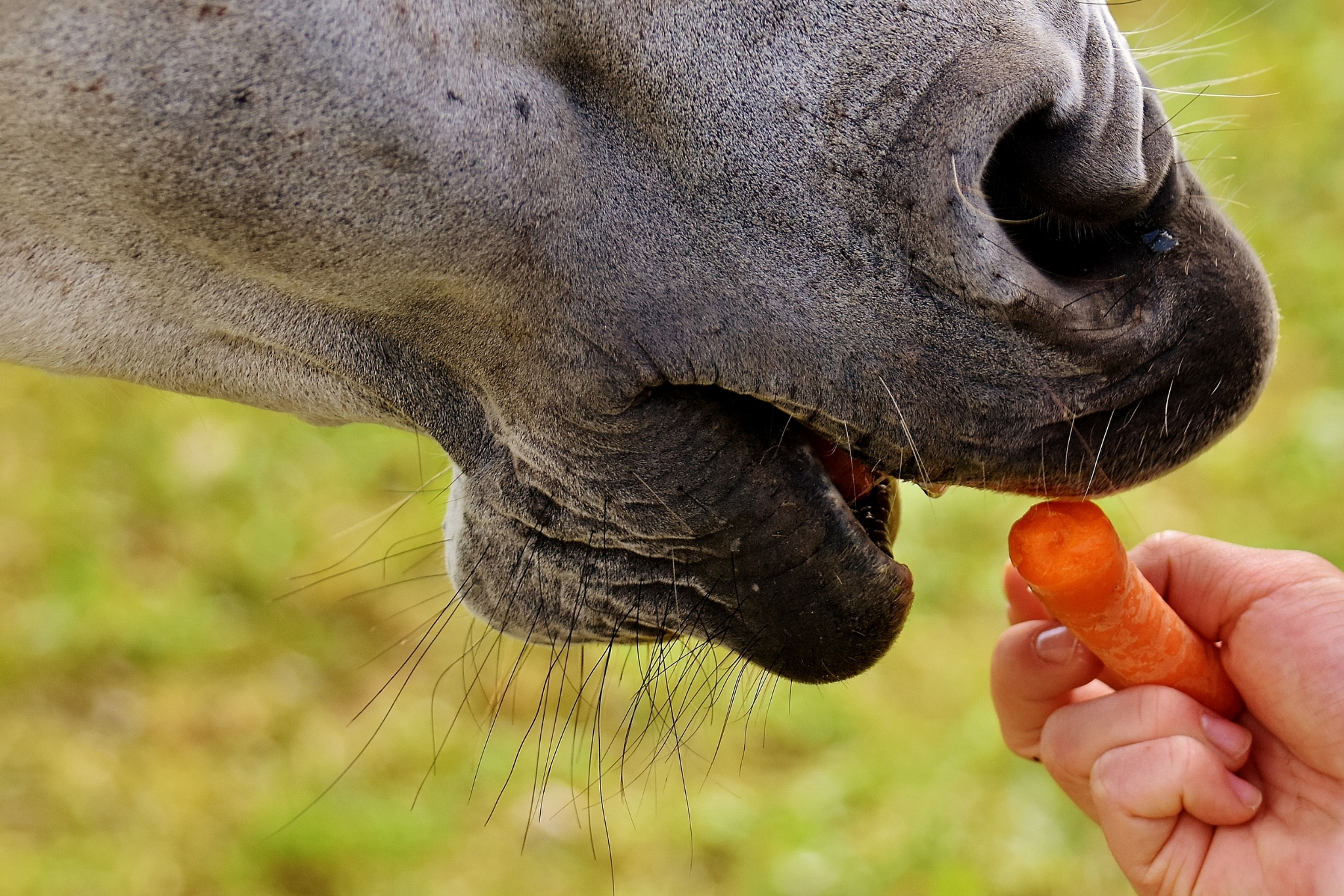
Looking to switch up your horse’s treat routine with something a little healthier? Fresh vegetables can be a tasty and nutritious alternative to many store bought treats.
Here’s everything you need to know about which veggies are safe to feed, how much to offer, and which ones are best left off your horse’s menu.
Why Veggies Beat Traditional Treats
Most commercial horse treats—and even classic favorites like sugar cubes or lots of apple slices—can add more sugar and starch to your horse’s diet than they really need.
Fresh vegetables, on the other hand, offer fiber, hydration, and valuable nutrients while generally being lower in sugar.
That can be especially helpful for easy keepers or horses with metabolic conditions like Equine Metabolic Syndrome (EMS) or Cushing’s disease (PPID), where managing sugar intake is important.
Even for healthy horses, choosing lower sugar treats is a simple way to support a balanced diet and help reduce the risk of obesity and laminitis over time.
The All-Star Lineup
Not every vegetable belongs in your horse’s feed bucket, but there are plenty of healthy options they can enjoy as an occasional treat.
The key is offering veggies in moderation, washing them well, and cutting larger vegetables into bite sized pieces to help reduce the risk of choking.
✦ Carrots
A classic horse treat for a reason! Carrots are naturally rich in beta carotene, which the body converts into vitamin A, and they’re a favorite for pretty much every single horse.
Just remember to slice them into coins or sticks so they’re easier to chew, especially for older horses or enthusiastic snackers.
✦ Celery
Celery is an underrated treat that’s low in calories and packed with water. Its crunchy, stringy texture encourages horses to chew thoroughly, making it a refreshing option—especially on warmer days.
Don’t forget to chop it into manageable pieces before serving it to your horse.
✦ Bell Peppers
Red, yellow, orange, or green—bell peppers are all safe for horses to enjoy. They’re crunchy, hydrating, and naturally flavorful without the higher sugar content of many fruits.
Remember to remove the stem and seeds, then offer the sliced pepper flesh as an occasional treat.
✦ Cucumbers
Looking for the ultimate summertime horse snack? Cucumbers are hard to beat. They’re packed with water, naturally low in calories, and make a crisp, refreshing treat that’s especially welcome on warm days.
✦ Zucchini & Summer Squash
These mild vegetables are easy to digest and are usually happily accepted by horses trying them for the first time.
Always remember to slice them into rounds or smaller pieces to make snack time safe and easy.
✦ Green Beans
Looking to mix things up? Fresh green beans are a crunchy, low calorie treat that many horses find fun and interesting.
Just wash them first and serve them plain—no butter or seasonings needed!
✦ Pumpkin
Pumpkin isn’t just for fall decorations. Fresh pumpkin flesh is full of fiber and makes a tasty seasonal treat. Many horses also enjoy pumpkin seeds in moderation.
Just be sure you’re feeding plain, fresh pumpkin—not sweetened pumpkin pie filling!
✦ Beets
Cooked, peeled beets can be a fun change from your horse’s usual treats. Their natural sweetness makes them appealing to many horses, but they’re best served in small amounts.
It’s best to skip raw beets, which can be tougher to chew and digest.
What to Skip
Not every veggie is safe for your horse. Some can cause digestive upset, while others are downright toxic. When in doubt, it’s always safest to skip it.
✘ Onions & Garlic
These are toxic to horses and should never be fed, even in small amounts.
✘ Raw or Green Potatoes
Potatoes belong to the nightshade family and contain compounds like solanine that can be harmful to horses.
✘ Cabbage & Brussels Sprouts
While not considered highly toxic, feeding large amounts may lead to excess gas and digestive discomfort, so they’re best left off the menu.
✘ Avocado
Avocados contain persin, a compound that can be toxic to horses. To be safe, avoid feeding any part of the fruit, including the skin, pit, and leaves.
✘ Rhubarb
Rhubarb leaves are toxic, and although the stalks are considered less risky, it’s best to avoid feeding any part of the plant altogether.
Portion Control Matters
Even healthy treats are best enjoyed in moderation. A good rule of thumb is to keep all treats—including vegetables—to no more than about 10% of your horse’s daily diet.
Remember to introduce new veggies one at a time, offer small portions, and keep an eye out for any signs of digestive upset, such as loose manure or excess gas.
If your horse has a metabolic condition like EMS or PPID, lower sugar vegetables such as celery, cucumbers, and green beans are generally better choices than naturally sweeter options like carrots or beets.
And if you’re ever unsure what’s appropriate for your horse’s specific needs, your veterinarian can help you build a treat plan that fits their diet.
The Bottom Line
Fresh vegetables are a simple and healthy way to reward your horse, reinforce good behavior during training, or just add a little extra fun to treat time.
Don’t forget to wash them well, cut larger veggies into bite sized pieces, introduce new foods gradually, and keep portions moderate.
With a little variety and a little common sense, you can treat your horse to nutritious snacks you’ll both feel good about. It’s a win-win for everyone in the barn!