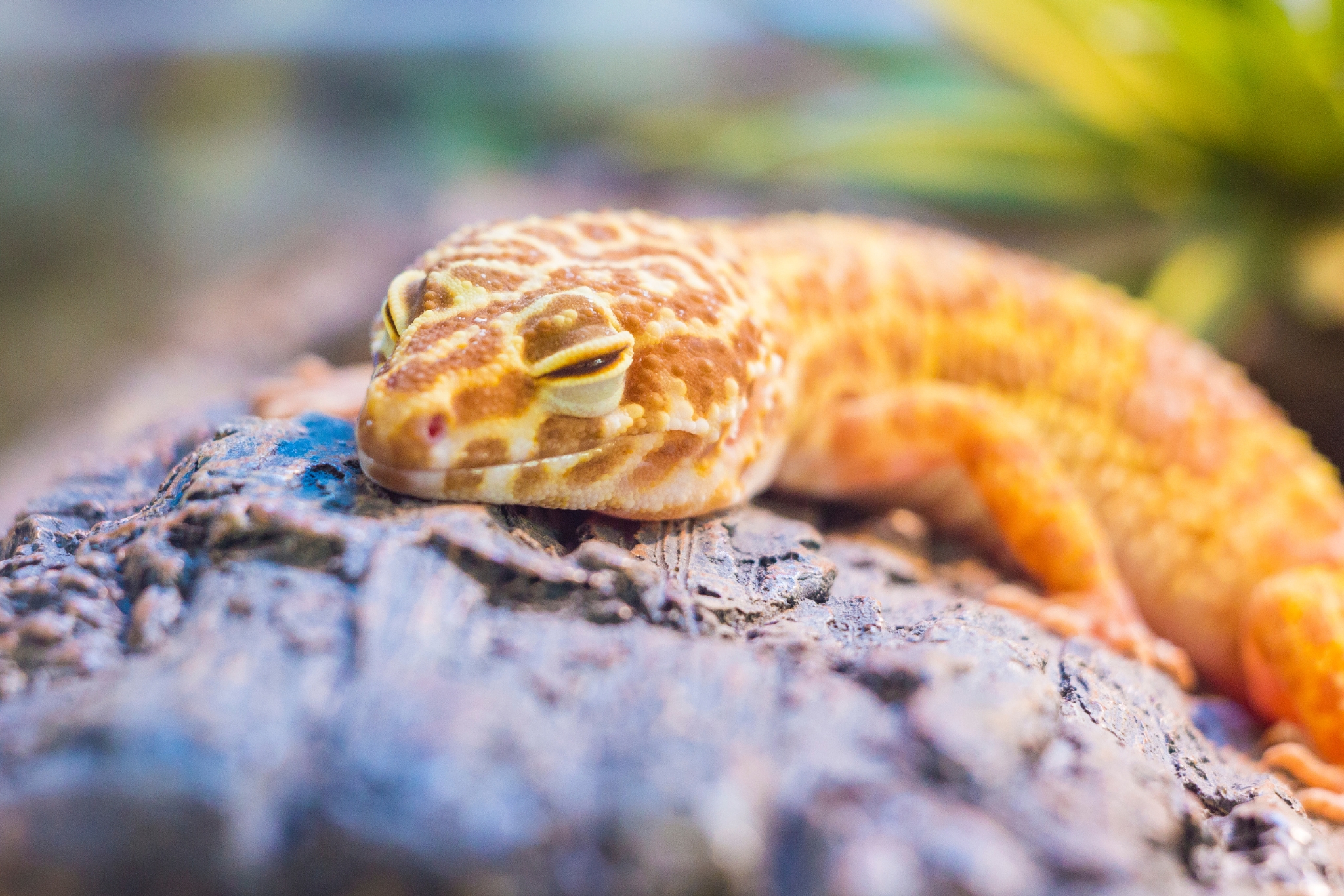
If you’re a leopard gecko parent (or thinking about becoming one), you’ve probably questioned whether lighting is truly necessary for their enclosure.
It’s a common concern, especially with so much mixed advice out there.
So, can leopard geckos live without lights? The short answer is yes, but there are a few important details you should understand. Let’s break it all down.
Do Leopard Geckos Actually Need Lights?
Leopard geckos are different from many other pet reptiles. Instead of being active during the day, they are crepuscular, meaning they’re most active at dawn and dusk. In the wild, they avoid intense sunlight by hiding in burrows and rocky shelters throughout the day.
Because of this natural lifestyle, leopard geckos do not rely on UVB lighting the way reptiles like bearded dragons or iguanas do.
With proper care, they can live healthy and comfortable lives without any visible lights in their enclosure… as long as their other needs are met.
Heat vs. Light: What’s the Difference?
This is where many owners get confused: heat and light are not the same thing.
While leopard geckos don’t need light, they do need consistent and appropriate heat to digest food and regulate their bodies.
Your gecko’s enclosure should include:
- Warm Side: 88°F to 92°F
- Cool Side: 75 to 80°F
- Basking Area: about 90 to 95°F
You can achieve these temperatures using heat mats, ceramic heat emitters, or deep heat projectors – all of which provide warmth without producing visible light.
Benefits of Going Light Free
Keeping your leopard gecko’s enclosure free from bright lights can actually offer several advantages:
- Improved Sleep Quality: Since leopard geckos are nocturnal/crepuscular, darkness during the day can help them maintain their natural sleep cycle. Bright lights can interrupt rest and cause unnecessary stress.
- Reduced Stress: Many leopard geckos feel safer in low light environments. Excessive lighting can make them feel exposed, which may lead to hiding more often or reduced activity.
- More Natural Behavior: Without bright overhead lighting, your gecko may feel comfortable enough to explore or emerge from their hide even during daytime hours.
- Lower Electricity Bills: Heat mats, ceramic heat emitters, and deep heat projectors typically use less electricity than traditional light producing heat lamps (saving energy and money).
When Lighting Can Be Helpful
Even though leopard geckos don’t require lights, there are situations where adding some lighting is beneficial:
Low Level UVB Lighting
Recent studies suggest leopard geckos may benefit from low output UVB lighting (around 5% to 7%).
While they can get vitamin D3 from supplements, some keepers notice better appetite, activity, and overall wellness with gentle UVB exposure.
If you choose to add UVB, use a low output bulb and include multiple hides so your gecko can choose when to be exposed.
Viewing Lights
Let’s be honest… we want to see our pets! If you’d like to observe your gecko during the day, you can safely use:
- Low wattage LED lights
- Natural ambient room lighting
- Red or blue night lights (though these should be used sparingly)
Just make sure any viewing lights don’t produce heat or interfere with the enclosure’s temperature gradient.
Supporting a Day/Night Cycle
Leopard geckos do benefit from having a clear distinction between day and night. If your gecko’s enclosure is in a windowless room or basement, you might want to provide some gentle ambient lighting during the day to maintain their circadian rhythm. This doesn’t need to be bright – even indirect room lighting works perfectly.
Alternative Heating Methods (No Light Required!)
If you’re going the no light route, here are the best heating options:
- Under Tank Heater (UTH): These heat mats stick to the bottom of your tank and warm the floor from below.
- Ceramic Heat Emitter (CHE): These fit into standard lamp fixtures and produce steady heat without emitting light. They’re ideal for boosting overall enclosure temperatures, especially in cooler rooms.
- Deep Heat Projector (DHP): A favorite among modern reptile keepers, DHPs emit infrared heat that penetrates deeper into tissues (similar to natural sun warmth) without producing visible light.
Common Myths About Leopard Gecko Lighting
Let’s bust some myths real quick:
Myth #1: All reptiles need UVB lighting
Truth: Leopard geckos can obtain vitamin D3 from their diet and don’t strictly require UVB to survive.
Myth #2: You need a basking light for heat
Heat mats, ceramic emitters, and deep heat projectors provide excellent warmth without light.
Myth #3: Leopard Geckos should be in total darkness all the time
They still benefit from a natural day/night rhythm, even without direct lighting.
Myth #4: Red or blue night lights don’t bother Leopard Geckos
Research suggests Leopard geckos can see these colors/wavelengths, so they maymay disrupt nighttime behavior. True darkness is best at night.
Signs Your Setup Is Working
How do you know if your light free setup is successful? Look for these positive indicators:
- Regular eating habits
- Healthy shedding (complete and clean sheds, not pieces)
- Active during appropriate times (dawn/dusk)
- Healthy weight maintenance
- Normal bowel movements
- Alert and responsive behavior
- Good skin condition and coloration
The Bottom Line on Leopard Gecko Lighting Needs
So, can leopard geckos live without lights? Yes.
Is it always the best option? Not necessarily.
Current research suggests that leopard geckos tend to do best in low light setups with gentle UVB, as these conditions more closely reflect their natural environment.
Above all, heat matters more than light. Prioritize correct temperature zones, a consistent day/night cycle, and plenty of secure hiding spots.
Keep in mind that every gecko is an individual. Watch your pet’s behavior and be willing to adjust the setup as needed. Some leopard geckos benefit from low level UVB, while others are perfectly content in dimmer conditions.
The goal is always the same: a safe, stress free environment that meets your gecko’s needs.
Happy gecko keeping! Your little leopard friend is lucky to have such a caring owner researching their needs. 🦎