7 Best Bugs for Ackie Monitors (Heathy Pet Feeding Guide)
Which bugs are best for ackie monitors? We rank 7 feeder insects by nutrition, availability, and how much your ackie will love them.
- Why Bugs Are Essential for Ackie Monitors
- The Best Feeder Insects for Ackie Monitors
- How to Gut-Load Feeder Insects for Ackies
- Supplement Dusting: Don’t Skip This Step
- Feeding Schedule for Ackie Monitors
- Building the Ideal Bug Rotation for Your Ackie Monitor
- Common Questions About Feeding Bugs to Ackie Monitors
- Final Thoughts on the Best Bugs for Ackies
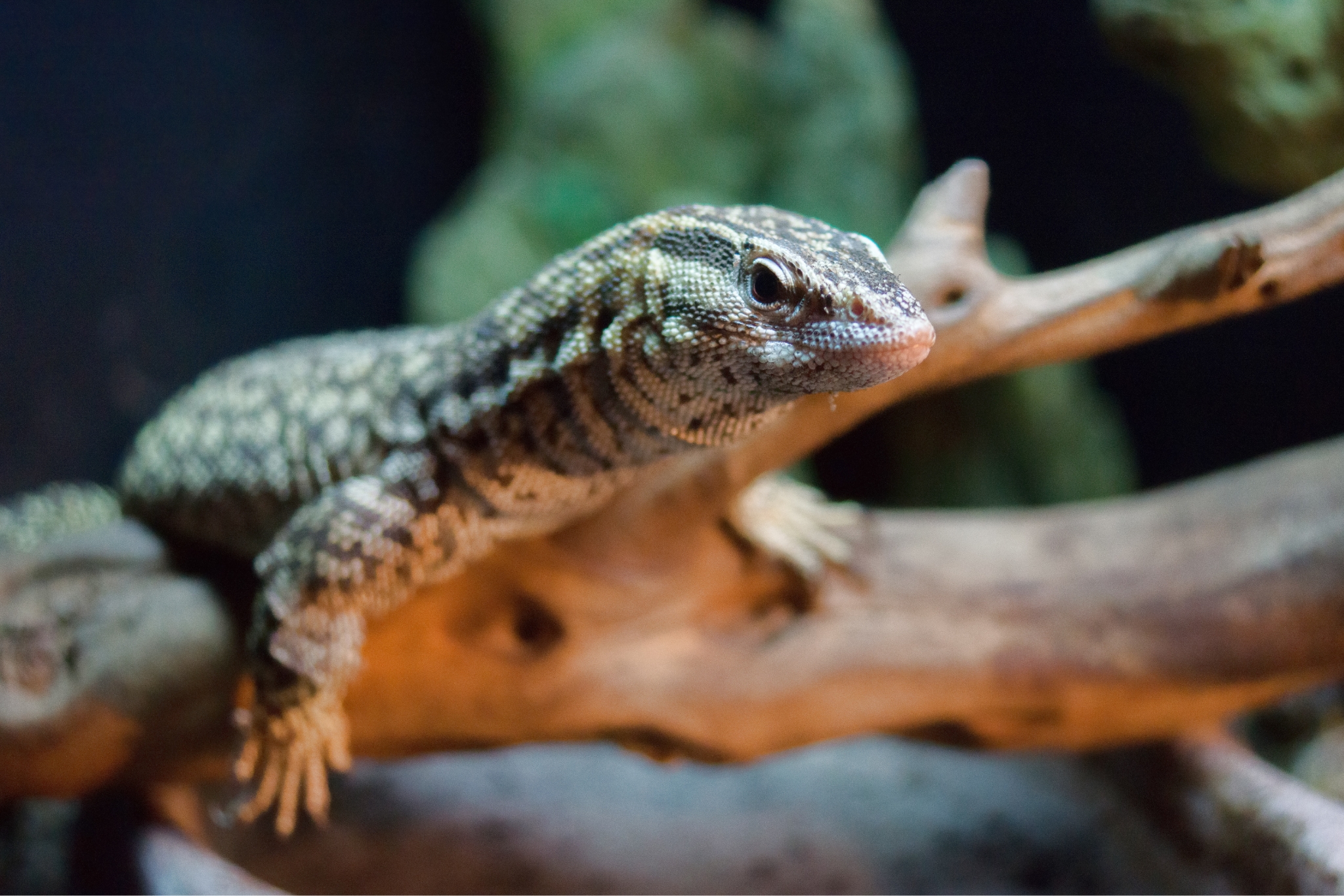
If you own an ackie monitor (Varanus acanthurus), you already know these small Australian dwarf monitors are some of the most rewarding reptiles to keep.
Active, intelligent, and packed with personality, ackies thrive when their diet closely mirrors what they’d hunt in the wild. And in the wild, bugs make up a massive portion of what they eat.
But not all feeder insects are created equal. Some are nutritional powerhouses, while others are too fatty, too hard to digest, or simply not worth the trouble.
This guide breaks down the best bugs for pet ackie monitors, how to use them, and how to build a balanced bug-based diet your ackie will love.
Why Bugs Are Essential for Ackie Monitors
Ackie monitors are insectivores and carnivores by nature. In their native habitat across the arid regions of northwestern and central Australia, they spend their days actively hunting invertebrates—beetles, spiders, centipedes, grasshoppers, and more.
Their high metabolism and active lifestyle mean they need a protein rich diet with adequate fat, calcium, and variety.
And feeder insects offer exactly that.
Compared to a diet that’s heavy in pinky mice or other vertebrate prey, a well-rounded insect based diet is more nutritionally appropriate for ackies, less likely to cause obesity, and more mentally stimulating for the animal.
The key is variety and proper supplementation.
No single insect checks every nutritional box, so rotating through several species (each gut-loaded and dusted with supplements) gives your ackie the closest thing to a wild diet in captivity.
The Best Feeder Insects for Ackie Monitors
Dubia Roaches
StapleBlaptica dubia — The Gold Standard
High in protein (~23%), soft-bodied, and easy to digest. Dubias accept a wide variety of gut-load foods, don’t smell, and a colony is simple to maintain long-term.
Crickets
StapleAcheta domesticus & Gryllus bimaculatus — A Classic
Widely available and budget-friendly. Their movement triggers strong feeding responses. Poor calcium-to-phosphorus ratio means calcium dusting is essential. Best used in rotation with dubias.
Black Soldier Fly Larvae
SupplementBSFLs / Calci-worms / Phoenix Worms
Exceptional calcium-to-phosphorus ratio (up to 1.5:1) — almost unheard of in feeder insects. Their wriggling movement is irresistible to most monitors, and no gut-loading is required.
Hornworms
TreatManduca sexta — Hydration & Enrichment
High moisture content makes these ideal for hydration, especially in dry arid enclosures. Low in fat and very digestible — ackies go wild for them. Not ideal as a staple due to lower protein.
Mealworms
Use SparinglyTenebrio molitor
The most widely available feeder at pet stores, but high in fat with a tough chitin shell that’s harder to digest in quantity. Fine as an occasional treat or to encourage a reluctant feeder.
Waxworms
Treat OnlyGalleria mellonella — The Candy of Feeders
Extremely high in fat and low in nutritional value. Irresistible to most lizards — which is exactly the problem. Regular feeding leads to obesity and can cause your ackie to refuse more nutritious feeders.
Silkworms
PremiumBombyx mori — A Nutritional Standout
High protein, low fat, solid calcium-to-phosphorus ratio, and extremely soft — ideal for juveniles or animals recovering from illness. Less common and more expensive, but worth the effort in a rotation.
How to Gut-Load Feeder Insects for Ackies
Gut-loading means feeding your feeder insects nutritious foods 24 to 48 hours before offering them to your lizard.
Whatever the insect eats, your ackie eats—so this step dramatically increases the nutritional value of every feeding.
🥬 Leafy Greens
- Collard greens
- Mustard greens
- Dandelion greens
- Kale
🥕 Vegetables
- Squash
- Sweet potato
- Carrots
- Bell peppers
🍋 Fruits
- Apple
- Mango
- Papaya
✦ In moderation only
🛒 Commercial Diets
- Reptile gut-load powders
- Cricket chow
- Available from reptile suppliers
Avoid Feeding Feeder Insects
- Citrus
- Onions
- Garlic
- Spinach (large quantities)
High-oxalate greens and alliums can be passed on directly to your ackie through the feeder insect — what they eat, your lizard eats.
Supplement Dusting Don’t Skip This Step
Even the best gut-loaded insects won’t provide all the calcium your ackie needs. Metabolic bone disease is a real risk in captive monitors that don’t receive adequate calcium.
Calcium without D3
Dust most feeder insects lightly at every feeding or every other feeding.
Calcium with D3
Use 2–4 times per month without proper UVB. If UVB is adequate, use less frequently.
Multivitamin
Dust once or twice a month to cover micronutrient gaps.
Use a light coating — you shouldn’t see a heavy white powder layer on the insect, just a fine dusting.
Feeding Schedule for Ackie Monitors
The right feeding frequency depends on your ackie’s age and activity level.
Juveniles
Under 12 monthsYoung ackies are growing fast and need consistent protein intake. Keep portions appropriately sized and frequency high during this critical growth window.
Sub-adults
12 – 24 monthsGradually reduce feeding frequency as they approach adult size. Body condition should guide how quickly you taper back.
Adults
24+ monthsAdjust based on body condition. A healthy ackie should have a visible waist when viewed from above and some muscle tone along the back and tail base. Watch for signs of obesity.
Always monitor body condition and adjust accordingly. Ackies in larger enclosures with more opportunity to exercise can typically handle more frequent feedings.
Building the Ideal Bug Rotation for Your Ackie Monitor
A well-balanced rotation might look something like this: