Llama vs. Alpaca Which Makes a Better Pet?
Thinking about getting a pet llama or alpaca? We compare temperament, cost, care needs, space requirements, and more to help you decide which fiber-bearing camelid is right for you.
Forget dogs and cats—a growing number of hobby farmers, homesteaders, and animal enthusiasts are turning to South American camelids for companionship. Llamas and alpacas have surged in popularity as pets across the United States, and it’s easy to see why. They’re intelligent, surprisingly gentle, and undeniably adorable. But they are not interchangeable animals, and choosing the wrong one could leave you—or your new animal—frustrated.
So which is the better pet: a llama or an alpaca? The answer depends almost entirely on your lifestyle, land, budget, and what you actually want from the relationship. This guide breaks it all down.
Llama vs. Alpaca Understanding the Basics
Before we compare them head-to-head, it helps to understand what you’re actually dealing with.
Camelid Comparison
Llama vs. Alpaca
Both are South American camelids bred in the Andes — but they’re quite different animals. Here’s what sets them apart.
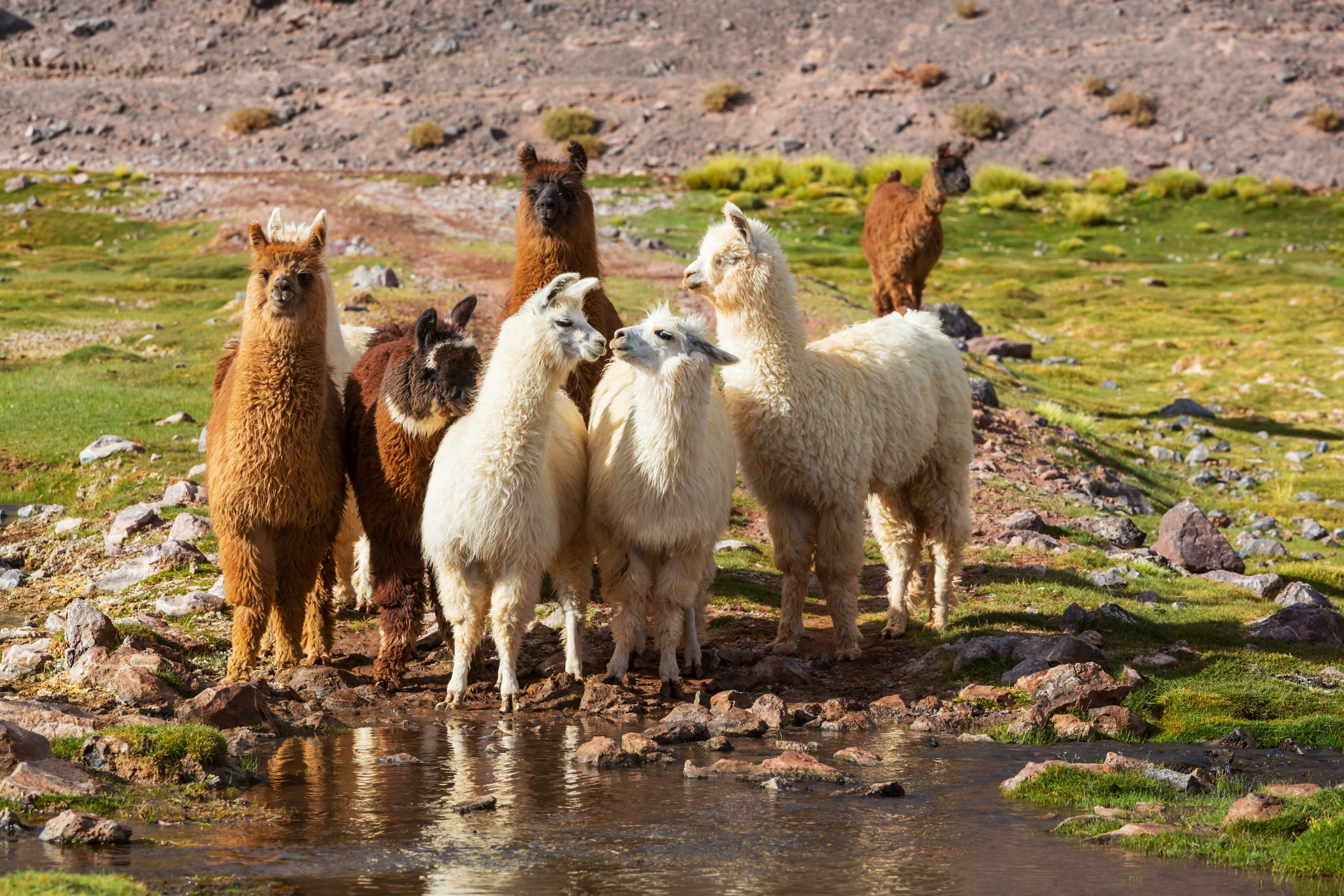
Llama
Lama glama
Bred for thousands of years as a pack animal in the Andes, llamas are the larger and bolder of the two. Confident, curious, and assertive — sometimes to a fault — they carry their heritage with pride.
42–46 in
Shoulder height
280–450 lbs
Weight range
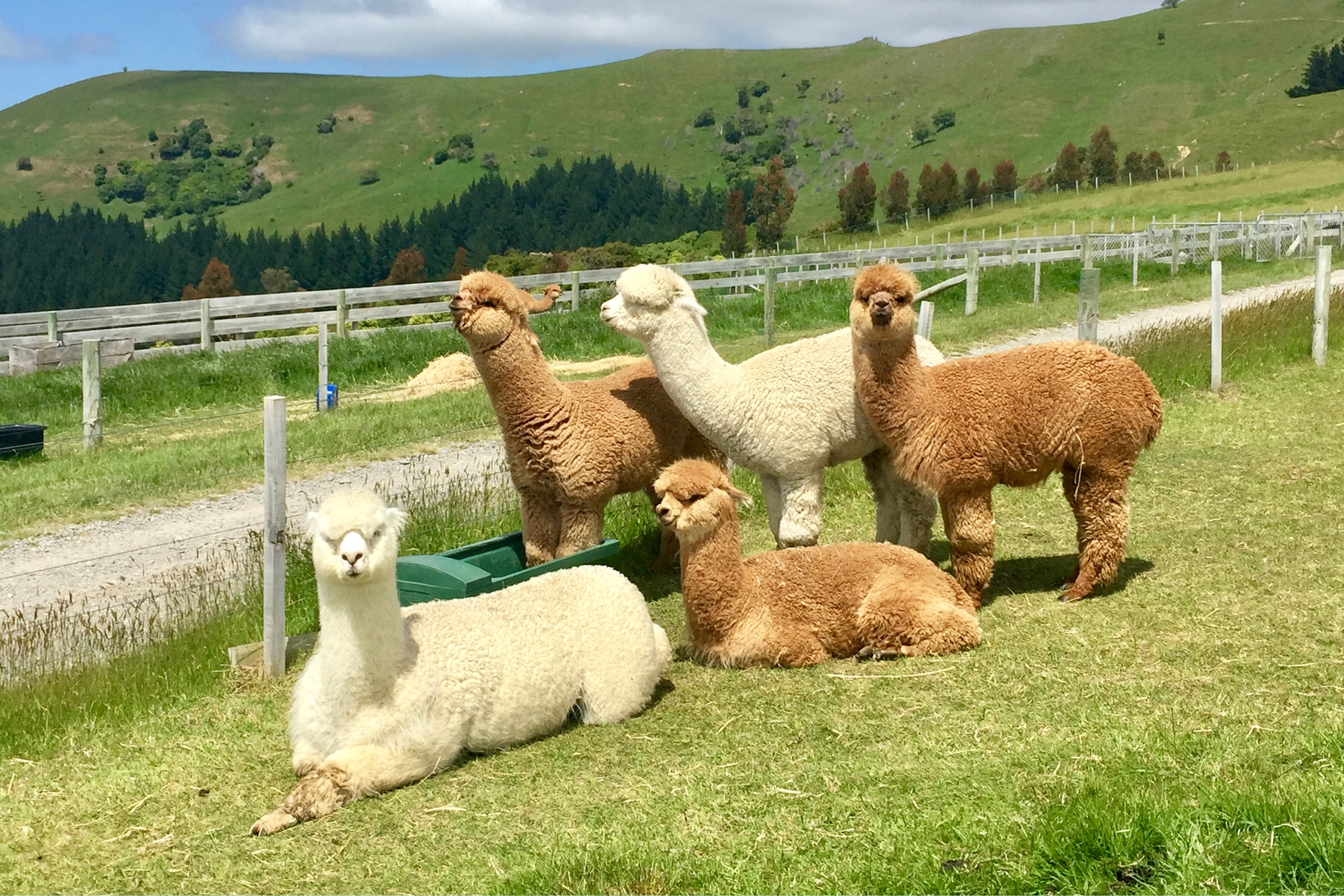
Alpaca
Vicugna pacos
Bred exclusively for their extraordinarily soft fiber, alpacas are considerably smaller and notably gentler in temperament. They are herd animals in the truest sense — rarely thriving without the company of others.
Up to 36 in
Shoulder height
100–185 lbs
Weight range
What they have in common
- Both are camelids
- Both are herd animals
- Lifespan of 15–25 years
- Native to South America
- Require specialized care
- Must not be kept alone
If you’re looking for something you can casually keep in a suburban yard, neither animal is going to be the right fit. But if you have a little bit of land, time, and genuine interest in these animals, one of them might be a wonderful addition to your life.
Temperament Who’s More Friendly?
This is where the two animals diverge most dramatically.
Temperament & Bonding
Human Interaction: Llama vs. Alpaca
Both are gentle in the right hands — but how they relate to people is worlds apart.
Llama
Bonds on its own termsWell-socialized llamas can be remarkably affectionate — following you around a pasture, nuzzling your shoulder, even learning their name. But that bond develops on the llama’s schedule, not yours. They’re more likely than alpacas to seek out human companionship as a stand-in for herd interaction.
Alpaca
Look, don’t touchAlpacas are gentle and non-aggressive — but also timid and flighty. Most adults are “look, don’t touch” animals: content to be near you without wanting to be held or petted. Crias handled extensively from birth can become more people-friendly, but it requires real effort and consistency.
Verdict
For direct bonding and human interaction, llamas have the clear edge — they’re more trainable, more responsive, and more likely to seek you out. For a calm, low-drama pasture presence, alpacas win. Neither is unfriendly; they just express it differently.
Space and Housing Requirements
Neither animal is suitable for a small urban lot, but their space needs do differ.
Space & Housing
Land & Shelter: Llama vs. Alpaca
How much space, fencing, and infrastructure does each animal actually need?
Llama
More demandingLlamas are browsers as well as grazers, making use of varied terrain including shrubs and woody plants. Their size and strength means fencing must be robust — they will test inadequate barriers.
Alpaca
Slightly more manageableSmaller and less physically imposing, alpacas are a bit more forgiving on space — but pasture quality matters more since they are strictly grazers. They’re far less likely to challenge fencing.
Critical for both species
You cannot keep just one. These are herd animals with strong social bonds — a solitary camelid will become stressed, depressed, and potentially aggressive or destructive. Plan for a minimum of two, and ideally three or more.
Verdict
Space and housing needs are broadly similar for both species. Alpacas have a slight edge for smaller properties — they need a touch less acreage and won’t stress your fencing. But neither animal is suitable for cramped or urban setups.
Cost What Should You Budget?
Let’s talk money, because camelids are not cheap animals to acquire or maintain.
Cost & Budget
What It Actually Costs
Purchase price, annual care, and everything in between — broken down for both animals.
Purchase Price
Llama
$500 – $5,000+
Varies by age, training, lineage, and registration status.
Lower entry costAlpaca
$1,000 – $10,000+
Fiber value and breeder pricing history push costs higher.
Higher entry costAnnual Care Costs (per pair)
Verdict
Alpacas are generally more expensive to purchase — sometimes by a wide margin. Once you have them, though, ongoing care costs are broadly similar for both species. The bigger variable is your local hay costs, vet access, and how much of the routine work you do yourself.
Fiber A Bonus Benefit
One of the most appealing aspects of keeping either animal is the fiber they produce.
Fiber & Fleece
Fiber Quality: Llama vs. Alpaca
Both produce usable fiber — but the quality, convenience, and commercial value differ considerably.
Alpaca
The gold standardExtraordinarily soft, hypoallergenic (no lanolin), and naturally water-resistant. Alpaca fiber comes in 22 recognized natural colors and is ready to use with minimal processing — making it a favorite for spinners, weavers, and knitters alike.
5–10 lbs
Yield per shearing
$3–$10/oz
Raw fleece value
22 colors
Natural color range
Llama
Usable, with more effortThe outer coat (guard hair) is coarse, but the soft undercoat — called suri or double-coated fiber — is genuinely beautiful and usable. The catch: guard hair must be separated from the undercoat before spinning, adding a processing step most hobbyists find inconvenient.
Two layers
Coarse outer + soft under
Lower
Commercial value
More work
Processing required
Verdict
Alpacas win decisively on fiber. The quality is higher, the processing simpler, and the commercial value stronger. Llama fiber is still worthwhile — especially the soft undercoat — but it requires more effort to get there.
Utility and Versatility
Here’s where llamas shine in a way alpacas simply cannot.
Utility & Versatility
Working Roles: Llama vs. Alpaca
Beyond companionship — what can these animals actually do on a farm or trail?
Llama
Genuinely versatilePack Animal
75–125 lbs
A trained pack llama carries 25–30% of its body weight over mountain trails — ideal for backpacking, hunting trips, and trail work. Outfitters across the American West offer llama-assisted expeditions.
Livestock Guardian
1 gelded male
A single bonded llama will actively patrol a pasture and confront — sometimes kill — predators including coyotes and feral dogs. A well-documented behavior relied on by small-scale farmers.
Alpaca
Fiber onlyAlpacas are not particularly useful in a working capacity. Their primary — and largely only — value-add beyond companionship is their fiber.
Verdict
Llamas are dramatically more versatile. If you want a functional working animal — whether on the trail or guarding a flock — there is no contest. Alpacas excel at fiber; outside of that, their working utility is limited.
Ease of Handling and Training
For first-time camelid owners, handleability matters a lot.
Training & Handling
Ease of Handling: Llama vs. Alpaca
How easy is it to catch, lead, train, and work with each animal day to day?
Llama
Beginner-friendlyCenturies of working alongside people have made llamas more tolerant of one-on-one handling. With patience and consistency, a well-trained llama can be haltered, led, trailered, and taught basic commands.
What a trained llama can do
Alpaca
Manageable in a herdAdults that weren’t heavily handled as crias are difficult to catch and work with individually. Alpacas do fine in a herd routine, but individual training is limited — and basic tasks like trailering or vet visits can require two people.
What to expect
Verdict
Llamas are easier to train and handle, especially for beginners. Their working-animal history gives them a natural inclination toward human cooperation that alpacas simply don’t share. For anyone new to camelids, the llama is the more forgiving starting point.
Which Is Right for You? A Quick Summary
Which Is Right for You?
Llama, Alpaca, or Neither?
A quick guide to matching the right animal to your situation, goals, and property.
Choose a llama if…
Better for bonding & workChoose alpacas if…
Better for fiber & calmChoose neither if…
Important prerequisitesFinal Verdict
For most people seeking a camelid pet—as opposed to a fiber-producing livestock animal—the llama is the better choice. They’re generally more interactive, trainable, and versatile—and are often more cheaper in terms of initial cost.
That said, alpacas arguably offer their own distinct appeal. They are typically better suited for fiber production, bring a calmer, more understated presence to the pasture, and thrive particularly well in group settings—making them an excellent choice for those with a small hobby farm or a group of animals rather than a one-on-one relationship.
At the end of the day both animals are deeply rewarding to keep. With thoughtful care and a well-prepared environment, they offer years of quiet companionship, understated charm, and—occasionally—the delightfully unexpected sight of a South American camelid surveying the landscape from behind a fence.
Before you commit
Thinking about adding a camelid to your property? Don’t forget to check your local zoning laws first — many municipalities have specific regulations around livestock that may affect your plans.