10 Expert Tips for Managing Goats on Small Properties
Discover proven expert tips for managing goats on small properties—from breed selection and fencing to feeding, health care, and pasture rotation. Ideal for hobby farmers and homesteaders.
- Start With the Right Breed for Your Space and Goals
- Calculate Stocking Density Honestly
- Invest Seriously in Goat-Proof Fencing
- Design a Rotational Grazing System, Even on Small Acreage
- Master Parasite Management — It’s the Heart of Small-Herd Health
- Build a Feeding Program Around Forage Quality
- Design Housing That Works for Small-Scale Operations
- Establish a Preventive Health Protocol With Your Veterinarian
- Keep Detailed Records — It Pays Off
- Think Long-Term: Land Health Is Goat Health
- Making It All Work
Goats are having a moment. Across the country, hobby farmers, homesteaders, and rural landowners are discovering that goats are one of the most productive and personable animals you can raise on a small property. They offer milk, meat, fiber, weed control, and companionship—often on land where larger livestock simply wouldn’t be practical.
But raising goats on limited acreage comes with its own set of challenges. Without careful planning, even a small herd can overgraze a pasture, escape fencing, or develop health problems that spiral quickly in close quarters. The difference between a thriving small-scale goat operation and a frustrating one almost always comes down to management.
This guide brings together expert-level advice on every stage of small-property goat keeping—from choosing the right breed to managing pasture health, maintaining nutrition, and keeping your animals disease-free.
Whether you’re just starting out or looking to sharpen your approach, these tips will help you get more out of your land and your herd.
1. Start With the Right Breed for Your Space and Goals
The single most important decision you’ll make as a small-property goat keeper is breed selection. Not all goats are suited to limited acreage, and your intended purpose—milk, meat, fiber, or land clearing—should drive your choice.
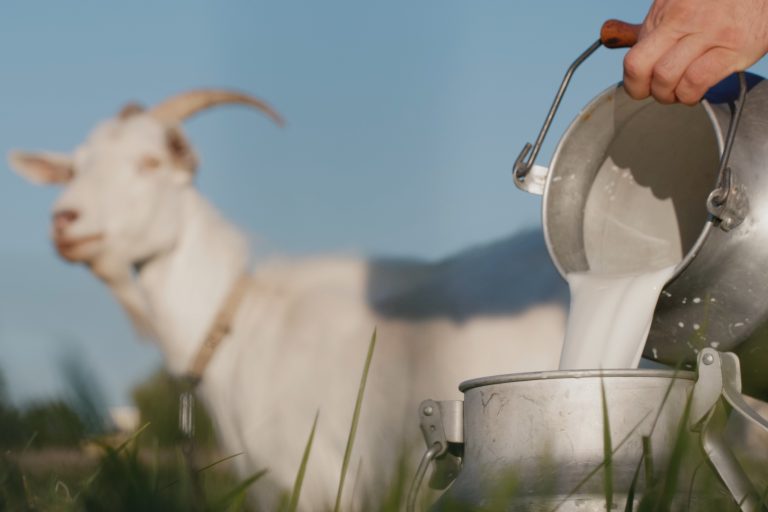
- For dairy production on small properties, Nigerian Dwarf goats are widely considered the gold standard. They require significantly less space than standard dairy breeds like Nubian or Alpine, yet produce milk with a remarkably high butterfat content—often exceeding 6 to 10 percent. A pair of Nigerian Dwarfs can thrive comfortably on a quarter-acre with supplemental feeding, making them ideal for suburban homesteads and small rural lots.
- For meat production, Boer goats are highly efficient converters of forage to muscle, but their larger body size demands more space and feed. On constrained acreage, consider Kiko or Spanish goats instead—both are hardy, parasite-resistant, and more manageable in size.
- For fiber, Pygora goats (a Nigerian Dwarf and Angora cross) offer a compact footprint with the bonus of harvestable fleece. Full-sized Angoras can work on small properties but require more careful nutrition management and are less disease-resistant.
- For vegetation control, mixed-breed or Boer-cross wethers (castrated males) are cost-effective and efficient. They’ll browse invasive species, clear brush, and maintain trails without the hormonal complications of intact animals.
The expert rule of thumb: match your breed to your primary goal first, your land second, and your lifestyle third. Buying goats impulsively based on appearance or price is one of the most common mistakes new keepers make.
2. Calculate Stocking Density Honestly
Overstocking is the fastest way to ruin a small property for goat keeping. Unlike cattle, goats are browsers rather than grazers—they prefer shrubs, weeds, brush, and woody vegetation to grass. This is an asset, but it also means they can strip a small pasture of its most valuable forage plants quickly if their numbers aren’t managed carefully.
A general guideline used by small-acreage livestock experts is 6 to 8 goats per acre of well-managed pasture. However, this figure is highly dependent on your region’s climate, soil quality, pasture composition, and whether you’re supplementing with hay or grain. In arid climates like the Southwest, that number may drop to 2 or 3 goats per acre. In lush regions with strong seasonal growth, you may be able to push slightly higher.
The smarter approach is to start conservatively—fewer animals than you think you can support—and observe how your land responds over a full year. Watch for bare patches, compacted soil, and reduced plant diversity. These are early signs of overgrazing. It’s far easier to add animals to a healthy property than to recover overgrazed land.
Also factor in your dry lot or sacrifice area—a designated space where goats can be confined during wet seasons or during pasture rest. Every small goat property should have one. It protects your pastures during their most vulnerable periods and gives you a management tool that experienced keepers rely on heavily.
3. Invest Seriously in Goat-Proof Fencing
There is an old saying in the goat world: if a fence won’t hold water, it won’t hold a goat. This is barely an exaggeration. Goats are intelligent, curious, and relentlessly motivated to test boundaries. On a small property, where neighbors, roads, and gardens are often nearby, inadequate fencing creates real liability.
The most effective fencing options for small-property goat operations are:
- Woven wire or field fence with a minimum height of 4 feet—ideally 5 feet for larger breeds. The openings must be small enough that a goat cannot push its head through and get stuck. Standard cattle panels are often too widely spaced.
- Electric fencing works exceptionally well once goats are trained to respect it, and it’s considerably more affordable than permanent woven wire for larger perimeters. A multi-strand electric setup—with strands at roughly eight, sixteen, and twenty-four inches from the ground—creates an effective psychological barrier. Train new animals to the fence in a small paddock before releasing them into larger areas.
- High-tensile wire with electric charge is preferred by many experienced goat farmers for its durability and low long-term maintenance cost, though it requires proper tensioning equipment and some initial investment.
Regardless of type, it’s important inspect your perimeter fencing frequently. Goats will find and exploit any weakness, and one escape often leads to the whole herd escaping. Pay special attention to gate latches—goats are remarkably adept at manipulating simple hardware. Use carabiner clips or double-locking latches on every gate.
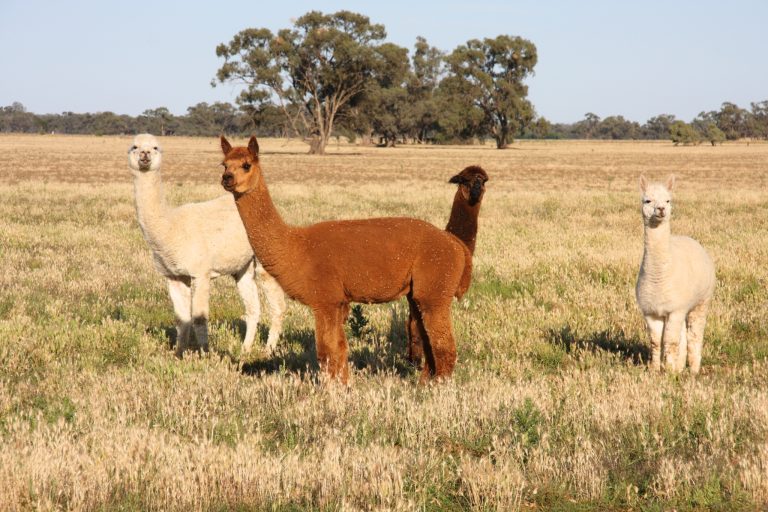
Also consider predator pressure in your area. Coyotes, dogs, and mountain lions are the primary goat predators across most of the United States. On small properties, adding a livestock guardian dog (LGD) or guardian llama can dramatically reduce predation risk, particularly at night.
4. Design a Rotational Grazing System, Even on Small Acreage
Many small-property goat keepers assume rotational grazing is only practical on large farms. In reality, a well-designed rotational system is even more important on limited acreage, because your land has no buffer against overuse.
The principle is straightforward: divide your available pasture into smaller paddocks and rotate your goats through them on a scheduled basis, allowing each section adequate rest and regrowth time before being grazed again. The exact rotation schedule depends on your forage type, season, and stocking rate, but a general starting point is moving animals every 5 to 7 days and resting each paddock for at least 3 to 4 weeks.
On very small properties—say, half an acre of usable pasture—even 2 or 3 paddock divisions still make a meaningful difference. You can use temporary electric netting to create flexible subdivisions that you reconfigure as the season changes.
The benefits of rotation on small properties compound over time:
- Rested paddocks develop stronger root systems, greater plant diversity, and improved soil structure.
- Parasite management improves dramatically—a key benefit covered in more detail below.
- Your land’s carrying capacity gradually increases, meaning you can support the same number of animals on the same acreage with less supplemental feed over time.
5. Master Parasite Management — It’s the Heart of Small-Herd Health
If there is one topic that separates experienced goat keepers from beginners, it is internal parasite management. Barber pole worm (Haemonchus contortus) is the primary threat, and it is ruthless. On small, intensively managed properties where goats repeatedly graze the same ground, parasite pressure builds rapidly.
The old approach—automatic, calendar-based deworming of entire herds—has been largely abandoned by goat health experts in favor of targeted selective treatment (TST). This method only treats animals showing clinical signs of parasite burden, using a scoring system called FAMACHA, which evaluates the color of the lower eyelid to estimate anemia caused by worm infestation.
FAMACHA scoring requires training (available through many cooperative extension programs), but it is well worth acquiring. By treating only animals that need it, you dramatically slow the development of anthelmintic (dewormer) resistance—which is now a critical problem in goat herds worldwide—while also identifying animals with naturally high parasite resistance that make better breeding stock.
Complementing targeted treatment with pasture management is essential. Larvae are concentrated in the bottom two inches of forage, so never allow goats to graze pasture below 3 to 4 inches in height. Rotation, as mentioned above, breaks the parasite lifecycle by allowing larvae to die off during paddock rest periods.
On small properties where total pasture rest is difficult, strategic browsing—allowing goats access to shrubby or wooded areas with browse above the larvae zone—reduces exposure meaningfully. A copper boluses supplement and adequate nutrition also support natural resistance.
Remember: A well-nourished goat is a more resilient goat.
6. Build a Feeding Program Around Forage Quality
Goats are often characterized as animals that will eat anything. This is a common misconception that leads to poor nutrition management. Goats are actually selective, preferring variety and quality, and their nutritional needs are specific and non-negotiable if you want healthy, productive animals.
The foundation of any goat feeding program should be high-quality forage—browse, pasture, or hay. Hay should be tested for nutritive value where possible, or at minimum sourced from a reliable supplier who can describe its composition. Grass hay (orchard grass, timothy, bermudagrass) is appropriate for maintenance-level animals. Alfalfa or mixed grass-legume hay provides higher protein and calcium, making it ideal for lactating does, growing kids, and pregnant animals in the third trimester.
Goats on small properties often require year-round hay supplementation because their pastures cannot meet full nutritional needs. Plan your hay storage accordingly—a dry, well-ventilated structure that prevents mold is essential.
Grain should be used strategically, not as a dietary staple. Grain is appropriate for:
- Lactating does producing heavily
- Growing kids after weaning
- Animals being conditioned for show or sale
- Does in the final 6 weeks of pregnancy (flushing)
Overfeeding grain to dry does, wethers, or bucks can lead to urinary calculi (a life-threatening condition in males), enterotoxemia, and obesity-related reproductive issues.
Mineral supplementation is non-negotiable. Goats have specific requirements for copper, selenium, zinc, and other trace minerals that vary significantly by region. A loose goat-specific mineral mix offered free-choice is the standard approach—do not use sheep mineral, which restricts copper and can cause deficiency in goats. In selenium-deficient areas (common across much of the Pacific Northwest and parts of the Northeast), periodic selenium injections or boluses under veterinary guidance are often necessary.
Fresh, clean water should be available at all times. A lactating doe may consume 4 to 5 gallons of water per day in warm weather. Water tanks should be scrubbed and refreshed regularly—goats are fastidious drinkers and will refuse stagnant or contaminated water.
7. Design Housing That Works for Small-Scale Operations
Goats need shelter that protects them from precipitation, wind, and extreme temperatures, but they do not require elaborate or expensive structures. On small properties, a three-sided run-in shed oriented away from prevailing winds is adequate in most climates for a small herd.
Key housing principles for small-property goat keepers:
- Space allowance: Provide a minimum of 10 to 15 square feet of indoor space per goat. Crowded housing accelerates respiratory disease transmission and creates social stress.
- Ventilation over warmth: Goats are surprisingly cold-tolerant but highly susceptible to respiratory illness caused by poor air quality. A housing structure should have open eaves or ridge vents to allow moisture and ammonia from urine to escape. A damp, stuffy barn is far more dangerous to goats than a cold, well-ventilated one.
- Dry bedding: Deep-bedded straw or wood shavings keep goats comfortable and healthy. The composting action of a deep bedding pack also generates heat in cold climates. Clean bedding regularly to prevent hoof rot and coccidia buildup.
- Elevated feeders: Feed hay and grain from elevated feeders, never from the ground. Ground-fed hay becomes contaminated with manure and dramatically increases parasite exposure and coccidia infection in young animals.
- Kidding space: If you’re breeding does, a dedicated kidding stall or small pen is essential. Does need a quiet, clean, draft-free space that is separated from the main herd to deliver and bond with kids.
8. Establish a Preventive Health Protocol With Your Veterinarian
One of the most consistent pieces of advice from experienced small-farm goat keepers is this: establish a relationship with a large animal or mixed-practice veterinarian before you need one urgently. Finding emergency goat care at midnight during a difficult kidding is stressful and sometimes impossible in rural areas.
A standard preventive health protocol for small-property goat herds typically includes:
- Annual CDT vaccination: The clostridium perfringens types C and D plus tetanus vaccine is the cornerstone of goat health programs. Does should receive a booster 4 to 5 weeks before kidding; kids should receive their first dose at 6 to 8 weeks, with a booster 3 to 4 weeks later.
- Regular FAMACHA and fecal egg count monitoring: As discussed above, ongoing parasite surveillance is essential. Fecal egg count reduction tests (FECRT) can help you assess whether your dewormers are still effective.
- Hoof trimming: Overgrown hooves are a welfare issue and lead to foot rot, lameness, and structural deformities. Trim every 6 to 8 weeks, and more frequently in wet climates.
- Annual physical examinations: A veterinarian familiar with small ruminants can catch early signs of disease, assess body condition, and advise on regional health threats specific to your area.
- Biosecurity for new animals: Always quarantine incoming goats for a minimum of 30 days before introducing them to your established herd. This one practice prevents the introduction of CAE (caprine arthritis encephalitis), CL (caseous lymphadenitis), Johne’s disease, and new parasite strains.
9. Keep Detailed Records — It Pays Off
Small-property goat keeping is a system with many interdependent variables. Animals that aren’t individually identified and tracked tend to blur together in memory, and without records, you lose the ability to make data-driven management decisions.
At minimum, maintain records for each animal that include:
- Birth date, parentage, and breed
- Weight at key intervals (birth, weaning, twelve months, pre-breeding)
- FAMACHA scores and deworming history
- Vaccination dates and products used
- Breeding dates and kidding records
- Milk production (for dairy operations)
- Health treatments and veterinary visits
Individual identification through ear tags, tattoos, or microchips makes record-keeping practical. Smartphone apps designed for livestock management can simplify this considerably and are worth the modest subscription cost for most small-herd operations.
Over time, your records become one of your most valuable assets. They reveal which does are your most efficient milk producers, which animals require frequent deworming (and should be culled from your breeding program), and which sires produce offspring with the parasite resistance and growth rates you want to perpetuate.
10. Think Long-Term: Land Health Is Goat Health
Perhaps the most important shift in mindset for small-property goat keepers is understanding that the health of your land and the health of your animals are inseparable. Degraded pastures mean higher parasite loads, poorer nutrition, and more expensive feed bills. Healthy, diverse pastures support resilient animals with lower inputs.
- Invest in soil testing every 3 to 4 years and amend based on results.
- Apply lime to raise soil pH if needed—most forages thrive between 6.0 and 7.0.
- Overseed bare patches with species appropriate to your region.
- Give your pastures rest.
- Manage your sacrifice area so it doesn’t become a permanent mud pit that breeds disease.
Small-property goat keeping is, at its best, an exercise in elegant systems thinking—matching animal numbers to land capacity, managing forage cycles, building parasite resistance through genetics and rotation, and refining your approach each year based on careful observation.
The keepers who thrive at small scale are those who embrace that complexity rather than trying to simplify it away.
Making It All Work
Managing goats on a small property is genuinely rewarding, but it demands more knowledge per square foot than larger-scale operations. The constraints of limited land make good management not a nice-to-have, but a necessity.
- Start with the right breeds.
- Fence seriously.
- Rotate your pastures, even on modest acreage.
- Learn FAMACHA scoring and treat parasites strategically.
- Feed quality forage with appropriate mineral supplementation.
- Build a relationship with a vet before crisis strikes.
- And keep records that let your data inform your decisions.
Done well, a small goat herd is one of the most productive uses of rural or semi-rural land available to a small-scale farmer. The animals are hardy, intelligent, and genuinely engaging—and the rewards, in milk, meat, fiber, and land management, are substantial.