
Pet Squirrel Enrichment 101 Keeping Your Acrobat Happy & Healthy
From foraging toys to climbing structures, discover the enrichment essentials every pet squirrel needs to thrive — plus why it matters more than you think.
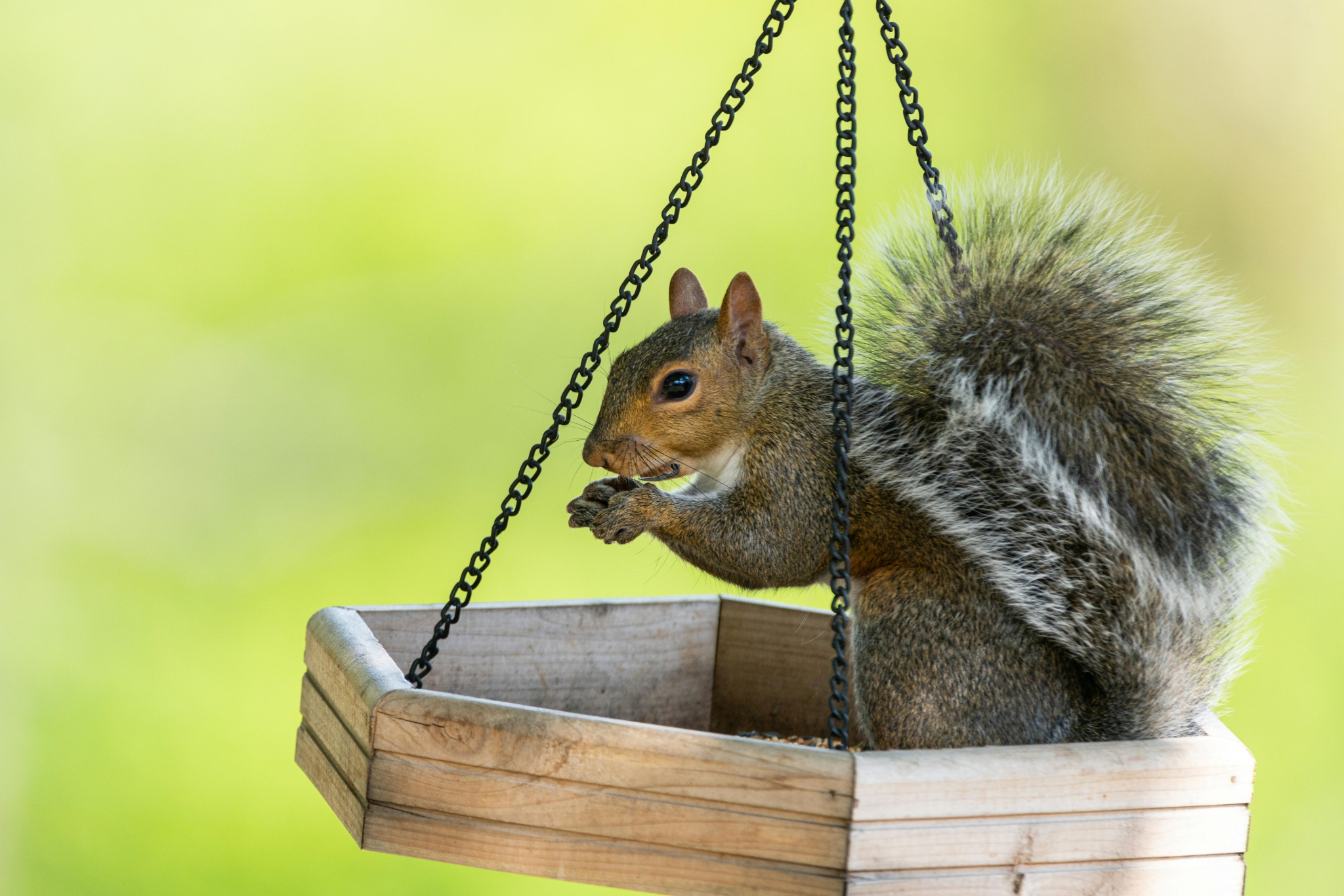
Few animals match a squirrel’s energy, curiosity, and determination. Constantly climbing, exploring, foraging, and investigating, these intelligent little creatures thrive on activity and mental stimulation.
For owners of pet squirrels, providing enrichment isn’t simply a way to prevent boredom—it’s an essential part of supporting their overall well-being.
Fortunately, enrichment doesn’t need to be elaborate to be effective. A thoughtfully designed environment, opportunities for exploration, and activities that encourage natural behaviors can go a long way toward keeping your squirrel mentally stimulated and physically active.
First things first… Is this even legal where you live?
Before diving into enrichment ideas, there’s one important piece to cover: squirrel ownership laws.
Keeping a pet squirrel is highly regulated, and in many US states it is not permitted. Regulations vary widely—some states allow qualified caregivers to provide long term care for non-releasable squirrels with the proper permits, while others do not allow private ownership at all.
Remember to always check with your local wildlife agency before making any plans, because responsible care starts with understanding the rules.
Why enrichment isn’t optional
Squirrels are naturally built for movement and exploration. In the wild, their days are filled with climbing, jumping, searching for food, chewing, and investigating their surroundings—and those instincts don’t disappear simply because they are born or raised in captivity.
That’s why enrichment is such an important part of squirrel care. Providing appropriate outlets for natural behaviors helps support their physical and mental well-being while reducing the stress that can come from an under stimulating environment.
Without enough activity and engagement, some squirrels develop repetitive behaviors such as excessive chewing, pacing, or over-grooming, which can become difficult to change over time.
Enrichment isn’t just a fun extra or a way to keep squirrels entertained. It’s an important part their care, helping create an environment where these smart, active animals can stay healthy, curious, and comfortable.
Set the stage with space and structure
A spacious, vertically designed enclosure is essential for squirrels because these natural climbers are built for height, movement, and exploration.
Their environment should provide plenty of room to climb, play, and feel secure, with cozy nesting areas placed higher up where they can retreat and relax.
Add a touch of the outdoors to your squirrel’s environment with natural branches that encourage climbing, chewing, and exploration. Branches from safe trees like apple, maple, and oak can offer both enrichment and a more natural habitat experience.
Just be sure they are properly cleaned, untreated, and free from pesticides or any chemicals before adding them to the enclosure.
The toy box rotate, rotate, rotate
The secret to successful pet squirrel enrichment is variety. Much like refreshing your wardrobe with seasonal favorites, a squirrel’s environment benefits from a little rotation and change. These clever little animals quickly notice when their surroundings become predictable, so keeping the same few toys in place forever can lead to boredom.
A simple rotation schedule can make a big difference. Swap in different toys, rearrange the setup, or reintroduce favorites every week or two to create a sense of novelty—without needing an endless collection of new items.
A few enrichment essentials worth including:
- Foraging toys — forage boxes, treat dispensing puzzles, and scatter feeding encourage natural searching behaviors by turning mealtime into an activity rather than just a routine
- Chew toys — a must-have for squirrels, since their teeth grow continuously and they need appropriate outlets for natural chewing behavior
- Climbing structures — ropes, ladders, hoops, and platforms help support their natural love of climbing, jumping, and exploring
- Window perches — a secure perch near a safely screened window can provide a simple but engaging way to watch the outside world and enjoy new sights throughout the day
Don’t skip supervised free-roam time
If you have a properly squirrel-proofed space, regular out of cage time can be one of the most valuable forms of enrichment you provide. It allows your squirrel to stretch, climb, explore, and experience a wider variety of sights, textures, and activities beyond their usual enclosure.
This added freedom also encourages natural behaviors and provides important mental stimulation, which helps prevent boredom while supporting their overall well-being.
Simply put, it’s about more than just keeping your pet squirrel entertained. Safe exploration time supports a healthier, more confident animal by giving them the opportunity to stay active, express natural behaviors, and engage with their surroundings in meaningful ways.
The takeaway
A well-enriched squirrel is often a calmer, healthier, and more content companion. The goal isn’t to recreate an entire forest habitat inside your home—it’s about creating an environment that provides the right balance of movement, variety, and mental stimulation.
By giving your squirrel appropriate outlets for climbing, exploring, chewing, and problem solving, you can help support your pet’s natural instincts in a positive way and create a space where they can stay engaged and thrive.


