What’s the Best 4-H Animal for You? A Field Guide to Finding Your Match
Goats, rabbits, cattle, or horses? Our field guide breaks down every 4-H animal project by space, cost, and commitment so you can pick your match.
- First, Ask Yourself These Questions
- Rabbits: The Low-Commitment, High-Reward Starter Project
- Poultry: Big Personality, Small Footprint
- Goats: For the Kid Who Wants a Little Chaos With Their Curriculum
- Sheep: The Quiet Underrated Option
- Swine: Fast Growth, Serious Market Education
- Cattle: The Long Game, Big Commitment, Bigger Payoff
- Horses: The Project That Becomes a Lifestyle
- The Real Answer
There’s a certain energy to a fairground on show day. Long before the gates open, barns are already buzzing with activity—animals being groomed, stalls being tidied, and exhibitors making last minute preparations before stepping into the ring.
It’s a tradition that combines hard work, learning, and a deep connection with animals, all while building skills that often last far beyond a single project year.
At the heart of that experience is 4-H. More than just a livestock program, it gives young people the opportunity to build responsibility, confidence, practical animal husbandry skills, and a strong work ethic through hands-on learning.
And the project you choose plays a significant role in shaping that journey, influencing everything from your daily routine and level of commitment to the knowledge, skills, and experiences you gain along the way.
If you’re considering a 4-H animal project and wondering which species might be the right fit, understanding the commitment, costs, and opportunities associated with each option is the perfect place to start.
First, Ask Yourself These Questions
Before settling on a project, it’s worth taking an honest look at your goals, resources, and daily routine.
It’s easy to be drawn to a particular species—sometimes all it takes is one adorable baby goat or perfectly groomed rabbit—but the best 4-H project is ultimately the one that fits your lifestyle as well as your interests.
A few important questions to consider:
1. How much space do you have available?
Housing needs vary dramatically from species to species, and what works for a rabbit may be very different from what’s required for larger livestock.
2. How much time can you realistically commit each day?
Some projects require only basic daily care, while others involve regular handling, training, grooming, and conditioning throughout the year.
3. What does your budget look like?
Feed, veterinary care, housing, equipment, and show expenses can differ significantly depending on the animal you choose.
4. What are your project goals?
Are you interested in showmanship, market classes, breeding projects, or a combination of several different areas?
5. What kind of animal personality are you comfortable working with?
Every species comes with its own unique personality, challenges, and learning opportunities, so it’s important to choose an animal that fits both your interests and your comfort level.
Some projects are more laid-back, while others require a little more patience, persistence, and a sense of humor along the way.
Rabbits The Low Commitment, High Reward Starter Project
Rabbits are typically considered one of the best entry points into the world of 4-H because they require relatively little space, are generally affordable to care for, and offer a manageable introduction to the daily responsibilities that come with an animal project.
For many families, a well-maintained hutch and a consistent care routine are enough to get started, making rabbits an accessible option for first time exhibitors.
What makes rabbit projects especially appealing is their versatility. Depending on your interests, you can focus on breed evaluation and showmanship, participate in market projects, or explore breeding and genetics programs.
For exhibitors who enjoy learning about heredity, selection, and animal development, rabbits can offer far more depth than many people initially expect.
|
Poultry Big Personality, Small Footprint
While chickens are usually the first animals that come to mind when people think of poultry projects, this category also includes ducks, turkeys, and geese, with each species offering its own unique experience.
Chickens are generally easy to manage and are available in an impressive variety of breeds, colors, and sizes, making it easy to find a project that matches your interests.
Ducks are equally charming and are often known for their curious and social personalities, but they do require a bit more cleanup (especially around water areas).
One of the advantages of poultry projects is how quickly progress can happen. Young birds mature relatively fast, allowing exhibitors to see the results of their care and management in a shorter period of time than many larger livestock projects.
Poultry showmanship also provides an excellent foundation for learning animal handling, presentation, and observation skills that can be valuable across many other species.
|
Goats For the Kid Who Wants a Little Chaos With Their Curriculum
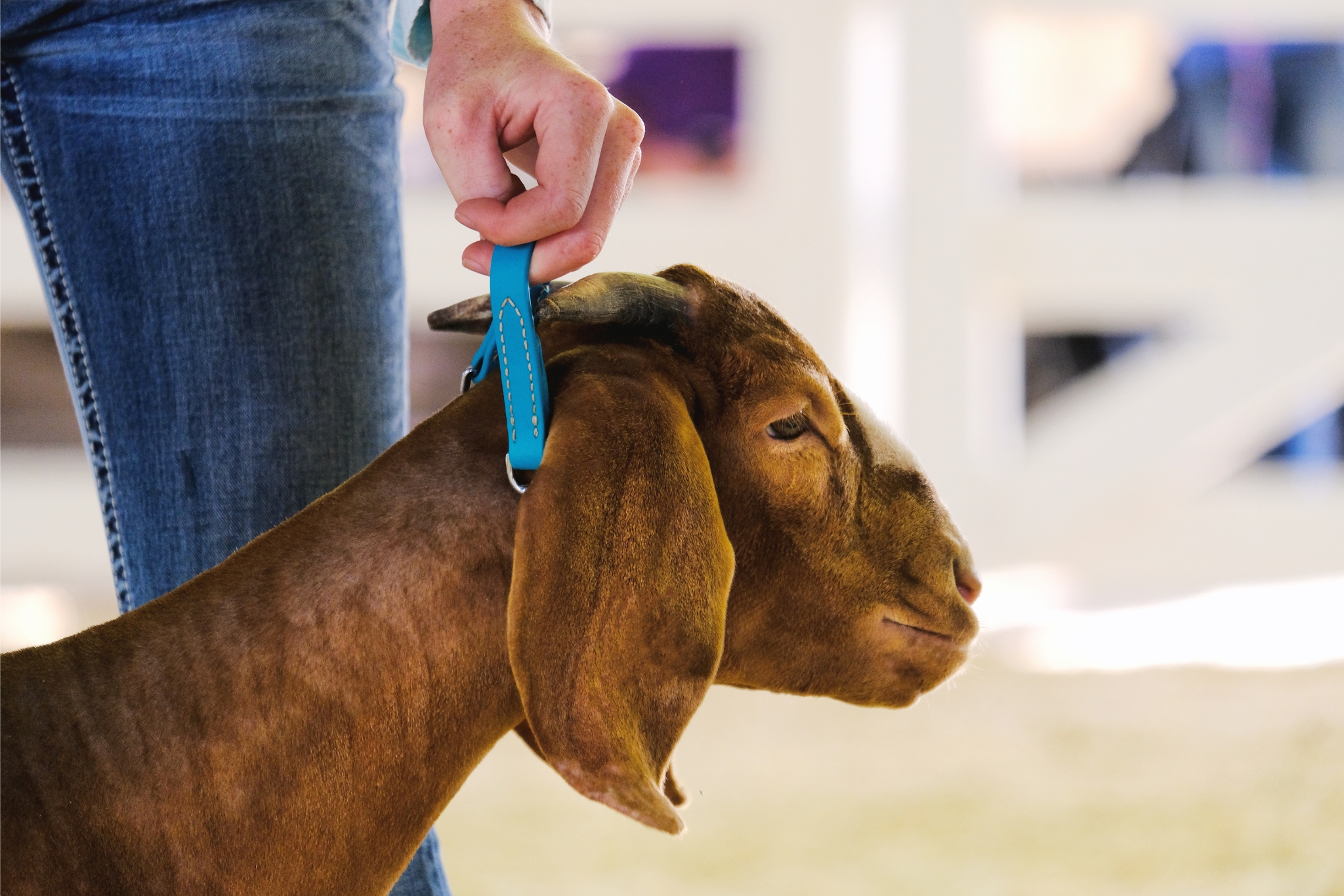
Goats really do have a way of winning people over. They’re intelligent, curious, and full of personality, they are among the most interactive livestock projects in 4-H.
These cute critters tend to enjoy working with people, respond well to consistent handling, and offer plenty of opportunities to develop training and animal management skills along the way.
Different types of goat projects provide different learning experiences. Dairy goats introduce exhibitors to topics such as nutrition, milk production, and herd management, while meat and market goats help members develop an understanding of growth, conditioning, and preparing an animal for competition.
Prospective goat owners should also keep in mind that goats are active, social animals that require secure housing and fencing.
They generally do best with companionship and plenty of opportunities for interaction, making proper facilities and daily care an important part of a successful project.
|
Sheep The Quiet Underrated Option
Sheep are one of the most underrated 4-H livestock projects, but they offer many of the benefits of working with a larger animal while providing a calmer and more predictable experience than some other species.
For exhibitors who enjoy building a strong daily routine and developing hands-on animal care skills, sheep can be an especially rewarding choice.
With consistent handling and training, sheep are often manageable and enjoyable to work with, making them a popular option for exhibitors who are ready for a larger livestock project but prefer a steadier pace.
One of the things that makes sheep projects so appealing is the range of opportunities they offer. Wool breeds allow exhibitors to learn about fiber production, fleece quality, and breed characteristics, while market sheep projects focus on nutrition, growth, conditioning, and preparing animals for the show ring.
Whether your interests lean toward animal science, fiber arts, or livestock exhibition, sheep provide a variety of ways to build knowledge and develop practical skills.
|
Swine Fast Growth, Serious Market Education
Swine projects offer a fast paced, hands-on introduction to the world of livestock production.
Success in market hog projects depends on factors like nutrition, growth, feed efficiency, and conditioning, making them a great fit for exhibitors who enjoy tracking progress and seeing the results of their daily care.
Because pigs are typically raised within a single project season, the timeline moves quickly. The learning curve can be steep, but the experience is incredibly rewarding for those who enjoy a structured goal and a clear path from start to finish.
Showmanship also adds another layer of skill, since exhibitors learn how to communicate with and guide an intelligent and strong willed animal in the show ring.
|
Cattle The Long Game, Big Commitment, Bigger Payoff
Beef and dairy cattle projects are a significant commitment, both in space and in daily responsibility.
They require appropriate facilities, equipment, and a consistent care routine—from regular handling and management in beef projects to the dedication of a twice daily milking schedule in dairy programs.
The reward is an experience that builds skills far beyond the show ring.
Cattle projects teach long term animal care, nutrition, genetics, breeding decisions, and the kind of responsibility that comes from working with a large animal over multiple years.
For many members, these projects become a true introduction to the business side of agriculture, especially when exploring breeding programs, pedigrees, and herd development.
|
Horses The Project That Becomes a Lifestyle
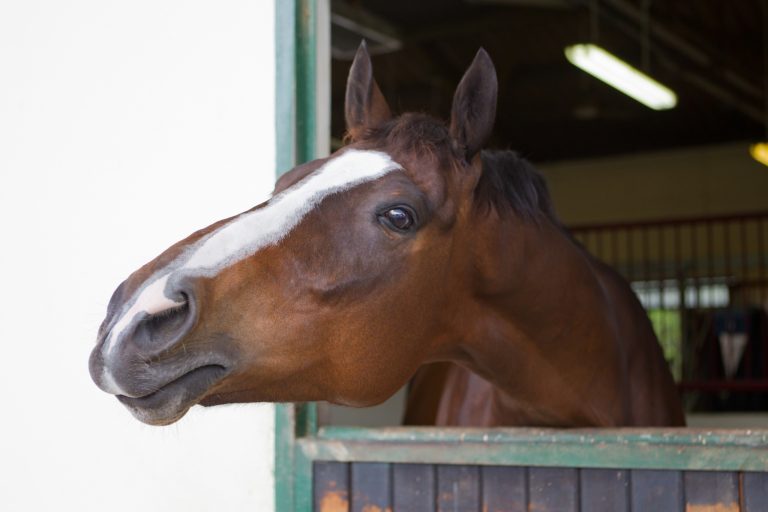
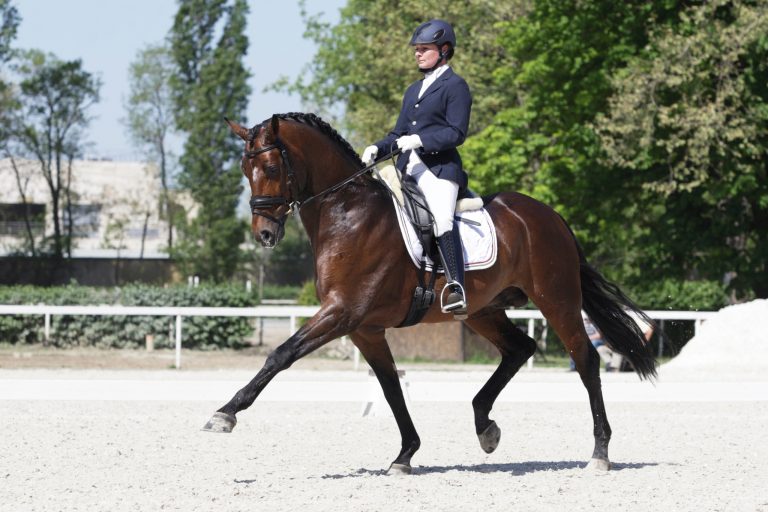
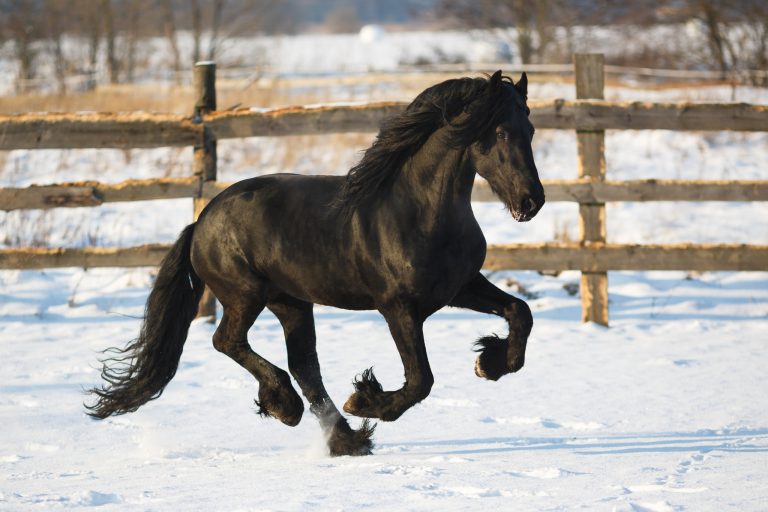
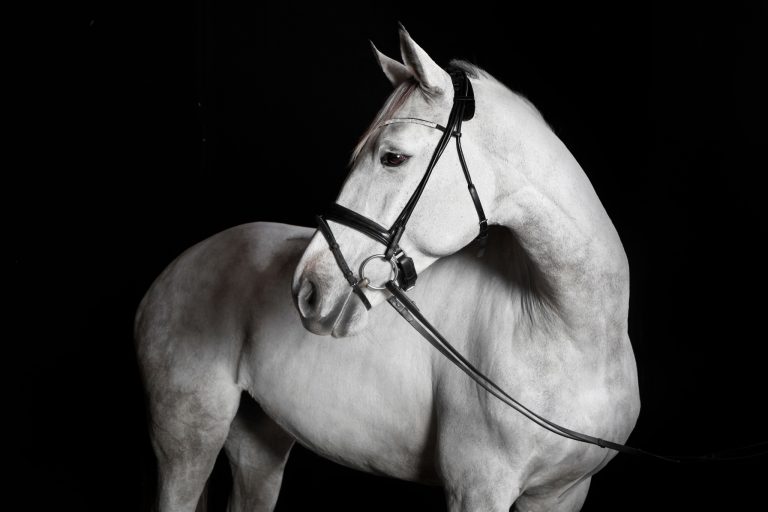
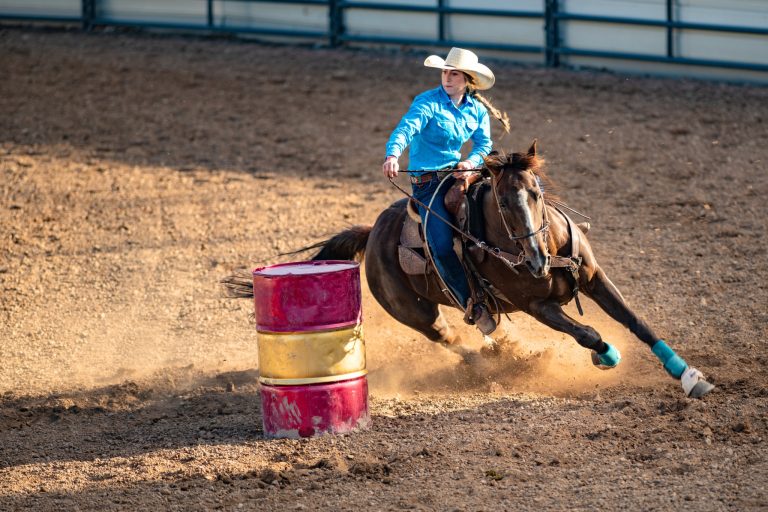
In 4-H, horse members can explore a wide range of disciplines, from western and English riding to showmanship, horsemanship, and even driving.
Of all the livestock projects, horses are among the most involved, requiring a meaningful commitment of time, resources, training, and support from both the exhibitor and their family.
For the right member, that level of involvement is exactly what makes it so rewarding.
A horse project goes beyond basic care and competition—it’s about building a partnership, developing communication, and learning the patience and consistency required to work with a horse over time.
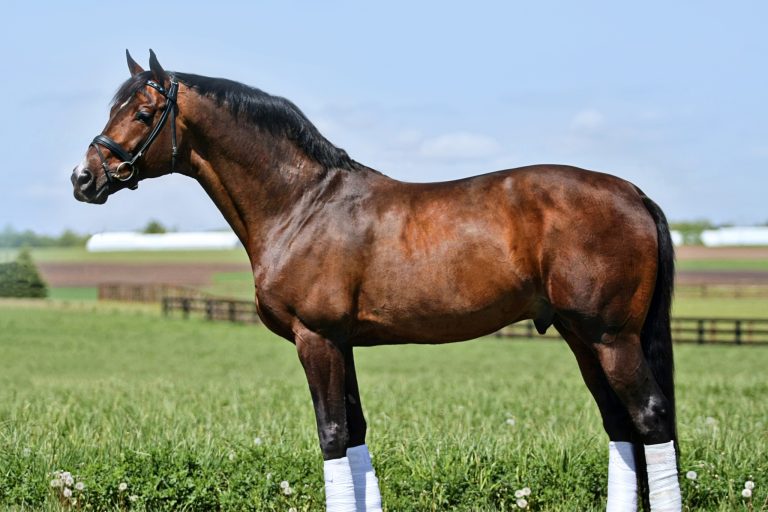
Many skills gained through a horse project, from evaluating conformation and movement to understanding temperament and breed characteristics, continue to be valuable long after the 4-H years are over.
|
The Real Answer
The “best” 4-H animal isn’t a one size fits all choice—it’s the one that best matches your interests, resources, and everyday life.
A rabbit project approached with dedication and curiosity can be just as rewarding and educational as a larger livestock project. The true value comes from the time, care, and commitment invested in learning, building skills, and developing a strong connection with the animal.
The members who gain the most from 4-H, no matter which species they choose, are the ones who stay committed, ask thoughtful questions, learn from their leaders, and make animal care the top priority.
While earning a ribbon is an exciting part of the experience, the lasting rewards are the confidence, responsibility, and skills developed throughout the journey.
At the end of the day, the animal you choose matters less than the experience you build with it.
Pick a project that inspires you, fits your life, and gives you the opportunity to learn—because the lessons you take away will last far beyond the show ring.