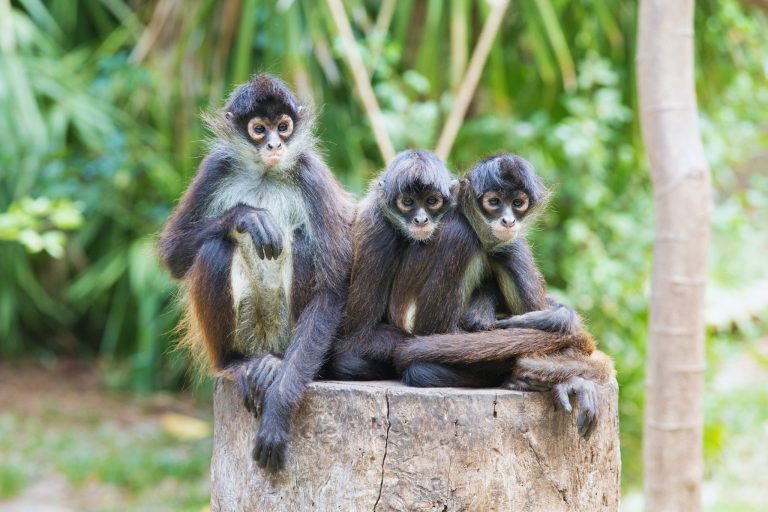
If you’ve ever spotted a tiny monkey with bright golden “mittens” and wondered what you were looking at, you’ve likely met the enchanting red handed tamarin!
These pint sized primates are among the Amazon’s most charismatic residents, and once you get to know them, it’s impossible not to fall in love.
What is a Red Handed Tamarin?
The red handed tamarin (Saguinus midas), also called the golden handed tamarin or Midas tamarin, is a small New World monkey native to South America.
These mini monkeys get their name from their striking golden orange hands and feet, which contrast beautifully against their mostly black fur – it almost looks like they’ve been dipped in paint!
With their colorful extremities and tiny, agile bodies, these little primates are truly the rainforest’s style icons.

Red Handed Tamarin Habitat: Where They Thrive
Red handed tamarins call the lush Amazon rainforest home, specifically in northeastern South America. You’ll find these acrobatic primates swinging through the canopy in:
- Northeastern Brazil (north of the Amazon River)
- French Guiana
- Guyana
- Suriname
- Parts of eastern Venezuela
Life in the Canopy
Red handed tamarins are arboreal, which means they spend virtually their entire lives in the trees.
They prefer the middle to upper canopy layers of both primary and secondary rainforests, typically hanging out between 30 to 90 feet above the ground. You might also spot them in:
- Tropical moist forests
- Seasonal forests
- Forest edges near rivers
- Disturbed forests or regenerating forests (they’re surprisingly adaptable!)
The dense vegetation provides food, shelter from predators, and natural “highways” for their acrobatic movements. They are particularly fond of areas with lots of vines and tangled branches where they can easily navigate and forage.
Red Handed Tamarin Behavior: Social Lives and Daily Habits
Here’s where things get really interesting! Red handed tamarins are incredibly social animals with complex behaviors that continue to intrigue researchers.
Family Life and Social Structure
These tamarins live in tight knit family groups of 4 to 15 individuals, usually made up of a breeding pair and their offspring across multiple generations. One of the most remarkable aspects of their social structure is cooperative breeding – everyone pitches in to help raise the babies!
The dominant female is usually the only one breeding, but here’s the cool part: the males (including the father, older brothers, and even unrelated males) do most of the heavy lifting when it comes to childcare. They carry the infants on their backs, and only pass them to mom for nursing. Talk about progressive parenting!
Communication and Vocalization
These chatty little primates have a sophisticated communication system. Red handed tamarins use a variety of calls including:
- Long calls for long distance communication between groups
- Alarm calls to warn about predators
- Food calls to alert family members about tasty discoveries
- Contact calls to maintain group cohesion while foraging
They also communicate through scent marking with specialized glands to leave messages on branches and mark their territory.
Daily Activity and Diet
Red handed tamarins are diurnal, meaning they’re active during the day. Their typical day includes:
- Morning: Wake at dawn and forage for breakfast – fruits, insects, and small invertebrates
- Midday: Continue feeding while moving through their territory, which can span 25 to 100 acres
- Afternoon: More foraging, social grooming, and playful interactions, especially among juveniles
- Evening: Settle into sleeping sites, often in tree cavities or dense foliage
What Do Red Handed Tamarins Eat?
Red handed tamarins are omnivores with a diverse diet that keeps them energized and healthy. Their meals typically include:
- Fruits – their absolute favorite, providing essential sugars and nutrients
- Nectar and Flowers – adding variety and extra energy
- Insects – beetles, caterpillars, spiders, and other small invertebrates
- Small Vertebrates – occasionally lizards or frogs
- Tree Exudates – sap and gum for extra calories
By eating fruit and moving throughout the forest, they play a crucial role as seed dispersers, and are vital in helping the rainforest regenerate.
Incredible Adaptations
Red handed tamarins are built for life in the trees and have some amazing adaptations:
- Sharp claws (instead of flat nails) for gripping bark and climbing tree trunks
- Forward facing eyes for excellent depth perception
- Long tail for balance while leaping between branches (though it’s not prehensile)
- Strong hind legs that allow them to leap impressive distances across the canopy
These features make them agile, efficient foragers and true acrobats of the rainforest canopy.
Threats to Red Handed Tamarins
Even though red handed tamarins are currently listed as “Least Concern” on the IUCN Red List, they still face several pressures that could impact their populations:
Habitat Loss and Deforestation
The biggest threat facing red handed tamarins is the destruction of their rainforest home. The Amazon is under constant pressure from:
- Logging operations (both legal and illegal)
- Agricultural expansion for cattle ranching and soy production
- Mining activities that destroy forest areas
- Infrastructure development including roads and dams
When forests are fragmented, tamarin populations become isolated, making it harder for them to find mates and maintain genetic diversity.
Pet Trade
Unfortunately, red handed tamarins are sometimes captured for the exotic pet trade. Their small size and cute appearance make them appealing targets, even though they don’t make good pets for most people and they’re illegal to own in most countries. Wild-caught tamarins suffer tremendously, and many don’t survive capture and transport.
Predation
In the wild, red handed tamarins face natural predators including:
- Birds of prey like hawks and eagles
- Snakes (especially tree dwelling species)
- Wild cats like ocelots and margays
- Tayras and small carnivores
While predation is a natural threat, habitat loss forces tamarins into more exposed areas, increasing their vulnerability.
Climate Change
Changes in rainfall patterns and temperature can affect fruit production and insect availability, potentially impacting tamarin food sources. Climate change also increases the frequency of forest fires and droughts, further stressing their habitat.
Red handed tamarins may be resilient, but without careful conservation these threats could grow more severe over time.
Conservation Efforts: Protecting Red Handed Tamarins
The good news? There are dedicated efforts to safeguard these adorable little primates and their rainforest homes.
Protected Areas
Several national parks and reserves throughout the red handed tamarin’s range provide protected habitat:
- Tumucumaque Mountains National Park in Brazil
- Central Suriname Nature Reserve
- Various protected areas in French Guiana
- Indigenous territories that maintain forest cover
These protected areas are crucial for maintaining healthy tamarin populations and preserving biodiversity.
Research and Monitoring
Ongoing scientific studies focus on tamarin behavior, ecology, and population trends. This research informs effective conservation strategies and helps identify areas that need protection.
Captive Breeding Programs
Many zoos worldwide participate in Species Survival Plans for red handed tamarins. These programs maintain genetically diverse captive populations, support reintroduction efforts where appropriate, and raise public awareness about the species and conservation issues.
Community Based Conservation
Engaging local communities is key to long-term success. Programs that promote sustainable livelihoods while preserving forest habitats ensure that both people and tamarins can thrive together.
Thanks to these combined efforts, red handed tamarins have a fighting chance, but continued support is essential to secure their future.
How You Can Help Red Handed Tamarins
Want to make a difference? Here are some ways you can support red handed tamarin conservation:
- Support rainforest conservation organizations like the Rainforest Trust
- Make sustainable consumer choices by avoiding products that contribute to deforestation (look for certified sustainable palm oil, soy, and beef).
- Reduce your carbon footprint to help combat climate change.
- Educate others about the importance of protecting the Amazon rainforest and its incredible wildlife.
- Visit professional zoos that participate in conservation and education programs.
Why Red Handed Tamarins Matter
These tiny primates are more than just cute faces – they’re essential to the health of their ecosystem. As seed dispersers, they help maintain forest diversity and regeneration. Their presence also serves as an indicator of ecosystem health: thriving tamarin populations often reflect well-preserved forests.
These charismatic little monkeys also offer valuable insights into primate evolution, social behavior, and ecology. Protecting them not only safeguards their future but also supports broader conservation efforts for countless other species.
Protecting These Golden Handed Treasures
Red handed tamarins are remarkable creatures that deserve our attention and protection. From their cooperative childcare to their important role in seed dispersal, these golden handed primates are essential threads in the intricate tapestry of the Amazon rainforest.
While they’re not currently endangered, these little primates face growing threats from habitat loss, climate change, and the illegal pet trade.
By supporting conservation initiatives and making mindful choices in our everyday lives, we can help ensure that future generations will continue to witness these golden handed acrobats leaping through the canopy.