Safe and Toxic Plants for Pet Monkeys
Keep your pet primate safe and thriving with this thoughtful guide to plants for pet monkeys. Explore safe, edible greenery, learn which toxic species to avoid, and discover enrichment ideas that create a more natural, engaging enclosure.
- A “Plant” Guide for Primate Caregivers
- Safe Edible Plants for Pet Monkeys
- Safe Non-Edible Plants for Monkey Enclosures
- Highly Toxic Plants to Avoid
- Creating a Monkey-Safe Plant Environment
- Enrichment Through Plant Interaction
- Supplementing with Browse
- Working with Your Veterinarian
- Creating a Safe Plant Environment
Caring for a pet monkey demands a deep understanding of their dietary needs and the importance of environmental enrichment. One often overlooked element of primate care is ensuring that the plants in their habitat are safe and non-toxic.
This guide will help you create a monkey-safe environment by selecting plants that not only stimulate their curiosity but also pose no risk to their health.
A “Plant” Guide for Primate Caregivers
Monkeys are naturally curious and tend to explore everything in their surroundings – including any plants they can reach. In the wild, primates spend much of their time foraging and consuming a variety of plant materials.
However, many common household and garden plants can be toxic to monkeys, so it’s crucial to carefully choose safe vegetation for their enclosures.
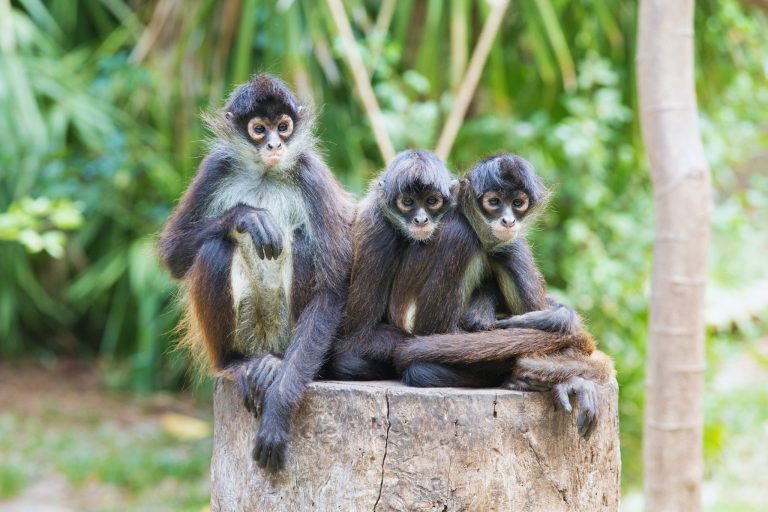
While dietary preferences vary by species, most pet monkeys – such as capuchins, marmosets, tamarins, and squirrel monkeys – are omnivores. These species thrive when provided with a variety of safe plant materials for both nutrition and environmental enrichment.
Safe Edible Plants for Pet Monkeys
Leafy Greens & Vegetables
Collard Greens Safe
Rich in calcium and vitamins. Sturdy plants that can withstand rough handling while providing strong nutritional benefits.
Dandelion Greens Safe
Often mistaken for weeds — entirely safe and nutritious. Both leaves and flowers are edible for primates.
Kale Moderation
Packed with nutrients. Thick leaves provide enrichment as monkeys tear and manipulate them — safe in moderate amounts.
Lettuce Varieties Safe
Romaine, red leaf, and green leaf are all safe choices. Avoid iceberg lettuce — it offers minimal nutritional value.
Spinach Moderation
Provides iron and nutrients, but excessive amounts can interfere with calcium absorption. Offer sparingly.
Herbs for Enrichment
Basil Enrichment
Completely safe. Provides sensory enrichment through its strong aromatic scent.
Cilantro Safe
Adds variety to your monkey’s environment and diet. A safe herb for regular use.
Mint Enrichment Invasive
Safe and provides interesting sensory stimulation. Do not plant directly in soil — mint spreads aggressively.
Parsley Safe
Rich in vitamins. Can be offered fresh or grown directly in the enclosure for foraging enrichment.
Rosemary Enrichment
Woody and aromatic — safe and serves as an interesting textural element within the enclosure.
Fruits & Fruiting Plants
Apple Trees Safe Remove Seeds
Pesticide-free branches and leaves are safe. Always remove seeds before offering apples — they contain cyanide compounds.
Banana Plants Moderation
Banana leaves are safe and the fruit is a favorite. Limit due to high sugar content — offer as a treat, not a staple.
Berry Bushes Safe
Strawberry, blueberry, and raspberry plants are all safe. Most owners offer the fruits directly rather than growing the full plants.
Grape Vines Treats Only
Vines are safe for interaction. Grapes should be given sparingly as treats due to their high sugar content.
Safe Non-Edible Plants for Monkey Enclosures
Hardy Indoor Options
African Violets Safe
Small flowering plants that are safe for primates. May not survive aggressive handling — best in lower-traffic areas of the enclosure.
Bamboo Safe Climbing
True bamboo varieties are safe and provide excellent climbing opportunities. Extremely durable and grows back quickly after damage.
Boston Ferns Safe Enrichment
Safe and add humidity to the enclosure. Create natural hiding spots and enrichment opportunities for curious monkeys.
Prayer Plants Safe
Non-toxic Maranta with fascinating leaf movements that shift throughout the day — may genuinely intrigue your monkey.
Spider Plants Safe
Resilient, non-toxic, and can tolerate rough handling. Easy to grow and propagate — great for replacing specimens that get destroyed.
Outdoor Enclosure Plants
Ficus Trees Safe Climbing Mild Sap
Most ficus varieties are safe and provide excellent climbing structures. Note: the sap can be mildly irritating to some individuals.
Hibiscus Safe
Both flowers and leaves are safe. Thrives in warm climates and adds vibrant visual interest to outdoor enclosures.
Mulberry Trees Safe Climbing
Completely safe, with berries providing seasonal treats for your primate. A multi-purpose addition to any outdoor setup.
Willow Trees Safe Enrichment
Branches and leaves are safe and provide natural foraging enrichment. Readily available and commonly used for crafting and enclosure building.
Highly Toxic Plants to Avoid
It’s critical to know which plants pose serious dangers to pet monkeys. The following plants should never be in or near your monkey’s enclosure:
Deadly Toxic Plants
This list is not exhaustive. When in doubt, do not allow access. Consult an exotic animal veterinarian before introducing any new plant to your monkey’s environment.
Creating a Monkey-Safe Plant Environment
Indoor Enclosure Plant Tips
Placement Strategy
Position plants where they can survive investigations. Secure pots to prevent tipping, or use hanging planters for less robust species.
Rotation System
Keep several safe plants on rotation. This prevents over-destruction of any single plant and maintains ongoing environmental enrichment.
Monitoring & Sensitivity
Watch interactions with new plants closely. While a plant may be technically safe, individual monkeys may have sensitivities or allergies.
Organic Growing Only
Always use organic methods for any plants your monkey may consume. Pesticides and fertilizers can be toxic to primates even when the plant itself is safe.
Outdoor Habitat Planning
Zoning Your Space
Create distinct zones: climbing trees, foraging areas with edible plants, and shaded spots with ferns and groundcover for variety and rest.
Native Species
When possible, choose plants native to your monkey’s natural habitat. This provides psychological enrichment through familiar stimuli.
Durability First
Select plants that can withstand climbing, pulling, and general monkey activity. Avoid delicate ornamentals in favor of hardy, resilient species.
Seasonal Variety
Plan for year-round interest with plants that provide different textures, colors, and edibles throughout the seasons.
Enrichment Through Plant Interaction
Plants offer more than just visual appeal – they serve multiple functions in an animal’s environment. Appropriate plants provide your pet monkey with:
- Foraging Opportunities: Scatter food among safe plants to encourage natural foraging behaviors. This mental stimulation is crucial for captive primate welfare.
- Sensory Stimulation: Different textures, scents, and colors engage your monkey’s senses and prevent boredom.
- Physical Exercise: Climbing plants and trees promote natural movement patterns and physical health.
- Psychological Benefits: A naturalistic environment with plants reduces stress and supports overall well-being.
Supplementing with Browse
Many primate caregivers supplement their monkey’s environment with “browse” – which are fresh branches and leaves from safe trees. Excellent browse options for pet monkeys include:
- Willow branches
- Apple tree branches (pesticide free)
- Mulberry branches
- Birch branches
- Hazelnut branches
Always ensure browse is free from pesticides, herbicides, and comes from areas away from roadways where contaminants may accumulate.
Working with Your Veterinarian
Before introducing any new plants to your monkey’s environment, its important to consult with a veterinarian experienced in primate care. They can provide guidance specific to your monkey’s species, age, health status, and individual needs.
Remember to keep records of which plants your monkey has access to, and report any signs of illness immediately to your vet.
Symptoms of Plant Poisoning
If your monkey has accessed a toxic plant, contact an exotic animal veterinarian immediately. Watch for any of these warning signs:
Creating a Safe Plant Environment
Creating a safe plant-rich environment for your pet monkey requires careful planning and ongoing attention. By selecting non-toxic plants and avoiding dangerous species, you can provide enrichment that supports your monkey’s physical and psychological health.
Remember that this guide provides general information, but individual monkeys may have unique sensitivities. Always introduce new plants gradually, monitor your monkey’s interactions, and maintain open communication with your exotic animal veterinarian.
By prioritizing safety and enrichment through thoughtful plant selection, you can create a more naturalistic and stimulating environment for your primate companion.