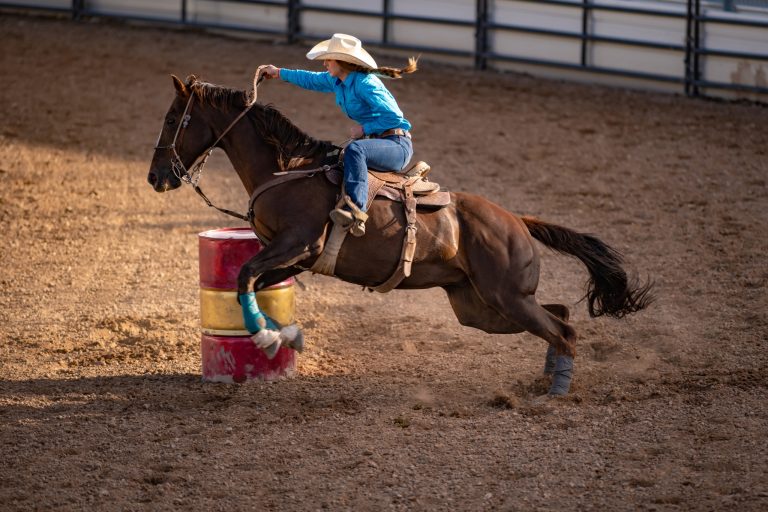
Reining Horse Fitness Tips Build Better Strength, Stamina & Sliding Stops
Tired of inconsistent performance in the show pen? Your reining horse’s fitness program might be the missing piece. Discover what championship conditioning actually looks like.
- Why Fitness Matters More in Reining Than Most Riders Realize
- Understanding the Physical Systems Your Reining Horse Needs
- Building the Foundation: The Conditioning Calendar
- Sport-Specific Exercises for Reining Fitness
- Nutrition for the Competitive Reining Horse
- Recovery: The Most Undervalued Component of Fitness
- Monitoring Fitness Progress
- The Weekly Training Schedule: Putting It All Together
- Common Fitness Mistakes That Cost Reining Horses Points and Soundness
- Fitness is Your Competitive Advantage
Reining is one of the most athletically demanding disciplines in the western horse world. The explosive spins, sliding stops, and precise lead changes that define a winning reining pattern require a horse that is not just trained, but genuinely athletic—one that’s strong, supple, fit, and mentally focused.
And yet, conditioning is one of the most consistently undervalued aspects of reining horse development at every competitive level.
Whether you’re bringing along a futurity prospect, legging up a seasoned show horse for the upcoming season, or giving a young horse the right start for a long and successful career, proper fitness training can make all the difference. It’s often the deciding factor between a horse that stays confident, strong, and competitive—and one that struggles to hold up to the demands of the sport.
In this guide, we’re diving into everything you need to know about conditioning the modern reining horse. From foundational fitness principles and sport-specific workouts to nutrition, recovery, and smart seasonal planning, you’ll learn how to build a stronger, sounder, more durable athlete ready to perform at their very best year after year.
Why Fitness Matters More in Reining Than Most Riders Realize
The athleticism required for reining is often underestimated because the very best reining horses make everything look so easy. In the show pen, a polished reiner lopes around quietly, melts into a stop, and spins with smooth precision—all while looking calm, relaxed, and completely in sync with the rider. But that effortless style is actually built on a serious foundation of strength, conditioning, and body control.
When you really break down what a reining horse does during a run, it’s incredibly demanding. A typical NRHA pattern asks a horse to accelerate into fast rundowns, slide 20 feet or more into a stop, spin quickly in both directions, execute clean flying lead changes, and maintain rhythm, balance, and accuracy from start to finish. And while the entire pattern only lasts a few minutes, it packs an enormous amount of athletic effort into that short period of time.
Those dramatic sliding stops rely heavily on the hindquarters, glutes, hamstrings, and core to both generate power and absorb impact instantly. Spins require coordinated strength through the shoulders, neck, back, and hips. Lead changes call for quick lateral engagement, balance, and responsiveness. And through it all, the horse still has to stay soft, willing, and mentally focused.
Achieving that signature reining horse blend of power and polish doesn’t happen by accident. It comes from a thoughtful conditioning program designed specifically for the demands of reining—not a one size fits all fitness routine borrowed from another discipline.
Understanding the Physical Systems Your Reining Horse Needs
Before you can build an effective conditioning program, it helps to understand exactly what a reining horse truly needs to perform at its best. The most successful fitness programs aren’t random workouts—they’re thoughtfully designed around the specific physical and mental demands of the sport.
Cardiovascular Fitness
Cardiovascular fitness is what allows a reining horse to stay strong, recover quickly, and maintain consistency throughout training and competition. A horse with solid cardio conditioning can handle multiple runs at a weekend show, recover faster between exercises, and maintain the same level of energy and responsiveness from start to finish.
This kind of fitness is built through steady aerobic work—think long trots, relaxed loping, and consistent conditioning miles that strengthen the heart and lungs without putting unnecessary stress on the joints.
It may not be the flashiest part of training, but it’s the foundation of every great performance horse. Too often, riders focus heavily on pattern work while skipping the basic conditioning that actually supports long term athleticism.
Muscular Strength and Endurance
Reining requires serious strength—especially through the hindquarters. The glutes, hamstrings, stifles, and gaskins generate the power needed for deep stops, quick acceleration, and collection. At the same time, the topline, back, shoulders, and neck all work together to support balance, spins, and body control.
But strength alone isn’t enough—endurance matters just as much. A horse that can stop hard once but loses quality after repeated maneuvers may lack the muscular stamina needed for competition. The goal is to build a horse that stays strong, consistent, and correct every single time.
Core Stability
Core strength is one of the most underrated pieces of reining fitness. The muscles through the abdomen, back, and loins stabilize the horse’s body during high impact movements like sliding stops and spins. Without a strong core, horses often compensate with tension, bracing, or stiffness that can easily be mistaken for training issues.
Horses with good core stability move softer, collect more naturally, stop deeper, and stay more balanced through their turns. Developing that strength takes intentional exercises and thoughtful conditioning, but the payoff in both performance and soundness is huge.
Flexibility and Suppleness
A truly athletic reining horse also needs freedom of movement. Flexibility through the joints and suppleness along the topline allow the horse to move fluidly, stay balanced, and perform each maneuver correctly.
- Suppleness in the neck and poll influences softness and collection.
- Flexibility through the back affects stopping ability and overall body control.
- Lateral suppleness through the rib cage and hips improves spins, circles, and lead changes.
Without regular stretching and mobility work, even talented horses can become stiff, restricted, and more prone to injury over time.
Mental Fitness
In reining, mental fitness is every bit as important as physical conditioning. A horse may be physically capable of performing the maneuvers—but without focus, confidence, and emotional steadiness, consistency becomes difficult.
Mentally fit horses stay relaxed in busy show environments, handle pressure without becoming anxious, and bring the same calm attitude to the show pen that they have at home. That kind of confidence is built gradually through exposure, preparation, and thoughtful training—not by simply hoping the horse “gets used to it.”
The best reining horses aren’t just physically prepared—they’re confident, focused, and mentally equipped to handle the demands of competition with the same quiet composure that makes the sport look so effortless.
Building the Foundation The Conditioning Calendar
The most effective reining fitness programs aren’t built around random workouts or riding the same routine every day. Instead, successful conditioning follows a structured plan that carefully changes intensity and focus throughout the year. This approach helps horses build strength and stamina progressively while reducing the risk of burnout, overtraining, and soundness issues.
It’s the same concept used by elite human athletes, and it works just as beautifully for performance horses.
The Off-Season Foundation Phase (8 to 12 Weeks)
This phase begins after the show season or anytime a horse needs to rebuild basic conditioning. The focus here is simple: restore fitness, strengthen the body, and allow the horse to mentally decompress before more demanding work begins.
What this phase looks like:
Think long, steady conditioning rides with plenty of trot work. Trotting for 20 to 40 minutes several times a week is one of the best ways to build true cardiovascular fitness. It strengthens the heart and lungs, improves endurance, and creates far less joint stress than constant speed work.
During this stage, intensity should stay fairly low. Your horse should finish workouts feeling worked—not exhausted. A good rule of thumb is that breathing should return to normal within about 5 to 10 minutes after exercise.
If you have access to hills or varied terrain, use them. Hill work is fantastic for developing hindquarter strength and overall stamina without relying on speed or repetitive drilling.
This is also the phase where less pattern work is often more. Constantly drilling maneuvers on an unconditioned horse usually leads to fatigue, compensation, and sloppy mechanics. First build the athlete—then fine tune the performance.
The Development Phase (8 to 10 Weeks)
Once a strong aerobic base is in place, training can become more sport-specific. This phase introduces more loping, maneuver work, and progressive strength building designed specifically for reining demands.
Lope Conditioning
Structured lope sets become an important part of the program here. Gradually increasing sustained loping helps develop both cardiovascular stamina and muscular endurance at the gait most used in competition.
A simple progression might look like:
- Week 1: 5 minutes continuous loping
- Week 2: 8 minutes continuous loping
- Week 3: 10 to 12 minutes with short walk breaks
- Week 4: 2 separate lope sets with recovery between
The goal is steady progression—not rushing intensity.
Introducing Stops
This is when stops begin to enter the program more regularly—but quality matters far more than quantity. A few correct stops are infinitely more valuable than repeated sloppy ones.
At this stage, focus on proper mechanics:
- Hindquarters engaging underneath the body
- Lowering through the croup
- Staying soft and forward
Big dramatic slides can come later. Correct biomechanics always come first.
Introducing Spins
Spins should also be developed gradually. Start slow and prioritize balance, cadence, and correct foot placement before asking for speed.
Horses that learn to spin correctly early usually stay more confident, relaxed, and consistent as the maneuver becomes faster.
The Competition Preparation Phase (6 to 8 Weeks)
This phase is where fitness sharpens into performance readiness. Training becomes more specific, intensity increases, and both horse and rider begin preparing for the demands of the show pen.
Increasing Intensity
This is typically the hardest working phase. Competitive speed rundowns, full patterns, and multiple maneuver sequences all begin to mirror real show conditions.
But more is not always better.
One of the biggest mistakes riders make is overworking horses during this stage. Horses don’t peak from nonstop drilling—they peak from carefully balanced training and recovery. Two or three harder sessions per week is usually plenty, especially when paired with lighter conditioning and proper rest days.
Show Simulation
Mental preparation matters just as much as physical conditioning. Hauling to unfamiliar arenas, riding around distractions, working in different environments, and practicing under pressure all help build confidence before competition season begins.
Horses that experience variety at home tend to stay calmer and more focused when they arrive at a show.
Fine-Tuning the Details
This phase is for polishing—not rebuilding. Instead of endlessly running full patterns, focus on the specific areas that need refinement.
Maybe your horse drifts in rundowns. Maybe lead changes need to feel quicker and cleaner. Maybe spins loose cadence to the left. Address those details intentionally instead of simply repeating entire patterns over and over.
The Competition Phase (Duration of Show Season)
Once show season begins, the goal shifts from building fitness to maintaining it while carefully managing stress and recovery.
Showing adds physical and mental demands from:
- Travel
- New environments
- Disrupted routines
- Multiple runs
- Increased adrenaline
All of that takes a toll over time—even on very fit or experienced horses.
Maintenance Work
Between shows, conditioning sessions should maintain fitness without adding unnecessary fatigue. Light pattern work, long trots, relaxed loping, and basic body maintenance are usually more beneficial than repeatedly asking for maximum effort maneuvers.
During show season, preserving the horse is just as important as sharpening the horse.
Prioritizing Recovery
Recovery becomes critical during competition months—don’t forget that horses need genuine downtime after hard weekends.
A horse that showed heavily on Saturday may benefit from:
- Taking Sunday completely off
- Monday hand walking or light hacking
- Gradual return to full work later in the week
Skipping recovery is one of the fastest ways to create cumulative fatigue and declining performance across a long season.
Monitoring Fitness & Soundness
The best horsemen constantly monitor small changes before they become major issues. Pay attention to your horse’s:
- Recovery rate after exercise
- Appetite and hydration
- Coat quality
- Attitude during work
- Movement and overall comfort
These subtle indicators often reveal fatigue or brewing soundness concerns long before performance noticeably declines.
The most successful reining horses are not simply trained hard—they’re managed thoughtfully, conditioned progressively, and given the structure needed to stay strong, sound, and confident throughout an entire career.
Sport-Specific Exercises for Reining Fitness
Beyond basic conditioning, certain exercises are especially valuable for building the strength, balance, and body control that reining horses truly need. These movements help develop the specific athletic qualities behind deep stops, smooth spins, soft collection, and overall longevity in the sport.
Hindquarter Development
Hill Backing
Backing a horse up a gentle incline is one of the best exercises for developing the hindquarter strength needed for powerful stops. It encourages the horse to sit behind, engage the core, and shift weight onto the hind end in a controlled way.
Start with small hills and short repetitions, then gradually build as strength improves. Like most conditioning work, quality matters far more than intensity.
Cavaletti & Pole Work
Trotting over ground poles or cavaletti is fantastic for improving coordination, strength, and body awareness. These exercises encourage horses to actively use their hindquarters, lift through the topline, and engage the core with every stride.
Pole work also improves proprioception—essentially the horse’s awareness of where its feet are—which plays a huge role in accurate stops, spins, and lead changes.
Transitions
Simple transitions are incredibly underrated. Frequent transitions between walk, trot, and lope help develop responsiveness, balance, and quick hindquarter engagement.
A horse that transitions smoothly and promptly is building the same strength and body control required for collection, rollbacks, stops, and lead departures in the show pen.
Core & Topline Development
Carrot Stretches
Carrot stretches may look simple, but they’re surprisingly effective for improving flexibility and activating a horse’s core muscles.
Encouraging your horse to stretch toward each flank, between the front legs, and softly to each side helps improve spinal mobility and overall suppleness. Just a few repetitions before and after rides can make a noticeable difference over time.
Ground Poles at the Trot
Trotting poles encourage horses to lift through their back, engage the abdominal muscles, and move more freely through the topline.
Consistent pole work helps develop the strong, functional topline that supports collection and reduces tension or soreness through the back.
Longe Work with Side Reins
When used correctly, side reins on the longe line can help horses develop balance, self carriage, and topline strength.
The key word is correctly. Side reins should encourage soft connection and forward movement—it should never force a headset. Overly tight side reins often create stiffness and tension, which defeats the entire purpose of the exercise.
Lateral Suppleness
Leg Yield at the Trot
Leg yielding helps improve flexibility through the rib cage, hips, and shoulders while teaching the horse to move softly off leg pressure.
This kind of lateral suppleness directly improves spin quality, body control, and the horse’s ability to stay balanced through lead changes and circles.
Counter-Arc Circles
Counter-arc circles—where the horse is slightly bent opposite the direction of travel—are excellent for improving shoulder mobility and overall body control.
Because this exercise is physically challenging, it should be introduced gradually and ridden carefully to avoid creating tension. When done correctly, though, it’s incredibly helpful for improving straightness and balance.
Shoulder-In at the Trot
Borrowed from classical dressage, shoulder-in is one of the most valuable exercises for improving collection and hindquarter engagement in performance horses.
It encourages the inside hind leg to step deeper underneath the body while improving softness and lateral bend. Horses that are comfortable and balanced in shoulder-in often develop the fluid, effortless looking movement that defines great reining horses.
Nutrition for the Competitive Reining Horse
Fitness and nutrition go hand in hand. You can have the most carefully designed conditioning program in the world, but if a horse isn’t properly fueled, performance and recovery will suffer.
In many cases, nutrition is the difference between a horse that stays strong and sound through a long season—and one that struggles to hold condition, recover properly, or stay comfortable in work.
Forage First
Every good feeding program starts with forage. Horses are designed to eat small amounts continuously throughout the day, and performance horses are no exception.
High quality grass hay or a balanced grass/alfalfa mix should make up the foundation of the diet. Ideally, reining horses should receive forage free-choice or through multiple feedings that total roughly 1.5% to 2% of body weight daily.
Alfalfa can be especially useful for horses needing additional calories or protein, but balance matters. While some horses thrive with moderate alfalfa, others may become overly energetic or simply perform better on a forage program that leans more heavily toward grass hay.
Remember: Healthy digestion, consistent energy, and overall soundness all start in the gut.
Energy for Performance
Conditioning, hauling, showing, and intensive maneuver work require significantly more calories than simple maintenance riding. Horses in active training need enough fuel to support both performance and recovery without losing body condition.
For many reining horses, fat is one of the best energy sources available. Ingredients like rice bran, flaxseed. and stabilized fat supplements provide slow-burning, steady energy that supports stamina without the sharp spikes often associated with high-starch grain diets.
In fact, many sensitive or naturally “hot” horses perform noticeably better on higher-fat, lower-starch feeding programs because they maintain energy without becoming mentally overreactive.
Protein for Muscle Development & Recovery
Muscles don’t just need exercise to develop—they also need the right building blocks for repair and growth.
Performance horses benefit from quality protein sources that support muscle recovery after training sessions. Ingredients like soybean meal, alfalfa, and well-formulated performance feeds can help provide the amino acids needed for strength and topline development.
Three amino acids are especially important in equine diets:
- Lysine
- Methionine
- Threonine
These are often referred to as “limiting amino acids” because deficiencies can affect how effectively the horse uses dietary protein overall. Balanced amino acid support is usually far more beneficial than simply feeding excessive protein.
Electrolytes
Hard working horses lose substantial electrolytes through sweat, especially during hot weather or intense training sessions.
Electrolytes play a major role in:
- Muscle function
- Hydration
- Recovery
- Nerve signaling
Without proper replacement, horses may fatigue faster, recover more slowly, or even develop muscle tightness and cramping.
Free-choice loose salt should always be available, and additional electrolyte supplementation is often helpful during heavy work or summer competition season.
When choosing an electrolyte product, look for formulas with meaningful levels of sodium and chloride—not products that are mostly sugar with minimal actual electrolyte support.
Joint Support
Reining places significant stress on joints and soft tissues over time. Sliding stops, spins, and collected work create repeated impact that adds up across a horse’s career, making proactive joint support incredibly valuable.
Omega-3 fatty acids from flaxseed or fish oil can help support a healthy inflammatory response while also benefiting coat quality and overall wellness.
Many performance horse programs also include ingredients such as glucosamine, chondroitin, and hyaluronic acid to support cartilage health, joint lubrication, and long term comfort in work.
While supplements aren’t a replacement for proper conditioning and management, they can absolutely play an important role in helping reining horses stay comfortable, durable, and competitive over time.
Recovery The Most Undervalued Component of Fitness
One of the most important things to remember about conditioning is this: horses don’t actually get fitter during training sessions. Training creates the challenge—but recovery is where the body adapts, strengthens, and improves.
A horse that works hard but doesn’t recover properly will progress more slowly, feel more fatigue, and face a much greater risk of soreness and breakdown over time. Thoughtful recovery is what allows great athletes to stay sound, consistent, and competitive season after season.
Active Recovery
Easy movement on lighter days is often far more beneficial than complete inactivity. Gentle walking, light hacking, or even a simple 20 minute hand walk helps increase circulation, loosen stiff muscles, maintain joint mobility, and support overall recovery without adding additional stress.
Many horses actually feel fresher and more comfortable with light movement after hard work than they do standing still for an entire day.
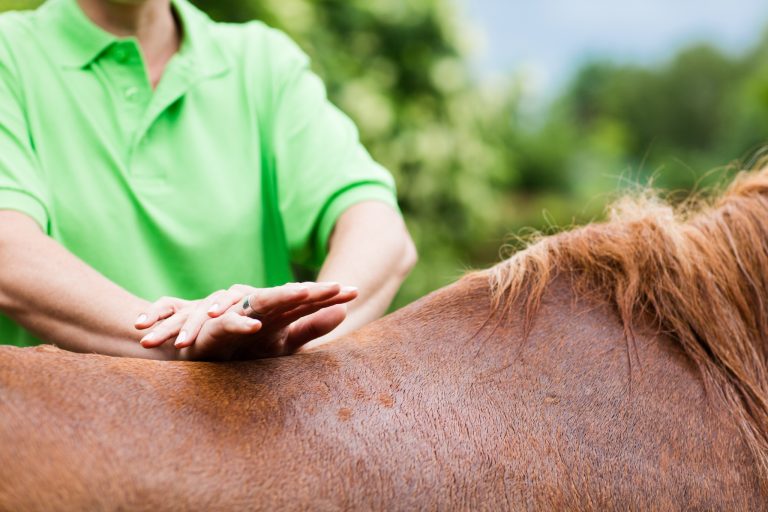
Bodywork & Massage
Regular massage and bodywork can make a huge difference in how a reining horse feels and performs. Training naturally creates muscle tension, and addressing that tension early helps prevent it from turning into stiffness, resistance, or soreness later on.
Common tight areas in reining horses include:
- Hindquarters and glutes from stopping
- Neck and shoulders from spins
- Back and loins from collection
- Poll and jaw from rein and bit pressure
Many performance horse owners schedule professional massage or bodywork monthly, while horses in heavier training may benefit from more frequent sessions during intense preparation periods.
Even simple stretching and basic hands-on muscle work between appointments can help horses stay looser, softer, and more comfortable.
Ice & Cold Therapy
Cold therapy is one of the simplest and most effective recovery tools available for performance horses.
After harder training sessions, applying cold water or ice to the legs helps reduce inflammation and supports recovery in joints and soft tissues that absorb repeated stress during stopping and maneuver work.
The hind hocks, stifles, and fetlocks are especially important to monitor in reining horses, along with the front legs, which absorb significant impact during rundowns and stops.
Whether you use cold hosing, ice boots, or ice baths, consistent post-work cooling can make a meaningful difference in your horse’s long term soundness.
Sleep & Rest
Just like human athletes, horses need proper rest for muscle repair, immune health, and mental recovery. Quality sleep also plays an important role in learning and processing training.
Horses that live in constantly stressful environments—like excessive noise, inconsistent routines, limited turnout, or lack of relaxation—often struggle physically and mentally even when their training and nutrition are excellent.
A strong recovery program includes:
- Consistent daily routines
- Quiet, comfortable stabling
- Adequate turnout and movement
- Social interaction when possible
- Feeding schedules that support natural digestion
Horses that feel mentally settled and physically rested almost always perform with more confidence, focus, and consistency than horses living under constant stress.
At the highest levels of reining, recovery isn’t treated as “extra.” It’s considered part of the training program itself—and often one of the biggest factors in keeping horses sound, happy, and competitive for the long haul.
Monitoring Fitness Progress
Consistently monitoring your horse’s fitness is one of the smartest things you can do as a rider or trainer. It takes the guesswork out of conditioning and helps you recognize early signs of fatigue, stress, or discomfort before they turn into bigger problems.
The best conditioning programs aren’t just built on hard work—they’re built on feedback.
Heart Rate Monitoring
Heart rate is one of the clearest indicators of cardiovascular fitness and recovery.
As conditioning improves, a horse will typically:
- Work at lower heart rates during the same exercises
- Recover more quickly after training
- Handle increased workloads with less physical stress
Even a simple equine heart rate monitor can provide incredibly useful information. If your horse’s heart rate stays elevated long after a moderate workout, it may be a sign the session was too demanding or recovery needs improvement.
On the other hand, steadily improving recovery times are usually a great indication that your conditioning program is working.
Respiratory Rate & Recovery
You don’t need fancy equipment to monitor fitness effectively—watching your horse’s breathing patterns can tell you a lot.
A healthy resting respiratory rate for horses is generally around 8 to 16 breaths per minute. After harder exercise, breathing naturally increases, but a fit horse should recover relatively quickly.
As a general guideline, returning to under 20 breaths per minute within about 10 to 15 minutes after work suggests the horse is handling the workload appropriately.
Slow recovery can indicate fatigue, inadequate conditioning, heat stress, or the need for additional recovery time.
Body Condition Scoring
Regularly evaluating body condition helps ensure your horse is maintaining enough weight and muscle to support training demands.
Most competitive reining horses tend to perform best around a moderate body condition score—meaning they’re athletic, well-muscled, and fit without becoming overly heavy.
If a horse begins losing weight or topline despite proper feeding, it’s worth evaluating:
- Calorie intake
- Training intensity
- Stress levels
- Overall health and soundness
Remember: Conditioning should build the horse up—not run the horse down.
Behavioral Indicators
Surprisingly to many horse owners, the earliest signs of overtraining or physical discomfort often show up in behavior long before obvious physical symptoms appear.
Pay attention to changes like:
- Pinned ears during saddling or work
- Resistance to specific maneuvers
- Reluctance to train
- Irritability or unusual tension
- Loss of focus or enthusiasm
Horses are incredibly honest communicators. A horse that suddenly becomes resistant is often trying to tell you something physically doesn’t feel right.
Instead of immediately increasing pressure or assuming it’s a training problem, take the time to investigate possible soreness, fatigue, or stress. Catching small issues early is one of the best ways to protect both performance and long term soundness.
The strongest reining programs combine thoughtful training with careful observation. When you learn to monitor both physical recovery and mental attitude, you can make smarter decisions that keep your horse healthier, happier, and performing at their best.
The Weekly Training Schedule Putting It All Together
A truly effective reining fitness program brings all of these pieces together into a balanced weekly routine. The goal is to carefully blend conditioning, maneuver work, recovery, and mental preparation in a way that builds fitness without overwhelming the horse.
Here’s an example of what a well-structured week might look like for a horse in the competition preparation phase:
Monday: Moderate Conditioning Day
Start with a relaxed walk warm-up, followed by trot sets totaling about 20 minutes with short walk breaks in between. Incorporate light collection work and a few lateral exercises to encourage softness and body control.
Finish with a long walk or hack to cool-down and apply cold therapy to the legs afterward to support recovery.
Tuesday: High Intensity Performance Work
This is one of the harder training days of the week, so a thorough warm-up matters. Spend at least 20 minutes gradually building from walk to trot to easy loping before asking for demanding maneuvers.
Work through:
- Full pattern elements
- Rundowns and stops
- Faster spins
- Lead changes
Keep quality as the priority—a few excellent stops are far more productive than repeated fatigued ones.
Afterward, allow a generous cool-down and follow with post-work recovery like icing, stretching, or massage work for the back and hindquarters.
Wednesday: Active Recovery
This day is all about helping the horse recover while staying loose and comfortable.
A simple hand walk or very light hack is plenty, along with stretching exercises like carrot stretches and gentle mobility work. If the horse feels sore or stocked up from the previous day, light icing can also help.
Mentally, this should feel like an easy day with minimal pressure and no demanding arena drilling.
Thursday: Moderate Schooling & Suppleness
Thursday shifts back into conditioning while focusing more on body control and flexibility than maximum intensity.
This is a great day for:
- Trot sets
- Leg yields
- Shoulder-in work
- Counter-arc circles
- Controlled spin practice
Rather than chasing speed, focus on softness, balance, correctness, and relaxation through the maneuvers.
Friday: Show Simulation Day
Friday is a perfect opportunity to practice the full competition experience.
If possible, haul to a different arena or expose the horse to a new environment. Ride with intention and treat the session like a rehearsal for an actual show—from warm-up routine to mental focus.
These sessions help horses develop confidence and consistency outside their normal home environment, which often translates to calmer, more reliable performances in the show pen.
Saturday: Light Maintenance Ride
After a more demanding week, Saturday should stay easy and uncomplicated.
Simple lope sets, relaxed flat work, or light conditioning help maintain fitness without adding extra physical or mental stress. Avoid drilling difficult maneuvers or over-schooling.
This day is about preserving freshness.
Sunday: Full Rest Day
Every athlete needs real downtime, and reining horses are no exception.
Turnout, social interaction, grazing, and complete mental relaxation all play an important role in long term soundness and happiness. No riding, no drilling, no pressure—just recovery.
The most successful programs aren’t necessarily the hardest—they’re the most balanced. Horses perform best when hard work, thoughtful conditioning, and proper recovery all work together as part of a bigger long term plan.
Common Fitness Mistakes That Cost Reining Horses Points and Soundness
Understanding what not to do is just as important as knowing the right way to condition a reining horse. Many of the most common training setbacks don’t come from lack of effort—they come from well-meaning riders pushing too hard, too fast, or focusing on the wrong things.
Here are some of the biggest conditioning mistakes seen at every level of reining:
1. Skipping the Foundation Phase
One of the most common—and most expensive—mistakes is jumping into intense pattern work before the horse has the physical foundation to support it.
When horses are asked to perform demanding maneuvers before they’re truly fit, they naturally begin compensating for fatigue with incorrect movement patterns. Over time, those compensations turn into habits that affect both performance and long term soundness.
Taking the time to build a proper aerobic and muscular foundation is never wasted time. In fact, it’s what allows everything afterward to progress more smoothly, correctly, and sustainably.
2. Drilling Patterns Instead of Building Fitness
Running patterns over and over is not the same thing as conditioning.
Pattern work absolutely has value for communication, timing, and maneuver preparation, but it doesn’t replace true fitness training. Horses still need separate conditioning work to build cardiovascular endurance, strength, balance, and suppleness.
That means incorporating things like:
- Trot sets
- Lope conditioning
- Hill work
- Pole work
- Lateral exercises
The best reining horses are both trained and conditioned. One cannot fully replace the other.
3. Doing Too Much Before a Big Show
As major competitions approach, many riders instinctively increase intensity and drill harder. Unfortunately, this often backfires.
Horses don’t peak because of one exhausting week of training—they peak because of consistent conditioning built gradually over time.
Too much intensity right before a show can leave horses mentally dull, physically fatigued, and less prepared to perform when it matters most.
In the final couple of weeks before a major event, the focus should shift toward maintaining sharpness while preserving energy and confidence.
4. Ignoring Recovery
One of the biggest misconceptions in performance horse training is the idea that harder work automatically creates better fitness.
In reality, fitness improves during recovery—not during the workout itself.
Without enough recovery time, horses accumulate fatigue faster than the body can repair it. Over time, this can lead to:
- Muscle soreness
- Decreased performance
- Irritability
- Injury risk
- Mental burnout
Rest days, active recovery, icing, stretching, turnout, and bodywork are not “extras”—they’re essential parts of the conditioning process.
5. Neglecting Mental Fitness
A physically fit horse that becomes anxious, distracted, or overwhelmed in the show pen will still struggle to perform consistently.
Mental preparation matters just as much as physical training. Horses need opportunities to experience:
- New arenas
- Different footing
- Busy warm-up pens
- Travel routines
- Unfamiliar environments
The more positive exposure horses receive throughout training, the more confident and settled they tend to become at shows.
Often, the calmest and most reliable show horses aren’t necessarily the most naturally talented—they’re simply the most prepared.
Great reining programs develop the entire athlete: strength, stamina, suppleness, confidence, and recovery all working together to create a horse that can stay sound, focused, and competitive for the long haul.
Fitness is Your Competitive Advantage
In a sport where training has become incredibly refined and winning margins are often separated by just a few points, fitness remains one of the most valuable—and most overlooked—competitive advantages in reining.
A truly fit horse performs with more ease, stays stronger throughout an entire pattern, recovers faster between classes, and holds up better over the course of a long show season and career. Just as importantly, conditioned horses tend to learn and respond better in training because physical fatigue isn’t constantly interfering with focus, balance, and body control.
Building an excellent fitness program doesn’t have to be overly complicated. What it does require is consistency, patience, and the discipline to treat conditioning as an essential part of training—not just an afterthought once the maneuvers are in place.
The horses that succeed at the highest levels of reining aren’t simply the most talented or the most schooled. They’re the most prepared—physically, mentally, and nutritionally—to perform when it matters most.
Approach your conditioning program with the same care and intention you bring to your pattern work, and your horse will reward you with something every rider wants: greater performance, better soundness, more confidence, and the kind of longevity that supports a truly successful reining career.
Whether you’re preparing for your first derby or aiming for the NRHA Futurity, a well-structured reining horse fitness program is the foundation behind every competitive goal. Start with the principles outlined in this guide, tailor them to your horse’s individual needs, and build the physical base that gives your training program the best possible chance to deliver the results you’re working toward.