Separation Anxiety in Horses Causes, Signs, & How to Help Your Horse Cope
Is your horse herd bound or anxious when separated? Discover the signs, root causes, red flags, and expert backed training techniques to help them cope.
Separation anxiety is one of the most common (and often misunderstood) behavioral issues in horses.
As social herd animals, horses are naturally wired to stay close to their companions because being together helps them feel safe. When that connection is suddenly disrupted, their stress can range from mild nervousness and calling to more serious (even dangerous) behaviors like panic or self-injury.
In this article, we’ll look at what separation anxiety actually looks like, why it happens, and practical welfare centered ways to help your horse feel more confident and secure when they’re on their own.
What Is Separation Anxiety in Horses?
Separation anxiety happens when a horse becomes genuinely stressed or fearful after being separated from a herd mate, a favorite “buddy” horse, or even a familiar environment.
It’s more than simple boredom or impatience—it’s a fear response rooted in a horse’s natural instinct to stay with the herd for safety.
In the wild, being alone made a horse more vulnerable to predators, and that instinct doesn’t disappear just because they now live in a safe well managed barn.
You might see separation anxiety in situations like:
- Being stalled while the rest of the herd goes out to pasture
- Being trailered away from the group for a show, vet visit, or trail ride
- Losing a companion because they were sold, retired, or moved to another barn
- Stressful or early weaning (when a foal is separated from its mother)
- Being left alone in the barn aisle or cross-ties
Signs and Symptoms to Watch For
Recognizing separation anxiety early can make it much easier to manage before it turns into a safety issue. Signs can range from subtle stress behaviors to full-blown panic.
1. Calling and Vocalization
- Loud persistent whinnying or calling that doesn’t settle after a few minutes
- Calling that gets louder or more frequent instead of gradually calming down
2. Physical Signs of Agitation
- Pacing, weaving, or circling
- Pawing at the ground or stall door
- Running the fence line or repeatedly pacing around a paddock
- Sweating without physical exertion, often in patchy areas around the neck or flanks
3. Dangerous or Destructive Behavior
- Rearing, particularly while being led or standing in cross-ties
- Trying to push through or break fencing, stall doors, or gates
- Violently pulling back when tied
- Refusing to move away from other horses
- Bolting back toward the herd or barn
4. Physical Signs of Stress
- Increased heart rate or breathing rate
- Loss of appetite when separated
- Loose manure or other digestive upset during stressful separations
- Muscle tension, especially through the neck and topline
5. Changes in Behavior Over Time
- Becoming increasingly herd bound, even in situations that used to be easy
- Regressing in training, especially with loading, leading, or leaving the barn
- Becoming more reactive or spooky when separated from a familiar companion or location
It’s also important to distinguish true separation anxiety from ordinary herd bound behavior. A herd bound horse might be reluctant to leave the group, but they can usually be redirected with calm consistent handling. On the other hand, a horse experiencing true separation anxiety is more likely to become increasingly fearful and panicked, making them much harder to redirect and potentially creating a serious safety risk.
Why Do Horses Develop Separation Anxiety?
Several things can contribute to separation anxiety or make it worse:
Strong Social Bonds
Horses naturally form close friendships within the herd, and will often have a favorite “pasture buddy.” When two horses become especially attached, separating them—even for a short time—can cause significant stress for one or both.
Early Life Experiences
How a horse experiences separation when they’re young has a lasting impact on them for the rest of their lives. Foals that are weaned abruptly may be more likely to develop separation related anxiety later on, especially if early separations were particularly stressful or traumatic.
Limited Turnout or Social Contact
Horses that spend a lot of time alone or have very little opportunity to interact with other horses may not develop the same confidence and coping skills that come from regular healthy social interactions.
Inconsistent Routines
Horses feel more secure when they know what to expect. Constantly changing turnout groups, stalls, schedules, or handlers can make them feel less settled and increase the stress of being separated.
Individual Temperament
Every horse is different. Some are naturally more sensitive or anxious than others, and a horse’s personality, and past experiences can all influence how strongly they react to separation.
Pain or Underlying Health Problems
Pain and discomfort can lower a horse’s overall tolerance for stress. Issues such as ulcers or joint pain, for example, may make an already anxious horse even more reactive when separated from their companions.
How to Help a Horse With Separation Anxiety
If your horse struggles with separation anxiety, you don’t have to worry about dealing with it forever. The good news is that it’s often very manageable with patience, consistency, and the right approach.
Here are some things that can help:
1. Rule Out Pain First
Before assuming the problem is purely behavioral, have your veterinarian check for underlying pain or health issues. Gastric ulcers, for example, are common in horses experiencing ongoing stress and can make them much less tolerant of anxiety triggers.
Addressing physical discomfort can make a noticeable difference in anxious behavior.
2. Use Gradual Desensitization
One of the most effective long term approaches is to slowly teach your horse that being separated is safe.
Start with very short separations—just a few minutes—and stay close enough that your horse can still see or hear their companion. Reward calm behavior, such as standing quietly, relaxing their body, or lowering their head.
As your horse becomes comfortable, gradually increase the distance and amount of time apart over days and weeks. If they become highly agitated, that’s a sign you’ve gone too far too quickly. Simply return to the last distance or duration where they were successful and build from there.
The goal is to give your horse repeated experiences that show them separation is temporary and nothing to fear.
3. Build Confidence Through Individual Work
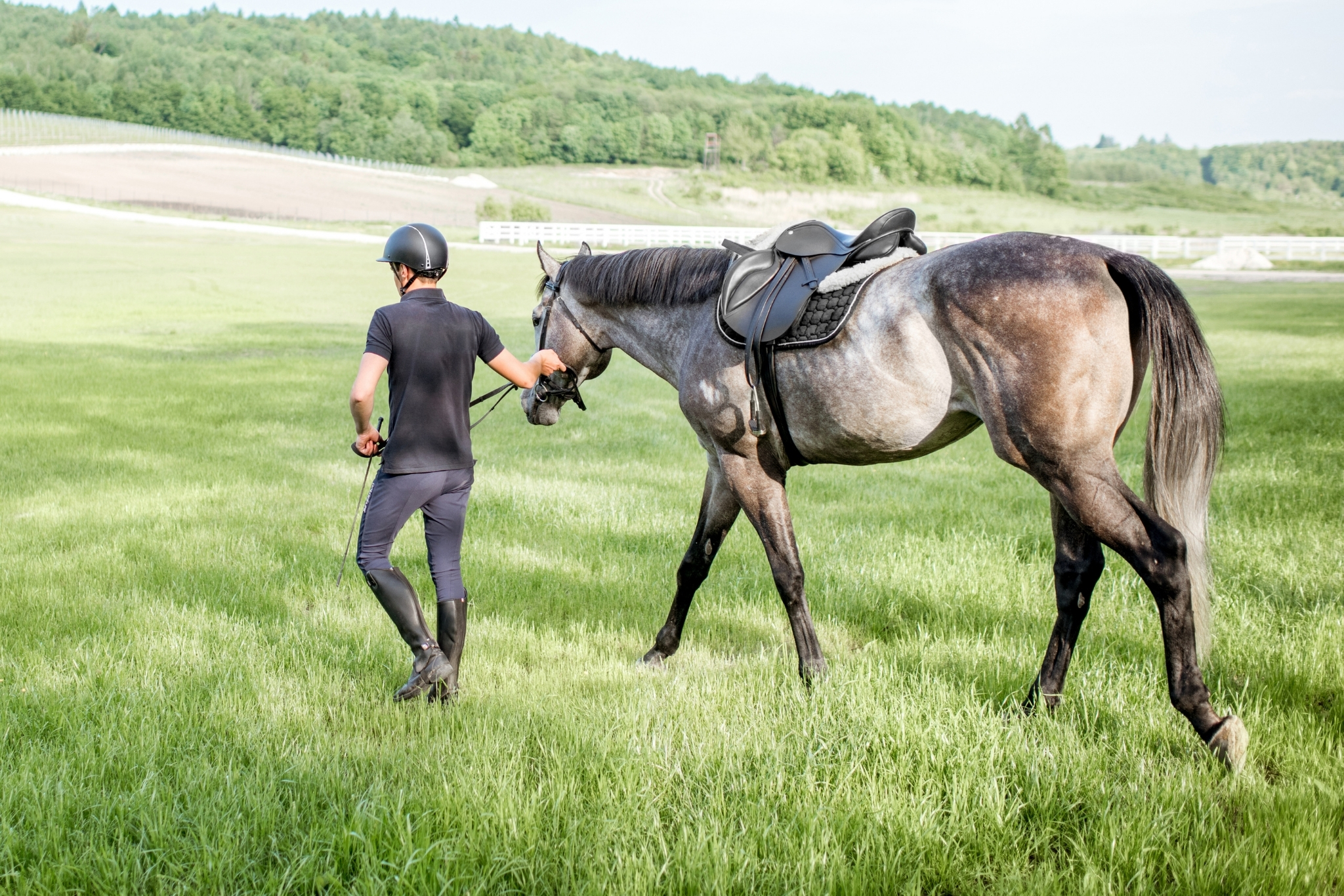
A horse that always leaves the barn or paddock with other horses doesn’t get many opportunities to develop confidence on their own. Regular one on one time away from the herd can help. Try activities like grooming, hand walking, groundwork, or eventually riding out alone, depending on your horse’s experience and comfort level.
Over time, the goal is for your horse to learn that they can feel safe and confident with you, rather than relying entirely on their herd mates.
4. Be Careful Not to Reinforce Anxious Behavior
It’s completely natural to want to rush back when your horse is calling, pacing, or becoming upset. But if returning immediately consistently follows those behaviors, your horse will learn that escalating gets them what they want.
When it’s safe to do so, try to wait for a brief moment of calm before returning or releasing them. That helps reinforce settling down rather than panicking.
5. Keep Routines Predictable
Horses do better when they know what to expect. Consistent feeding, turnout, and handling routines can help lower their overall stress level and make occasional separations easier to handle.
And whenever possible, avoid constantly changing herd groups, stalls, or daily routines.
6. Give Them Something to Do
Being left alone with nothing to focus on can make a horse fixate on the absence of their companions. Providing appropriate enrichment can help keep them occupied.
You can try giving your horse:
- Slow feeders or hay nets that encourage natural grazing behavior
- A stall mirror, which some horses find reassuring, although individual responses vary
- A turnout area where they can see other horses, even if they aren’t right beside them
- Safe toys or lick blocks for additional mental stimulation
7. Broaden Their Social Circle
If your horse is extremely attached to one particular buddy, gradually helping them become comfortable around other horses can make a big difference. Having several familiar companions instead of relying on one exclusive bond can make your horse more resilient when one horse is temporarily unavailable.
8. Get Professional Help When Needed
If separation anxiety involves dangerous behaviors such as rearing, violently pulling back, breaking through fences, or self-injury, don’t try to handle it alone. An experienced trainer or qualified equine behavior professional can help create a structured desensitization plan while keeping both you and your horse safe.
9. Talk to Your Veterinarian About Additional Support
For some horses, a veterinarian may recommend temporary calming support during particularly stressful situations, such as a difficult trailer trip or a major change in their herd. In more severe cases, a vet may also consider medication to help the horse through a specific transition while behavioral training is underway.
Any medication or supplement should be discussed with your veterinarian and should support—not replace—the underlying behavioral work.
Prevention Setting Your Horse Up for Success
Preventing separation anxiety is usually much easier than trying to fix it later. Owners and breeders can help set horses up for success by:
- Weaning gradually rather than making the transition abrupt, and keeping foals with a small group when possible.
- Giving young horses plenty of social experience by exposing them to different turnout groups and situations as they grow.
- Practicing short low pressure separations early on so being away from other horses becomes a normal part of life rather than something scary.
- Making turnout and social contact a daily priority, rather than treating them as optional extras.
- Introducing new horses thoughtfully, while also giving them time to settle in and form relationships with multiple horses instead of becoming overly dependent on a single companion.
The goal isn’t to stop horses from forming strong friendships — it’s to help them develop enough confidence that being apart from a particular horse doesn’t feel overwhelming.
When to Be Concerned
A little calling or mild pacing when a buddy leaves the barn is pretty normal horse behavior and usually isn’t something to worry about. But it’s time to bring in a professional if you notice:
- Self-injury, such as rubbed skin, cuts, or other injuries caused by panic
- Repeated rearing or flipping over, especially when they’re tied or separated
- Refusing to eat or drink for an extended period while alone
- Anxiety that keeps getting worse despite consistent management
- Any behavior that puts the horse or handler at risk of injury
When separation anxiety starts creating a safety issue or significantly affecting a horse’s health and well-being, getting professional help is the safest approach.
The Bottom Line
Separation anxiety is a natural part of being a herd animal, not a sign that your horse is “difficult” or that you’ve failed at training.
With patience, gradual desensitization, consistent routines, and attention to any underlying pain or health issues, most horses can learn to handle being separated from their companions and eventually feel more confident on their own.
For horses with more severe reactions, working with a veterinarian and an experienced trainer or equine behavior professional can make the process safer, more effective, and less stressful for everyone involved.