The Most Profitable Livestock for Beginners to Raise (And How to Actually Make Money at It)
Wondering which livestock actually pays off for new farmers? Compare rabbits, chickens, goats, pigs, and more by startup cost, time to profit, and demand.
- What “Profitable” Actually Means for a Beginner
- Meat Rabbits: The Fastest Path to Profit
- Laying Hens: Steady Reliable Cash Flow
- Goats: Meat, Milk, or Both
- Quail: The Underrated Small Space Option
- Pigs: Higher Investment, Higher Reward
- Bees: Not Livestock in the Traditional Sense, But Worth Mentioning
- How to Choose the Right Starting Point
- The Real Key to Profitability: Start Small and Scale Deliberately
Small scale livestock farming has exploded over the last few years, driven by everything from grocery prices to a genuine hunger for a more self sufficient lifestyle. But not all livestock are equally profitable, especially when you’re starting out with little or no experience.
Some animals can take years to become profitable, while others can start generating income within a single season. A lot comes down to the upfront cost, how quickly they reach market size, and how much time, labor, and infrastructure they require.
So let’s take a look at the livestock options that make the most sense for beginners, focusing on animals that are relatively easy to learn, don’t require a huge upfront investment, and offer a realistic chance to turn a profit.
What “Profitable” Actually Means for a Beginner
Before we get into specific animals, it helps to think about profitability a little differently when you’re just starting out. It’s not simply a matter of looking at the sale price and subtracting the feed bill.
There are a few other factors that can make a big difference, including:
- Startup costs: What will you need for housing, fencing, equipment, and your initial animals?
- Time to your first income: How long will it take before you have something you can actually sell?
- Feed efficiency: How well does the animal turn feed into meat, eggs, milk, or fiber?
- Mortality risk: How forgiving is the animal if you’re still learning?
- Access to a market: Can you realistically find buyers for what you’re producing in your area?
- Labor requirements: How much daily time and physical work will the animals require?
An animal might look inexpensive at first
But that can change quickly if it needs frequent veterinary care, requires expensive infrastructure, or produces something you have trouble selling locally.
1. Meat Rabbits The Fastest Path to Profit
Many people are surprised to learn that rabbits are considered one of the easiest ways to get started with livestock farming. A single doe can produce 4 to 6 litters a year, with around 6 to 10 kits per litter, and those kits can reach market weight in as little as 8 to 12 weeks. Compare that with cattle, which can take 18 to 24 months to reach finishing weight.
Why rabbits are a good choice for beginners:
- Low startup cost: You can get a basic hutch setup going for just a few hundred dollars.
- Don’t need much space: Rabbits can be raised even on smaller suburban or semi rural properties.
- Fast turnaround: Their quick reproduction and growth cycle means you can start seeing returns much sooner than with larger livestock.
- Efficient feeders: Rabbits have an excellent feed to meat conversion ratio compared with many traditional livestock options.
- Quiet and easy to manage: They’re relatively quiet, produce little odor, and are unlikely to cause noise complaints from the neighbors.
The catch:
The biggest challenge is probably the market. Rabbit meat is still pretty niche in the USA compared with Europe, so you’ll want to line up potential buyers before you start producing at scale. Ethnic markets, farmers markets, and specialty restaurants can be good places to look.
Don’t skimp on breeding stock. Buying cheap poorly bred rabbits can end up costing you more in the long run through smaller litters, slower growth, and lower quality offspring.
Overall rabbits can be a great entry point if you want to start small, keep your costs manageable, and learn the basics of livestock farming without jumping straight into something as expensive and demanding as cattle.
2. Laying Hens Steady Reliable Cash Flow
Chickens are probably the most classic choice for beginner livestock. A small backyard flock isn’t going to make you rich, but a well managed group of 25 to 50 laying hens can bring in a surprisingly steady side income from selling fresh eggs.
Why chickens are a good choice for beginners:
- Very beginner friendly: Chickens are pretty hardy, easy to care for, and relatively easy to monitor when something seems off.
- Low cost per bird: Compared with larger livestock, getting started with chickens is relatively inexpensive.
- Steady production: Once your hens reach maturity, you can expect eggs on a regular near daily basis.
- Strong local demand: Pasture raised and free range eggs can attract loyal customers and often sell at a premium.
- Extra income from manure: Properly composted chicken manure can also be useful as a garden amendment and potentially become another small revenue stream.
The catch:
The big thing to understand is that egg production doesn’t necessarily increase your profits dollar for dollar as your flock gets bigger. Feed, housing, fencing, and other costs add up quickly.
Predators are another major concern. Hawks, raccoons, foxes, and other predators can wipe out a flock surprisingly fast, especially when you’re just getting started. A secure coop and good fencing aren’t optional upgrades—they’re essential if you want to protect your birds and actually make money.
With good management and a reliable customer base, a flock of laying hens can be one of the simplest ways to dip your toes into livestock farming and build a small recurring farm income.
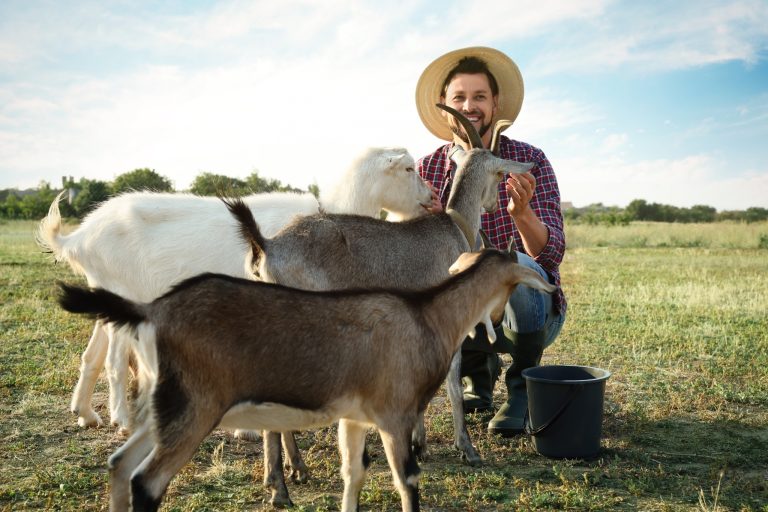
3. Goats Meat, Milk, or Both
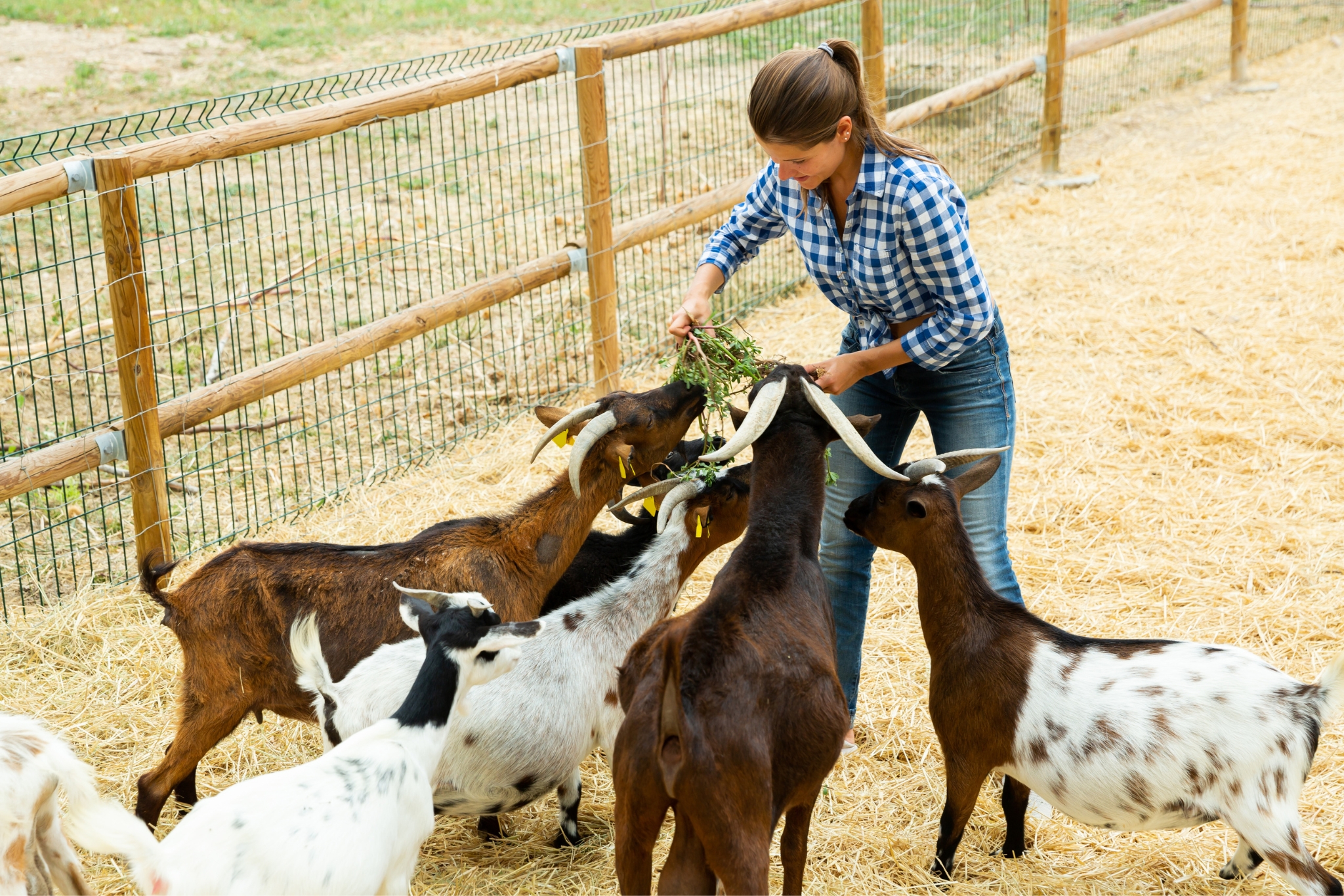
Goats have become a popular choice for small acreage farmers because they’re incredibly versatile. Meat breeds like Boer and Kiko goats grow relatively quickly and are easier to manage than cattle, while dairy breeds like Nigerian Dwarf and Nubian goats can provide milk for cheese, soap, and, in states where it’s legal, direct sales.
Why goats are a good choice for beginners:
- Easier to handle: Goats are smaller and easier to manage physically than large cattle.
- Great at clearing land: They love browsing on brush, weeds, and plants that other livestock tend to ignore. That can even turn into a side business if you offer goat based land clearing services.
- Strong meat demand: Goat meat has a strong market in many immigrant and cultural communities, and local supply doesn’t always keep up with demand.
- Lots of ways to make money: Dairy goats open the door to value added products like cheese and handmade soap, giving you more options than simply selling the animals or their milk.
The catch:
Fencing is probably the biggest headache for new goat owners. Goats are notorious escape artists, and if there’s a weak spot in your fence, they’ll find it. Spending a little more on good fencing upfront can save you a lot of frustration and money later.
Parasite management is another thing you’ll need to stay on top of. Goats typically require more attention in this area compared to chickens and rabbits, so regular monitoring and good pasture management are important.
Overall, goats are a great option if you want livestock that can provide multiple income opportunities while also helping you make better use of your land.
4. Quail The Underrated Small-Space Option
Coturnix quail don’t get nearly as much attention as they should when people talk about beginner livestock, but they’re definitely worth considering. They can start laying eggs at just 6 to 8 weeks old (compared with roughly 18 to 20 weeks for chickens) and they take up very little space. You can even raise them in a garage, spare shed, or suitable urban backyard setup.
Why quail are a good choice for beginners:
- Super compact: You can raise dozens of quail in the amount of space it takes to keep just a few chickens.
- Fast turnaround: They mature quickly, giving you a relatively fast path to both egg and meat production.
- Quiet: They’re more quieter than chickens (especially roosters) which makes them a good option for places where noisy livestock isn’t allowed.
- Niche market: Quail eggs have growing appeal among specialty food buyers, chefs, and restaurants, where they can command a premium.
The catch:
The biggest challenge is the market. Quail eggs are more of a specialty product, so you can’t necessarily count on people showing up looking to buy them. You’ll likely need to build relationships with local chefs, specialty grocery stores, or direct customers.
A smaller market can actually work in your favor if you find the right buyers. With a reliable customer base, quail can be a surprisingly efficient way to produce eggs and meat without needing much land or infrastructure.
5. Pigs Higher Investment, Higher Reward
Pigs require a bit more infrastructure and upfront investment than the animals we’ve covered so far, but they can also be one of the more profitable options once you’ve gained some experience. A single feeder pig can go from weaning to market weight in roughly 5 to 6 months, and there can be good money in selling the pork directly to consumers rather than going through a commodity buyer.
Why pigs are worth considering for beginners:
- Good meat yield: You can get a lot of meat from each animal relative to what you spend on the pig and its feed.
- Strong customer demand: Pasture raised and heritage breed pork can attract buyers who are willing to pay a premium for locally raised meat.
- Don’t need huge amounts of land: Pigs can be raised on a fraction of the acreage required for cattle.
The catch:
Pigs aren’t exactly low maintenance when it comes to infrastructure. They need sturdy fencing and adequate shelter, and they’re surprisingly good at finding weaknesses in both.
Feed is another major expense. If you’re not sourcing feed efficiently, it can quickly eat into your profit margins. Some farmers reduce costs by supplementing with appropriate food scraps or spent brewery grain where permitted and handled safely.
You’ll also want to think about processing before you buy your first piglet. Some local butchers can have limited availability, especially during busy seasons, so finding a processor and getting on their schedule ahead of time can save you a major headache later.
Pigs can be a great step up once you’re comfortable with smaller livestock, especially if you already have a market for the finished pork.
6. Bees Not Livestock in the Traditional Sense, But Worth Mentioning
If you’re open to something a little outside the traditional livestock category, beekeeping is definitely worth considering. A couple of healthy hives can produce enough honey to sell locally, and pollination services can provide an additional income stream that’s easy to overlook, especially if you’re located near orchards or produce farms.
Why bees are a good choice for beginners:
- Low daily workload: Once your hives are established and healthy, they don’t require constant hands-on care.
- Very little space needed: You don’t need a large property to keep bees.
- Multiple products to sell: Honey, beeswax, and pollen can all have retail value.
- Strong local appeal: Consumers often prefer locally produced raw honey and may be willing to pay a premium for it.
The catch:
Beekeeping has a steep learning curve, just in a different way from raising animals. You’ll need to learn about colony health, mite and pest management, seasonal hive maintenance, and how to recognize problems before they become serious.
Losing a hive to disease, pests, poor management, or a harsh winter is also a common setback for new beekeepers. But the good news is that with some education, hands-on experience, and regular hive inspections, you can dramatically improve your chances of keeping colonies healthy.
For someone who wants a farm income stream without needing much land or daily labor, bees can be an excellent addition.
How to Choose the Right Starting Point
Rather than choosing livestock based on profit potential alone, it makes more sense to look at what actually fits your property, budget, and experience level.
- Working with limited space or suburban zoning? Rabbits or quail are probably your best options.
- Want the easiest learning curve? Laying hens are tough to beat for beginners.
- Have a few acres and want animals that can also help manage the land? Goats are worth a serious look.
- Ready to put more money into the setup for a bigger return per animal? Pigs can make sense once you’ve got some hands-on experience.
- Looking for a lower labor income stream? Beekeeping could be a great fit.
The best livestock isn’t necessarily the animal with the highest potential profit.
It’s the one that fits your land, your time, your budget, and the market you have access to.
The Real Key to Profitability Start Small and Scale Deliberately
The biggest mistake beginners make usually isn’t choosing the wrong animal… it’s scaling up too quickly. Before you add more animals, make sure you understand your local market, how much your land can realistically support, and how much time you actually have to devote to the operation.
Start Small.
Keep track of your actual costs, rather than relying on estimates, and figure out who your buyers are before you end up with more animals (or more products) than you can sell.
At the end of the day, profitable livestock farming isn’t about finding the single “best” animal. It’s about finding the right match between your land, your market, your budget, and your available time.
Get that combination right, and even a small operation can grow into a genuinely sustainable source of income.