Can You Travel With a Chinchilla? Here’s What Vets Recommend
Planning a trip with your chinchilla? Get expert tips on choosing a travel carrier, managing heat risk, and avoiding travel stress in pet chinchillas.
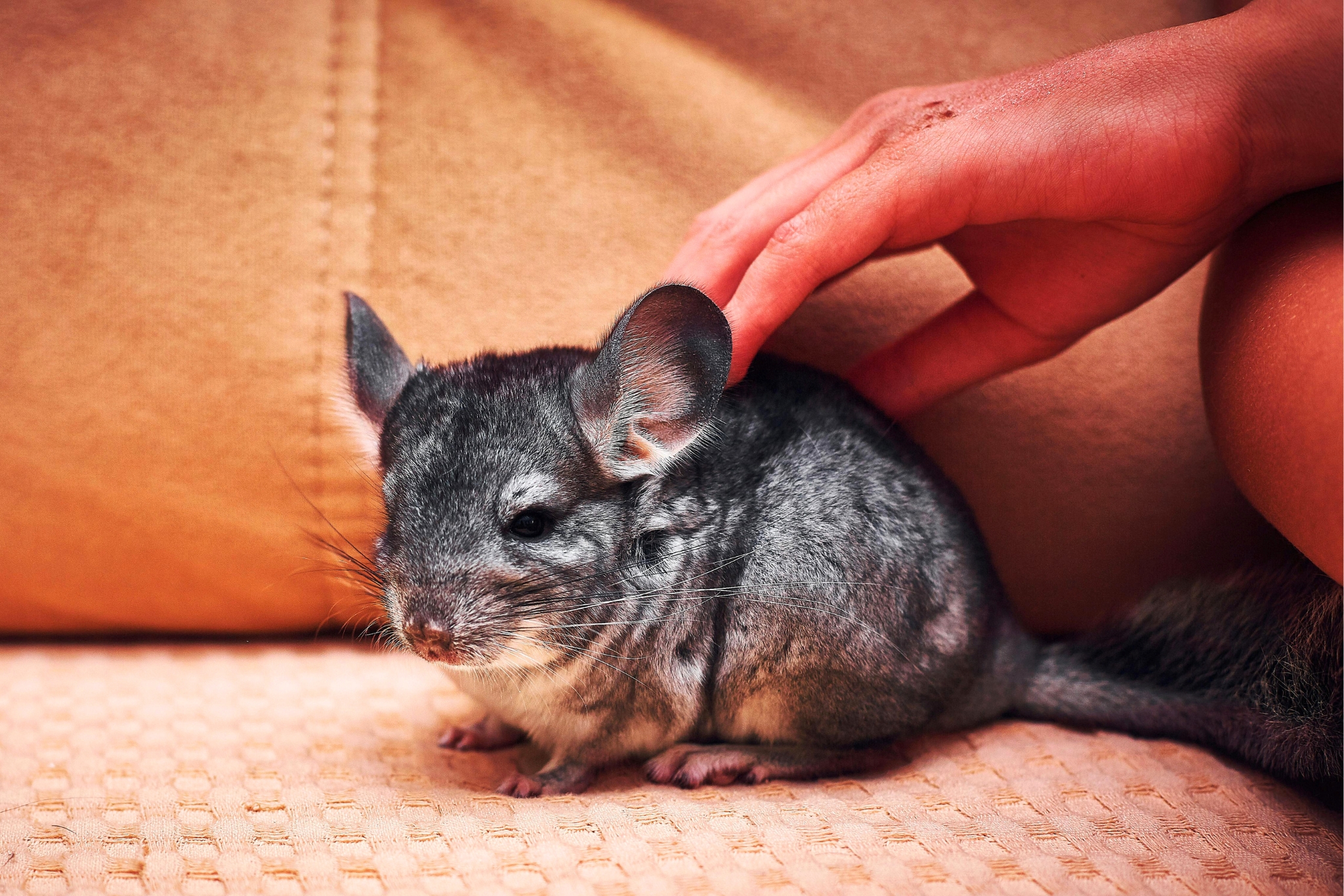
Traveling with a chinchilla isn’t something you want to do on a whim—since they’re sensitive to heat, loud noises, and changes in their routine, even a short trip requires some planning.
Whether you’re heading to the vet, moving to a new home, preparing for an emergency, or taking an extended trip, this article covers everything you need to help your chinchilla travel as safely and comfortably as possible.
Why Chinchilla Travel Is Different From Other Small Pets
Life in the cool, dry Andes Mountains shaped how chinchillas handle the world today. Unlike many other pets, they aren’t built for warm temperatures, changing environments, or long hours on the road—which is why a little extra preparation can make all the difference when you travel together.
1. They overheat easily.
Chinchillas are extremely sensitive to heat and can develop life threatening heatstroke at temperatures that feel comfortable to people or other pets.
Once temperatures climb above about 75°F (24°C)—especially if it’s humid—the risk increases quickly.
2. Their thick fur traps heat.
With around 60 hairs growing from each follicle, chinchillas have one of the densest coats of any land mammal. It’s perfect for cold mountain climates they naturally come from, but it also makes it very difficult for them to cool themselves during travel.
3. Stress affects their health.
Loud noises, unfamiliar places, and changes to their routine can be more than just unsettling. Stress can contribute to digestive problems, including GI stasis, a condition where the digestive system slows or stops and requires prompt veterinary care.
4. Their digestive system depends on routine.
Chinchillas need constant access to hay and a consistent, high fiber diet to keep their digestive tract working properly. Skipping meals or disrupting their normal feeding schedule during a trip can increase the risk of illness afterward.
Before You Go Pre-Travel Preparation
The easiest way to make travel less stressful for your chinchilla is to prepare ahead of time. A few simple steps before you leave can help keep them comfortable, reduce stress, and prevent common travel related health problems.
1. Schedule a Pre-Trip Vet Visit
If you’re traveling farther than a quick trip across town—especially if you’re flying or crossing state lines—schedule a wellness exam with an exotic animal veterinarian.
Your vet can make sure your chinchilla is healthy enough to travel, provide a health certificate if needed, and catch any issues before the stress of travel makes them worse.
2. Choose the Right Carrier
A sturdy, well-designed carrier is one of the most important pieces of travel gear. Look for one that’s:
- Hard sided for better protection (avoid soft mesh carriers, which chinchillas can chew through)
- Well-ventilated with airflow on multiple sides
- Securely latched to prevent escape
- The right size—large enough for your chinchilla to turn around and lie down comfortably, but cozy enough for them to feel safe
Pro Tip
Line the carrier with soft, pet-safe bedding (never cedar or pine) and add something that smells like home, such as a favorite fleece blanket or a piece from their hideout. Familiar scents can go a long way toward helping your chinchilla feel more secure.
3. Help Your Chinchilla Get Used to the Carrier
Travel day shouldn’t be the first time your chinchilla sees the carrier. About a week or two beforehand, leave it out with treats or hay inside so they can explore it at their own pace.
Once they’re comfortable, try a few short practice drives to help them get used to the motion and sounds of traveling.
4. Pack a Chinchilla Travel Kit
Having everything in one place makes travel much easier and helps you stick to your chinchilla’s normal routine. Be sure to pack:
- Timothy hay (the same brand they normally eat)
- Their regular pellets and favorite treats
- A travel water bottle, plus bottled water if your destination’s tap water is different
- Dust bath powder and a small dust bath container
- A favorite chew toy or untreated wood block
- A lightweight towel or blanket to partially cover the carrier if needed
- Any medications they take
- Copies of veterinary records and any required health certificates
Traveling by Car With a Chinchilla
For most chinchillas, traveling by car is the safest and easiest option because you have the most control over the environment. A little planning can make the trip much more comfortable and reduce unnecessary stress.
1. Keep the car cool.
Temperature is the biggest concern when traveling with a chinchilla.
Run the air conditioning and aim to keep the cabin between 60°F to 68°F (15°C to 20°C).
Keep the carrier out of direct sunlight, and never leave your chinchilla alone in a parked car—even for a few minutes! Temperatures inside a vehicle can rise to dangerous levels very quickly, even with the windows cracked.
2. Secure the carrier.
A secure carrier helps your chinchilla feel safer and reduces the risk of injury. Place the carrier on the floor behind a seat or buckle it in with a seat belt so it stays stable during turns and sudden stops.
3. Keep the ride as calm as possible.
Drive smoothly, keep the music at a low volume, and avoid unnecessary loud noises. If you have a choice, smoother roads are usually more comfortable than rough or bumpy routes.
4. Stick to their normal routine.
Your chinchilla should always have access to timothy hay during any trips. And wait until you’re safely parked to check their water bottle, offer treats, or handle them rather than trying to do it while the car is moving.
5. Take breaks on longer trips.
If you’ll be on the road for several hours, stop periodically to make sure the carrier is still cool, the water bottle is working properly, and your chinchilla appears comfortable and alert.
Unless you’re in a secure, enclosed area, keep the carrier closed during these checks to prevent an accidental escape.
Flying With a Chinchilla
Flying with a chinchilla is much more challenging than traveling by car and should only be considered if it’s truly necessary.
Because chinchillas are so sensitive to heat, stress, and changes in their environment, air travel carries additional risks:
1. Avoid cargo travel whenever possible.
Chinchillas should not travel in an airplane’s cargo hold. Temperature fluctuations, handling, and the overall stress of cargo transport can be dangerous for small exotic pets, and many exotic animal veterinarians recommend avoiding this option altogether.
2. Check the airline’s pet policy before you book.
Every airline has different rules, and many don’t allow chinchillas in the cabin, even if they permit other small pets.
Always call the airline directly to confirm that chinchillas are allowed and to find out what documentation or carrier requirements apply.
If your chinchilla is approved to fly in the cabin:
- Use an airline approved carrier that fits under the seat in front of you.
- Book a nonstop flight whenever possible to reduce travel time and avoid the stress of layovers.
- Choose flights during the coolest parts of the day, especially in summer.
- Avoid itineraries with long layovers or connections in very hot climates, where time on the tarmac could expose your chinchilla to unsafe temperatures.
Consider Other Options First
If you’re traveling a long distance, driving is often the safer choice.
Depending on your situation, you might also consider a pet transportation service that specializes in exotic animals or arrange for a trusted friend, family member, or pet sitter to care for your chinchilla at home until you return.
Overnight Stays and Hotels
If your trip includes an overnight stop, try to keep your chinchilla’s routine as close to normal as possible. A familiar, quiet environment can go a long way toward reducing stress.
1. Choose accommodations carefully.
Book pet-friendly lodging ahead of time, but don’t assume “pet-friendly” includes exotic pets. Many hotels and rentals only allow cats and dogs, so it’s worth confirming that your chinchilla is welcome before you arrive.
2. Set up a quiet space.
Once you get to your room, place the carrier or travel enclosure in a calm area away from direct sunlight, air conditioning vents, televisions, and heavy foot traffic.
The goal is to create a peaceful spot where your chinchilla can rest.
3. Stick to their normal routine.
Feed your chinchilla at their usual times, keep fresh hay available, and maintain a similar light and dark schedule whenever possible. Familiar routines help reduce stress in a new environment.
4. Offer a dust bath if needed.
If your chinchilla seems anxious after the trip, a short dust bath can provide both comfort and a sense of normalcy.
Bring a small travel sized dust bath container so you can offer one safely during your stay.
5. Limit extra stress.
Keep curious people and other pets away from the carrier or enclosure. Giving your chinchilla a quiet place to settle in will help them feel more secure until it’s time to travel again.
Signs of Travel Stress or Illness to Watch For
Keep a close eye on your chinchilla during the trip and for the first day or two after you arrive. Even if the journey seemed to go smoothly, travel can be stressful, and health problems can develop quickly.
Contact a Vet Immediately If You Notice
- Refusing to eat or drink for more than a few hours
- Lethargy or unusual hiding
- Diarrhea or little to no droppings
- Labored or open-mouth breathing
- Excessive fur slipping (a stress response where patches of fur come out easily)
- Drooling or a wet chin, which can be a sign of dental problems or overheating
Because chinchillas can deteriorate rapidly once they become ill, it’s always better to seek veterinary care sooner rather than wait and see if they improve on their own.
Should You Travel With Your Chinchilla At All?
For short necessary trips—like vet appointments, moving to a new home, or emergency evacuations—traveling with your chinchilla is usually the best option (as long as you’ve prepared properly).
But for longer vacations, it’s worth asking whether your chinchilla really needs to come along.
If you can’t provide a consistently cool, quiet, low stress environment at your destination, staying home is often the safer and more comfortable choice.
If you decide to leave your chinchilla behind, look for a pet sitter who has experience caring for chinchillas or other exotic small mammals. Leave detailed written care instructions, make sure they know your chinchilla’s normal routine, and provide your exotic animal veterinarian’s contact information in case an emergency comes up while you’re away.
Final Takeaways
Traveling with a chinchilla is possible, but it requires more preparation than traveling with many other small pets.
The most important things you can do are keep temperatures under control, reduce stress with familiar items and carrier practice, and maintain their normal feeding and hydration routine as much as possible.
Before you leave, make sure you know the signs of overheating, digestive problems, and stress so you can respond quickly if something seems off.
With careful planning and the right setup, you can help your chinchilla stay safe, comfortable, and calm—whether you’re making a quick trip to the vet or traveling across the country.
Have questions about a specific trip or destination? A quick call to your veterinarian before departure is always worth it — they can flag any health concerns specific to your chinchilla’s age, weight, or medical history.