
What Nuts Can Parrots Eat? Safe Choices and Dangerous Ones Explained
Wondering what nuts your parrot can eat? We break down the safest choices, dangerous ones to avoid, and expert feeding tips.
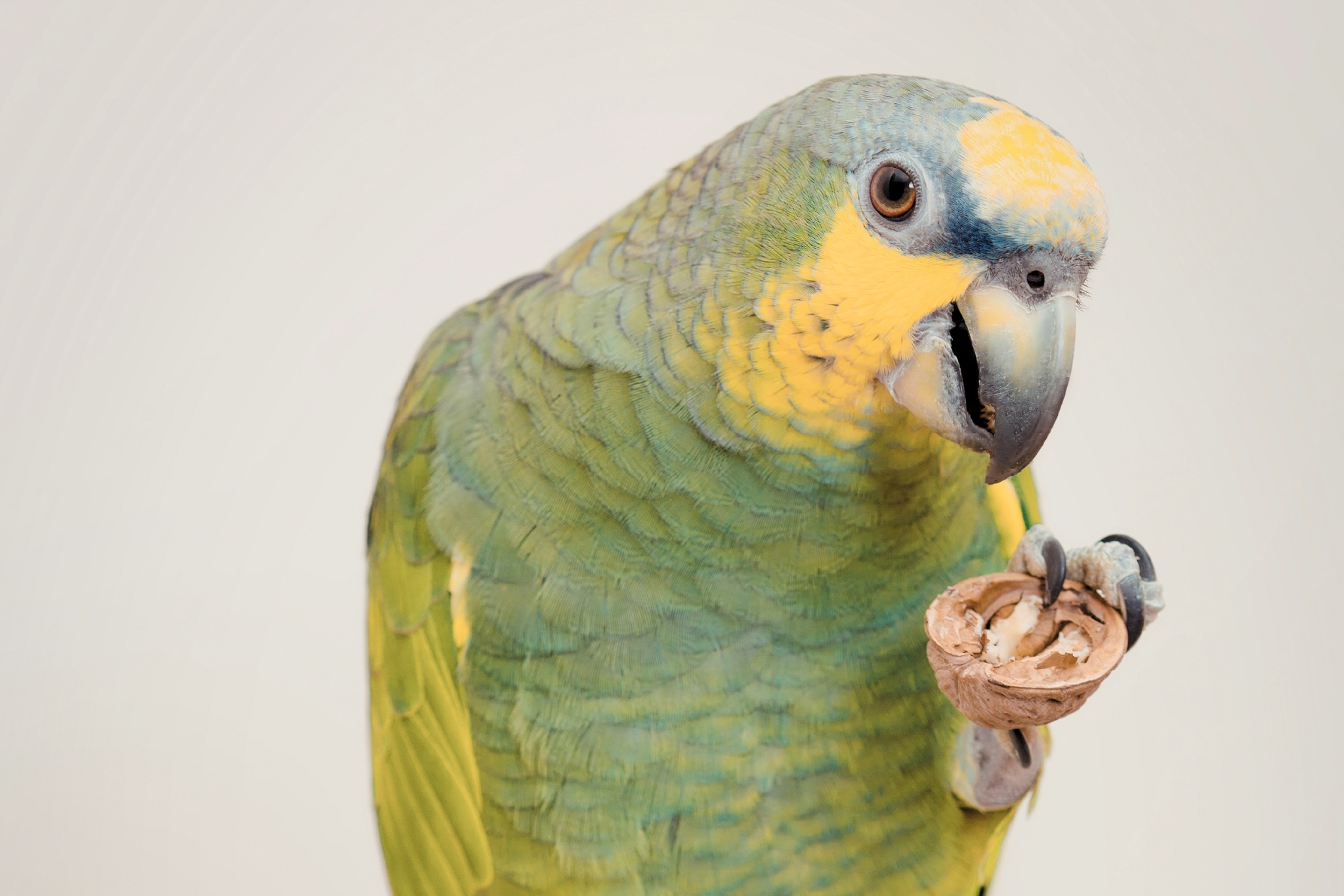
If you’re a parrot owner, you already know how much these clever, curious birds enjoy cracking open a good nut. It’s one of their favorite little rituals—and honestly, it’s pretty adorable to watch.
But not all nuts are created equal when it comes to your feathered friend’s health. Some are packed with nutrients that support brain function, vibrant feathers, and a strong immune system, while others can be harmful or even dangerous.
Choosing the right nuts and feeding them safely makes all the difference in keeping your parrot happy and healthy.
Why Nuts Are Beneficial for Parrots
Nuts are actually a natural favorite for many parrots in the wild. Up in the forest canopy, birds like macaws and cockatoos spend plenty of time foraging for seeds and nuts, so it’s a pretty instinctive (and satisfying) choice for them.
When offered in moderation, nuts bring some great benefits to the table:
- Healthy fats: support glossy feathers, healthy skin, and strong brain function
- Protein: helps with muscle maintenance and overall body repair
- Vitamins and minerals: including vitamin E, magnesium, zinc, and B vitamins
- Mental enrichment: cracking shells keeps them engaged and taps into their natural foraging instincts
With that said, nuts are definitely on the rich side—and a little goes a long way, so they should make up just about 10% to 15% of your parrot’s diet, with the rest coming from fresh veggies, high quality pellets, and the occasional fruit treat.
The Healthiest Nuts for Parrots
So, which nuts actually make a smart (and tasty) choice for your parrot? Thankfully you’ve got more options than you might think. From vitamin E rich almonds to omega-3 packed walnuts, plenty of nuts can support your bird’s health—as long as you’re serving them simply and in moderation.
1. Almonds
Almonds are a standout pick. They’re loaded with vitamin E, calcium, and magnesium—which is great for strong bones, healthy feathers, and overall immunity. Keep them plain (no salt, seasoning, or oils), and if you can, offer them in the shell for a fun little foraging challenge—perfect for larger parrots.
2. Walnuts
Walnuts are packed with omega-3 fatty acids, which are excellent for reducing inflammation and supporting cognitive health—which is especially important for highly intelligent species like African Greys and Amazon parrots. Offer walnut halves or quarters in moderation, as they are high in fat.
3. Pecans
Pecans offer a good dose of healthy monounsaturated fats, antioxidants, and manganese. They’re generally well tolerated by most parrot species and are a great occasional treat. As with all nuts, remember to go for unsalted and not roasted varieties.
4. Pistachios
Pistachios are a favorite among many parrots and are a reasonable source of protein, fiber, and B vitamins. The key word here is unsalted—the heavily salted pistachios sold as snack foods for humans are dangerous for birds due to their sodium content—but plain raw pistachios are a perfectly fine treat in small amounts.
5. Brazil Nuts
Brazil nuts are one of the richest food sources of selenium, a trace mineral that plays a critical role in thyroid function and antioxidant defense. They’re also high in fat, so limit them to 1 or 2 pieces per week. Their large size makes them particularly appealing to bigger parrot species like hyacinth macaws and large cockatoos.
6. Cashews
Cashews are safe for parrots when they’re offered raw and unsalted. They’re soft and easy to eat, making them suitable for smaller parrot species. They provide a good source of healthy fats, magnesium, and zinc, supporting bone health and immune function. Just make they are plain with no added salt, seasoning, or coating of any kind.
7. Hazelnuts
Hazelnuts are a nutritious choice rich in vitamin E, copper, and manganese. Their small manageable size makes them great for medium sized parrots like conures, caiques, and Eclectus parrots. Offer them with the shell on for enrichment or shelled as a straightforward treat.
8. Pine Nuts (Pignoli)
These small soft nuts are ideal for smaller parrot species such as budgies, lovebirds, and parrotlets. Pine nuts are calorie dense but loaded with zinc and magnesium. Because of their tiny size, they’re easy to incorporate into foraging toys or sprinkle over fresh food.
Nuts to Feed With Caution
A small number of nuts are safe for parrots in theory but they can carry real risks in practice. These aren’t treats you can grab off a supermarket shelf without a second thought—quality, sourcing, and moderation all matter significantly here.
Peanuts
Peanuts are technically legumes rather than tree nuts, but they’re commonly grouped with nuts in parrot feeding discussions. The concern with peanuts is not toxicity per se, but the risk of aflatoxin contamination—a mold derived toxin that can cause serious liver damage in birds.
If you feed peanuts, only purchase human grade aflatoxin tested peanuts from reputable bird supply brands, and offer them in strict moderation.
Avoid peanuts in the shell, since the shells are more prone to harboring mold. Many avian vets recommend avoiding peanuts altogether and substituting almonds or walnuts instead.
Nuts That Are Toxic and Must Be Avoided
Some nuts have no place in a parrot’s diet—no amount is considered safe, and no preparation method makes them acceptable. If you remember nothing else from this guide, remember these:
Salted or Flavored Nuts (Always Avoid!)
This applies across all nut varieties—because salt is highly dangerous for parrots. Their kidneys are not equipped to process significant sodium loads and even moderate amounts can lead to excessive thirst, kidney damage, high blood pressure, and death.
Flavored nuts—including honey roasted, chili dusted, garlic seasoned, or chocolate covered varieties—contain additional ingredients that range from harmful to fatal for birds.
Always read labels before offering any nut to your parrot!
How to Safely Introduce Nuts Into Your Parrot’s Diet
- Start small: If your parrot has never eaten a particular nut before, introduce it gradually and monitor for any signs of digestive upset or allergic reaction—though true nut allergies in parrots are rare.
- Watch portion sizes: As a general rule, 1 to 2 small nuts per day for a large parrot (macaw, cockatoo, African Grey) and 1 small nut every other day for medium species (conures, caiques, Eclectus) is a reasonable guideline. Adjust based on your bird’s overall diet and body condition.
- Always choose raw nuts: Avoid nuts that have been cooked in oil. The additional fat load and potential presence of harmful additives makes oil roasted nuts a poor choice.
- Use nuts for enrichment: Offering nuts inside foraging toys, inside rolled-up paper, or tucked into puzzle feeders engages your parrot’s natural problem solving instincts and provides mental stimulation alongside nutrition.
- Consult your avian vet: Every parrot is different. Species, age, activity level, and health status all influence appropriate dietary choices. Your avian veterinarian is the best resource for tailoring a diet plan specific to your bird.
Parrot Nut Safety at a Glance Quick Reference
✅ Safe in Moderation:
- Almonds
- Walnuts
- Pecans
- Pistachios
- Brazil nuts
- Cashews
- Hazelnuts
- Pine nuts
⚠️ Use Caution:
- Peanuts (aflatoxin risk—use human grade only, or avoided them altogether)
🚨 Never Feed:
- Salted nuts
- Flavored or seasoned nuts
- Chocolate covered nuts
Final Thoughts on Healthy Nuts
Nuts can be such a fun, enriching addition to your parrot’s diet when you choose them thoughtfully and serve them in the right amounts.
The basics are easy to keep in mind: stick with unsalted, mix things up for variety, and think of nuts as a little bonus—not the main course.
With just a bit of care at feeding time, you can turn every nutty treat into something that’s both delicious and genuinely good for your parrot.
Remember to always consult with an avian veterinarian before making significant changes to your parrot’s diet.


