This post contains affiliate links. If you make a purchase through one of these links, we may earn a small commission at no extra cost to you.
What to Feed Your Chickens for the Freshest, Healthiest, Tastiest Eggs
Why do farm eggs taste better? It starts with what your hens eat.
Here’s the exact feed routine for vibrant yolks and strong shells.
- Why Feed Matters So Much for Egg Quality
- The Core of a Great Diet: A Quality Layer Feed
- Choosing the Right Form: Pellets, Crumbles, or Mash
- Calcium: The Non-Negotiable for Strong Shells
- Grit: The Overlooked Digestion Helper
- Protein Boosts: Why Bugs and Mealworms Matter
- Greens, Scraps, and the “Golden Yolk” Effect
- Water: The Ingredient Everyone Forgets
- A Simple Weekly Framework
- The Bottom Line
If you’ve ever cracked open a farm fresh egg next to a supermarket egg, you’ve probably noticed the difference right away. That deep orange yolk, the way it stands tall in the pan instead of spreading out, and the richer flavor aren’t just in your head… and lot of that comes down to what the hens are eating.
What your hens eat eventually makes its way to your breakfast plate, so their diet really does matter. If you’re looking for better eggs, you don’t need to buy a fancy breed or add another gadget to your coop. A simple and practical place to start is with what’s going into their feed.
And feeding chickens well doesn’t have to be complicated. Once you understand what their bodies need and how their diet affects the eggs they lay, it starts to make a lot more sense.
Why Feed Matters So Much for Egg Quality
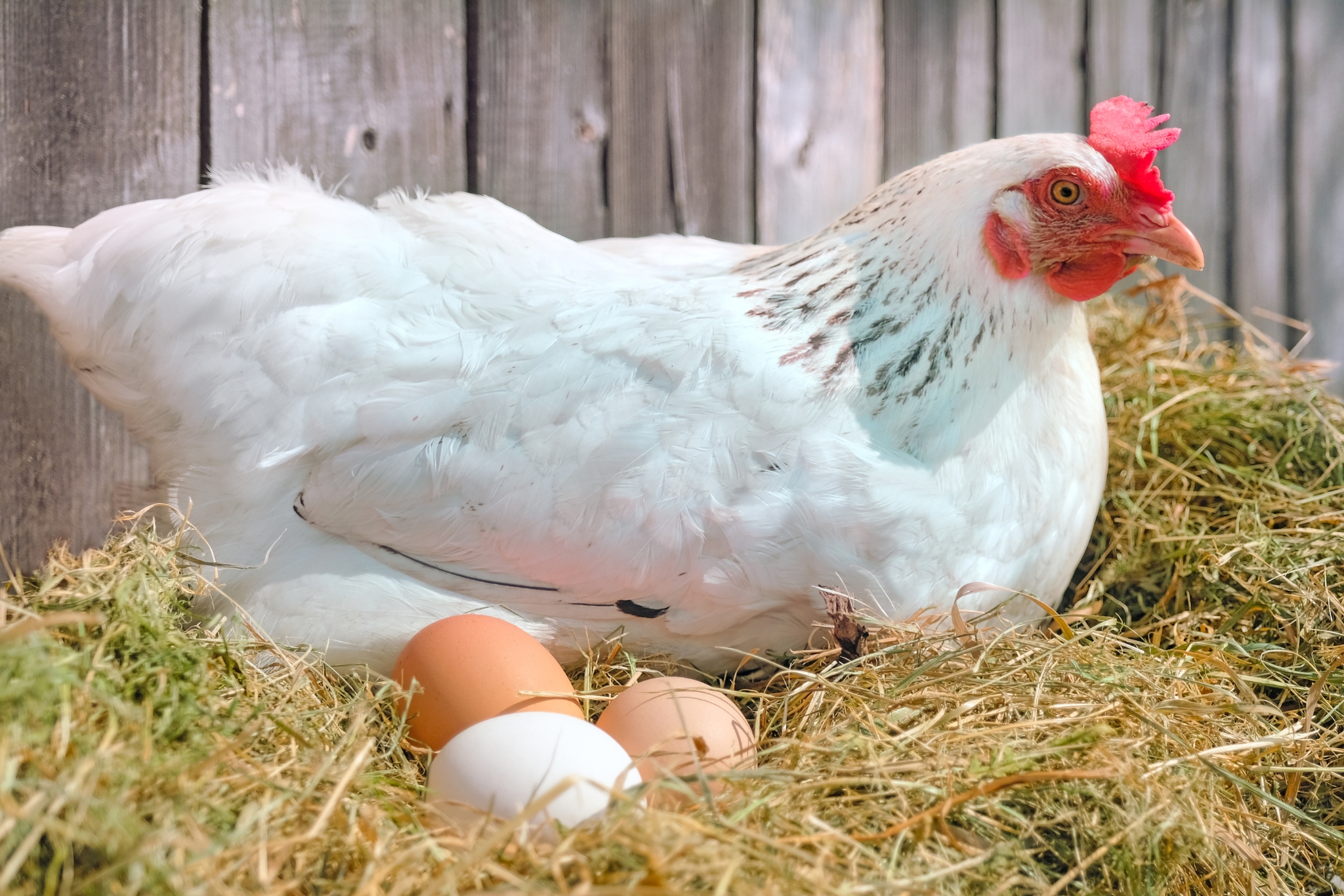
A laying hen is basically a little egg making machine—and to make an egg, she needs a steady supply of protein for the egg white, calcium for the shell, and a mix of vitamins, minerals, and healthy fats to build the yolk. When her diet is missing some of those basics (or the nutrients aren’t very good) she doesn’t necessarily stop laying. Instead, she starts using up her own reserves to keep things going.
Over time, you might start to notice thinner shells, paler yolks, or hens that seem a little tired and run down even though they’re still laying.
That’s why what you feed your hens makes such a noticeable difference in their eggs, from the flavor to the color of the yolk. That rich yellow or orange color comes from carotenoids, natural pigments found in foods like marigold petals, leafy greens, corn, and even some commercial feed additives.
Give your hens a poor nutrient deficient diet and you may end up with pale watery looking eggs.
Give them a well rounded diet with plenty of greens, quality grains, and the right amount of protein, and you’re much more likely to get those rich golden orange yolks backyard chicken keepers love.
The Core of a Great Diet A Quality Layer Feed
Everything else you give your hens—including treats, kitchen scraps, time out free ranging—should be extra, and the foundation should always be a good complete layer feed. If you want to improve egg quality, this is probably the biggest thing you can control, and it matters a lot more than any single treat or supplement.
So, what should you look for when you’re standing in the feed aisle? Check the bag for these basics:
Laying hens need plenty of protein because they’re putting a lot of it into every egg. Feeds with less than 16% protein may lead to fewer or smaller eggs over time.
Calcium is what gives eggs their strong shells. If a hen isn’t getting enough from her diet, she’ll start pulling calcium from her own bones, which isn’t good for her health (or the shells).
Look for nutrients like vitamin D3, which helps hens absorb calcium, along with vitamin E, B vitamins, and trace minerals such as manganese and zinc for healthy shells and yolks.
Look for whole grains and other quality nutrient sources. You want real nutrition, not a feed leaning on fillers or low value by-products.
Buy only what your flock can eat within 4 to 6 weeks, then store it cool, dry, and sealed in a rodent proof container to keep it fresh and nutritious.
A Feed Worth Considering
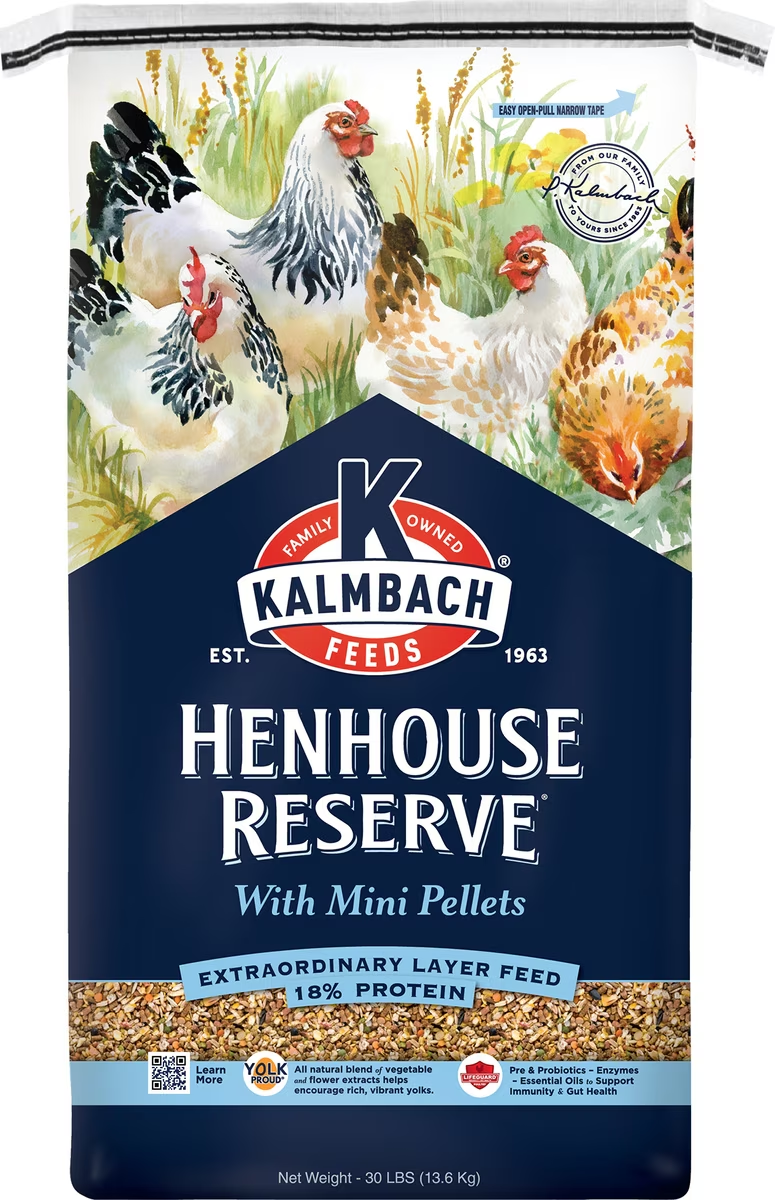
If you’re shopping for a layer feed and want one that consistently checks every box above, Kalmbach Feeds All Natural Henhouse Reserve Premium Layer Chicken Feed is a standout option. This 17% to 18% protein textured feed built around real whole grains and vegetables rather than fillers, with prebiotics, probiotics, and essential oils folded in to support digestive and immune health, plus the vitamins, minerals, and amino acids laying hens need for strong shells and vibrant yolks.
It’s consistently one of the highest rated layer feeds, with keepers reporting shinier feathers, sturdier shells, and eggs with noticeably richer color. For anyone building their flock’s diet around a genuinely high quality base feed, this is a smart place to start.
Prefer Certified Organic? Try This Instead
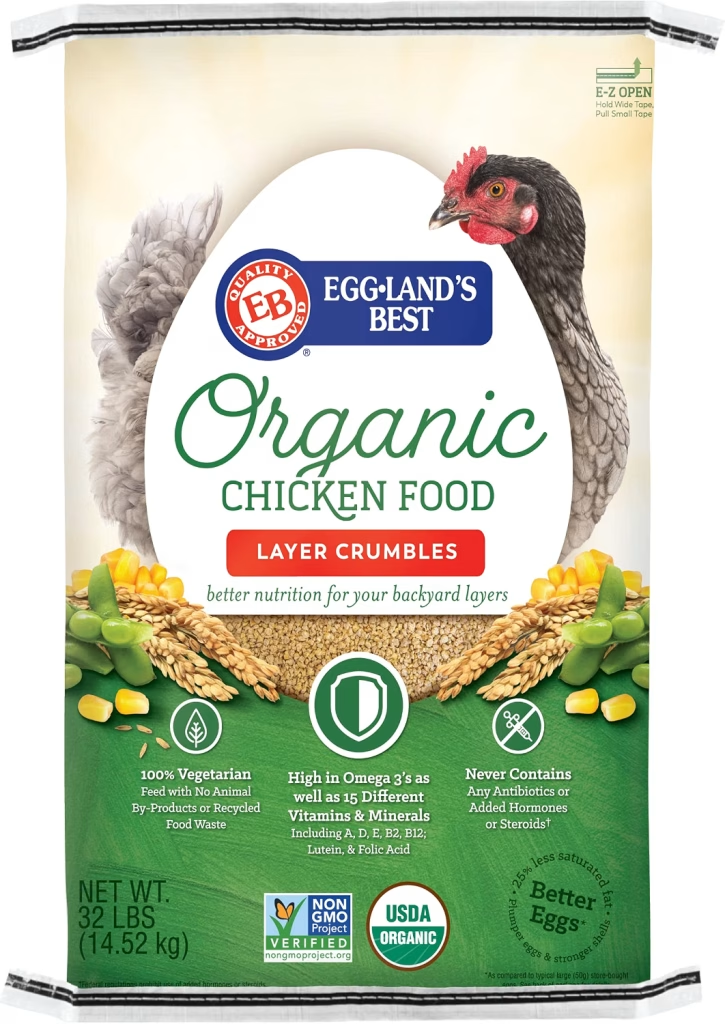
If USDA Certified Organic is important to you, Eggland’s Best 17% Protein Organic Layer Crumbles is another option to consider. It is a vegetarian feed with no added hormones, steroids, or antibiotics. It also contains omega-3s, vitamins A, B5, D, and E, and lutein, which can support overall hen health and contribute to good yolk color.
Some chicken owners say they noticed their hens start laying again within about a week of switching to this feed. It is a good choice if you specifically want a certified organic layer feed instead of the whole-grain approach of the Kalmbach feed mentioned above.
Choosing the Right Form Pellets, Crumbles, or Mash
This is something that trips up a lot of new chicken keepers, but it is actually pretty simple.
- Pellets are compressed, which makes them less wasteful since hens cannot easily pick out the parts they like and leave the rest behind, so they tend to get a more balanced amount of nutrients with each bite.
- Crumbles are basically pellets that have been broken into smaller pieces and they are easier for smaller or younger birds to eat, but sometimes they can create a little more waste.
- Mash is a loose unprocessed feed. It is sometimes a good choice for very young chicks or for people who use fermented feed.
For adult laying hens, either pellets or crumbles work well. The biggest thing is to keep things consistent. If you suddenly switch brands or feed types, your hens may eat less simply because they are not used to it. If you are changing their feed, make the switch gradually over a week or two.
Calcium The Non-Negotiable for Strong Shells
Even if you are feeding a complete layer feed, offering crushed oyster shell on the side is one of the simplest and most affordable things you can do for your hens. They naturally know when they need extra calcium and will usually adjust how much they eat based on what their bodies need.
Keep the oyster shell in a separate dish rather than mixing it into the feed. That way, laying hens can take what they need, while roosters and other non-laying birds can avoid getting more calcium than they need.
Grit The Overlooked Digestion Helper
Chickens don’t have teeth, so they rely on grit to help break down their food. These small hard particles collect in the gizzard and help grind everything up as the chicken eats.
If your hens spend a lot of time free ranging on gravelly or sandy ground, they may find enough grit on their own. But if they mostly stay on grass, mulch, or indoors, it’s a good idea to offer insoluble grit separately.
Without enough grit, even good quality feed may not be broken down as efficiently, which means your hens may not get as much nutrition from their food as they should.
Protein Boosts Why Bugs and Mealworms Matter
Protein is one of the main building blocks of egg whites, so what your hens eat really does matter. A good layer feed should provide the protein they need, but a little extra can be especially helpful during molting season or colder weather. The right food can give them the added support they need for healthy feather regrowth and help keep those egg whites nice and firm.
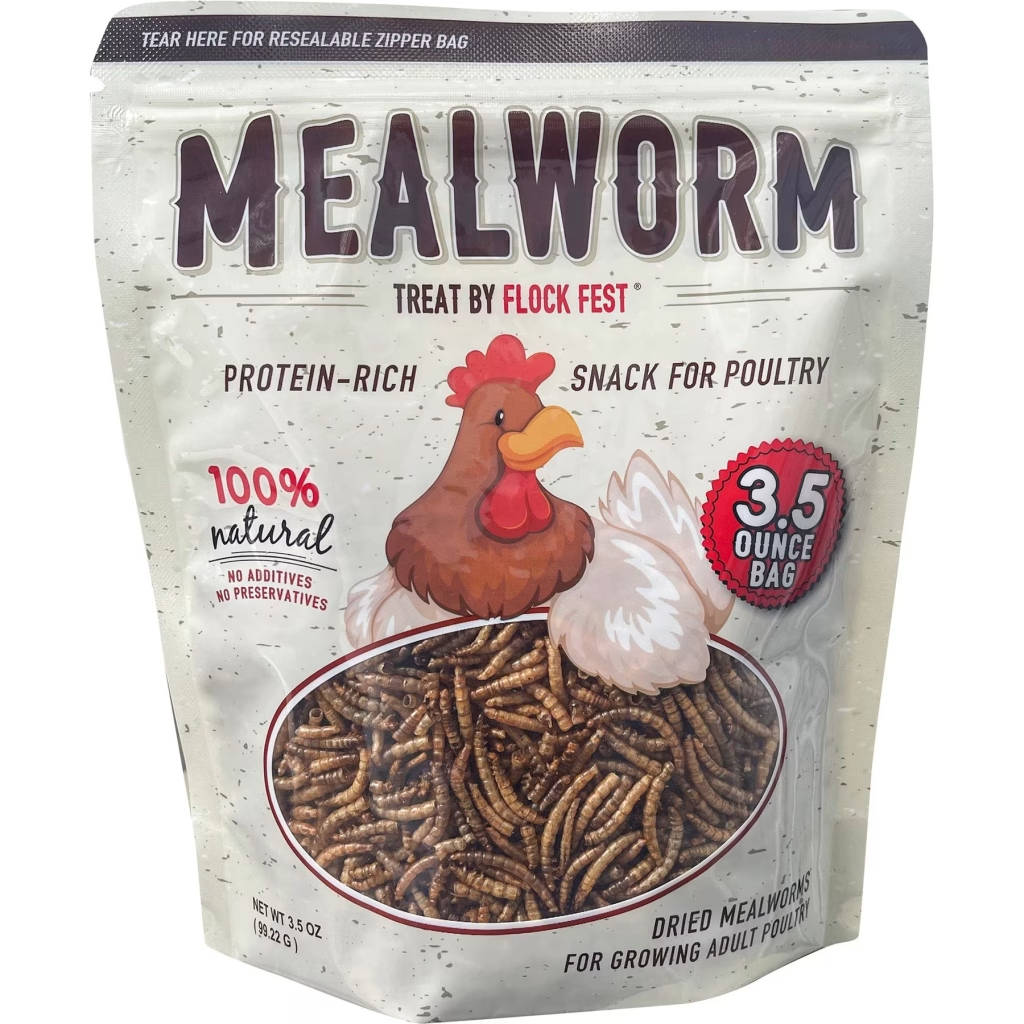
If you want an easy protein rich treat to keep on hand, Flock Fest Dried Mealworms are a convenient option. They are made specifically for poultry and can be a simple way to give your hens a little extra protein during a molt, a cold snap, or just as a special treat when you stop by the coop.
Greens, Scraps, and the “Golden Yolk” Effect
Want those deep orange restaurant style yolks? Adding more greens to your hens’ diet can help. Hens that regularly eat fresh grass, leafy greens like kale, spinach, and chard, or marigold petals can develop richer colored yolks thanks to the natural carotenoids in these foods.
If your flock spends most of its time in the coop or run, kitchen scraps like lettuce ends, carrot tops, and squash are an easy way to add some variety.
But there are a few kitchen scrap rules worth keeping in mind:
- Avoid raw dried beans, avocado skin and pits, chocolate, anything moldy, very salty foods, and large amounts of citrus.
- Good choices in moderation include leafy greens, cooked squash, watermelon rind, oats, berries, and cooked rice or pasta.
- And remember that scraps should only be a small part of your hens’ diet. Their regular layer feed should always be the main source of their nutrition.
Water The Ingredient Everyone Forgets
An egg is about 75 percent water, so making sure your hens have plenty to drink is just as important as giving them good food. If your chickens aren’t getting enough water, egg production can suffer, and you may notice smaller eggs or weaker shells.
Make sure your hens always have plenty of clean fresh water. In the summer, keep their waterers in the shade so the water stays cooler, and in the winter, make sure it doesn’t freeze. It’s easy to overlook how much water your hens are drinking, but even a drop in water intake can cause egg production to slow down.
A Simple Weekly Framework
If you want to keep it simple, think of your hens’ diet this way:
- About 90 percent should come from a complete layer feed. This is the foundation and does most of the nutritional heavy lifting.
- Keep oyster shell and grit available separately so your hens can take what they need.
- Offer a handful of greens or kitchen scraps each day for some extra variety and nutrients.
- Give protein rich treats a few times a week rather than every day.
- Keep clean fresh water available at all times.
The key is consistency—get these basics right, and you should start to see the difference over time, from stronger shells and richer yolks to eggs that taste noticeably better.
The Bottom Line
The truth is there’s no single magic ingredient that will transform your eggs overnight. What really works is keeping things simple and consistent: a good layer feed as the foundation, calcium and grit on the side, plenty of greens, the occasional protein rich treat, and clean water available all the time.
Stick with that routine, and your hens will take care of the rest. All you have to do is enjoy the fresh eggs waiting for you each morning.